Listen to this article
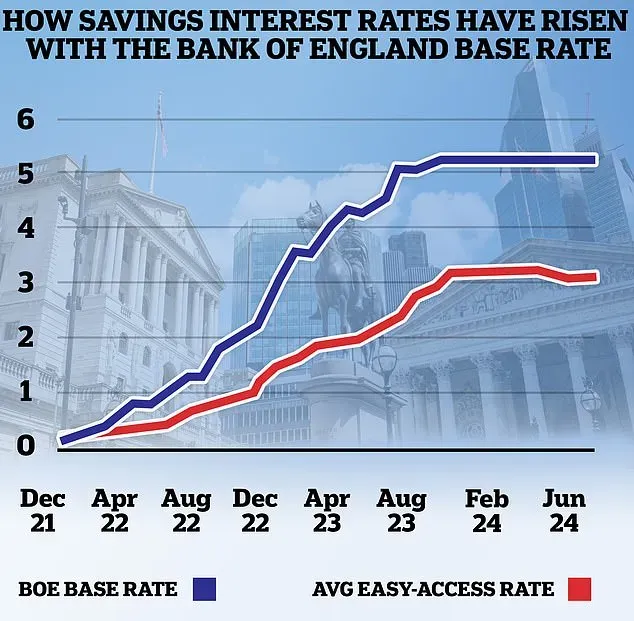
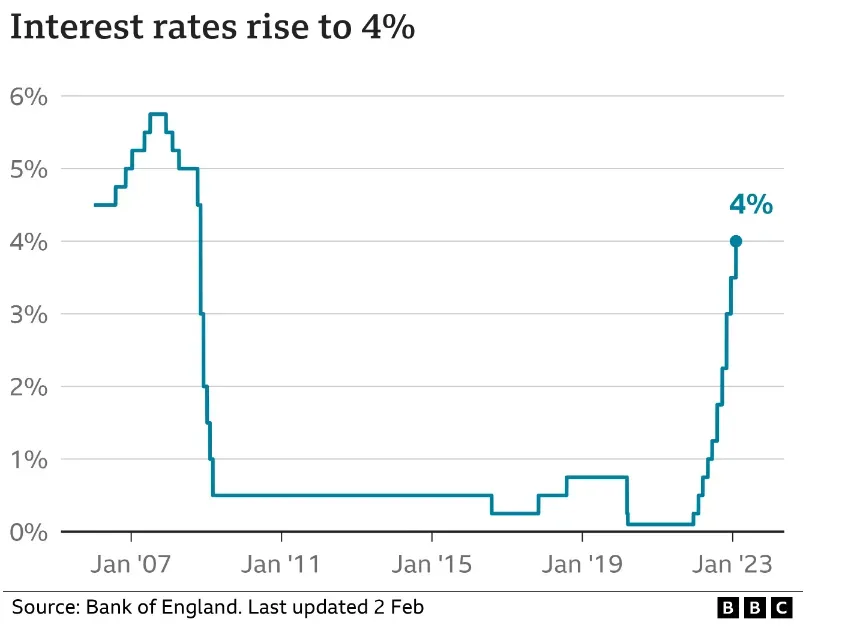
The recent Bank of England interest rate increase has sent ripples through the financial landscape, raising important questions for many homeowners. As interest rates fluctuate, the impact on mortgage payments can be profound, especially for those with variable-rate mortgages. Homeowners are now forced to reconsider their financial strategies as they navigate potential increases in mortgage affordability. Understanding how the Bank of England’s interest rate decisions influence interest rates and mortgages is essential for anyone with a home loan. In this article, we delve into the effects of these increases on fixed-rate and variable-rate mortgages, offering insight into managing your financial future amid changing economic conditions.
As the monetary policy landscape shifts with new interest rate adjustments from the central bank, homeowners face crucial decisions regarding their mortgages. This discussion centers around the implications of rising borrowing costs, which can significantly affect monthly mortgage payments. Exploring the relationship between increased central bank rates and their influence on financial obligations, such as home loans, is vital for better financial planning. With changes in fixed and variable-rate mortgages, it’s essential to consider strategies that maintain financial stability and affordability. In this comprehensive guide, we will help you navigate the complexities of interest rate hikes and their broader implications for your home financing.
Understanding Interest Rates and Their Connection to Mortgages
Interest rates play a critical role in determining mortgage payments, affecting how much homeowners pay to borrow money for their property. Generally, when the Bank of England (BoE) increases its base interest rate, it signals banks to raise the mortgage interest rates they offer. This can directly affect borrowers who have variable-rate mortgages, as their payments will increase in line with the higher rates set by lenders. Conversely, those with fixed-rate mortgages will maintain their original payment amounts, at least until they choose to refinance or kill their existing mortgage.
The connection between interest rates and mortgage payments is not just about the payment amount but also about affordability. A rise in the base rate usually means that new borrowers will face higher interest rates when securing a mortgage. For many potential homeowners, this can lead to increased financial strain, making it harder to afford a new home or maintain current mortgage payments.
The Impact of the Bank of England’s Rate Increase on Homeowners
When the Bank of England implements an interest rate increase, the immediate effects can be seen in the mortgage sector. Homeowners with variable-rate mortgages will notice an increase in their monthly payments, creating financial pressure as the cost of servicing their debt rises. Each small increase in the interest rate can lead to significant additional costs over the long term, prompting many homeowners to reevaluate their financial strategies.
Moreover, for those contemplating purchasing a new home, the Bank of England’s interest rate increases can have a substantial impact on mortgage affordability. In addition to affecting monthly payments, potential buyers must also account for stricter lending criteria and reduced purchasing power due to higher borrowing costs. It’s essential for homeowners to stay informed about these changes and consider how they will affect their personal finances.
Fixed-Rate vs. Variable-Rate Mortgages: What to Know
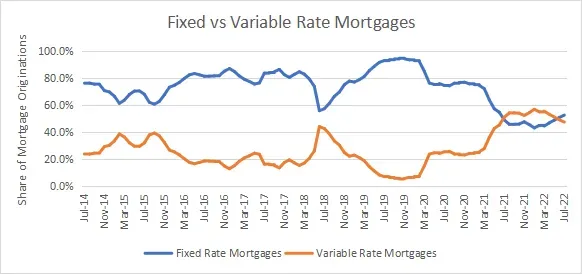
Understanding the differences between fixed-rate and variable-rate mortgages is essential for homeowners, especially in a rising interest rate environment. Fixed-rate mortgages offer stability, as the interest rate remains constant for the entire loan term, safeguarding the homeowner from future rate hikes. However, as the Bank of England increases rates, new fixed-rate deals may become less favorable, requiring potential borrowers to act quickly if they wish to lock in better terms.
On the other hand, variable-rate mortgages, while often starting with lower initial payments, can become increasingly expensive as interest rates rise. Homeowners need to be prepared for fluctuations in their monthly payments, which can significantly affect their budget and overall financial health. Evaluating the pros and cons of each option, particularly in light of current trends, is crucial for making informed decisions about mortgage agreements.
Budgeting for Rising Mortgage Payments
With interest rates on the rise, homeowners should revisit their budgets to account for potentially higher mortgage payments. A meticulous budget can help track financial obligations and identify areas where costs can be trimmed to accommodate increased payments. It’s wise to consider creating an emergency fund that can cover the additional costs arising from an interest rate hike.
Additionally, understanding the broader financial implications of higher payment burdens is essential. Homeowners might need to adjust spending in other areas or consider side incomes to offset rising monthly expenses. By proactively addressing these financial changes, homeowners can maintain their mortgage responsibilities and avoid financial strain.
The Importance of Refinancing in High-Rate Environments
In times of rising interest rates, refinancing to secure lower payments can be tempting, but it also poses challenges. Homeowners might find themselves locked into higher existing rates if market conditions don’t favor advantageous refinancing options. Understanding the timing and conditions necessary for effective refinancing becomes critical in managing a mortgage during fluctuating economic times.
Moreover, those holding fixed-rate mortgages may hesitate to refinance even when interest rates rise, fearing worse terms than their current rates. Conversely, homeowners with variable-rate mortgages should weigh the risks of refinancing at higher rates against the benefits of stabilizing their payments. Careful consideration and a consultation with financial advisors can provide clarity on these complicated decisions.
Seeking Financial Guidance in Uncertain Times
In light of the Bank of England’s recent interest rate changes, seeking guidance is more important than ever. With the complexities of navigating mortgage options and financial commitments, consulting with a financial advisor can provide valuable insights and strategies tailored to individual homeowner circumstances. This can empower homeowners to make informed decisions about their mortgages in the context of rising interest rates.
Financial advisors can help homeowners identify opportunities for optimizing their budget, evaluating mortgage options, and cushioning against unexpected financial burdens. In uncertain economic climates, expert advice can facilitate better planning and ultimately lead to reduced financial strain amid fluctuating rates.
Frequently Asked Questions
How does the Bank of England interest rate increase affect mortgage payments?
The Bank of England’s interest rate increase primarily impacts variable-rate mortgage holders, as their monthly payments will rise in line with any changes made to the base rate. Fixed-rate mortgage holders remain unaffected until their term ends, but new deals will likely reflect higher rates, influencing future affordability.
What is the impact of Bank of England interest rate increases on interest rates and mortgages?
When the Bank of England raises interest rates, lenders typically increase the interest rates on mortgages to maintain their profit margins. This means homeowners may face higher costs if they’re on variable rates, while new fixed-rate mortgages may come with less favorable terms.
How should homeowners prepare for potential increases in Bank of England interest rates?
Homeowners should consider locking in a fixed-rate mortgage if they anticipate rate increases. Additionally, revising budgets to accommodate potential higher mortgage payments and consulting with financial advisors can help manage any impact on affordability.
Does a Bank of England interest rate increase affect mortgage affordability?
Yes, a rise in the Bank of England’s interest rate can significantly impact mortgage affordability, especially for those with variable-rate mortgages. Increased monthly payments can strain budgets, making it essential for homeowners to reassess their financial commitments.
Can homeowners refinance if the Bank of England raises interest rates?
Refinancing may become more challenging following a Bank of England interest rate increase, as the new rates offered by lenders tend to be higher. Homeowners seeking to refinance should start early to secure better terms before rates increase further.
What financial strategies can homeowners implement after a Bank of England interest rate increase?
After a Bank of England interest rate increase, homeowners can adopt strategies like prioritizing fixed-rate mortgages for stability, adjusting monthly budgets to prepare for potential higher payments, and maintaining open communication with lenders to understand their mortgage terms better.
| Key Point | Details |
|---|---|
| Impact on Mortgage Payments | Variable-rate mortgages will see payment increases; fixed-rate mortgages remain unchanged until refinancing. |
| Role of the Bank of England | The BoE sets the base rate, which influences lenders’ interest rates, aligning with inflation control. |
| Current Trends | Interest rates are rising as the BoE combats inflation, affecting future mortgage deals and refinancing. |
| Financial Implications | Increased burdens on budgets, challenges in refinancing; even minor rate increases can significantly affect payments. |
| Management Strategies | Consider fixed-rate mortgages, adjust budgets, maintain communication with lenders, or consult financial advisors. |
Summary
The Bank of England interest rate increase plays a crucial role in shaping the mortgage landscape, directly influencing how much homeowners pay each month. As rates rise, those with variable-rate mortgages are poised to see immediate effects on their payments, while fixed-rate mortgage holders will be shielded until their loans need refinancing. Understanding these dynamics not only prepares homeowners for upcoming changes but also allows them to adopt strategies, like locking in fixed rates and reevaluating budgets, to remain financially robust. With proactive planning and clear communication with lenders, individuals can navigate these changes effectively and manage their mortgage obligations.