Listen to this article
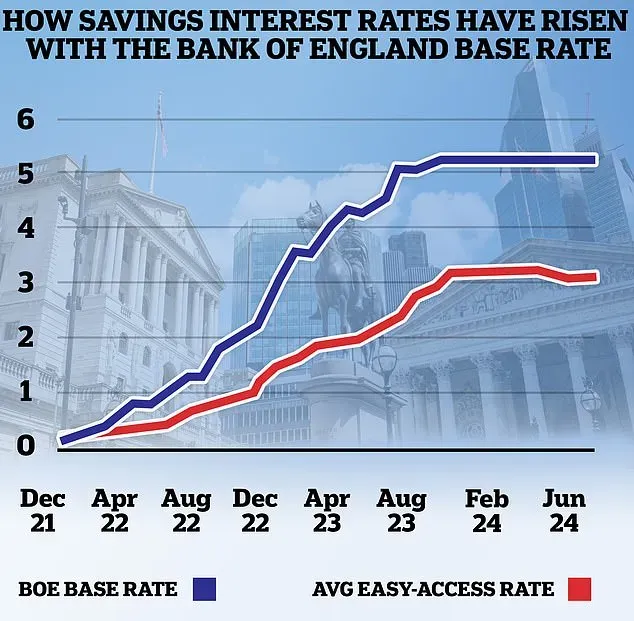
The Bank of England interest rate plays a pivotal role in shaping the financial landscape of the UK, particularly when it comes to mortgage rates. As this essential metric fluctuates, it directly influences the cost of borrowing for home loans, creating ripples through various mortgage types, including variable rate mortgages and fixed rate mortgages. Homeowners, future buyers, and investors with buy-to-let mortgages must stay informed about these changes to effectively plan their finances. By understanding the economic impact of interest rates, you can better budget for mortgage changes and prepare for any adjustments that may affect your monthly payments. Proper financial planning is key to ensuring that you manage your mortgage effectively in the face of shifting interest rates.
The interest rate set by the Bank of England is crucial for anyone navigating the housing market and mortgage financing. Often referred to as the official lending rate, this figure significantly influences consumer loans, including variable and fixed mortgage options. With potential changes impacting everything from monthly repayments to housing market stability, homeowners and property investors alike need to consider how these shifts could affect their financial strategies. Understanding these factors enables better budgeting for future mortgage costs and facilitates sensible economic planning for any homeowner or prospective buyer. Staying updated on the Bank of England’s decisions provides essential insights into managing potential financial impacts.
Understanding the Impact of Bank of England Interest Rates on Mortgage Costs
The Bank of England (BoE) interest rate plays a pivotal role in shaping the cost of mortgages across the UK. When the BoE adjusts its official interest rate, the repercussions can be felt almost immediately by homeowners. Lenders often raise or lower their mortgage rates in alignment with the Bank Rate, leading to direct changes in borrowers’ monthly repayments. For example, during periods of rising rates, homeowners with variable rate mortgages may experience a significant increase in their payment obligations—potentially straining household budgets.
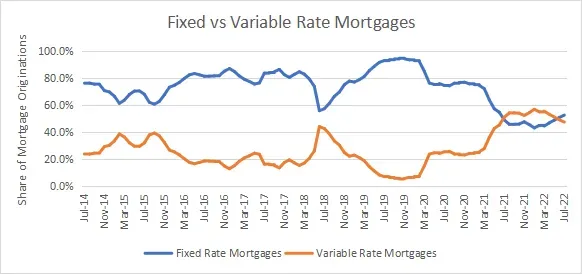
In contrast, those on fixed rate mortgages may initially feel insulated from these fluctuations. However, as their mortgage term approaches its end, they might encounter elevated rates, reflecting the BoE’s recent decisions. This scenario highlights the importance of understanding the long-term implications of the Bank Rate changes—especially for homeowners planning to refinance or take out new loans. Staying informed about these interest rate movements can be crucial for financial stability.
Effects of Interest Rate Changes on Variable Rate Mortgages
Variable rate mortgages are particularly sensitive to shifts in the Bank of England interest rate. When the BoE increases the Bank Rate, lenders often follow suit by raising interest rates on these mortgage products. This correlation can result in higher monthly payments, which may lead to increased financial pressure on households. Homeowners who have budgeted their finances may find themselves in a precarious position, needing to reassess their spending plans to accommodate these surging costs. Economic conditions, like inflation, can exacerbate these changes, making it essential to actively manage one’s mortgage situation.
Moreover, in a declining interest rate environment, those with variable rate mortgages can benefit from lower repayments. This could translate to increased disposable income, creating opportunities for spending or saving for future investments. Understanding the delicate balance of variable rates is critical—as borrowers may tactically opt for locking in fixed rates when they anticipate further rate hikes, thereby safeguarding themselves from additional financial strain.
Analyzing Fixed Rate Mortgages Amidst Interest Rate Changes
Fixed rate mortgages provide some stability in an otherwise fluctuating interest rate environment, as borrowers lock in a specific rate for a predetermined period. However, while these mortgages might offer protection against immediate rises in the Bank of England interest rate, they can pose risks upon expiry. Homeowners approaching the end of their fixed-term periods might face a challenging decision if the prevailing market rates exceed their locked-in rate. This scenario can significantly impact financial planning, necessitating a strategic approach to refinancing and budgeting.
Additionally, understanding the implications of ongoing interest rate changes can help borrowers navigate the mortgage landscape effectively. If the Bank Rate trends upwards, new borrowers may find themselves locked into higher costs compared to those who secured low fixed rates earlier. This discrepancy emphasizes the importance of timing and market awareness in mortgage decisions—especially for first-time buyers or those looking to remortgage.
Navigating Buy-to-Let Mortgages and Interest Rate Dynamics
For landlords, the Bank of England interest rate can have substantial implications for buy-to-let mortgages. Typically, many landlords prefer variable rate products to keep their costs manageable; however, as the BoE increases the interest rate, their mortgage repayments might spike unexpectedly. This increase can erode the profitability of rental properties, forcing landlords to reconsider their pricing strategies or even the viability of their investments in the market.
Additionally, fluctuations in interest rates can indirectly impact rental yields and tenant affordability. If rental costs rise sharply in response to increasing mortgage repayments, potential tenants may be priced out of the market, which could lead to longer vacancy periods for landlords. Therefore, continuous monitoring of economic trends, including the BoE’s decisions, is vital for proactive financial management in buy-to-let investments.
Preparing Financially for Potential Interest Rate Changes
As interest rates shift, it’s essential for homeowners to prepare effectively to mitigate negative financial impacts. One crucial step is to review the type of mortgage held—understanding whether it’s fixed or variable, and the potential consequences for each during rate changes. For those on variable rates, considering a switch to a fixed rate mortgage can offer peace of mind against upcoming hikes in the Bank of England interest rate.
Budgeting effectively in anticipation of increased mortgage payments can protect homeowners from financial stress. This might involve cutting discretionary spending and boosting savings in anticipation of higher costs. Keeping abreast of economic news related to interest rates will enable better predictions about future movements, allowing for proactive adjustments to personal finances. Collaborating with financial advisors can further refine these strategies, equipping homeowners with tailored insights and planning tools.
Understanding the Broader Economic Implications of Interest Rate Fluctuations
The economic landscape is tightly interwoven with changes in interest rates, and the Bank of England’s decisions can have far-reaching effects beyond just mortgages. For instance, increased interest rates generally lead to higher borrowing costs, which can deter consumer spending. When individuals reduce their borrowing, businesses may experience lower sales and revenue streams, potentially leading to a slowdown in economic growth. This wider economic impact necessitates an understanding for homeowners of how their mortgage decisions may inadvertently influence their local and national economy.
Furthermore, the housing market is intricately linked to changes in interest rates. When borrowers face increased costs, demand for housing may decline, leading to lower property values and potentially affecting homeowners looking to sell. Understanding these broader economic trends can help individuals make more informed decisions regarding buying, selling, or refinancing their homes.
Frequently Asked Questions
How does the Bank of England interest rate impact variable rate mortgages?
The Bank of England interest rate directly influences variable rate mortgages. When the Bank Rate rises, lenders typically increase the interest rates on these mortgages, leading to higher monthly repayments for homeowners. Conversely, if the Bank Rate decreases, borrowers with variable rates may benefit from lower payments.
What should fixed rate mortgage holders know about the Bank of England interest rate?
For fixed rate mortgage holders, the Bank of England interest rate does not immediately affect their current payments. However, if interest rates rise significantly during their fixed period, they could face higher costs when renewing or refinancing their mortgage once their term ends.
What is the effect of the Bank of England interest rate on buy-to-let mortgages?
The Bank of England interest rate significantly impacts buy-to-let mortgages, especially if landlords opt for variable rates. An increase in the Bank Rate can lead to higher mortgage repayments, which may affect cash flow and rental yields, ultimately influencing investment decisions in the rental market.
Why does the Bank of England change the interest rate?
The Bank of England changes the interest rate based on economic factors such as inflation, economic growth, and employment levels. By adjusting the Bank Rate, the BoE aims to maintain stability in the economy, influencing borrowing costs and spending.
How can homeowners prepare for Bank of England interest rate changes?
Homeowners can prepare for changes in the Bank of England interest rate by reviewing their mortgage type, budgeting for potential payment increases, staying informed about interest rate trends, and consulting financial advisors for tailored advice regarding mortgage stability.
What is the broader economic impact of the Bank of England interest rate on housing?
The Bank of England interest rate affects the housing market by influencing mortgage repayments. Higher interest rates can deter potential buyers and slow down the housing market, while lower rates may stimulate demand. This ripple effect can impact consumer spending and overall economic growth.
| Key Point | Description |
|---|---|
| What is the Bank of England Interest Rate? | The rate at which the BoE lends to banks, influencing borrowing costs and consumer loans. |
| Effect on Variable Rate Mortgages | Directly affected by changes in the Bank Rate; increased rates lead to higher repayments. |
| Effect on Fixed Rate Mortgages | Remain stable short-term; long-term implications if new rates rise significantly at renewal. |
| Effect on Buy-to-Let Mortgages | Higher rates impact cash flow for landlords, affecting rents and investment decisions. |
| Reasons for Interest Rate Changes | Inflation, economic growth, and employment levels drive adjustments in the Bank Rate. |
| Broader Economic Impact | Affects consumer spending, housing demand, and business investment decisions. |
| Preparing for Rate Changes | Review mortgages, budget for changes, stay informed, and consult advisors. |
Summary
The Bank of England interest rate is a fundamental factor that affects your mortgage and overall financial landscape. Variations in this rate directly impact both variable and fixed rate mortgages, influencing payment amounts and future financial decisions. Homeowners and investors must understand these connections and prepare for potential changes in the interest rate, which can alter borrowing costs and financial stability. By staying informed about the Bank of England’s actions and the broader economic implications, you can make proactive adjustments to safeguard your financial health. Ultimately, knowledge about the Bank of England interest rate will empower you to navigate the real estate market and manage mortgage responsibilities effectively.