
Listen to this article
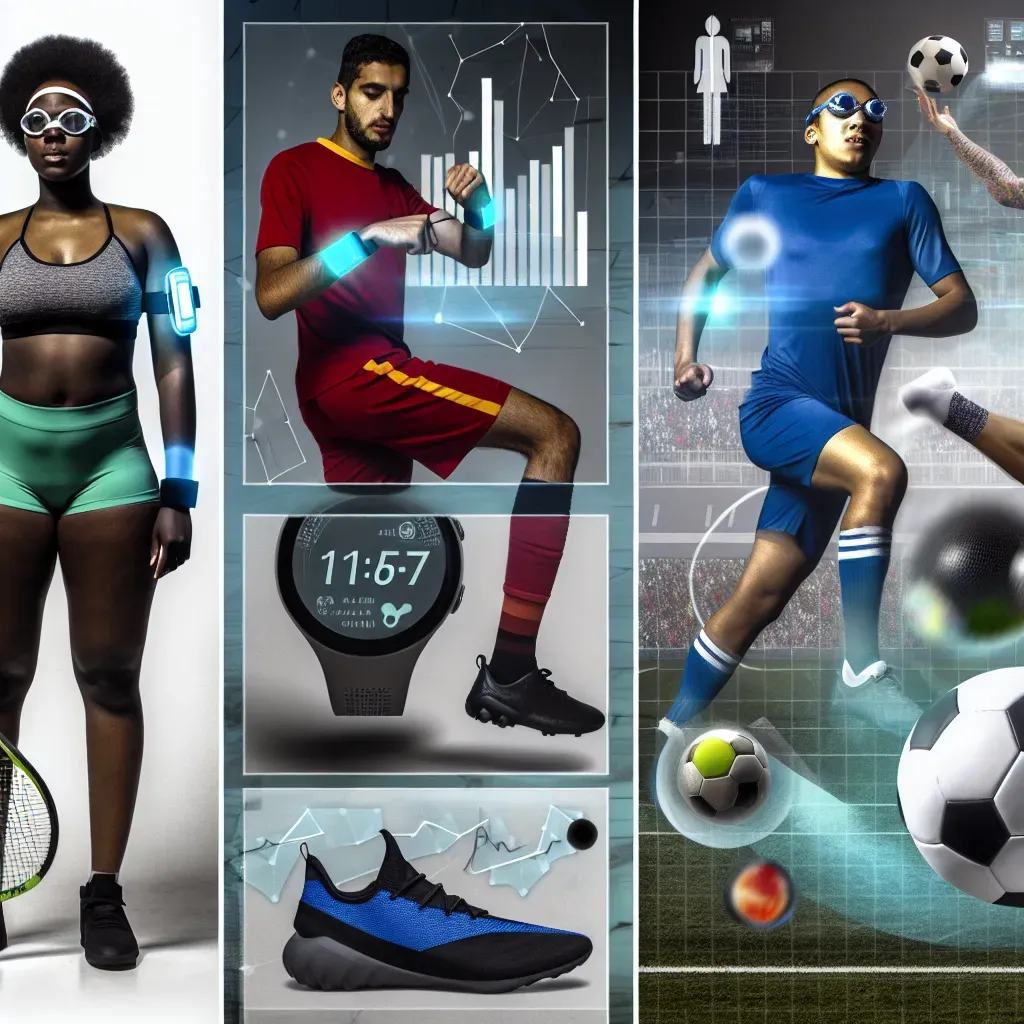
Technology in sports has revolutionized the way athletes train, compete, and interact with their fans. With advancements like wearables and smart sports equipment, athletes can now gather real-time data that significantly enhances their performance. The impact of technology in sports is evident not only in training methodologies through sports analytics but also in how athletes engage with their health and fitness routines. Cutting-edge technologies, including AI in sports, are now playing a central role in helping teams strategize better and provide personalized experiences for fans. As technology continues to evolve, its benefits promise to elevate sports to unprecedented levels of performance and engagement.
In the realm of athletics, modern innovations are reshaping the landscape of competition and interaction. Advanced tools, including data analytics and wearable monitoring devices, are becoming staples in training regimens, enabling real-time insights into performance metrics. The rise of intelligent equipment is facilitating tailored fitness programs, essential for injury prevention and athletic growth. Simultaneously, artificial intelligence is enhancing decision-making and fan engagement, bringing a fresh perspective to how sports are enjoyed and understood. As these technological trends continue to develop, the synergy between sports and innovation will undoubtedly foster new horizons for athletes and enthusiasts alike.
The Evolution of Sports Technology: From Past to Present
The intersection of technology and sports has a long history, starting with early innovations such as the introduction of synthetic materials in athletic gear. These advancements allowed for better durability and performance, setting the stage for a revolution in how equipment is designed and utilized. Through the late 20th and early 21st centuries, various breakthroughs, including the development of performance-tracking devices, started to emerge. As teams and athletes recognized the value of data, the integration of technology became more prominent, leading to a new era of performance optimization.
By the mid-2000s, we saw a notable shift thanks to wearable technology. Athletes began to adopt fitness trackers and smartwatches that monitored everything from heart rates to sleep patterns, providing data critical for optimizing training regimens. This change not only enhanced athlete performance but also introduced a new level of scientific approach to sports, where every workout and every game became an opportunity to analyze and improve. The grasp of technology in sports has evolved rapidly, emphasizing its critical role in shaping modern athletic success.
The Rise of Sports Analytics: Changing the Game
Sports analytics gained traction in the early 2000s, primarily driven by advancements in data collection and storage. Teams started to hire analysts who could dissect vast amounts of data to uncover trends and insights about player performance. This scientific approach to understanding sports fundamentally transformed strategy and player management. For instance, baseball teams adopted sabermetrics, which focused on in-depth statistical analysis to aid in player evaluation and game strategy, influencing other sports to follow suit.
By the 2010s, sports analytics had matured into an indispensable element for success across various sports. Coaches and teams increasingly relied on data-driven approaches to inform their decisions, from player recruitment to in-game tactics. The ability to predict outcomes and assess risks through data not only improved team performance but also made the sport more engaging for fans. The transition from intuition-based coaching to analytical strategies exemplifies how deeply data analytics now shapes every aspect of sports.
Smart Equipment: Enhancements in Athletic Gear
The introduction of smart sports equipment has transformed traditional gear into high-tech tools that carry essential performance analytics. Early adoption saw innovations like smart balls and enhanced running shoes equipped with sensors designed to capture real-time data. This merging of hardware with technology provided athletes and coaches with unparalleled insights into performance metrics, enabling data-driven adjustments that optimize training routines.
Today, companies are pushing the boundaries further by integrating artificial intelligence into sports equipment. This AI-driven technology can analyze data collected during practices and competitions, offering tailored feedback that can lead to significant improvements. With gear fundamentally connected to performance analytics, athletes can now rely on data to fine-tune their skills and strategies, marking a significant evolution in how sports equipment is utilized.
Wearable Technology: Tracking Performance in Real Time
Wearable technology has emerged as a critical tool for athletes looking to enhance their performance. Devices like smartwatches, fitness bands, and specialized sensors can track various metrics such as heart rate, speed, and even fatigue levels during training sessions. This influx of data provides coaches with actionable insights that help in shaping training programs specific to individual athletes’ needs, reducing the risk of injuries and improving overall performance.
As technology has advanced, the capabilities of wearable devices have grown exponentially. Many athletes now use wearables that not only track their physical performance but also monitor their mental readiness and recovery state. These insights allow coaches to make informed decisions about rest and training optimizations, creating a holistic approach to athlete health and performance that benefits both the individual and the team.
The AI Revolution: Redefining Sports Strategy
The implementation of artificial intelligence in sports has created opportunities for teams to analyze massive datasets in real time. AI algorithms sift through gameplay footage and player statistics, producing insights that guide tactical decisions and optimize game strategies. This technology helps teams predict opponents’ movements and reactions, significantly changing how strategies are formulated pre- and post-game.
As AI technology continues to evolve, its usage in sports is expected to grow exponentially. It can enhance training methodologies by providing predictive analytics and simulating game scenarios, thus allowing coaches and players to make more informed decisions that could lead to victory. This evolution highlights AI’s crucial role in the sports industry’s future, where data-driven insights will increasingly dictate levels of success.
Innovations in Fan Engagement: A New Era of Interaction
The advent of technology has revolutionized how fans engage with sports. Social media platforms enable fans to follow players and teams in real-time, creating a sense of community that transcends geographical boundaries. Furthermore, live-streaming services have shifted viewership habits, allowing fans to experience the thrill of games anywhere, at any time, leading to increased engagement and loyalty.
In addition to traditional viewing methods, tech-driven innovations like interactive apps provide fans with real-time statistics, highlights, and multi-angle views of matches. These tools not only enhance the viewing experience but also deepen fans’ connection to the game. As technology progresses, we can expect even more immersive experiences such as augmented reality overlays, which will bring fans closer to their favorite sports like never before.
The Role of Data Protection in Sports Technology
As technology becomes increasingly integrated into sports, managing data security has become crucial. Teams and organizations collect significant amounts of personal and performance data from athletes, requiring robust measures to protect this information. Privacy concerns are more pronounced with wearable technology, which continuously gathers sensitive information regarding athletes’ health and performance.
In recent years, there has been a push for regulations and standards to safeguard this data, ensuring that athletes’ information is handled responsibly. As the industry grows, the emphasis on ethical data management and digital security will be paramount to maintaining trust between athletes, teams, and fans alike while continuing to enjoy the benefits of technology in sports.
The Future Landscape: Predictions in Sports Technology
Looking ahead, the integration of technology in sports promises to redefine the landscape further. With continuous advancements in the Internet of Things and machine learning, we can anticipate smarter gear, improved training methodologies, and enhanced fan experiences. For instance, we may see more integrated environments where stadiums collect and utilize data to improve everything from safety to fan engagement in real time.
Additionally, we will likely witness the emergence of virtual reality experiences for fans, making them feel as though they are part of the game. As technology continues to evolve, it will undoubtedly create new opportunities for athletes and teams, fundamentally enhancing how we appreciate and partake in sports in unprecedented ways.
Ensuring Fair Play: Technology as a Regulator
Ensuring the integrity of sports has always been a priority, and technology has provided critical support in maintaining fair play. Tools such as video assistant referees (VAR) have introduced a new layer of oversight in sports like soccer, allowing for minute decisions to be scrutinized from different angles in real time. Such innovations help minimize errors and enhance the transparency of officiating.
Moreover, wearable devices play a role in upholding fair play by using biometric data to monitor players during competitions. These devices can detect fatigue levels and physical exertion, helping officials make informed decisions about player substitutions and managing player health. As tech-driven monitoring becomes standard, the commitment to ensuring fair, safe, and honest sports will be significantly bolstered.
Frequently Asked Questions
What is the impact of technology in sports today?
The impact of technology in sports is profound, enhancing athlete performance through data analytics, improving training methodologies, and transforming fan engagement. Technologies like wearable devices track vital statistics, while streaming services enable fans to watch games from anywhere. Additionally, AI and data analytics ensure informed decisions in strategy and player recruitment.
How has sports analytics changed the approach to coaching?
Sports analytics has revolutionized coaching by providing data-driven insights that inform tactics and strategies. Coaches use analytics to evaluate player performance, optimize training regimens, and identify patterns that can lead to injury prevention, thus enhancing overall team effectiveness.
What role does wearable technology in sports play in athlete training?
Wearable technology in sports plays a critical role in tracking athletes’ health metrics, such as heart rate and biomechanics. These devices help trainers customize training programs to individual needs, monitor performance, and prevent injuries by providing real-time feedback on athletes’ physiological conditions.
How does AI in sports enhance fan engagement?
AI in sports enhances fan engagement by analyzing vast amounts of data to personalize experiences, such as offering tailored content and interaction through chatbots. AI also powers augmented reality experiences and predictive analytics, making fans feel more connected to their teams and the games.
What innovations are seen in smart sports equipment?
Smart sports equipment incorporates advanced technologies such as sensors and analytics capabilities. For example, smart balls provide real-time data on performance metrics like speed and spin, allowing athletes and coaches to refine techniques effectively and improve training outcomes.
How has the use of VR and AR technology impacted athlete preparation?
Virtual Reality (VR) and Augmented Reality (AR) technologies have significantly impacted athlete preparation by simulating game scenarios for practice without the physical space needed. These technologies enhance cognitive skills, allowing athletes to mentally prepare for competitions more effectively.
What preventive measures are technology-driven in sports today?
Technology-driven preventive measures in sports include the use of wearables that monitor vital signs to alert medical staff about potential health risks, such as heat exhaustion, and video review systems like VAR that ensure fair play through accurate decision-making.
How do data analytics improve injury prevention in sports?
Data analytics improve injury prevention by analyzing player behavior and performance metrics, identifying patterns that indicate potential injury risks. This allows teams to take proactive steps to mitigate risks and develop strategies that prolong athletes’ careers.
What are the future trends of technology in sports?
Future trends of technology in sports include further integration of AI and machine learning for deeper insights into performance, the expansion of augmented and virtual reality experiences for fans, and the development of smart stadiums equipped with IoT technology to enhance viewer interaction.
How does technology ensure fair play during sporting events?
Technology ensures fair play during sporting events through systems such as Instant Replay and the Video Assistant Referee (VAR), which provide real-time analysis and decision support, thus reducing human error and increasing transparency in officiating decisions.
| Aspect | Key Points |
|---|---|
| Enhanced Athlete Performance and Training | Use of wearables for vital stats monitoring and tailored training programs. |
| Revolutionizing Fan Engagement | Live streaming services and mobile accessibility enhance the fan experience. |
| Data Analytics and Sports Strategy | Big data is used for informed decision-making in player recruitment and game strategies. |
| Enhancements in Equipment and Gear | Modern gear uses advanced materials; smart balls provide real-time performance data. |
| The Role of AI in Sports | AI aids in analytics and enhances fan engagement through chatbots. |
| Preventive and Predictive Technologies | Technologies like VAR and wearables ensure fairness and player safety. |
| The Future of Technology in Sports | Expect greater engagement through VR/AR, and deeper insights from advanced algorithms. |
Summary
Technology in sports is rapidly reshaping the landscape, having begun with basic data analytics and wearables to more sophisticated applications such as AI and real-time performance tracking. Initially, technology was mainly utilized for enhancing athlete performance and training through tools like GPS and heart rate monitors. As technology advanced, fan engagement saw a revolution with live streaming and interactive applications enabling unprecedented accessibility. Next, teams began adopting big data for strategic game planning, significantly impacting decisions like player recruitment. Furthermore, innovations in equipment have increased both safety and performance due to high-tech materials and smart gear. AI introduced a new realm of possibilities, aiding in game analysis and improving fan interactions via chatbots. Currently, preventive technologies ensure fair play and player health, showcasing how vital integrity is in sports. Looking ahead, the integration of IoT and immersive experiences via virtual reality promise to further enhance sports in ways that were previously unimaginable, revolutionizing the connection between players and fans.

