Listen to this article
Technology in sports has dramatically reshaped the landscape of athletic performance and fan engagement over recent years. This revolution encompasses various innovations, including sports technology, wearable technology, and groundbreaking advancements in data analytics. Athletes now harness wearable devices to monitor their metrics, while teams leverage data analytics in sports to optimize athletic training and game strategy. Furthermore, immersive experiences like VR in sports and AR enhancements for fan experiences are taking engagement to new heights. As we explore how these technological trends are transforming the industry, it becomes clear that the future of sports will be defined by innovation and connectivity.
The integration of cutting-edge innovations in athletics and viewing experiences is a trend that has accelerated rapidly, ushering in an era of enhanced performance and spectator satisfaction. This phenomenon highlights advancements such as performance technologies, personal health monitors, and data-driven insights tailored to improve outcomes. Moreover, the introduction of immersive virtual environments and fan-focused applications has transformed how supporters interact with their favorite teams. As new methodologies emerge, the harmonization of traditional sports and digital innovations showcases a pivotal evolution in how we perceive gameplay and athlete engagement. The ongoing digital transformation reflects a broader shift toward smarter, more interactive sports experiences.
The Evolution of Data Analytics in Sports
Over the past decade, the integration of data analytics in sports has drastically evolved, allowing teams to leverage vast amounts of performance-related information. Initially, data collection was somewhat rudimentary, primarily focusing on basic metrics such as scores and player statistics. However, with the advent of advanced technologies and machine learning, teams are now able to analyze complex datasets that include player biometrics, movement patterns, and game situational factors. This detailed analysis aids coaches in crafting personalized training regimens to optimize each athlete’s performance, thus enhancing overall team efficacy.
As technology continues to advance, the tools available for data analytics have become more sophisticated. Coaches and analysts now incorporate predictive modeling and big data analytics to forecast player performances during critical phases of competitions. Furthermore, analytics are not solely beneficial on the field; they play a pivotal role in strategizing off-the-field decisions such as recruitment and injury management. By employing data analytics, teams can remain competitive in a landscape where every advantage counts.
Transformative Impact of Wearable Technology
Wearable technology has revolutionized athlete training and performance in remarkable ways. A significant shift began when professional sports teams recognized the potential of devices like heart rate monitors, GPS trackers, and smartwatches, which gather real-time data on athletes’ physical exertion and recovery. This technology allows coaches to not only monitor their athletes’ vital statistics during training sessions but also analyze their performance trends over time. As wearables have become more advanced, they now collect detailed data points, enabling a level of customization in training programs that was previously unattainable.
The benefits of wearable technology extend beyond mere performance assessment; they also assist in injury prevention and rehabilitation. Teams have implemented these devices to detect early signs of fatigue or strain, alerting trainers to necessary adjustments in workout intensity. This proactive approach to athlete health not only enhances performance but also helps extend the longevity of athletes’ careers by mitigating the risk of serious injuries.
The Rise of Virtual and Augmented Reality
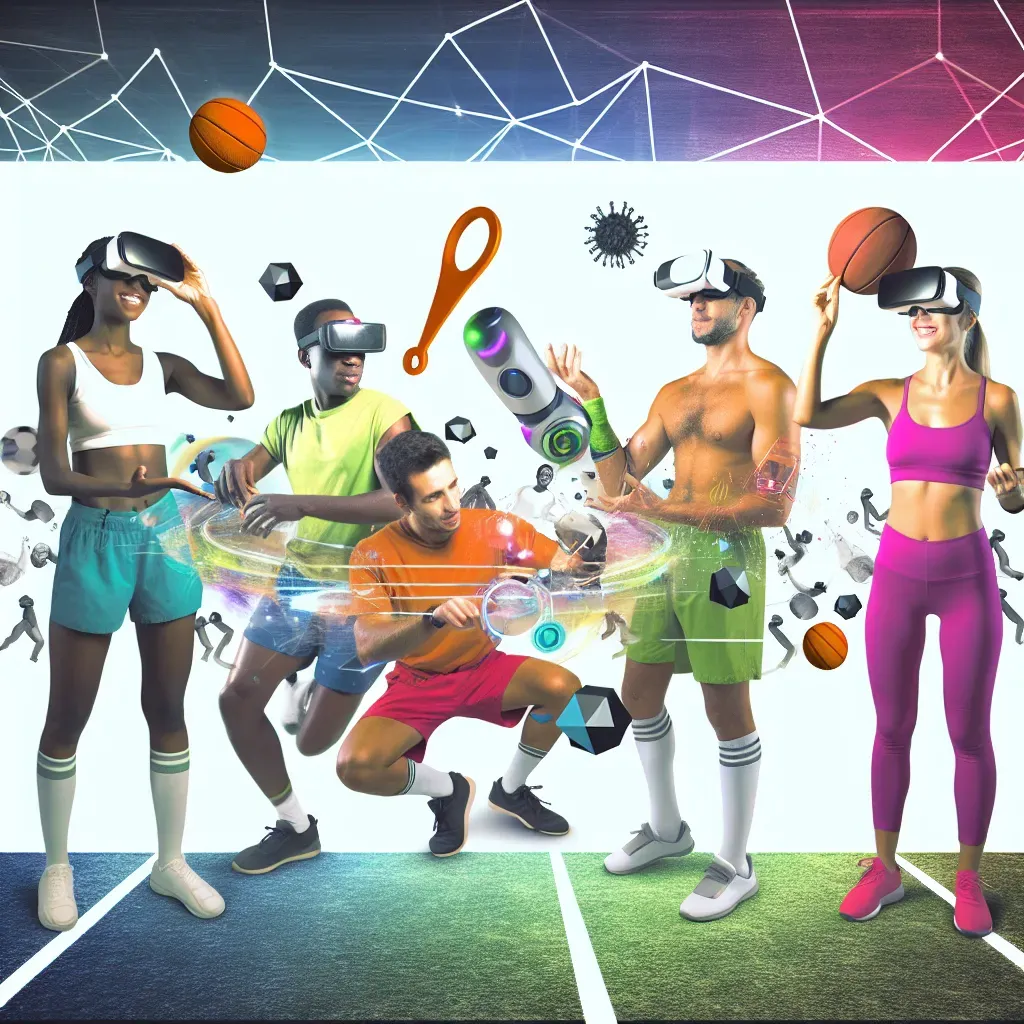
The implementation of VR and AR technologies in sports has rapidly gained traction, offering unique enhancements for both athletes and fans alike. Initially, VR was mostly used in training environments where athletes could visualize game scenarios without physical exertion. This utilization allowed players to practice decision-making under simulated pressure, honing their reflexes and mental acuity. As VR technology improved, it became clear that it could replicate realistic game situations, providing athletes with invaluable preparatory experiences.
Similarly, AR has begun to reshape the fan experience at sporting events. Innovative platforms now allow spectators to access real-time player statistics and replays simply by pointing their smartphones at players on the field or court. Additionally, AR experiences can engage fans through interactive games that take place during the event, creating a more vibrant and immersive environment. As these technologies continue to evolve, the potential for improving fan interaction and athlete training will expand even further.
Enhancements in Sports Broadcasting and Remote Viewing Experience
The landscape of sports broadcasting has been significantly transformed by technological advancements in recent years. Innovations such as live streaming services, ultra-high-definition imaging, and the incorporation of drones for aerial views have elevated the viewing experience. Fans can enjoy broadcasts with previously unattainable clarity, allowing them to witness every detail of the action as though they were present in the stands. This transformation has expanded access to sports, enabling fans globally to engage with their favorite teams and athletes more than ever.
Additionally, emerging technologies have introduced interactive elements to sports viewing. Fans can participate in live chats or vote on game predictions in real-time, deepening their connection to the events. The integration of platforms like Twitch has fostered communities around sports content, bridging gaps between traditional broadcasting and the digital experiences that younger audiences crave. This evolution points to a future where remote viewing will offer even more flexibility and engagement opportunities for fans.
E-Sports: The New Frontier in Competitive Gaming
The rise of e-sports marks a notable shift in the landscape of competitive entertainment, establishing itself as a billion-dollar industry that rivals traditional sports. Over the last decade, this fusion of gaming and competition has attracted millions of viewers and enthusiasts, with top gamers achieving celebrity status. E-sports tournaments now draw large crowds and significant sponsorships, showcasing both skill and strategic prowess, as players compete for substantial prize pools. This phenomenon demonstrates the advancements in technology and streaming capabilities that allow fans to engage with competitive gaming on a grand scale.
Notably, traditional sports franchises have recognized the potential in e-sports, leading to crossovers between the realms of physical and digital sports. Leagues, such as the NBA, have successfully launched their own e-sports competitions, fostering engagement with younger demographics and tapping into the gaming community. This connection reveals how technology not only bridges traditional and modern forms of competition but also reshapes the very definition of what it means to be an athlete in today’s digital age.
Social Media’s Role in Fan Engagement
The impact of social media on fan engagement in sports has been profound, revolutionizing how teams and athletes interact with their supporters. Platforms like Twitter, Instagram, and TikTok have become critical tools for fostering connections, allowing teams to share instant updates and engage fans with interactive content. Fans now enjoy behind-the-scenes insights, player interactions, and live commentary, creating a more intimate relationship with their favorite sports personalities and teams.
Moreover, social media has shifted the power dynamics, granting fans a voice in conversations surrounding their teams. By using hashtags and engaging in discussions, fans can directly influence team cultures and marketing strategies. This newfound interactivity not only builds brand loyalty but also solidifies the community aspect of sports, transforming teams into brands that thrive on close, personal connections with their audience.
Innovative Training Methodologies through Technology
Technology has redefined training methodologies across various sports, leading to the development of innovative practices that enhance athlete preparation. For instance, the incorporation of simulation technology provides players with virtual environments to refine their skills and decision-making processes under realistic conditions. Such immersive training methods allow for enhanced learning outcomes, enabling athletes to analyze their performance critically without physical strain.
Furthermore, advancements in nutrition tracking and biomechanical analysis have become integral components of modern training regimens. Coaches are leveraging data analytics to optimize athletes’ diets and recovery strategies based on individual performance metrics. By utilizing cutting-edge technology, training is evolving from a one-size-fits-all approach to a highly personalized experience tailored to meet each athlete’s unique needs.
Advancements in Athlete Health Management
The management of athlete health has benefitted immensely from technological advancements, emphasizing the importance of data analytics and wearable technology. Teams now use sophisticated monitoring devices to track vital signs and physical performance, advising athletes on training loads and recovery. This real-time health surveillance aids coaches in making informed decisions that prioritize athlete well-being, helping to prevent injuries resulted from overexertion.
Additionally, with the integration of AI and machine learning, predictive analytics can forecast potential injury risks based on collected data. This proactive approach aids physiotherapists and medical teams in developing tailored programs for injury prevention and rehabilitation. As technology continues to advance, the focus on athlete health management will not only improve performance but also ensure longevity in their careers.
Technology in Sports: A Future Perspective
As we look towards the future, the role of technology in sports will only intensify, driving innovation in ways we are just beginning to fathom. Emerging technologies such as artificial intelligence, blockchain, and enhanced VR and AR experiences are set to reshape the sports industry further. These advancements promise to enhance training techniques, improve player performance, and offer fans unprecedented engagement opportunities, signaling an exciting era for sports.
Furthermore, the environmental impact of sports technology is becoming a point of focus, with sustainable practices integrated into the development of sporting equipment and facilities. The combination of technology and sustainability puts the sports industry on a path not only toward enhanced performance but also toward responsible practices that resonate with the values of today’s consumers. Overall, the future of sports technology looks promising, filled with opportunities for growth, engagement, and innovation.
Frequently Asked Questions
How is data analytics in sports impacting athlete performance?
Data analytics in sports is revolutionizing how athlete performance is evaluated and enhanced. Coaches utilize complex algorithms to analyze metrics gathered from GPS and heart rate monitors, allowing for personalized training programs that enhance athlete performance while reducing injury risk.
What role does VR in sports play in athlete training?
VR in sports provides athletes with immersive training experiences, allowing them to practice in a risk-free virtual environment. This technology helps improve decision-making and reaction time by simulating real game situations without physical constraints.
How is wearable technology changing the way athletes train?
Wearable technology is changing training methods by enabling athletes to track various performance metrics, from heart rate to motion analysis. This real-time data allows coaches to make informed decisions about training intensity and recovery, ultimately enhancing athletic performance.
What impact does AR have on the fan experience in sports?
AR enhances the fan experience by providing interactive features during live events. Through AR apps, fans can access player stats, watch replays, and engage in games, making their time at the stadium more engaging and immersive.
How has technology improved sports broadcasting and viewing experiences?
Technology has significantly improved sports broadcasting through innovations like 4K and 8K streaming, offering viewers unparalleled clarity. Additionally, drones and high-speed cameras provide unique perspectives, enriching the remote viewing experience.
In what ways is technology contributing to the rise of e-sports?
Technology is driving the growth of e-sports by creating competitive platforms for gamers, akin to traditional sports. This rise has led to professional leagues, significant sponsorships, and a new form of entertainment that mirrors the excitement of traditional athletic competitions.
What benefits do athletes gain from using wearable technology?
Athletes benefit from wearable technology by gaining insights into their health and performance metrics. This data helps trainers make better decisions regarding training regimes and recovery strategies, which can improve athletic longevity and overall performance.
How is social media transforming fan engagement in sports?
Social media is revolutionizing fan engagement by allowing athletes and teams to interact directly with fans. By sharing content, live updates, and personal stories, teams foster stronger community ties and enhance brand loyalty.
What are the future implications of technology in sports?
The future of technology in sports looks promising, with ongoing advancements in AI, VR, and data analytics set to transform training and fan engagement further. As technology evolves, athletes will continue to push their limits, and fans will enjoy more interactive experiences.
How do coaches utilize data analytics to improve team strategies?
Coaches utilize data analytics to assess player performances and game strategies based on real-time metrics. By analyzing data from training and matches, coaches can tailor game plans that maximize team strengths and exploit opponent weaknesses, leading to improved outcomes.
| Key Point | Description |
|---|---|
| Data Analytics and Performance Tracking | Utilization of data-driven insights via GPS and heart monitors to tailor training and enhance performance. |
| Virtual Reality (VR) and Augmented Reality (AR) | VR allows athletes to simulate game situations, while AR provides interactive fan experiences during games. |
| Wearable Technology | Smartwatches and fitness trackers monitor athletes’ health and performance metrics, aiding in training and recovery. |
| Sports Broadcasting and Remote Viewing | High-definition streaming and drones provide immersive viewing experiences, changing how fans engage with sports. |
| E-Sports and The Rise of Digital Competitions | Growth of e-sports as a billion-dollar industry, integrating with traditional sports through competitive leagues. |
| Fan Engagement Through Social Media | Direct interactions via social media create strong ties between teams/athletes and their fanbase, enhancing brand loyalty. |
Summary
Technology in sports is revolutionizing how athletes train and fans engage over time. Initially, data analytics emerged as a game changer, enabling teams to analyze players’ performance like never before. Subsequently, the advent of VR and AR transformed training methodologies for athletes and enriched the spectator experience. As wearable technology was adopted, athletes gained insights into their health metrics, further promoting longevity and performance enhancement. Following that, advances in broadcasting technology gave fans a front-row seat from home, while e-sports blossomed, creating an entirely new realm within the sports industry. Lastly, social media became a vital tool for real-time engagement, allowing teams to foster deeper connections with their supporters. In conclusion, the chronological evolution of technology has profoundly impacted the sports industry, promising an exhilarating future.