
Listen to this article
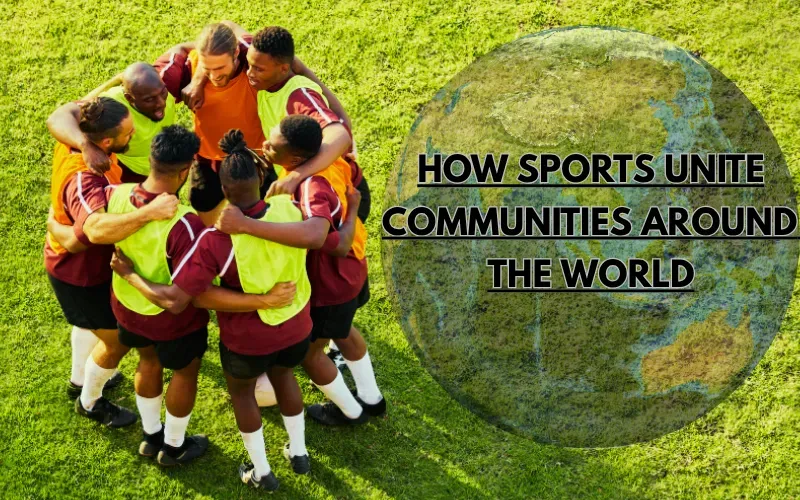
Sports unite communities in remarkable ways, acting as a catalyst for connection among diverse groups. Whether it’s a youth soccer match or an exhilarating basketball game, the joy and excitement of community sports transcend backgrounds and foster bonds among individuals. Through shared experiences—be it cheering on a local team or participating in an event—people build friendships and create lasting relationships that strengthen community ties. By ensuring inclusive participation and celebrating victories together, sports illuminate the many benefits of sports in crafting social cohesion. This dynamism not only enhances the emotional climate of a neighborhood but also nurtures collaboration, volunteerism, and a shared sense of pride.
The phenomenon of athletic engagement shapes communal identities and forges meaningful relationships. When people come together to support their favorite teams, alternative channels of connection are established beyond just competition. Through various organized activities—ranging from friendly games to large-scale sports events—individuals from different walks of life find common ground. The essence of team spirit and collaboration serves as a foundation for building resilient networks, enhancing community dynamism. Ultimately, the shared joy of sports cultivates a culture where everyone, regardless of age or skill, feels a part of something bigger, fostering the potential for stronger social ties.
The Role of Community Sports in Unity
Community sports serve as an essential ingredient for fostering unity among individuals of diverse backgrounds. By participating in local leagues, residents can forge connections that may not have been possible otherwise. Events such as town sports days and competitive tournaments encourage teamwork and collaboration, which are vital components of community cohesion. Moreover, these sports activities often attract mixed audiences, promoting inclusivity and shared experiences that transcend cultural differences.
As teams and fans engage in sporting events, they cultivate a sense of belonging and support that strengthens community ties. Community sports not only bring people together physically but also create emotional bonds that last well beyond the games. The result is an energized environment where friendships blossom, and community spirit thrives, highlighting the powerful role sports play in uniting communities.
Benefits of Sports in Enhancing Relationships
The benefits of sports extend far beyond physical fitness; they deeply enhance personal and social relationships. By participating in sports, individuals learn the dynamics of cooperation and competition, which prepares them for real-life interactions. For example, teammates must communicate effectively and trust one another to succeed, fostering close relationships that often translate into lifelong friendships. These interactions build a network of support that strengthens the community as a whole.
Additionally, the friendships built through sports are often enriched by shared struggles and victories. Celebrating wins or overcoming losses together creates a bond that solidifies relationships among participants. Such experiences encourage people to look beyond their differences, promoting understanding and mutual respect within the community.
This emotional connection is further accentuated in contexts where individuals of various ages and backgrounds come together to support a local team or event. These interactions cultivate empathy and friendship among those who may not typically intersect in daily life, showcasing how sports can be a viable platform for diversity and relationship-building.
Youth Sports Programs and Community Impact
Youth sports programs profoundly influence community development, providing children with opportunities to engage socially and physically. Through organized activities, children learn invaluable skills such as teamwork, discipline, and resilience. These programs not only build athletic capability but also encourage the development of friendships and networks among peers, which can lead to lasting community bonds.
Moreover, involvement in youth sports has been linked to higher levels of community engagement later in life. The connections established during these formative years often result in adults who continue to invest in their communities, whether through coaching, volunteering, or supporting local initiatives. Ultimately, youth sports programs lay the groundwork for stronger community relationships that endure through the years.
Creating Lasting Bonds Through Sports Events
Organized sports events serve as powerful avenues for creating lasting bonds within communities. These gatherings, whether they are local tournaments, charity runs, or sports festivals, allow individuals to come together with a common purpose. When people unite for a cause, it fosters an atmosphere of collaboration and support that reinforces community identity. The excitement and anticipation surrounding these events often lead to shared memories that bind individuals together.
Moreover, participation in these events supports local economies and businesses, as community members engage with one another in various capacities, from spectators to participants. This economic interdependence further strengthens community bonds, as people recognize the direct impact they can have on one another’s livelihoods, creating a cycle of mutual support and appreciation.
Sports as a Tool for Social Inclusion
Sports have the unique ability to serve as a tool for social inclusion, allowing people from diverse backgrounds to come together and engage in meaningful interactions. For many communities, the presence of inclusive sports leagues invites participation from individuals regardless of their abilities, age, or socioeconomic status. This inclusivity is vital for helping individuals who may feel marginalized or disconnected from mainstream social networks.
Furthermore, an inclusive sports environment promotes understanding and respect among participants, encouraging them to embrace diversity and appreciate differences. Athletes and volunteers experiencing sports together foster an enriching atmosphere where everyone feels welcomed and empowered, positioning sports as a crucial catalyst for building strong communities.
Strengthening Community Resilience Through Sports
Sports play a critical role in strengthening community resilience during challenging times. When disaster strikes or communities face economic hardship, local sports organizations often mobilize resources and support networks. Whether hosting fundraising events or collecting supplies, these initiatives highlight the sense of responsibility and unity fostered through sports. This collective action not only addresses immediate needs but also cultivates a deeper sense of community identity and strength.
Additionally, the shared experience of overcoming adversity through sports contributes to forging deeper connections among community members. Individuals who come together in times of need often emerge with a stronger bond, leading to a community that is better equipped to face future challenges together. As such, the capacity of sports to enhance resilience underscores their vital role in fostering a caring and proactive community.
The Emotional Impact of Sporting Success
Celebrating a local sporting team’s success can generate immense emotional connections within a community. The joy experienced during a championship run brings together individuals, creating a sense of shared accomplishment. When a team wins, it is not just the players who celebrate; the entire community participates in the jubilation, reinforcing bonds and promoting a feeling of collective pride.
These emotional highs associated with supporting a sports team can lead to strengthened relationships among community members. The conversations sparked by games, the shared rituals of support, and the camaraderie developed during celebratory gatherings are all instrumental in weaving individuals together into a cohesive social fabric. The emotional impact of sporting success reflects and reinforces the significance of sports in community dynamics.
Sports Festivals: Bridging Community Gaps
Sports festivals are more than just celebrations of athletic talent; they also serve as vital platforms for bridging gaps within communities. By inviting people to participate in various sporting activities, these events encourage interaction among individuals who might not typically meet. The diverse nature of attendees fosters dialogues across cultural and social divides, breaking down barriers and promoting communal harmony.
Moreover, sports festivals often provide opportunities for local businesses and organizations to showcase their contributions to the community. This visibility enhances relationships among community stakeholders, reinforcing the idea that local prosperity hinges on collaboration and support. Ultimately, sports festivals highlight the potential of athletic endeavors to bridge gaps and strengthen the communal spirit.
Harnessing the Power of Sports for Change
Harnessing the power of sports for social change has become increasingly vital in our society. Many organizations leverage the unifying potential of sports to address pressing social issues, from health awareness campaigns to advocacy for inclusivity. By engaging communities in sports-related initiatives, they cultivate a platform where awareness of challenges can be raised and solutions can be collectively explored.
Additionally, sports play a pivotal role in promoting active lifestyles and addressing health disparities. Community sports programs create pathways for individuals to prioritize physical fitness while simultaneously fostering social connections. This holistic approach not only encourages healthier living but also builds strong relationships within the community, emphasizing the transformative potential of sports as agents of change.
Frequently Asked Questions
How do sports unite communities and enhance community bonds?
Sports unite communities by providing a shared experience that fosters emotional connections. Through local leagues and events, individuals from diverse backgrounds come together to support their teams, enhancing community bonds and creating lasting relationships.
What are the benefits of sports in building social relationships within communities?
The benefits of sports include fostering friendships and support networks through shared passions and experiences. Events like local games and community sports programs encourage individuals to interact, collaborate, and strengthen their social ties.
Why are youth sports programs important for community development?
Youth sports programs are crucial for community development as they teach children essential skills such as teamwork, discipline, and responsibility. These early experiences help shape their relationships and community connections throughout life.
In what ways do sports foster a sense of community identity?
Sports foster community identity by symbolizing local pride. Events like high school games or community marathons draw together residents, creating shared experiences that cement community identity and encourage local engagement.
How do organized sports events contribute to community unity?
Organized sports events unite communities by bringing together individuals for a common purpose. These gatherings promote collaboration, support local talents, and enhance community relationships through shared goals and celebrations.
What role do community sports leagues play in inclusivity?
Community sports leagues promote inclusivity by providing opportunities for people of all ages, genders, and skill levels to participate. They ensure that everyone feels welcome and fosters a sense of belonging among diverse community members.
How can sports help overcome social isolation in communities?
Sports help overcome social isolation by encouraging interactions among individuals. Whether through little league games or professional team events, sports create environments where people can meet and form friendships based on shared involvement.
How do sports engage individuals during difficult times for communities?
During difficult times, sports can mobilize communities for support, often through fundraising events and outreach initiatives. Sports organizations rally together, reflecting resilience and a strong sense of community in the face of adversity.
What impact do local sports teams have on community pride and volunteerism?
Local sports teams instill pride within communities, motivating residents to rally around their teams. This sense of pride often translates into increased volunteerism as community members seek to support local initiatives and strengthen their hometowns.
How do sports contribute to fostering strong relationships among community members?
Sports contribute to strong relationships by providing a platform for shared experiences and interactions. By participating in community sports events and programs, individuals form bonds that extend beyond the sporting arena, enriching their lives and their community.
| Key Points | Explanation |
|---|---|
| Sports as a Universal Language | Sports help individuals connect, celebrating shared experiences that transcend barriers, particularly during global events like the FIFA World Cup. |
| Building Community Identity | Local sports teams enhance community pride, fostering strong bonds and encouraging unity during both victories and challenges. |
| Creating Social Connections | Sports provide opportunities for friendships to form, leading to support systems that benefit individuals beyond sports. |
| Inclusivity Through Sports | Sports leagues welcome diverse participants, teaching teamwork and perseverance, and promoting well-being. |
| Organized Events and Festivals | Annual sports events strengthen community ties and provide visibility for local businesses, enhancing collaboration. |
| Fostering Youth Development | Youth sports programs develop social skills and promote leadership through mentorship, preparing children for community engagement. |
| Overcoming Adversity Together | Sports unite communities during crises, with organizations facilitating support through fundraising and volunteer efforts. |
Summary
Sports unite communities in profound ways, serving as a catalyst for building relationships and fostering a sense of belonging. Through shared excitement during games, local team pride, inclusive participation, and organized events, sports play a crucial role in connecting individuals from diverse backgrounds. Moreover, they provide a platform for youth development and community resilience during hardships, reinforcing the importance of unity. As we continue to engage with sports, we recognize their ability to strengthen social ties, reminding us of the power of collaboration and support in our communities.

