
Listen to this article
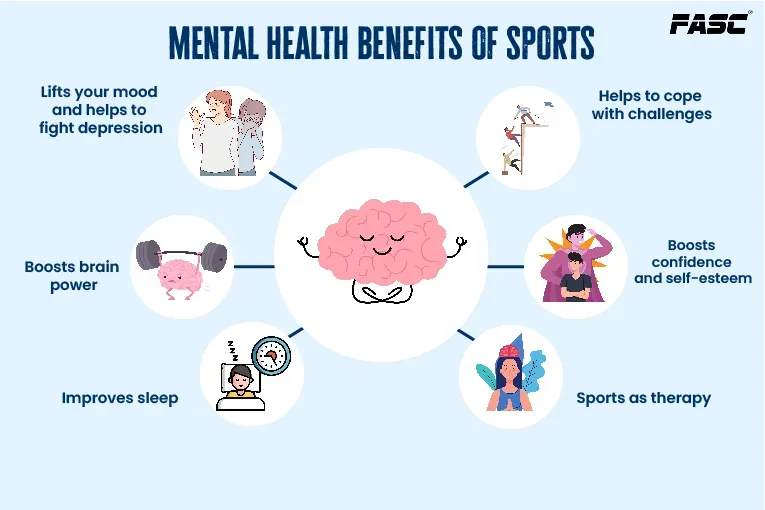
Engaging in sports improve mental health in remarkable ways that many people overlook. Regular physical activity has been linked to numerous mental health benefits, ranging from enhanced mood to increased resilience against stress and anxiety. The connection between exercise and mental health is profound, revealing that sports can be more than just a recreational activity; they are essential for well-being. By participating in sports, individuals not only develop physically but also cultivate important psychological tools that aid in mental wellness. This guide will explore how boosting mental health through exercise, particularly through sports, can lead to a happier and more fulfilled life.
Physical engagement in leisure activities can significantly affect one’s emotional state and overall psychological well-being. When we think of sports, we typically envision competition and physical prowess, but the true essence lies in their profound impact on mental health. Each game, workout, or practice session serves as a foundational block towards enhanced emotional stability and social connections. Furthermore, these forms of physical activity pave the way for improved mood and self-esteem, making them invaluable in personal development. Ultimately, understanding the broader aspects of sports and mental wellness can guide individuals towards healthier lifestyle choices.
Understanding the Mental Health Crisis
The mental health crisis is more prevalent than ever, with anxiety and depression affecting millions worldwide. Recognizing this crisis is crucial to understanding the importance of alternative therapies, such as sports. It’s estimated that one in four individuals will experience a mental health condition at some point in their life, illuminating the urgent need for effective solutions that extend beyond medication and traditional therapies.
This crisis is exacerbated by factors like social isolation, economic uncertainty, and the relentless pace of modern life. As digital interactions replace face-to-face communication, many individuals find themselves struggling with loneliness. However, engaging in sports not only provides physical activity but also fosters social connections that can help mitigate these negative experiences.
The Psychological Benefits of Engaging in Sports
Engaging in sports yields profound psychological benefits that extend to various aspects of life. An immediate and notable effect is the release of endorphins, hormones that alleviate stress and create feelings of euphoria. This increase in positivity contributes significantly to improved mood, making sports an appealing alternative for enhancing mental health. Regular participation in sports has been linked to lower levels of anxiety and depression due to these biochemical changes.
Furthermore, the physical activity associated with sports helps to reduce cortisol levels—the body’s primary stress hormone. This reduction not only enhances one’s emotional state but also builds mental clarity, allowing individuals to tackle personal and professional challenges more effectively. The psychological boost received from sports, therefore, supports overall well-being and encourages a more positive outlook on life.
Building Connections through Team Sports
One of the understated advantages of team sports is their ability to foster connections and build community. Being part of a team not only provides a sense of belonging but also reduces feelings of isolation, which are often linked to mental health struggles. The bonds formed through teamwork can lead to enduring friendships, creating a support network that is vital for emotional health.
Moreover, the collaboration and communication required in team sports encourage social skills and enhance emotional intelligence. These interactions help individuals navigate social environments more comfortably, thereby boosting self-esteem and reinforcing positive mental health outcomes. Participating in team sports illustrates that the journey to mental wellness can also be a shared experience.
Enhancing Self-Esteem through Sports
Participation in sports offers a unique opportunity to boost self-esteem and confidence. This effect stems mainly from achieving personal goals, whether it’s mastering a new skill or participating in competitions. Such accomplishments contribute significantly to an individual’s self-worth, fostering resilience and a positive self-image.
In sports, overcoming challenges and improving performance fosters a sense of achievement that transcends the field. This newfound confidence can spill over into everyday life, impacting personal relationships, professional opportunities, and overall life satisfaction. By providing milestones to strive for, sports serve as a powerful tool for enhancing mental well-being.
Mindfulness and Focus in Sports Activities
Sports require a level of concentration and mindfulness that can bring significant mental health benefits. Engaging in physical activity compels individuals to be present in the moment, providing a much-needed mental break from the concerns and anxieties of daily life. This state of mindfulness can help alleviate symptoms of anxiety and depression, allowing individuals to momentarily step away from their worries.
In addition to promoting mindfulness, sports can sharpen focus and improve cognitive function over time. The mental discipline gained from sports activities translates into better concentration in everyday tasks, enhancing productivity and overall mental clarity. Therefore, the benefits of focusing on sports extend beyond physical fitness to encompass cognitive and emotional health.
Sports as a Coping Mechanism
For many individuals facing mental health challenges, sports serve as a coping mechanism that provides both distraction and constructive engagement. During times of stress or emotional turmoil, participating in sports allows individuals to channel their energy into something positive and fulfilling. This therapeutic outlet can help mitigate feelings of despair and promote a proactive approach to mental wellness.
Establishing a physical activity routine creates a structure that is beneficial for mental health. Regular engagement in sports can instill discipline and a sense of accomplishment, which can counteract feelings of hopelessness often associated with mental health conditions. Thus, sports can serve as an essential tool for developing healthy coping strategies.
The Lasting Impacts of Sports on Mental Health
The long-term impacts of sports engagement on mental health are profound, fostering resilience and adaptability in individuals. The skills learned through competitive play can translate into real-life situations, enabling individuals to handle stress and adversity more effectively. By navigating the ups and downs inherent in sports, athletes develop coping mechanisms that serve them well outside the sporting arena.
Moreover, habitual physical activity reduces the likelihood of developing mental health issues. Research shows that consistent engagement in sports promotes neurochemical changes that enhance mood and overall mental well-being. The long-lasting benefits of physical fitness affirm the importance of incorporating sports into one’s lifestyle.
Choosing the Right Sport for Mental Health Improvement
Selecting the right sport is essential for maximizing mental health benefits. Individual preferences play a significant role in this choice. Team sports like soccer or basketball enhance social bonds, while individual pursuits such as running, swimming, or yoga can offer personal reflection and mindfulness, allowing individuals to engage more fully with their thoughts and feelings.
Outdoor activities such as hiking or cycling provide bonus benefits, as nature itself has been shown to improve moods. Thus, exploring various options is crucial for finding an ideal sport that resonates personally and contributes positively to one’s mental health journey.
Incorporating Sports into Your Daily Routine
Introducing sports into your daily routine can be a game-changer for mental health. Starting small with light exercises or short sporting sessions can help ease anxiety about beginning a new activity. Establishing a consistent schedule encourages commitment and can help individuals feel more accomplished over time, reinforcing positive mental states.
Setting achievable goals is also vital for maintaining motivation. Whether it’s improving skills, joining a league, or simply committing to a workout schedule, having a purpose can enhance the mental health benefits derived from sports. The sense of achievement from these goals can further improve self-esteem and emotional resilience.
Taking Action for a Healthier Mind through Sports
Considering the clear mental health benefits, it’s time to take action by integrating sports into your routine. Start by finding activities that excite you and resonate with your personal interests. This could involve joining a local team, trying out a new sport, or setting fitness goals that challenge you. Encourage friends to join; after all, shared experiences can enhance motivation and enjoyment.
Ultimately, recognizing sports as an essential component of mental health holistically addresses the challenges many face today. Prioritizing physical activity as part of self-care can lead to a healthier, happier life, underscoring the vital connection between sports and improved mental well-being.
Frequently Asked Questions
How do sports improve mental health?
Participating in sports enhances mental health through the release of endorphins, reduced stress levels, and increased social interactions, which all contribute to improved mood and well-being.
What are the mental health benefits of sports?
The mental health benefits of sports include the alleviation of anxiety and depression, improved self-esteem through skill mastery, and enhanced social connections that combat feelings of loneliness.
Can exercise and mental health go hand in hand?
Absolutely, exercise and mental health complement each other. Regular physical activity is known to boost mood, lower stress hormones, and provide therapeutic outlets for coping with life’s challenges.
How does sports and well-being relate to reducing anxiety?
Sports and well-being are closely linked as engaging in physical activities helps to lower anxiety levels by promoting mindfulness, enhancing mood, and creating social bonds that provide support.
What is the role of physical activity in mood improvement?
Physical activity plays a crucial role in mood improvement by increasing endorphin levels, which enhance feelings of happiness and reduce symptoms of anxiety and depression.
How does boosting mental health through exercise work?
Boosting mental health through exercise works by facilitating chemical changes in the brain that uplift mood, promote resilience, and provide coping mechanisms for stress and anxiety.
What types of sports are best for improving mental health?
Team sports, individual sports, and outdoor activities are all excellent for improving mental health, as they foster social connections and allow for personal achievements that boost self-esteem.
Is there a long-term impact of sports on mental health?
Yes, long-term engagement in sports can lead to lasting benefits such as resilience, better coping mechanisms, and a reduced likelihood of developing mental health issues.
Why is routine in sports important for mental health?
Routine in sports is important for mental health as it provides structure and stability, which can nurture a positive mindset and help mitigate the symptoms of mental illness.
How can one start incorporating sports to improve mental health?
To incorporate sports into your routine for better mental health, start small with light activities, set achievable goals, and seek community support by joining clubs or groups.
| Key Benefit | Description |
|---|---|
| Release of Endorphins | Engaging in sports leads to the release of endorphins, boosting mood and reducing anxiety and depression. |
| Reduction of Stress | Physical activity helps lower stress hormones like cortisol, leading to better mental clarity and mood. |
| Social Connections | Sports promote teamwork and social interaction, combating feelings of loneliness and isolation. |
| Improved Self-Esteem | Achieving goals in sports enhances self-worth and leads to a more positive outlook on life. |
| Mindfulness and Focus | Sports activities require concentration, helping individuals to focus on the present and reduce anxiety. |
| Routine and Structure | Regular participation in sports provides stability and structure, nurturing a positive mindset. |
| Resilience and Coping Skills | The discipline learned in sports helps individuals manage adversity in daily life effectively. |
| Prevention of Mental Health Issues | Regular sports participation lowers the likelihood of developing mental health problems. |
Summary
Sports improve mental health by offering numerous benefits that enhance overall well-being. Engaging in sports not only leads to the production of endorphins—those feel-good hormones—but also significantly reduces stress. As individuals become part of a team or community through sports, they foster social connections that combat feelings of isolation. Additionally, achieving personal goals in sports can lead to improved self-esteem and confidence. Regular engagement in physical activity promotes mindfulness, giving individuals a break from racing thoughts. Over time, these benefits contribute to resilience and better coping mechanisms, further establishing sports as an effective strategy for preventing mental health issues. Altogether, incorporating sports into everyday life can be a transformative step towards mental wellness.

