
Listen to this article
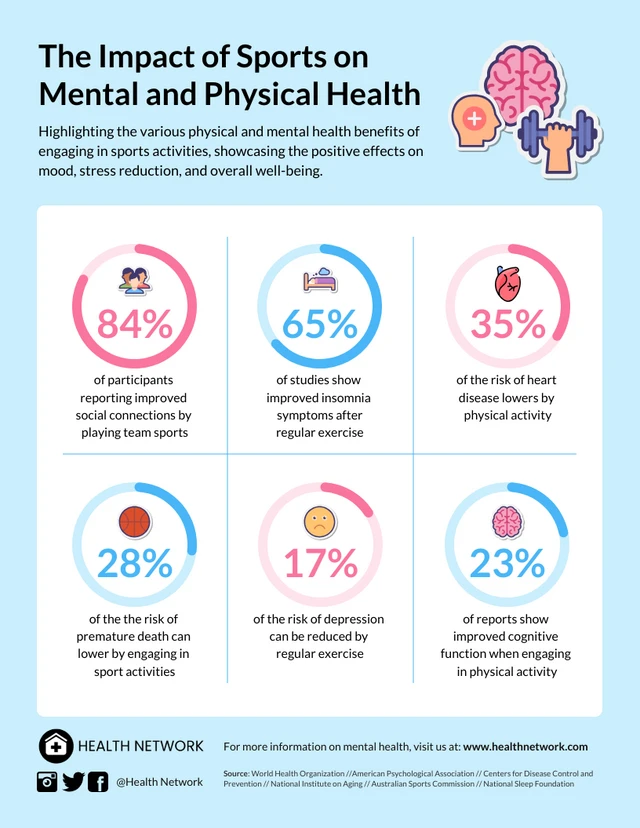
The influence of sports on mental health is profound and multifaceted, offering numerous psychological benefits that extend beyond the playing field. Regular participation in sports not only promotes physical fitness but also serves as a powerful catalyst for improving one’s mental well-being. Engaging in physical activity is closely linked with reducing symptoms of anxiety and depression while enhancing self-esteem. Moreover, the social interactions fostered through team sports create a sense of community, further supporting mental health and exercise. This article explores the myriad ways that sports impact mental health, presenting insights into the benefits of playing sports, showcasing how athletic pursuits contribute to mental wellness.
Exploring the relationship between athletic pursuits and emotional well-being reveals a dynamic interplay between physical activity and psychological resilience. Various forms of exercise, like team games or individual workouts, can significantly enhance one’s overall mental wellness. Activities in sports promote not only fitness but also essential emotional and cognitive benefits for participants. Understanding how engaging in sports for mental wellness can alter mood and improve self-perception is crucial, and highlights the significance of physical activity and mental health. As we delve into this topic, we’ll discover how sports serve as an essential pillar in fostering mental health and emotional stability.
The Physical Activity and Mental Health Connection
The relationship between physical activity and mental health is substantiated by a growing body of research, highlighting the profound effects that exercise can have on our overall well-being. Engaging in regular physical activity, including sports, facilitates the release of neurotransmitters that play a crucial role in regulating mood and reducing stress. Individuals who partake in sports often report feeling more energized and less anxious, as the act of exercising can significantly mitigate symptoms of anxiety and depression.
Moreover, the physiological changes triggered by sports—such as increased endorphin levels—contribute to a more positive mental state. The act of engaging in sports also encourages individuals to adopt healthier lifestyles, where physical well-being is often closely tied to mental wellness. Therefore, when we engage in physical activities, we not only improve our cardiovascular health but also enhance our mental fortitude.
The Psychological Benefits of Sports Participation
The psychological benefits of playing sports go beyond mere enjoyment; they include stress relief, enhanced social connections, and improved emotional health. Sports serve as a constructive distraction during tough times, allowing individuals to focus their energy and attention on physical activity rather than the stressors of daily life. This shift in focus can lead to a notable reduction in stress and anxiety, contributing to a healthier mental state.
Furthermore, sports foster an environment of camaraderie and teamwork, which can significantly enhance one’s sense of belonging and community. This social aspect of sports is crucial in combating feelings of loneliness and isolation, which are prevalent in individuals experiencing mental health challenges. Engaging in team sports cultivates relationships that promote well-being and allow for shared experiences, further enhancing the psychological benefits.
Building Self-Esteem Through Sports
Participation in sports offers a unique pathway to boosting self-esteem and confidence. As individuals set and achieve personal goals—be it improving their skills, winning games, or simply completing a challenging workout—they experience a sense of accomplishment that transcends the sports field. This boosted self-esteem often spills over into other areas of life, encouraging individuals to pursue further personal and professional achievements.
The positive reinforcement that comes from overcoming challenges in sports can lead to a more optimistic view of oneself. As athletes gauge their progress and celebrate their victories, no matter how small, they fortify their belief in their capabilities. This renewed self-belief can transform an individual’s outlook on life, allowing for greater resilience in the face of other challenges.
Mind-Body Connection in Sports
Mind-body sports like yoga, martial arts, and tai chi bring a unique dimension to the relationship between physical activity and mental health. These practices emphasize mindfulness and body awareness, which can significantly reduce stress levels and promote emotional wellness. By honing concentration and fostering relaxation through movement and breathing techniques, participants often report a greater sense of clarity and peace.
Engaging in mind-body sports also encourages individuals to cultivate a deeper understanding of their mental state through physical expression. This therapeutic connection can lead to improved coping strategies in daily life, as participants learn to manage stress and develop a centered approach to challenges outside of their sports practice.
The Role of Routine in Mental Health
Participating in sports introduces structure and routine, which are vital components of maintaining mental health. Regularly scheduled practices or games create a predictable environment that can help individuals feel grounded, reduce chaos in their lives, and enhance feelings of stability. This predictability in routine can be particularly beneficial for those struggling with anxiety, as it establishes a reliable framework in which they can function.
Additionally, routine instills a sense of purpose, as individuals anticipate their next practice or game. This anticipation can reduce feelings of aimlessness and foster motivation, allowing athletes to look forward to their commitments and engage more fully in their personal lives.
Combatting Barriers to Sports Participation
Despite the evident benefits of sports, many individuals face barriers that prevent them from engaging. Time constraints, fear of competition, and past injuries can create significant hurdles. It’s essential to recognize that even small amounts of physical activity can yield meaningful mental health benefits, alleviating guilt associated with not engaging as much as others.
Encouraging a supportive environment that celebrates effort and personal growth, rather than competition, can help to dismantle these barriers. Communities that promote inclusivity and welcome participants of all skill levels can effectively motivate individuals to join and remain engaged in sports activities.
Incorporating Sports into Daily Life
To reap the myriad of mental health benefits derived from sports, individuals need to find ways to integrate physical activity into their daily routines. Starting small, such as taking regular walks or engaging in recreational sports, can make the process less daunting for beginners. Establishing a consistent routine means making physical activity a priority, which can lead to enduring improvements in mental well-being.
Joining community groups or sports clubs can also provide the motivation needed to stay active. Participating in sports with others not only offers accountability but also enhances the joy of exercising through social interaction. Exploring various sports can keep the routine dynamic and exciting, thus fostering continued engagement and enjoyment.
The Importance of Setting Realistic Goals
Setting achievable goals is integral to fostering a positive relationship with sports and exercise. Individuals should aim for specific, manageable objectives that encourage progress without overwhelming them. Reaching these incremental milestones fosters a sense of accomplishment that can boost morale and enhance motivation to engage in sports regularly.
Celebrating victories, regardless of their size, reinforces a positive mindset and encourages individuals to continue pursuing personal development both in sports and other life aspects. This practice underscores the psychological benefits inherent in goal-setting and achievement, contributing significantly to mental health improvement.
Embracing the Mental Health Benefits of Sports
In conclusion, embracing sports and physical activity can serve as a vital component of maintaining and enhancing mental health. The psychological benefits associated with engaging in sports, including improved self-esteem, reduced stress, and stronger community ties, are essential for fostering emotional resilience in today’s challenging world.
As individuals participate in sports, they build not only physical strength but also psychological fortitude. By acknowledging the importance of sports for mental health and committing to regular involvement, everyone can cultivate a healthier, more balanced lifestyle and improve their overall well-being.
Frequently Asked Questions
How do sports impact mental health positively?
Engaging in sports positively impacts mental health by releasing endorphins, reducing stress, improving mood, and enhancing cognitive functions. The physical activity associated with sports also offers social connections and boosts self-esteem, all contributing to better overall psychological well-being.
What are the psychological benefits of sports participation?
The psychological benefits of sports participation include improved mood, reduced anxiety and depression, increased self-esteem, and enhanced social interactions. Playing sports also fosters a sense of accomplishment and structure, which are vital for mental wellness.
Can physical activity and mental health be linked?
Yes, physical activity and mental health are closely linked. Regular sports participation reduces symptoms of anxiety and depression while promoting feelings of happiness and relaxation, making it an effective method for improving mental wellness.
What types of sports are best for mental wellness?
Team sports like basketball and soccer enhance social interactions, while individual sports such as running and swimming offer personal reflection. Mind-body sports like yoga and tai chi promote mindfulness, all contributing effectively to mental wellness.
How does playing sports improve self-esteem?
Playing sports improves self-esteem through the achievement of personal goals and mastery of skills. Success in sports fosters confidence, which translates to other areas of life, further enhancing self-worth and mental health.
How does social interaction in sports help mental health?
Social interaction in sports helps mental health by fostering community and reducing feelings of loneliness. Teamwork and camaraderie encourage supportive relationships, which can alleviate symptoms of anxiety and depression.
What role does routine play in sports and mental health?
Routine plays a crucial role in sports and mental health by providing structure and stability in a person’s life. Regular participation in sports can help individuals feel more organized and in control, positively affecting their psychological well-being.
How can individuals overcome barriers to participating in sports?
Individuals can overcome barriers to sports participation by starting small, finding supportive communities, and focusing on gradual reintroduction after injuries. Setting realistic goals can also enhance motivation and commitment.
What are the benefits of playing sports for mental health in children?
Playing sports benefits children’s mental health by enhancing social skills, promoting teamwork, reducing anxiety, and boosting self-esteem. Engaging in sports can also lead to better academic performance due to improved focus and cognitive function.
Why is mindfulness in sports important for mental health?
Mindfulness in sports, as seen in activities like yoga and martial arts, is important for mental health as it emphasizes relaxation, stress reduction, and emotional well-being. Incorporating mindfulness practices into sports enhances overall psychological resilience.
| Key Points | Details |
|---|---|
| Endorphin Release | Playing sports leads to the release of endorphins, improving mood and reducing stress and anxiety. |
| Stress Reduction | Sports serve as a distraction from daily stressors, promoting relaxation and mental clarity. |
| Social Interaction | Team sports foster social connections, diminishing feelings of loneliness and enhancing well-being. |
| Boosted Self-Esteem | Achieving goals in sports boosts confidence and encourages pursuit of achievements beyond sports. |
| Enhanced Cognitive Function | Participation in sports improves concentration and decision-making, benefiting mental health. |
| Routine and Structure | Regular sports participation introduces structure, enhancing feelings of stability and control. |
| Team Sports Benefits | Facilitates teamwork and socialization, enhancing interpersonal skills and friendships. |
| Individual Sports Benefits | Promotes independence and self-mastery through reflection and solitary achievements. |
| Mind-Body Sports Benefits | Yoga and martial arts enhance emotional well-being through mindfulness and meditation. |
| Overcoming Participation Barriers | Addressing time constraints, intimidation, and injury can encourage sports engagement. |
Summary
Sports impact mental health significantly, as engaging in physical activities not only boosts physical fitness but also enhances psychological well-being. The numerous benefits of playing sports include the release of endorphins, stress reduction, and improved self-esteem, all of which contribute to better mental health outcomes. Incorporating sports into our daily lives creates a healthier routine, promotes social interactions, and ultimately supports emotional resilience. As we recognize the pivotal role of sports in fostering mental wellness, individuals of all fitness levels should embrace these activities to reap their psychological benefits.

