
Listen to this article
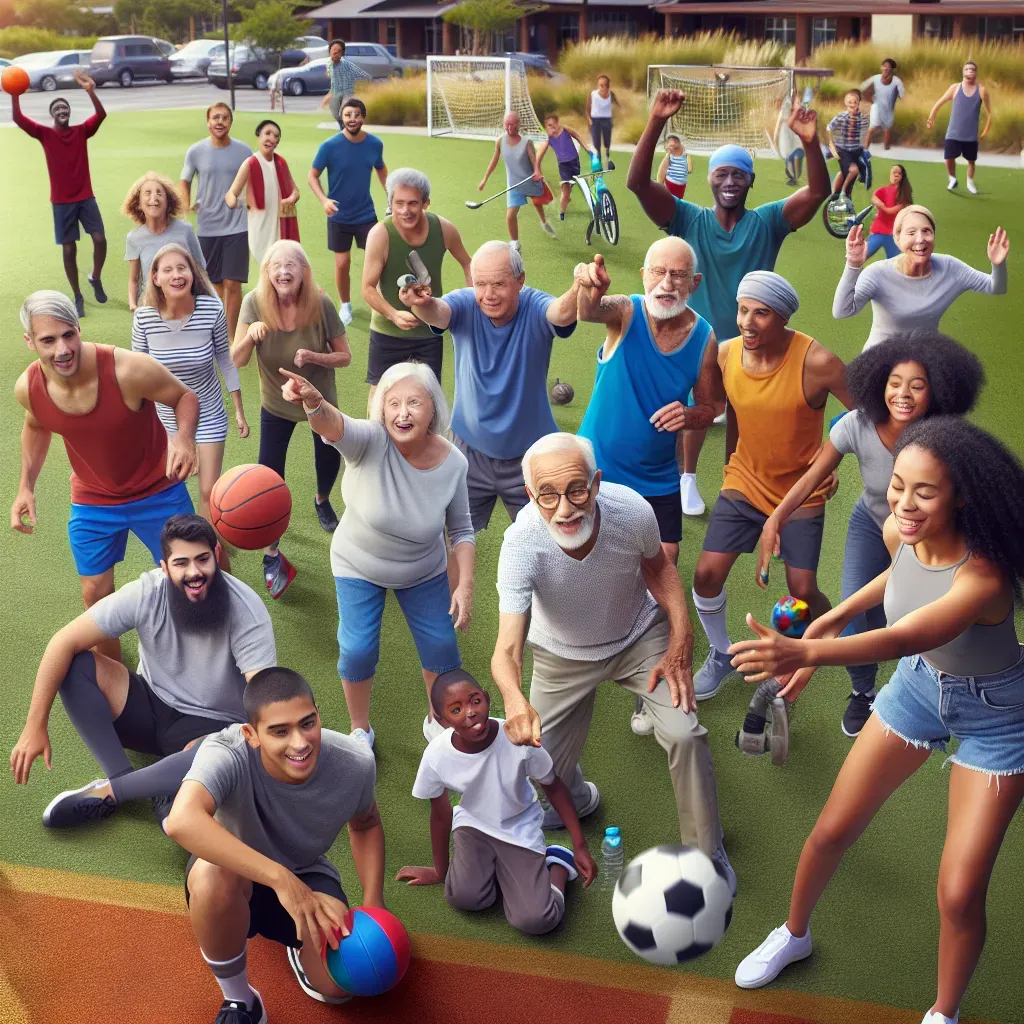
Sports and community are intrinsically linked, acting as powerful catalysts for social change and unity across the globe. From local sports teams rallying fans to international sporting events that attract thousands, the impact of sports on community engagement is undeniable. Whether it’s grassroots sports initiatives that bring young people together or events celebrating diversity in sports, each plays a pivotal role in fostering connections among individuals. Join us as we delve into remarkable stories illustrating how sporting activities enhance community bonds and promote cultural exchange. The beauty of sports transcends competition, celebrating the spirit of collaboration, and inspiring unity through sports.
The intersection of athletics and local camaraderie highlights the significance of physical activities in shaping social landscapes. Through engaging in various games and events, communities cultivate shared experiences that strengthen relationships among their members. This phenomenon is evident in both grassroots activities and large-scale competitions, where individuals come together for a common purpose, creating lasting friendships. As we explore different narratives of community involvement through sports, we uncover the profound ability of these experiences to bridge cultural divides and celebrate inclusivity. Ultimately, the realms of athleticism and community spirit blend seamlessly, furthering the ideal of unity through sports.
The Importance of Local Sports Teams in Community Building
Local sports teams play a pivotal role in fostering community spirit and engagement. They serve as a central hub where individuals from different walks of life can come together with a shared passion. For instance, community events hosted by local teams often include family activities, fostering connections among residents while promoting local pride. The atmosphere during matches is electric, as neighbors cheer for their team, creating a sense of belonging that transcends social barriers.
Moreover, local sports enable participants to develop friendships and a sense of identity. In many communities, teams become synonymous with local heritage, as seen with clubs that have rich histories and loyal followings. They not only create opportunities for athletic competition but also work on addressing local issues, such as youth development and community engagement. Players often participate in outreach events, enhancing the team’s impact beyond the field.
How International Sporting Events Spark Community Engagement
International sporting events serve as powerful platforms for community engagement, bringing together diverse groups in celebration of shared passions. Events like the FIFA World Cup or the Olympics not only attract international attention but also inspire local pride among residents. Cities often transform during these events, fostering a sense of unity where citizens gather to support their national teams, bridging cultural divides through the excitement of competition.
The community uplift during major events can be profound, as seen in South Africa during the 2010 FIFA World Cup. The tournament became a symbol of national unity, drawing individuals together to celebrate their heritage while respecting differences. Engaging activities, such as music and art festivals, were organized alongside matches, allowing communities to forge new connections while showcasing their cultural diversity. This synergy aligns beautifully with the ideals of inclusion and collaboration, demonstrating the transformative power of sports.
Grassroots Sports Initiatives: Building Communities From the Ground Up
Grassroots sports initiatives are essential for linking communities, especially in underprivileged areas. These programs promote physical fitness and teamwork while providing a supportive environment for youth to thrive. Organizations dedicated to youth development through sports, like “Sport for Peace,” emphasize the importance of sports as a tool for social change in conflict zones, using athletic activities to instill values of cooperation and understanding.
In war-torn regions, local teams are instrumental in uniting youths from various backgrounds, allowing them to interact and build friendships. By funneling energy into collaborative sports, these initiatives not only foster athletic skills but also offer vital life lessons in resilience, empathy, and respect. The stories of transformations from rival communities to unified teams underscore the profound impact that sports can have in breaking down barriers and fostering harmony.
Celebrating Diversity in Sports: A Unifying Experience
Sports inherently promote diversity by assembling teams with members from various backgrounds. Events like the Gay Games uniquely showcase the celebration of inclusion and acceptance, reinforcing the idea that sports should be a platform for everyone regardless of identity. Participants not only compete but also share stories that resonate with the themes of unity and respect, paving the way for dialogue around acceptance and equality.
Additionally, multicultural events such as the Asian Games highlight national diversity while promoting community spirit. Nations come together under the banner of sportsmanship, where athletes and fans alike celebrate their cultural identities. This collective experience helps dissolve prejudices and encourages mutual respect among diverse populations. As communities unite to cheer for their countries, they simultaneously foster connections that can last a lifetime.
The Role of Community Engagement in Sports
Community engagement is vital for the success of sports programs at all levels. It encompasses participation from local residents, businesses, and organizations that come together to support their teams and facilities. Events organized around local sports, such as charity matches or community tournaments, encourage individuals to volunteer and contribute to the overall sporting culture, creating a deeper bond between the sport and the community.
Moreover, when communities engage in supporting local athletes or initiatives, they foster an environment of mutual encouragement and shared aspirations. This involvement not only boosts local morale but also creates grassroots movements that advocate for inclusivity in sports. By prioritizing community engagement, we can cultivate spaces where unity through sports flourishes, allowing everyone to be part of a harmonious sporting culture.
The Significance of Unity Through Sports
Unity through sports goes beyond the simple notion of competitive spirit; it encapsulates the essence of teamwork and shared experiences. Through countless examples, sports have proven to be a vehicle for bringing together people from differing backgrounds, often leading to lifelong friendships and collaborative efforts that extend beyond the game. This bond is crucial in communities, where sports are often used as a catalyst for social initiatives.
Moreover, sporting events allow individuals to set aside their differences and focus on common goals. The shared joy in victories or the collective disappointment in losses creates a deep-rooted connection among participants. This unity is where sports truly shine, as they provide opportunities to foster understanding and cooperation—even in divided communities. Through team sports, individuals learn valuable lessons in collaboration, respect, and tolerance.
Local Sports as a Catalyst for Growth and Development
Local sports play a crucial role in community growth and development by providing pathways for individuals to enhance their skills while promoting physical health and social well-being. By participating in local teams, individuals can improve not only their athletic abilities but also key life skills such as discipline, leadership, and teamwork. Youth programs particularly focus on holistic development, as they emphasize positive life choices and community interaction.
As local sports initiatives thrive, they contribute to the overall development of neighborhoods. Improved facilities and increased participation attract sponsorships, which can further elevate community sports programs. The cascading benefits of investing in local sports go beyond mere competition, fostering economic growth, social responsibility, and a greater collective identity among residents.
Creating Lasting Connections Through Sports
One of the most significant benefits of sports is the lasting connections it helps foster within communities. Participation in sports creates a fertile ground for relationships to develop, whether among teammates or fans supporting the local team. Athletic events function as social gatherings where individuals connect, share experiences, and build memory-filled relationships that often extend beyond the field.
Additionally, the shared identity that arises from rooting for local teams can enhance community pride. The stories of triumph and defeat in sports often resonate emotionally, reinforcing the bonds among individuals. These connections can be especially powerful in diverse communities, where individuals may come together to celebrate or mourn as a collective, further solidifying the fabric of community life and encouraging inclusivity.
Harnessing Sports for Social Change
Sports have the remarkable ability to drive social change by raising awareness of crucial societal issues. Initiatives that intertwine sports with advocacy, such as campaigns for health, inclusion, and equality, not only engage participants but also the broader community. Athletes often become role models, addressing topics important to the communities they represent and using their platforms to inspire change.
Through organized sports events that focus on social themes, communities can unite around common causes, illustrating how sporting activities can instigate dialogue and action. When fans and participants rally for a cause during a game, it sends a powerful message about community solidarity and the role of sports as a force for good. This engagement demonstrates that when communities come together for a shared purpose, they can create meaningful change that transcends the realm of sports.
Frequently Asked Questions
How do local sports teams foster community engagement?
Local sports teams play a vital role in community engagement by bringing together people from different backgrounds to support a common cause. Events organized by these teams, like matches and community festivals, encourage social interaction, strengthen bonds, and instill a sense of pride in the community.
What are some examples of grassroots sports initiatives that promote unity?
Grassroots sports initiatives such as neighborhood leagues or youth soccer programs foster unity by encouraging participation across diverse demographics. Organizations like ‘Sport for Peace’ utilize sports to engage youth from various backgrounds, teaching teamwork and communication that bridge cultural divides.
How do international sporting events promote community spirit?
International sporting events like the FIFA World Cup or the Olympics bring communities together by creating shared experiences. Public viewing areas and celebrations encourage unity, as people rally around their national teams, fostering a sense of belonging and collective pride.
In what ways do sports celebrate diversity within communities?
Sports provide a platform to celebrate diversity through inclusive events such as the Gay Games, which promote acceptance and dialogue. Multicultural sporting events highlight various traditions, encouraging mutual respect and helping communities appreciate different cultures.
What impact do local sports events have on youth involvement in communities?
Local sports events engage youth by offering opportunities to participate in team activities, which build camaraderie and leadership skills. These engagements often steer them away from negative influences while fostering a sense of achievement and community pride.
How can community engagement through sports lead to positive social change?
Community engagement through sports can lead to positive social change by breaking down barriers of discrimination and fostering collaboration among diverse groups. Programs focusing on inclusion and empowerment can shift cultural perceptions and cultivate a more cohesive society.
What role do sports play in promoting peace in conflict-affected areas?
Sports can promote peace in conflict-affected areas by offering a neutral ground for individuals from opposing backgrounds to interact. Initiatives like community soccer leagues help to rebuild trust and friendships, paving the way for dialogue and reconciliation.
How do international sporting events raise awareness for local communities?
International sporting events raise awareness for local communities by showcasing their culture and challenges on a global stage. Local businesses often benefit from increased tourism and exposure, allowing them to share their stories and traditions with a wider audience.
Why is diversity in sports important for community identity?
Diversity in sports is crucial for community identity as it reflects the unique backgrounds and stories of its members. Inclusive sporting environments allow individuals to feel represented and valued, which enhances community pride and fosters a collective identity.
How does participation in sports help build connections within a community?
Participation in sports helps build connections within a community by encouraging teamwork and interactions among residents. As individuals come together for practices, matches, or events, they form friendships and networks that strengthen community ties.
| Key Point | Description |
|---|---|
| The Power of Local Sports Teams | Local teams create community pride and facilitate connections among diverse populations, as seen with the Wigan Warriors in England and street soccer in Brazil. |
| International Events as Community Catalysts | Major sporting events like the FIFA World Cup and the Rio 2016 Olympics unite communities, fostering national pride and bringing diverse cultures together. |
| Grassroots Initiatives | Programs in conflict or impoverished areas, like ‘Sport for Peace’, use sports to teach life skills and bridge cultural divides among youth. |
| Celebrating Diversity | Events like the Gay Games promote inclusion and social change, while multicultural events enhance community spirit through shared sportsmanship. |
Summary
Sports and Community are intrinsically connected, functioning as a powerful force for unity and inclusion. Across the world, sports foster connections among individuals from varied backgrounds, emphasizing shared experiences over differences. Whether through local teams that build community pride, international competitions that transcend borders, or grassroots initiatives that bridge divides, sports provide platforms for dialogue, cooperation, and mutual respect. The impact of sports on community cohesion demonstrates their essential role in shaping social identities, promoting peace, and cultivating a spirit of camaraderie. As we engage with sports, we contribute to a legacy of shared triumphs and understanding, reinforcing the idea that our differences are not barriers, but rather elements that enrich our communities.

