
Listen to this article
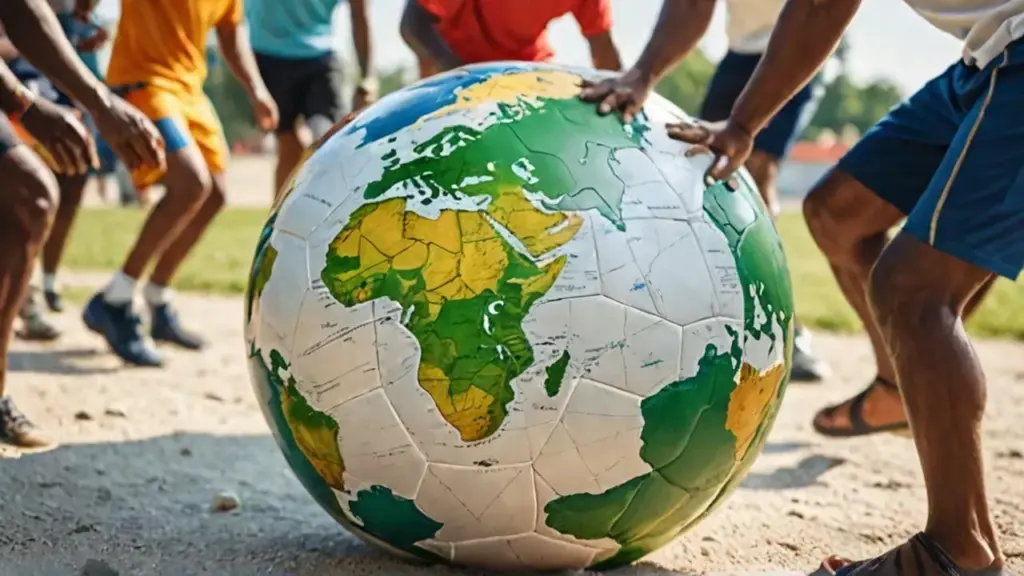
How sport unites nations is evident through its remarkable ability to transcend borders and bring diverse cultures together. Major international competitions, such as the Olympics and FIFA World Cup, create a unique platform for uniting through sports, where nations engage in friendly rivalries while celebrating their cultural identities. These global sporting events become stages for cultural exchange in sports, showcasing not only athletic talent but also the values and traditions of participating countries. Moreover, they foster a spirit of camaraderie and mutual respect, demonstrating that despite differences, we can come together as a global community unified by a shared passion. Sporting events often serve as powerful catalysts for peace, reminding us that unity through sports has the potential to bridge divides and create lasting bonds among nations.
The incredible phenomenon of sports as a unifying force can be observed in the impact of global athletic events on international relations and cultural interactions. These gatherings allow nations to showcase their pride and heritage, while simultaneously fostering dialogue and understanding among diverse populations. Throughout history, we have seen how competitive events, such as the Olympics or the Football World Cup, have not only celebrated athletic prowess but also acted as a medium for countries to bond over shared interests and aspirations. Ultimately, the essence of international athletics lies in its ability to create a sense of belonging and connection, turning competitors into allies and fans into friends. By highlighting both cultural exchange and the joy of competition, the realm of sports continues to break down barriers and promote peace across the globe.
The Transformation of Sports into Global Events
In an era where globalization is becoming the norm, sports have evolved from local competitions into grand international spectacles that capture the imagination of billions. Major events such as the Olympics and the FIFA World Cup exemplify this transformation, bringing together athletes from diverse cultures to compete on the world stage. This convergence not only showcases athletic excellence but also highlights the shared values of perseverance, dedication, and passion that transcend geographical boundaries.
These global sporting events foster a sense of camaraderie and shared identity. When nations come together to compete, they create a common narrative that fans eagerly connect with. The electricity in the air during these competitions often leads to a collective celebration of human achievement, reinforcing that despite differences in nationality or culture, there is more that unites us than divides us.
Cultural Exchange Through Sporting Events
Cultural exchange in sports is a compelling phenomenon that highlights the power of athletic competition to bridge cultural divides. When countries participate in international events, they bring along their unique traditions and values, contributing to a rich tapestry of global culture. The opening and closing ceremonies of the Olympics, for example, are not just about athletics; they serve as a showcase of a nation’s heritage, allowing spectators to experience a blend of artistic expression and cultural pride.
Moreover, the interactions among fans and athletes from different backgrounds during these events facilitate greater understanding and appreciation of various cultures. From shared chants and songs to communal celebrations, international sporting events create a unique platform for cultural dialogue, allowing people to form connections and friendships that may last well beyond the competition itself.
Sports as a Medium for Promoting Peace
The role of sports in fostering peace is best illustrated during international competitions where nations set aside their differences for the love of the game. A poignant example is the 1995 Rugby World Cup in South Africa, where the sport became a tool for reconciliation in a post-apartheid society. With Nelson Mandela’s emblematic gesture of wearing the Springbok jersey, the event became more than a sporting competition; it was a celebration of unity and collective healing.
Furthermore, events such as the Peace Sports Initiative demonstrate how sports can be effectively used to address global conflicts and promote peace. By engaging young people in sports within war-torn regions, we can harness the spirit of competition to foster mutual understanding and friendship, thereby laying the groundwork for peaceful coexistence and collaborative efforts across borders.
The Economic Impact of Global Sporting Events
Hosting international competitions can significantly boost a country’s economy. The influx of tourists associated with major events results in increased revenue from hospitality, transportation, and local businesses, revitalizing the economy of the host nation. Beyond immediate economic benefits, long-term investments in infrastructure, sports facilities, and community programs can elevate the quality of life for local residents.
Additionally, sporting events create job opportunities, from construction and event management to hospitality and security, further catalyzing economic growth. By strategically leveraging sports, nations can not only promote their culture but also foster economic development that has a lasting positive impact.
The Power of Team Sports in Uniting Nations
Team sports, such as football and basketball, exemplify how collaboration towards a common goal can bring people together, regardless of background. Spectators often experience a deep-seated sense of belonging and community while cheering for their teams. This sense of allegiance extends beyond mere competition and encourages unity among diverse groups, demonstrating that cooperation is integral to success.
Moreover, the shared experiences of celebrating victories or lamenting defeats forge bonds among fans and athletes alike. In this way, team sports act as a vehicle for creating lasting relationships and a sense of collective identity, allowing people to find common ground even amidst political or social differences.
The Educational Role of Sports for Future Generations
Sports provide an invaluable educational platform for young people, teaching them essential life skills such as teamwork, discipline, and respect for others. Engaging youth in sports fosters not only athletic prowess but also personal growth, equipping them with the tools to navigate life’s challenges effectively. By promoting sports programs in schools and communities, we cultivate a generation that champions unity and cultural appreciation.
Additionally, sports offer opportunities for mentorship and personal development, where youth can learn the importance of fair play, empathy, and resilience. As they engage in team-based activities, they develop a sense of belonging that transcends cultural boundaries, reinforcing the idea that diversity should be celebrated rather than feared.
Challenges and Controversies in International Sports
While sports possess the remarkable ability to unite, they are not devoid of challenges. Events can sometimes become platforms for nationalism, protests, and geopolitical tensions, overshadowing the spirit of unity they are intended to promote. The boycotts of the 1980 Moscow Olympics serve as a historical reminder of how political issues can infiltrate the world of sports, illustrating the delicate balance between sport and politics.
Moreover, issues such as economic disparities and the ethical implications of hosting massive sporting events invite scrutiny. As debates about sustainability and equitable benefit-sharing continue, it becomes crucial to work towards solutions that ensure international competitions remain a celebration of diversity and an opportunity for goodwill.
The Role of Media in Shaping Perceptions of Sport
Media coverage plays an essential role in shaping public perceptions of sports and international competitions. Through extensive reporting, documentaries, and live broadcasts, the media can illuminate the stories behind athletes, cultural exchanges, and the camaraderie built through sports. This exposure helps to amplify the message of unity that sports represent, encouraging global audiences to engage with diverse cultures.
On the flip side, media narratives can sometimes focus on conflicts and controversies rather than the positive aspects of sports. It is vital for media outlets to highlight stories of cooperation and social impact, thereby reinforcing the notion that, while competitions can be contentious, they also provide opportunities for peace and understanding.
Looking Ahead: The Future of Sports and Global Unity
As we look towards the future, the role of sports in promoting global unity will likely grow even more significant as international tensions continue to challenge our societies. Emphasizing the importance of inclusivity in sports will be paramount to fostering connections among nations. By supporting grassroots initiatives that promote sports in underrepresented communities, we can ensure the benefits of participation reach a diverse range of individuals.
Moreover, the integration of technology and digital platforms in sports presents an opportunity to connect people worldwide. Through virtual competitions and online fan engagement, sports can transcend geographical boundaries reaching audiences that were previously inaccessible, reinforcing the unifying power of sports in new and innovative ways.
Frequently Asked Questions
How do international competitions help in uniting through sports?
International competitions, such as the Olympics and World Cups, create a platform where nations come together to celebrate athleticism and cultural diversity. These events foster mutual respect and understanding among participants and spectators, highlighting the common values shared across different cultures.
What role do global sporting events play in promoting peace among nations?
Global sporting events often serve as a neutral ground where countries can engage in friendly competition. These occasions promote peace by encouraging dialogue and cooperation, even among historically conflicting nations, and creating an atmosphere where unity can thrive.
How does cultural exchange in sports contribute to international unity?
Cultural exchange in sports enhances international unity by allowing countries to showcase their unique traditions and values during events. This shared exposure fosters admiration and respect, creating bonds between diverse groups and helping to breakdown stereotypes.
Can sports be a tool for reconciliation during international competitions?
Yes, sports can serve as a powerful tool for reconciliation. Moments such as the 1995 Rugby World Cup, where Nelson Mandela wore a Springbok jersey, exemplify how sports can transcend political divides and promote healing and hope among divided nations.
What examples highlight how sport unites nations during critical periods?
Historical examples like the ancient Olympic Games, where truces were established, and the Seoul Olympics in 1988, which showcased unity between North and South Korea, illustrate how sports can unite nations during critical periods of tension.
How do international sporting events foster economic benefits that promote unity?
International sporting events stimulate local economies through infrastructure investments and tourism. This economic benefit can uplift communities and promote social cohesion, ultimately fostering a sense of unity among residents and fans.
In what ways do global sporting events create social connections?
Global sporting events create social connections by bringing diverse groups together to support their teams, fostering shared joy and camaraderie. Such interactions often lead to friendships and cultural understanding beyond the scope of sports.
What challenges exist in the realm of sports as a unifying force?
Challenges include nationalism, political protests, and economic disparities that can arise during international competitions. These issues highlight that while sports can unite, they can also reflect and sometimes exacerbate existing tensions and conflicts.
How do youth engagement in sports contribute to fostering international unity?
Engaging youth in sports promotes teamwork, discipline, and respect for diversity, cultivating a generation that values unity. Programs that emphasize inclusivity in sports encourage young people to appreciate different cultures and promote peace from an early age.
Why is it important to view sports as a catalyst for global unity?
Viewing sports as a catalyst for global unity is important because it emphasizes the potential of international competitions to bring people together for a common cause, celebrating shared human experiences and fostering understanding across borders, ultimately making the world a more unified place.
| Key Points | Examples | Impact |
|---|---|---|
| International competitions promote unity among nations. | The Olympics, FIFA World Cup, Rugby World Cup. | Camaraderie and cultural exchange fostered. |
| Historical significance of sports as a unifying force. | Ancient Olympic Games, 1988 Seoul Olympics. | Nation building and reconciliation efforts. |
| Sports serve as a platform for global dialogue and peace. | 1995 Rugby World Cup in South Africa. | Reconciliation and hope for a shared future. |
| Economic and social benefits of hosting events. | Investment in infrastructure and tourism. | Improved quality of life and community upliftment. |
| Cultural significance in connecting diverse peoples. | Olympic ceremonies showcasing cultural heritage. | Fosters admiration and mutual respect among nations. |
| Challenges including nationalism and political tensions. | 1980 Moscow Olympics boycotts due to geopolitical issues. | Raises ethical concerns about fairness and sustainability. |
| Future potential for sports as a unifying force. | Youth engagement in sports initiatives. | Cultivating values of teamwork and respect among the next generation. |
Summary
How sport unites nations is evident throughout history and continues to be a powerful unifying force today. From ancient festivals celebrating athletic prowess to modern international competitions such as the Olympics and World Cups, sports have the unique ability to bridge divides. They not only provide a platform for competition but also foster shared cultural experiences and mutual understanding. Sporting events encourage nations to come together, showcasing their identities while learning to appreciate the diversity among them. While challenges such as political tensions and nationalism exist, the overarching narrative remains that sports, through collective participation and celebration, promote harmony and global solidarity. As we look towards the future, it is essential to nurture this potential and ensure that sports serve as a true catalyst for unity.

