
Listen to this article
Sport unites communities in remarkable ways, acting as a bridge that connects individuals from various backgrounds and cultures. This phrase highlights a fundamental truth: through organized events and grassroots sports initiatives, people come together to share experiences, foster friendships, and create a sense of belonging. Community building through sports not only nurtures personal relationships but also promotes social cohesion and understanding. By engaging in inclusive sports programs, communities reap the benefits of enhanced youth participation and engagement, while simultaneously addressing social disparities. As we explore this topic further, we’ll uncover how the values of sports diplomacy and local sports endeavors play a pivotal role in creating stronger, more united communities.
In today’s interconnected world, athletics serve as a vital tool for fostering solidarity among diverse populations. The concept of community engagement through sporting activities encompasses a wide range of initiatives, from informal neighborhood games to formal competitions that elevate local pride. These grassroots movements not only bolster teamwork and friendship but also allow for inclusive participation among individuals regardless of their background or circumstances. Furthermore, the importance of youth involvement in sports cannot be overstated, as it instills values of discipline and resilience that benefit entire communities. Throughout this discussion, we will delve into how various sports-related activities cultivate a sense of belonging and contribute to the collective well-being of neighborhoods and societies.
The Impact of Sports on Community Bonds
Sports have a profound ability to foster connections and strengthen relationships within communities. When individuals come together to cheer for their local teams or participate in recreational matches, they create shared experiences that enhance social cohesion. This collective engagement not only builds friendships but also establishes a network of support among residents. Local sports events cultivate an environment where people of various backgrounds can interact, ensuring that community bonds are forged in the spirit of teamwork and healthy competition.
Moreover, the communal nature of sporting events encourages inclusivity. Events like community tournaments and charity matches allow individuals to engage beyond their everyday social circles. As citizens collaborate for a common cause, whether it’s a friendly match or a charity run, they gain a sense of belonging and responsibility towards one another. Such interactions ultimately contribute to a more vibrant and resilient community, where individuals are more inclined to support and uplift each other.
Sport Unites Communities: An Example from Everyday Life
The phrase ‘sport unites communities’ resonates throughout various platforms, emphasizing its ability to bond individuals. Take, for instance, neighborhood soccer leagues; they not only offer a pathway for youth engagement in sports but also create a space for families to gather, support their local teams, and build lasting relationships. Through these shared experiences, community members develop a sense of pride and ownership that further solidifies their connection to one another.
Additionally, by involving diverse groups in such sporting initiatives, barriers of race, gender, and economic status are often diminished. This inclusivity fosters an environment where everyone feels valued, promoting understanding and acceptance among different cultural backgrounds. By participating in sports, many realize they share common goals and aspirations, which further underscores the unifying power of athletics in community settings.
Grassroots Sports Initiatives: Building Stronger Communities
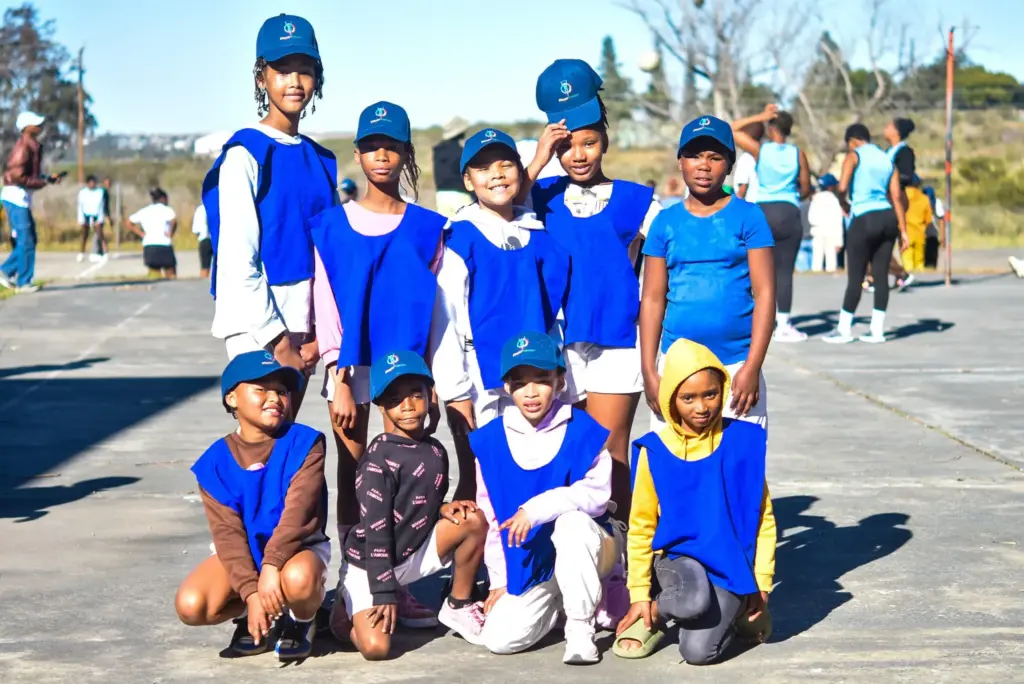
Grassroots sports initiatives are at the heart of community building, offering a direct pathway to encourage local engagement. These programs provide opportunities for young people and underrepresented groups to participate in sports, which fosters a sense of belonging. For instance, local soccer clubs and basketball camps not only teach valuable athletic skills but also impart life lessons in teamwork, resilience, and leadership. By investing in grassroots initiatives, communities build a stronger foundation for their youth, nurturing the next generation of leaders.
Moreover, grassroots Sports initiatives often address social issues like isolation and unemployment by creating structured environments where individuals can come together around a common interest. As participants engage in various activities, they simultaneously combat loneliness and forge connections that may not have happened otherwise. This promotes mental well-being and enhances community ties, making the fabric of society stronger and more united.
The Benefits of Sports in Communities
The benefits of sports in communities extend far beyond physical fitness. Engaging in sports can significantly improve mental health, combat social isolation, and increase opportunities for social interaction. People who regularly participate in sports often report higher levels of self-esteem and reduced anxiety. This positive impact on mental health contributes to a more vibrant community where individuals feel empowered and engaged.
Additionally, sports can serve as a vehicle for educational initiatives and character development. Community programs that incorporate physical activity alongside life skills training not only foster athletic abilities but also teach essential skills such as discipline, teamwork, and goal setting. This holistic approach to youth involvement in sports helps cultivate responsible citizens who thrive in both their personal and professional lives.
Inclusive Sports Programs: Embracing Diversity
Inclusive sports programs are vital for ensuring that all members of a community can participate in athletic activities, regardless of ability, background, or socioeconomic status. These programs are designed to accommodate and celebrate diversity, allowing everyone, including individuals with disabilities, to engage in sports. By providing tailored training and resources, these initiatives foster an inclusive environment that encourages participation and breaks down social barriers.
Furthermore, inclusive sports programs also teach empathy, respect, and collaboration among participants. When individuals engage with teammates from diverse backgrounds, they learn to appreciate different perspectives, fostering mutual respect. These interactions help build a more inclusive culture within the community, reflecting the true values of sportsmanship and enhancing community cohesion.
Youth Engagement in Sports: Shaping Future Leaders
Youth engagement in sports is increasingly recognized as a crucial factor in shaping future leaders. As young people participate in team sports, they learn essential skills such as communication, conflict resolution, and leadership. These experiences not only boost their confidence but also prepare them for future challenges in life and work. Thus, communities that prioritize youth sports are effectively investing in the leaders of tomorrow.
Moreover, youth sports programs often serve as a significant deterrent to negative behavior by providing constructive outlets for energy and creativity. When young athletes feel connected to their teams, they are less likely to engage in risky behaviors. As such, empowering youth through sports nurtures a culture of responsibility and accountability within the community.
The Role of Sports in Community Health
Sports play a vital role in promoting physical and mental health within communities. By organizing community health initiatives centered around sports, residents are encouraged to adopt healthier lifestyles. Local marathons, fitness challenges, and sports leagues promote regular exercise, essential for reducing health issues such as obesity, diabetes, and heart disease. Engaging in sports cultivates a culture of wellness, where community members support each other in their health journeys.
In addition to physical benefits, participation in sports also contributes to improved mental well-being. Physical activity has been shown to reduce symptoms of stress, anxiety, and depression. When communities come together for sporting events, they foster a supportive atmosphere that not only boosts morale but also encourages positive friendships. The shared joy of sports unites individuals and strengthens the overall health of the community.
Sports Diplomacy: A Bridge for Peace and Cooperation
Sports diplomacy serves as an influential tool in promoting peace and fostering international relationships. By bringing nations together through events like the Olympics and World Cups, sports transcend political tensions and highlight shared human experiences. These international platforms allow countries to engage in friendly competition, fostering dialogues that can lead to greater cooperation beyond the field.
Additionally, sports diplomacy can help empower local communities by creating friendships and partnerships across borders. Initiatives that encourage youth participation in international sports exchanges help cultivate global perspectives and mutual respect. When young athletes connect with their counterparts in other countries, they contribute to a culture of understanding and peace, ultimately reinforcing the idea that our shared love for sports can lead to lasting friendships around the world.
Leveraging Technology for Community Sports Engagement
With the rise of technology, communities have unprecedented opportunities to engage in sports. Social media and digital platforms create channels for individuals to connect, share experiences, and support local teams regardless of physical distance. Online sports forums and apps foster community interactions, allowing fans to bond over their shared passions and discuss events in real-time.
Moreover, technology has expanded the reach of grassroots initiatives through virtual training and e-sports leagues. These digital environments provide new pathways for engagement, allowing individuals who may not have the means to access traditional sports programs to participate. As technology continues to evolve, its potential to unify communities through sports will only grow, creating a more interconnected world.
Frequently Asked Questions
How do grassroots sports initiatives contribute to community building through sports?
Grassroots sports initiatives play a crucial role in community building by providing platforms for youth engagement and promoting inclusivity. They foster teamwork, leadership, and essential life skills while creating safe spaces for individuals to connect, ultimately uniting communities through shared sports experiences.
What are the benefits of sports in communities and how do they promote unity?
The benefits of sports in communities include enhanced social connections, improved mental and physical health, and decreased isolation. By participating in community sports events, individuals from diverse backgrounds come together, fostering a sense of belonging and unity through shared goals and experiences.
How can sports diplomacy be used to foster international relations and unite communities?
Sports diplomacy serves as a powerful tool to unite communities across national boundaries by promoting peace and understanding. Events like the Olympics encourage countries to compete respectfully, allowing people from different cultures to connect and collaborate, showcasing shared humanity through sports.
In what ways do inclusive sports programs help build stronger communities?
Inclusive sports programs enable participation from underrepresented groups, addressing social disparities and empowering individuals through sports. By hosting diverse activities, these programs create community bonds, fostering friendships and understanding among participants of all backgrounds.
How does youth engagement in sports create lasting community connections?
Engaging youth in sports fosters lifelong friendships and builds community ties. Local sports leagues provide young people with opportunities to collaborate, learn valuable life skills, and connect with mentors, which strengthens communities by nurturing future leaders.
Can you provide examples of how sports unite different generations within a community?
Sports unite generations through shared experiences, such as families attending local games together or grandparents sharing their athletic stories. These interactions promote bonding, preserve cultural values, and create strong intergenerational connections within the community.
What role does technology play in connecting communities through sports?
Technology enhances community connection through sports by enabling interactions via social media and digital platforms. Fans can engage, participate in virtual leagues, and share their passion for sports, transcending geographical barriers and strengthening community ties.
How do community sports events support health and wellness initiatives?
Community sports events encourage physical activity, improve mental health, and inspire a culture of wellness. By organizing fitness challenges and recreational leagues, communities come together to support each other’s health journeys, promoting unity through shared purpose.
What impact did the 2016 Olympic Games in Rio de Janeiro have on community spirit?
The 2016 Olympic Games in Rio de Janeiro galvanized local communities by fostering participation in event preparations, creating pride and ownership. This collective engagement not only unified residents but also left a lasting legacy of improved sports facilities and community identity.
How do international sporting events like the UEFA Champions League foster community unity?
The UEFA Champions League brings together fans from diverse backgrounds, transforming local neighborhoods into vibrant hubs of culture and celebration. This spirit of unity encourages cross-cultural friendships, illustrating how sport can bridge divides and create community cohesion.
| Key Point | Explanation |
|---|---|
| A Universal Language | Sports transcend language barriers, allowing individuals from different countries to come together through shared activities like football and basketball. |
| Grassroots Movements Leading the Charge | Local sports initiatives help to nurture community spirit, encourage youth participation, and combat social issues like isolation and inequality. |
| Connecting Generations | Sports create intergenerational bonds, allowing different age groups to connect over shared experiences and cultural traditions. |
| Promoting Health and Well-Being | Participating in sports enhances physical and mental health, fostering a culture of wellness and camaraderie in the community. |
| Sports Diplomacy | Sports provide a platform for fostering peace and solidarity among nations, offering opportunities for collaboration despite political tensions. |
| The Role of Technology | Technology, especially social media, helps connect fans and communities worldwide, facilitating interactions and virtual engagements. |
| Case Studies of Unity Through Sport | Examples like the 2016 Olympic Games in Rio and UEFA Champions League demonstrate how sports can enhance community identity and spirit. |
Summary
Sport unites communities in profound ways, acting as a catalyst for social connections and shared purpose. The essence of sport as a universal language transcends cultural barriers, allowing individuals from diverse backgrounds to come together, fostering friendships and a sense of belonging. Grassroots movements play a crucial role in encouraging youth participation and addressing social challenges, while sports promote health and well-being through active engagement. Furthermore, sports diplomacy exemplifies how competitive events can enhance international relations. As technology connects fans and communities globally, we witness the transformative power of sport in bridging gaps and creating lasting bonds. Investing in sports initiatives not only enhances community identity but also reinforces our shared humanity.

