Listen to this article
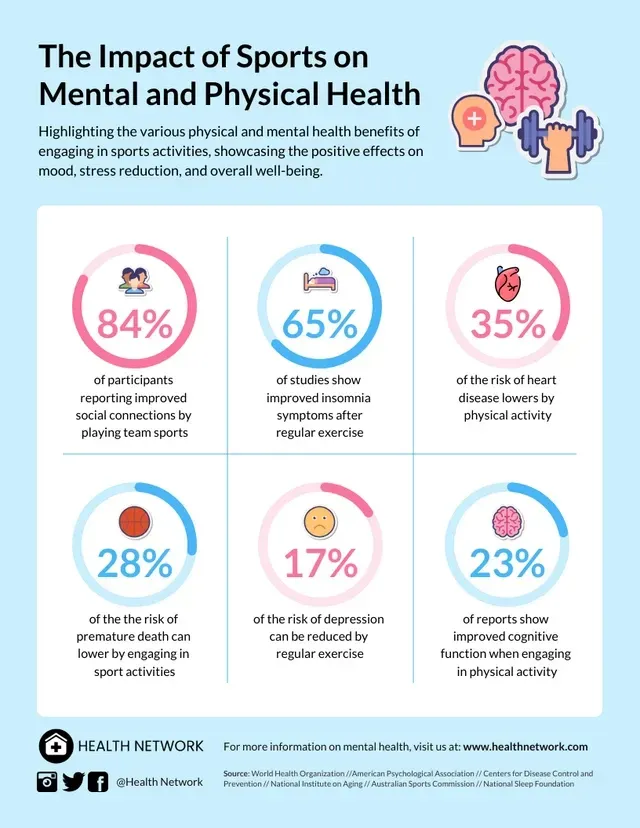
The impact of sports on mental health is profound, shedding light on the significant mental health benefits of sports that often go unnoticed. Regular participation in physical activities not only improves fitness levels but also serves as a powerful remedy for various mental health challenges. Numerous studies illustrate that exercise acts as an effective means to enhance mood, reduce anxiety, and establish pathways for personal growth. Through sports psychology, we learn about the crucial connection between moving our bodies and boosting our mental wellness, particularly in reducing stress and enhancing social interactions through team sports and wellbeing. Ultimately, understanding these connections underscores the importance of integrating sports into daily life for holistic mental wellness.
The relationship between physical engagement and psychological health encompasses a spectrum of positive outcomes that go beyond mere fitness. From stress relief to improved self-esteem, the beneficial effects of participating in athletic activities can be observed across diverse populations. Embracing active lifestyles, whether through team sports or individual pursuits, fosters a sense of community and belonging, crucial for emotional stability. This holistic approach to mental wellness through sports opens up discussions about relevant practices in sports psychology and invites individuals of all backgrounds to explore physical activity’s role in enhancing emotional resilience. Ultimately, the journey towards mental well-being can be enriched significantly through consistent engagement in sports.
The Mental Health Benefits of Sports Participation
Engaging in sports is more than just a means to stay physically fit; it has profound mental health benefits that can enhance overall quality of life. Numerous studies have indicated that regular participation in sports can lead to decreased levels of anxiety and depression. The mental health benefits of sports participation stem from the combination of physical exertion and social engagement, which work together to elevate mood and foster a positive self-image. As individuals participate in sports, they not only enjoy the physical pull and push of exercise but also find themselves immersed in a supportive community that champions their progress.
Moreover, the increase in endorphin levels during physical activity creates a natural high that can last for hours after the exercise session. This boost in mood can help fend off feelings of sadness and frustration, making sports a vital component in a holistic approach to mental wellness. Engaging in sports also facilitates an escape from daily pressures, allowing individuals to focus on their physical capabilities and, in turn, provide a sense of achievement that can be deeply fulfilling.
Understanding Sports Psychology
Sport psychology is an essential field that examines the mental and emotional aspects of athletic performance. It emphasizes how mental skills like focus, confidence, and resilience can enhance an athlete’s performance and overall well-being. These psychological principles not only benefit competitive athletes but also apply to participants at any level, demonstrating how mental training can lead to improvements in both performance and mental health. Techniques such as visualization and positive self-talk can reduce anxiety and boost confidence, which in turn enhances feelings of self-worth.
Additionally, engaging in sports through the lens of psychology helps individuals set realistic goals, increase motivation, and create effective coping strategies for the stresses associated with both sports and daily life. Understanding the psychological impact of sports can empower individuals to harness their mental strengths, leading to improved performance and a more positive outlook on life.
Exercise and Anxiety: A Therapeutic Strategy
In recent years, research has increasingly focused on the relationship between exercise and anxiety relief. Physical activity has been shown to reduce feelings of tension and fear substantially, which can be incredibly beneficial for individuals struggling with anxiety disorders. The physical benefits of exercise, such as improved cardiovascular health and increased stamina, work synergistically with anxiety reduction strategies. When participants engage in sports, they uncover tools within themselves to manage anxiety in a controlled environment.
Through exercise, the body promotes the production of neurotransmitters like serotonin and norepinephrine, which have a calming effect on the mind. Regular athletic engagement not only aids in immediate stress relief but cultivates long-term coping skills. Utilizing sports as a therapeutic strategy presents a proactive approach to managing anxiety that encourages individuals to take charge of their mental well-being.
Team Sports and Wellbeing
Participating in team sports offers unique mental health benefits that individual sports might not provide. The social element inherent to team sports fosters strong relationships, camaraderie, and a sense of belonging among players. These connections can serve as a valuable support system, particularly in challenging times. The collaborative nature of team sports requires individuals to communicate, cooperate, and build trust, which enhances social skills and contributes to emotional intelligence.
Moreover, the joy of working together towards a common goal can significantly uplift mood and outlook. Celebrating victories as a team brings shared joy, while coping with losses helps individuals develop resilience and empathy. Such experiences contribute to improved mental health, as the bonds created through teamwork can have lasting positive effects on an individual’s well-being.
Enhancing Mental Wellness Through Sports
The practice of sports can significantly enhance mental wellness by incorporating physical activity into daily routines. Engaging in sports provides individuals with a sense of purpose and structure, which is especially crucial during times of uncertainty. This consistent commitment to physical activity fosters mental discipline and encourages individuals to cultivate healthy habits that enrich their lives both on and off the field.
Furthermore, the act of challenging oneself through sports promotes self-discovery and personal growth. As individuals push their physical boundaries, they concurrently develop emotional resilience, helping them manage life’s ups and downs effectively. The journey of enhancing one’s performance in sports mirrors personal development, reinforcing the idea that mental wellness is an ongoing process with numerous rewards.
Building Resilience and Coping Skills
Sports serve as a powerful arena for developing resilience and coping skills. When athletes face challenges, such as difficult opponents or losing streaks, they must learn to manage their emotions effectively. Engaging in sports teaches individuals how to navigate setbacks, understand their reactions, and rebound stronger, thus fostering a growth mindset that translates to life outside of the field.
Moreover, the discipline required for regular training and competition creates an environment that encourages individuals to adopt perseverance and grit. As they learn to cope with the ups and downs of athletic competition, participants cultivate essential life skills that aid in managing everyday pressures. Sports become a classroom for life, teaching integrated lessons that shape a person’s ability to navigate challenges successfully.
Sports as a Community Builder
Sports activities inherently serve as a community builder, creating opportunities for individuals to come together and form lasting connections. Deliberate participation in sports cultivates a shared identity among team members or group participants, thus reducing feelings of loneliness and isolation that many people experience in today’s fast-paced world. This engagement leads to more profound social networks and stronger community ties.
Additionally, community sports programs foster inclusivity, welcoming individuals from various backgrounds to participate. These diverse connections promote understanding and compassion within communities, enhancing collective mental health. The sense of belonging fostered by participation in community sports reinforces feelings of safety and support, which are paramount for fostering positive mental health traits.
The Role of Sports in Lifelong Mental Health
Incorporating sports into one’s lifestyle can provide mental health benefits across all life stages. Early exposure to sports encourages young individuals to develop social skills, discipline, and emotional regulation, shaping their ability to cope with stressors throughout life. As people grow older, these skills continue to be essential in navigating the complexities of adult responsibilities and pressures.
In older adults, maintaining an active lifestyle through sports is crucial for preventing cognitive decline and promoting emotional stability. Engagement in physical activities aids in maintaining social connections that often diminish with age, ensuring that seniors maintain a vibrant mental outlook. Continuing to embrace sports provides individuals with tools to adapt and thrive in different phases of life, reinforcing the concept that mental health is an ongoing journey.
Inclusive Sports Initiatives for Mental Health
Creating accessible opportunities for individuals to participate in sports is essential for maximizing mental health benefits. Initiatives aimed at inclusivity ensure that people of all abilities and backgrounds get the chance to engage in physical activity. Whether through adaptive sporting programs or community-led sports events, these efforts are crucial in fostering an environment where everyone can experience mental wellness through engagement.
Such programs not only help reduce barriers to participation but also contribute to community building and social integration. As individuals come together to participate in sports, they foster understanding and mutual support, which aids in enhancing collective mental health. Ensuring that everyone can partake in the benefits of sports is paramount for creating healthier, more connected communities.
Frequently Asked Questions
How do sports contribute to the mental health benefits of sports?
Engaging in sports enhances mental health by releasing endorphins, serotonin, and dopamine, which elevate mood and reduce stress. The physical activity involved in sports can significantly improve mental wellness and emotional resilience.
What role does team sports and wellbeing play in mental health?
Team sports promote social interaction and build support systems, essential for mental health. They foster a sense of belonging and camaraderie, which can alleviate feelings of loneliness and enhance overall wellbeing.
Can exercise and anxiety be connected through sports?
Yes, regular exercise through sports can diminish anxiety levels. Physical activity helps manage stress and provides a productive outlet for pent-up emotions, leading to reduced anxiety and improved mental clarity.
What mental health benefits can individuals gain from sports psychology?
Sports psychology focuses on the mental aspects of sports participation, aiding athletes in enhancing performance and coping with pressure. Techniques learned can improve focus, build confidence, and provide strategies for overcoming mental barriers.
How can mental wellness through sports affect children?
Participation in sports encourages children to develop better social skills, emotional regulation, and increased self-esteem. These factors contribute to improved mental wellness as they grow and navigate through life challenges.
What impact does regular physical activity have on older adults’ mental health?
For older adults, engaging in regular sports or physical activity helps preserve cognitive function and fosters social connections, combating loneliness and promoting mental health, thus enhancing quality of life.
How do sports help in building confidence and self-esteem?
Sports participation allows individuals to achieve goals and overcome challenges, significantly boosting self-esteem and confidence. These positive feelings extend beyond sports, benefiting various life aspects.
Can participating in sports reduce stress levels effectively?
Absolutely! Sports serve as an effective outlet for stress relief. The physical activity involved promotes relaxation and helps develop coping mechanisms to tackle stress outside of sports.
What supportive connections can be formed through team sports and mental health?
Team sports foster strong relationships among participants, creating emotional support systems. These social connections are vital for mental health, offering companionship and encouraging resilience.
Is there a link between sports and recovery from mental health issues?
Yes, incorporating sports into recovery programs can aid in alleviating symptoms of anxiety, depression, and stress. The routine and structure sports provide can be crucial in managing mental health challenges.
| Key Points | Details |
|---|---|
| 1. Connection Between Physical Activity and Mental Wellness | Physical activity releases endorphins and other neurochemicals that enhance mood and reduce stress, improving mental health and resilience against anxiety and depression. |
| 2. Building Confidence and Self-Esteem Through Sports | Participation in sports fosters a sense of achievement that enhances self-esteem, impacting various life aspects positively. |
| 3. Stress Relief and Coping Mechanisms | Sports provide an outlet for stress, helping individuals develop coping strategies, improve sleep quality and reduce fatigue. |
| 4. Social Connections and Support Systems | Engaging in sports creates friendships and support networks that reduce feelings of loneliness and foster emotional resilience. |
| 5. Sports as a Tool for Recovery | For those recovering from mental health conditions, sports can be incorporated into therapy, providing structure and accountability. |
| 6. Sports in Various Life Stages | The benefits of sports span throughout all life stages, enhancing social skills in children and cognitive functions in older adults. |
| 7. Creating Accessible Opportunities for All | Promoting inclusive sports participation fosters a culture of accessibility, maximizing mental health benefits across communities. |
Summary
The impact of sports on mental health is profound and multifaceted, showcasing a variety of benefits that extend well beyond the physical realm. Engaging in sports not only enhances physical fitness but also significantly promotes emotional and psychological well-being. Physical activity leads to the release of feel-good hormones like endorphins and neurochemicals such as serotonin and dopamine, directly improving mood and reducing stress levels. Furthermore, sports participation fosters confidence and self-esteem, builds support systems through social interactions, and provides effective coping mechanisms for life’s challenges. These benefits are accessible at all life stages, encouraging recovery from mental health issues and enhancing overall resilience. Therefore, embracing sports in your lifestyle can lead to lasting improvements in mental health and a happier, more fulfilling life.