Listen to this article
Credit card interest rates can significantly impact your financial health, shaping your spending habits and debt management strategies. Understanding the implications of these rates is essential to effectively manage credit card debt and avoid spiraling into financial trouble. The Annual Percentage Rate (APR) attached to your credit card not only affects how much you pay for purchases but also plays a crucial role in determining how interest rates affect your finances overall. Furthermore, higher credit card interest rates can hinder your efforts to maintain a good credit score, as they lead to increased balances and potentially higher utilization rates. By grasping the nuances of credit card interest rates, you empower yourself to make informed decisions and secure a healthier financial future.
When it comes to navigating the financial landscape, the terms surrounding borrowing costs can be perplexing. Credit card charges, expressed commonly as APR, are pivotal in defining how much money you pay over time for the privilege of borrowing. The relationship between these charges and your credit score cannot be overstated, as higher rates often correlate with increased debt load, hampering your creditworthiness. Moreover, understanding the effects of these borrowing costs is integral for anyone looking to build wealth while effectively managing their financial responsibilities. As we delve into this topic, we will uncover ways to optimize your credit utilization and mitigate adverse impacts on your financial standing.
The True Cost of Credit Card Interest Rates
Understanding the true cost of credit card interest rates is imperative for anyone using credit cards. Many consumers underestimate how much they will pay in interest when they carry a balance, especially with high APR credit cards. For instance, if someone has a balance of $2,000 with a 24% APR and only pays the minimum, the total cost of that charged amount can skyrocket over time due to compound interest. This emphasizes the importance of financial literacy, as being aware of the cumulative costs can lead consumers to take action to reduce their balances or seek cards with more favorable interest rates.
Additionally, credit card interest rates can vary widely between different cards and issuers. A card with a lower introductory rate may sound appealing, but it’s crucial to read the terms and prepare for the rate hike that typically accompanies the end of this promotion. Knowing the difference between various card options and their rates is key to managing potential debt levels effectively.
Impact of Credit Card Interest Rates on Overall Financial Health
Credit card interest rates directly influence overall financial health, as they can turn manageable purchases into severe debt burdens. If consumers focus solely on making minimum payments, they might find themselves trapped in a cycle of ever-increasing debt due to accruing interest. This can lead to significant stress and affect their ability to meet other financial goals, such as saving for emergencies or making investments.
Moreover, the relationship between credit card interest rates and credit scores cannot be overlooked. A high credit card balance caused by interest charges can raise the credit utilization ratio, which negatively impacts a consumer’s credit score. As a result, borrowers may face higher interest rates not only on credit cards but also on personal loans and mortgages, perpetuating a cycle of financial disadvantage.
Managing Credit Card Debt: Strategies for Success
Effectively managing credit card debt is essential to overcome the challenges posed by high-interest rates. One fundamental strategy is to create a detailed budget that clearly outlines income, expenses, and debt repayment plans. By adopting a proactive approach to spending, individuals can prioritize paying off high-interest debts first, as this minimizes overall interest paid over time.
Additionally, regularly reviewing credit reports and scores allows consumers to assess their financial standing accurately. Improving one’s credit score can lead to more favorable interest rates and better loan options. Engaging in practices such as reducing credit card balances and negotiating with creditors for lower rates are also viable tactics to take control of credit card debt.
Understanding Credit Card APR and Its Importance
Annual Percentage Rate (APR) is a critical component of credit cards that consumers must understand. The APR not only reflects the cost of borrowing but also includes various fees that the issuer may charge. By recognizing how APRs work, consumers can judge which cards offer the best long-term value based on their spending habits and repayment capabilities.
Furthermore, understanding APR helps in making conscious decisions when it comes to promotional offers. Many cards entice users with 0% APR for an introductory period, but after that, those rates can spike dramatically. Knowing the standard APR can guide consumers in determining if a card’s incentives truly benefit them in the long run.
The Role of Credit Score in Determining Interest Rates
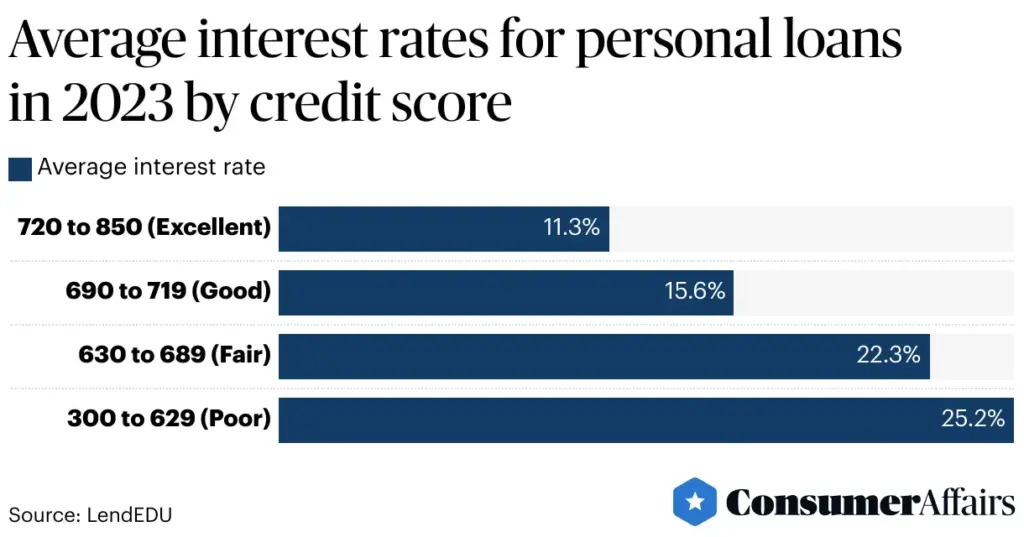
Your credit score plays a significant role in determining the interest rates you qualify for on credit cards. Lenders use the credit score as an indicator of risk, meaning those with higher scores generally secure lower APRs. This underscores the importance of maintaining a healthy credit score through responsible credit behaviors such as paying bills on time and keeping credit utilization low.
A good credit score not only affects credit card interest rates but also influences other loans and financial products. The better your score, the more negotiating power you have with lenders when discussing terms, which can lead to substantial savings over time due to lower interest costs.
Long-Term Financial Planning: The Importance of Managing Interest Rates
In the realm of long-term financial planning, managing credit card interest rates is crucial. The choices made today regarding credit card usage can play a significant role in future financial stability. By preventing high-interest charges through strategic repayments, individuals can allocate more resources toward savings and investments, benefiting future financial goals.
Additionally, incorporating the potential impact of credit card interest on household budgets allows for a more accurate picture of financial health. When planning for major purchases, such as a home or vehicle, understanding how interest rates may affect monthly payments can lead to smarter decisions that align with one’s financial strategies.
Frequently Asked Questions
What are credit card interest rates and how do they work?
Credit card interest rates, or annual percentage rates (APRs), indicate the cost of borrowing on your credit card. If you carry a balance each month, interest accrues on that amount, affecting your finances significantly. Understanding how these rates function is crucial for effective financial management.
How do credit card interest rates impact your financial health?
Credit card interest rates can influence your overall financial situation by affecting debt accumulation, credit scores, and budget allocations. High APRs can lead to increased debt and higher monthly payments, ultimately straining your financial resources.
What factors determine my credit card APR?
Your credit card APR is influenced by several key factors including your credit score, payment history, economic conditions, and the specific type of card you hold. Better credit scores often qualify for lower interest rates, while recent late payments can increase your APR.
How can I manage credit card debt influenced by high interest rates?
To manage credit card debt effectively when facing high interest rates, focus on paying off your balance in full monthly, consider balance transfers to cards with lower APRs, and create a repayment plan targeting high-interest debts first.
What is the relationship between credit scores and credit card interest rates?
Your credit score directly impacts the interest rates you are offered on credit cards. A higher credit score typically enables you to secure lower APRs, leading to reduced overall interest costs on any outstanding balances.
How do interest rates affect my ability to save money?
High credit card interest rates can consume a larger portion of your budget, diverting funds away from savings. This financial strain makes it harder to set aside money for investments or significant life goals, like buying a home or funding retirement.
| Key Point | Description |
|---|---|
| Understanding Credit Card Interest Rates | Credit card interest rates are expressed as APR and represent the cost of borrowing on your card. |
| Debt Accumulation | High interest rates can lead to significant debt accumulation if only minimum payments are made. |
| Credit Score Impact | High balances due to accrued interest can negatively affect your credit score. |
| Budgeting and Financial Planning | High-interest payments reduce the budget available for savings and investments. |
| Unexpected Financial Strain | Relying on credit can lead to heavy interest charges during emergencies. |
| Compounding Interest Effects | Interest can accrue on existing interest, increasing overall debt significantly. |
| Factors Influencing Rates | Credit score, economic conditions, card type, and payment history affect rates. |
| Strategies to Manage Rates | Pay full balances, negotiate rates, consider balance transfers, and regularly check your credit score. |
Summary
Credit card interest rates are a critical factor affecting your overall financial health. They determine how much you pay in interest on borrowed amounts, especially when balances are not paid in full. High credit card interest rates can lead to increased debt and significantly impact your credit score, budgeting plans, and financial goals. To mitigate these effects, it is vital to understand how rates work and adopt strategies for effective management, such as watching your credit score, paying off balances, and negotiating lower rates.