Listen to this article
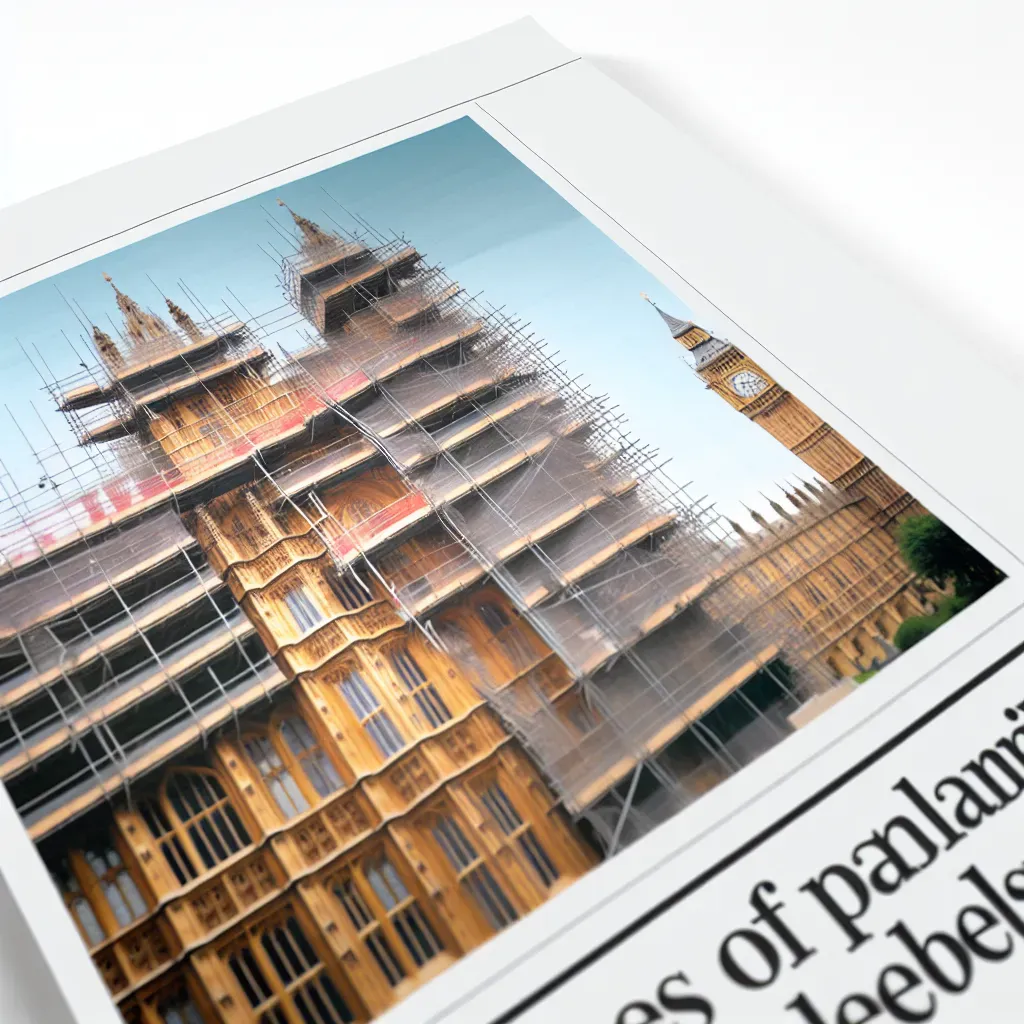
The refurbishment of the Houses of Parliament is poised to become a monumental undertaking, with estimates suggesting costs could reach nearly £40 billion. As the historic Palace of Westminster stands in dire need of renovation, the urgency of the UK Parliament restoration has captured national attention. Dr. Simon Thurley, who chairs the authority overseeing the Restoration and Renewal Programme, insists the expenditure might not be as outrageous as critics claim, particularly in light of the £150 million already spent annually to keep the structure intact. With various restoration options for Parliament on the table, including potentially relocating members for extensive upkeep, the conversation around its future is heating up. As Parliament debates the implications of these refurbishing efforts, questions about the financial viability of such a project loom large, raising concerns among politicians about the cost of Parliament refurbishment and its impact on taxpayers.
Revitalizing the Houses of Parliament represents a significant challenge for the UK government, as plans evolve for a complete overhaul of the historic Palace of Westminster. The discussions surrounding this major renovation project have raised critical questions regarding budget management and the comprehensive restoration options available for such an emblematic structure. With estimates fluctuating, the potential financial burden of this endeavour not only highlights the pressing need for maintenance but also reflects on wider public concerns about effective allocation of funds. As parliamentary leaders grapple with these complex considerations, clarity on the genuine costs involved in this restoration effort remains a pivotal aspect of the ongoing dialogue. Ultimately, the fate of Parliament’s refurbishment will hinge on striking a balance between historical preservation and fiscal responsibility.
The Necessity of Houses of Parliament Refurbishment
The ongoing deterioration of the Houses of Parliament represents a significant risk not just to the building itself but also to the very functions of democracy within the UK. As articulated by Dr. Simon Thurley, the chair of the Restoration and Renewal Programme, the aging infrastructure has not been adequately maintained for decades, and urgent refurbishment is now necessary for safety and operational efficiency. Proposed renovations aim to address the pressing structural issues while ensuring that the Palace of Westminster retains its historical integrity.
Critics of the refurbishment program, such as Conservative MP Jesse Norman, argue that the projected costs are exorbitantly high and call for scaled-down proposals that better reflect public sentiment and the fiscal responsibility expected from the government. However, in light of the current expenses of maintaining the building, which reach £150 million annually, the need for a comprehensive restoration plan cannot be overstated. Postponing this work could simply lead to a more expensive situation where the Palace faces managed decline.
Cost Implications of the Palace of Westminster Renovation
The projected costs associated with the refurbishment of the Houses of Parliament have sparked considerable debate, particularly from opposition parties concerned about fiscal prudence. Estimates suggest that the total renovation could reach up to £40 billion, a figure similar in scale to significant national projects like HS2, which makes many sceptical about the wisdom of this financial commitment. Dr. Thurley notes that while the highest estimates might seem outrageous, a careful consideration of the ongoing maintenance costs versus long-term investment reveals a more balanced narrative.
In the context of financial planning and dedication of public funds, Parliament must evaluate the long-term benefits versus immediate expenses. Investing in the Palace’s restoration could potentially save taxpayer money in the long run by reducing the frequent upkeep required due to neglect. With comparative figures and insights from other historic renovation projects in the UK, the government may position these restoration options not merely as costs, but as investments vital for the future of the UK Parliament.
Evaluating Restoration Options for Parliament
Given the age and condition of the Palace of Westminster, the Restoration and Renewal Programme has narrowed down its proposals to two main options. One involves relocating MPs and peers for up to 24 years while extensive refurbishments ensue, with an estimated cost of £15.6 billion. Meanwhile, the second option suggests moving only the House of Lords during a renovation that could take up to 61 years, elevating costs to approximately £39 billion. Experts have advised that each option needs careful analysis, considering both immediate and future impacts.
The pivotal decision on which plan to pursue rests with Parliament, which must assess not only the financial implications but also the logistical challenges that such relocations would impose. A key component in this discussion is the reality of maintaining operational continuity while addressing safety concerns outlined by public safety advocates, such as Lord Roe. His observations about the building’s fire risks highlight the pressing need for a decisive plan that places safety at the forefront of renovation strategies.
Safety Concerns Amidst Parliament’s Restoration Debate
Safety issues within the Houses of Parliament have been a significant point of concern during discussions of refurbishment. With the building’s complex layout and aging systems, stakeholders like Lord Roe have voiced strong opinions regarding the necessity of temporary relocations while renovation work is underway. He emphasizes that the combustible nature of the building presents dire risks, which must be mitigated through careful planning.
As deliberations progress, it remains crucial that safety standards are prioritized in the renovation plans. Engaging with fire safety experts and construction professionals will ensure that the chosen restoration option addresses inherent risks effectively while preserving the historic fabric of the building. The ultimate goal should be to create a safer and more functional working environment for Parliament.
Political Perspectives on the Refurbishment Plans
The political landscape surrounding the refurbishment of the Houses of Parliament adds another layer of complexity. While some government officials advocate for substantial investment in restoration, dissenting voices, such as those within the Conservative Party, express concerns about public perception and the overall expense. The debate centers not only around the actual financial figures but also how these expenditures will resonate with voters amidst broader economic pressures.
The Conservative leadership’s push for more realistic and scaled-back proposals reflects an attempt to align the project with public sentiment. As discussions continue, it’s essential for all political factions to engage constructively in the dialogue surrounding refurbishment to ensure that a workable solution is found that meets both safety standards and budgetary constraints.
Public Sentiment and the Restoration Project
Public perception plays a critical role in shaping the discourse around the refurbishment of the Palace of Westminster. The suggestion that restoration costs could equal the budget for developing new hospitals raises significant concerns among taxpayers. Proponents of the refurbishment must articulate the long-term benefits of investing in the Palace, which holds immense cultural and historical value, to navigate public scrutiny effectively.
Surveys and public forums should be utilized to gauge sentiments and incorporate citizen feedback into further discussions about the renovation plans. By addressing the general public’s worries and involving them in the dialogue, the government can foster a sense of accountability and transparency that has been lacking in previous discussions. Engaging the public can create advocates for the project, rationalizing costs through a societal lens.
Long-Term Vision for Parliament’s Preservation
The restoration of the Houses of Parliament is more than just a cosmetic upgrade; it is about preserving the core of UK democracy for future generations. As articulated by restoration advocates, a clear long-term vision must emerge from this debate, one that not only addresses current issues but also anticipates the needs of future parliamentary activities. This overarching plan should encapsulate best practices in historic preservation while ensuring the building meets modern safety and accessibility standards.
Establishing a robust funding mechanism, possibly involving private-public partnerships, may help align financial resources with the ambitious restoration goals. Additionally, it would be beneficial to draw on successful case studies from other historic restorations, which can inform strategies that ensure both the project’s success and the preservation of the Palace’s historical identity.
Engagement with Experts in Parliament Refurbishment
To achieve the ambitious renovation goals set before Parliament, collaboration with experts in historical preservation, architecture, and engineering is paramount. Dr. Simon Thurley has highlighted how bringing together a multidisciplinary team can not only streamline the planning process but also lend credibility to the proposals set forth. Expert consultations can shed light on innovative restoration technologies that align with both historical preservation and the modern functionality required for parliamentary work.
Moreover, conducting regular meetings and transparent communication with specialists will bolster public confidence as they see that decisions are being guided by evidence-based practices. By fostering a collaborative environment that includes both traditional preservationists and modern architects, the project can ultimately reflect a harmonious balance between the old and new.
Learning from International Restoration Experiences
The UK’s approach to refurbishing the Palace of Westminster stands to benefit from examining international case studies of similar historic restorations. Cities like Paris and Rome have successfully navigated the challenges associated with renovating their own historic structures, often using a blend of modern techniques and traditional craftsmanship. The lessons learned from these projects can provide valuable insights into effective strategies that prioritize both heritage conservation and contemporary utility.
Incorporating international best practices can also provide a benchmark for the projected costs of the Houses of Parliament refurbishment. Understanding how these projects were funded and managed allows UK authorities to devise a more realistic and feasible financial plan that resonates with both parliamentary ambitions and public expectations. Bringing a global perspective to local challenges can foster innovative solutions that uphold the intrinsic value of the Palace.
Frequently Asked Questions
What is the estimated cost of the Houses of Parliament refurbishment?
The estimated cost of the Houses of Parliament refurbishment varies widely, with projections ranging from £10 billion to £40 billion. Dr. Simon Thurley, chair of the Restoration and Renewal Programme, has indicated that while the highest figures may seem excessive, the ongoing maintenance costs of £150 million per year suggest these estimates may not be unreasonable given the building’s needs.
What options are being considered for the Palace of Westminster renovation?
The Palace of Westminster renovation plans include two main options. One involves relocating all MPs and peers for up to 24 years at a cost of approximately £15.6 billion. The second option plans to move only the House of Lords during a renovation that could take up to 61 years and cost around £39 billion.
Why is the UK Parliament restoration considered urgent?
The UK Parliament restoration is deemed urgent due to the aging infrastructure of the Palace of Westminster, which has not received adequate attention for the past 50 years. Delaying necessary renovations could lead to an expensive managed decline of the building, currently costing £1.5 million weekly just to maintain.
What are the concerns raised by politicians regarding the cost of Parliament refurbishment?
Politicians, particularly from the Conservative party, have raised concerns about the high costs associated with Parliament refurbishment, describing proposals as ‘out of control’ and ‘wildly unrealistic’. Some argue that financial demands on the public purse, akin to the HS2 project, are unacceptable given priorities for funding other public services.
What safety concerns have been mentioned regarding the Palace of Westminster?
Safety concerns regarding the Palace of Westminster, highlighted by figures such as Lord Roe, include the building’s combustible nature, complex layout, and outdated safety systems. The need for relocation during renovation works is emphasized to mitigate these risks and ensure the safety of all occupants.
How will the decision on restoration options for Parliament be made?
Decisions regarding the restoration options for the Houses of Parliament are scheduled to be made by MPs and peers in upcoming votes. The proposals have been thoroughly vetted by the R&R Client Board, which includes both members of Parliament and independent experts.
Is there a timeline for the refurbishment of the Houses of Parliament?
While exact timelines are yet to be finalized, the refurbishment plan for the Houses of Parliament could involve relocation starting as early as 2032, depending on the option chosen by Parliament members and subsequent approval processes.
How is the government ensuring value for taxpayers in the refurbishment project?
The government has stated that the refurbishment of the Houses of Parliament must maximize value for taxpayers. Reports on the restoration options will be reviewed meticulously, and discussions will be scheduled in Parliament to ensure transparency and accountability in spending.
Where can I find more information about the Restoration and Renewal Programme?
To learn more about the Restoration and Renewal Programme, you can tune in to the BBC’s ‘Today in Parliament’ program, which discusses these issues in detail.
| Key Point | Details |
|---|---|
| Refurbishment Cost | Estimated at nearly £40 billion, with varying projected costs from £10 billion to £40 billion. |
| Current Spending | £150 million a year is being spent to maintain the deteriorating Palace of Westminster. |
| Proposals for Refurbishment | Two main options: a 24-year complete relocation for £15.6 billion or a 61-year partial relocation for £39 billion. |
| Support and Opposition | Broad support from the R&R Client Board; opposition from Conservative members like Jesse Norman. |
| Safety Concerns | Lord Roe emphasized the urgent safety risks due to the building’s age and structural problems. |
| Political Stance | The government is reviewing options to ensure value for taxpayers and will schedule debates in Parliament. |
Summary
The Houses of Parliament refurbishment project is a crucial undertaking, projected to cost nearly £40 billion. This refurbishment is essential to address the structural issues and upkeep of the historically significant Palace of Westminster, which has not received adequate attention for many years. With current expenditures exceeding £150 million annually for basic maintenance, the need for a comprehensive restoration plan is becoming increasingly urgent. The upcoming parliamentary votes will determine how the refurbishment is approached, as various options have been proposed amidst growing concerns about costs and safety. Ultimately, how the government manages this refurbishment will reflect its commitment to preserving national heritage while ensuring fiscal responsibility.