
Listen to this article
The Hounslow Council fly-tipping fine petition has gained significant traction, with over 1,200 supporters rallying behind Loretta Alvarez, a single mother and NHS nurse, who faces an astronomical £1,000 penalty for what many consider a minor offense. The situation arose after Alvarez placed a cardboard Amazon envelope next to an overflowing communal bin in Feltham, prompting a swift response from the council’s enforcement team. Detractors argue that the council’s approach, charging the maximum fine akin to serious environmental violations, lacks common sense and compassion during a time of year celebrated for goodwill. Critics are urging Hounslow Council to reconsider its strict community fly-tipping policy, especially when more egregious cases of littering often go unpunished. The petition highlights a pressing need for fair and equitable treatment in enforcement actions, calling into question the appropriateness of the NHS nurse fine amid the complexities of urban waste management.
The campaign for the cancellation of the hefty fine imposed by Hounslow Council has emerged as a beacon of community support for Loretta Alvarez, highlighting growing concerns about the council’s enforcement policies. As residents grapple with the implications of their local authorities’ decisions, the situation has sparked vigorous debate about what constitutes fly-tipping and the proportionality of punitive measures. Community members are questioning why minor infractions, such as placing recyclables next to full bins, attract severe penalties while more blatant acts of dumping remain unchecked. Through this lens, the push for a more lenient policy reflects a broader sentiment that calls for fair treatment and compassion in the council’s dealings with residents. The Hounslow fine cancellation appeal echoes similar frustrations faced by individuals, prompting discussions about the need for a balanced approach to environmental enforcement.
Overview of the Hounslow Council Fly-Tipping Fine Petition
The Hounslow Council fly-tipping fine petition has garnered significant attention, particularly regarding the case of Loretta Alvarez, an NHS mental health nurse facing a staggering £1,000 fine. This fine is a result of her placing a cardboard envelope next to an overflowing communal bin outside her home in Feltham. This incident has sparked outrage among local residents, leading to over 1,200 signatures on a MyLondon petition urging the council to cancel the fine, highlighting community support for Alvarez and disagreement with the council’s strict enforcement policies.
Residents in Hounslow are questioning the proportionality of such hefty fines, particularly in light of the council’s enforcement strategy, which appears to apply a one-size-fits-all approach to fly-tipping offenses. The petition reflects a growing sentiment that the council should demonstrate more leniency and consider the context of individual situations, especially when the behavior in question does not pose any real environmental or public health threats. As community members rally behind Alvarez, it raises larger questions about Hounslow’s fly-tipping policies and enforcement practices.
The Impact of Fly-Tipping Fines on Communities
Fly-tipping has become a pressing issue in many communities, leading councils to adopt strict penalties to deter the practice. However, the recent fine imposed on Loretta Alvarez has illustrated the backlash that can arise from such punitive measures. Community members believe that fines should be reserved for serious offenders, not for individuals who inadvertently contribute to a mess while trying to recycle. The disproportionate nature of this fine raises concerns about the fairness of Hounslow’s community fly-tipping policy and its real impact on local residents.
Moreover, the growing chorus of disapproval among constituents could push the council to revisit its policy on fly-tipping fines, promoting discussions on implementing more graduated penalties that reflect the severity and intention behind the actions taken by individuals. The call for reforms can lead to a more community-focused approach, aimed at preserving a healthy environment while also considering residents’ inadvertent contributions toward littering and waste issues.
Community Support and Advocacy for Loretta Alvarez
The community has rallied around Loretta Alvarez since news of her fine broke, emphasizing the importance of standing together against what they perceive as an unjust enforcement action by Hounslow Council. The support is not just limited to signatures on a petition; many local residents have taken to social media, sharing their own experiences and severally criticizing the council’s policies. This groundswell of community engagement indicates that residents are ready to advocate for a reconsideration of fly-tipping penalties and a more empathetic understanding of individual circumstances.
The movement surrounding Alvarez’s case represents a shift toward collective action within the community, signaling that local authorities must listen to their constituents. Activists are urging not only for the cancellation of her fine but also for a reevaluation of the broader implications of strict penalties on community spirit and cooperation in maintaining cleaner neighborhoods. This ongoing discourse could result in greater accountability from representatives such as Councillor Pritam Grewal, calling into question how officials uphold the law without alienating those they serve.
Proposed Changes to Hounslow’s Fly-Tipping Legislation
As the petition to cancel Loretta Alvarez’s fly-tipping fine gains momentum, discussions are likely to emerge about revising Hounslow’s fly-tipping legislation. Advocates are pushing for measures that emphasize education and awareness around recycling practices to prevent such incidents, as well as more flexible fine systems that account for individual circumstances. Many believe that targeted local policies coupled with community support can significantly address the fly-tipping issue without resorting to drastic financial penalties that disproportionately affect vulnerable residents.
Among the proposed changes and discussions, there is an urgent need to incorporate a dialogue that recognizes the differences between serious fly-tipping offenses and inadvertent littering by conscientious citizens. This revision could potentially save families like Alvarez’s from facing crippling fines and allow councils like Hounslow to refocus their resources on tackling larger-scale illegal dumping offenses. Implementing community forums for discussing fly-tipping guidelines may enhance transparency and foster cooperative relationships between residents and local authorities.
The Role of Local Government in Community Enforcement
Hounslow Council’s current approach to managing fly-tipping through strict enforcement has come under scrutiny, particularly how it affects individual citizens like Loretta Alvarez. Critics argue that while it is crucial for local authorities to enforce community regulations, the methods employed should promote understanding and engagement rather than fear and hostility. The overarching role of local government should include maintaining community welfare while ensuring that laws are applied fairly, without unfairly penalizing those acting in good faith.
Good governance in community enforcement also involves transparency in how penalties are assigned and a willingness to listen to constituents’ grievances. Advocating for residents facing penalties related to fly-tipping, like Alvarez, instills a sense of responsibility and trust in local government. This could lead to more community-driven initiatives that aim not just to punish, but rather to educate and involve the public in maintaining clean neighborhoods, fostering collaborative efforts toward waste reduction and sustainability.
Understanding Fly-Tipping and Its Penalties
The term ‘fly-tipping’ refers to the illegal dumping of waste on public or private land without the consent of the owner. It poses environmental hazards and can significantly impact local communities. In response to this growing concern, councils like Hounslow have implemented strict penalties aimed at deterrence, such as the infamous £1,000 fine faced by Loretta Alvarez. However, this raises the question: are such fines an effective means of combatting fly-tipping, or do they simply exacerbate financial hardships for those who make unintentional mistakes?
Understanding the complexities surrounding fly-tipping is crucial in informing residents about responsible waste disposal. By clarifying what constitutes fly-tipping and reinforcing better community practices, councils can work towards a more informed public that emphasizes proper recycling behaviors. Education initiatives alongside reasonable penalties for minor infractions could drastically change the community’s perspective, moving away from a strictly punitive approach toward a more supportive framework that prioritizes cooperation and environmental stewardship.
Community Voices Against Heavy Penalties
In light of the petition against Loretta Alvarez’s fly-tipping fine, many voices within the community are pushing back against the imposition of heavy penalties. This incident has sparked discussions on social media platforms, as residents share their frustration over what they view as an excessive and harsh penalty for a minor mistake. This collective stance highlights a broader concern about the necessity for more balanced enforcement policies that reflect the realities and challenges faced by community members, particularly those on limited incomes.
The voices advocating for a reevaluation of the current system argue that Hounslow’s policies should alleviate burdens on single parents and low-income individuals who may not be fully aware of waste management regulations. Rather than a rigid approach that imposes astronomical fines, alternative solutions like educational outreach initiatives could provide a more effective means of reducing fly-tipping while also fostering a sense of community responsibility. Moving forward, councils must prioritize community dialogue and adjust their enforcement tactics to reflect the social and economic realities of their residents.
Possible Outcomes of the Hounslow Petition
The outcome of the Hounslow Council fly-tipping fine petition may set a significant precedent for how local governments engage with their constituents in matters of enforcement and penalties. With over 1,200 signatures, the council is under increasing pressure to rethink their stance on stringent penalties. Positive action from the council could pave the way for more compassionate governance, demonstrating a willingness to adapt to community feedback and to address public concerns about overreach in regulation.
Should the Hounslow Council respond favorably to the petition, it may lead to a ripple effect, influencing similar councils facing community dissent over enforced fly-tipping fines. Additionally, the growing movement toward more lenient policies could encourage councils to create support systems for educating citizens about waste management, driving home the importance of community care and environmental responsibility. This case could thus serve as both a cautionary tale and a catalyst for positive change within local governance.
Importance of Community Engagement in Local Policies
The current outcry surrounding the Hounslow Council’s handling of fly-tipping fines highlights the critical role community engagement plays in shaping local policies. Residents, like those supporting Loretta Alvarez, are encouraging participation in discussions that directly affect their lives, advocating for transparency and dialogue with local officials. Engagement ensures that policies are tailored to meet the needs of constituents, fostering a sense of ownership and responsibility within the community.
Moreover, effective community engagement can enhance awareness and adherence to local guidelines, leading to decreased instances of fly-tipping. As local governments open their platforms for discussion, they can gather valuable insights from residents that may influence how regulations are crafted. In this way, community engagement does not only serve as a tool for policy development but also strengthens local governance and helps cultivate a shared vision for sustainable living.
Frequently Asked Questions
What is the current status of the Hounslow Council fly-tipping fine petition regarding Loretta Alvarez?
The Hounslow Council fly-tipping fine petition, initiated by supporters of NHS nurse Loretta Alvarez, has gathered over 1,200 signatures urging the council to cancel her £1,000 fly-tipping fine. Despite this, Hounslow Council has maintained its stance that the fine is justified and has no immediate plans to rescind it.
Why was Loretta Alvarez fined £1,000 by Hounslow Council for fly-tipping?
Loretta Alvarez received a £1,000 fine from Hounslow Council for placing a cardboard envelope next to an overflowing communal bin outside her home in Feltham. The council considers this an offense under its strict fly-tipping policy, which mandates maximum fines for such violations.
How has the community reacted to the Hounslow Council petition for Loretta Alvarez?
The community has rallied together, with over 1,200 residents signing the Hounslow Council petition, expressing their support for Loretta Alvarez and opposing the high fine for what many perceive as an innocent mistake.
What are Hounslow Council’s policies on fly-tipping fines?
Hounslow Council has a strict policy on fly-tipping that dictates issuing maximum fines for all violations. This means fines for offenses like those involving Loretta Alvarez are set at £1,000, regardless of the circumstances surrounding the incident.
Is there any chance for Hounslow Council to cancel the fly-tipping fine for Loretta Alvarez?
Currently, Hounslow Council has expressed confidence in their decision to uphold the fine against Loretta Alvarez, indicating they have no plans to cancel it. However, ongoing community support through the petition may influence future discussions.
What can residents do to support the Hounslow Council fly-tipping fine petition?
Residents can support the Hounslow Council fly-tipping fine petition by signing it and sharing their thoughts via email to Hounslow Council’s enforcement representative, Councillor Pritam Grewal, at pritam.grewal@hounslow.gov.uk.
What are the penalties described in the context of the Hounslow Council fly-tipping policy?
Under Hounslow Council’s fly-tipping policy, offenses can incur maximum penalties similar to those for significant dumping activities. In the case of Loretta Alvarez, she received a £1,000 fine, which is the largest possible penalty for fly-tipping under the council’s regulations.
Has Loretta Alvarez gained any support in her fight against the fine from Hounslow Council?
Yes, Loretta Alvarez has gained considerable support, with a petition amassing over 1,200 signatures against her fly-tipping fine. Supporters argue that her actions were mischaracterized and suggest that a more fitting penalty would be a fine for littering.
What alternative solutions are being proposed in the Hounslow Council fly-tipping case?
Critics of the Hounslow Council’s actions propose a reconsideration of the fine in favor of community-oriented solutions, such as warnings for first-time offenders or different penalties more reflective of the offense’s context, like fines for littering instead of fly-tipping.
How can the public provide feedback on Hounslow Council’s approach to fly-tipping?
The public can provide feedback on Hounslow Council’s approach to fly-tipping by engaging with the ongoing petition, contacting council members directly, and participating in community discussions regarding the enforcement of such fines.
| Key Point | Details |
|---|---|
| Petition Against Fine | Over 1,200 people signed a petition urging Hounslow Council to cancel Loretta Alvarez’s £1,000 fine for placing an envelope next to a communal bin. |
| The Offense | Loretta Alvarez, an NHS nurse, placed a cardboard envelope next to an overflowing bin, leading to a fly-tipping fine. |
| Council’s Response | Hounslow Council insists that the fine is justified, and they pursue maximum fines for fly-tipping offenses. |
| Councillor’s Statement | Cllr Pritam Grewal stated they have no plans to cancel the fine despite public outcry. |
| Public Reaction | Many believe the fine is excessive for what they consider a harmless mistake. |
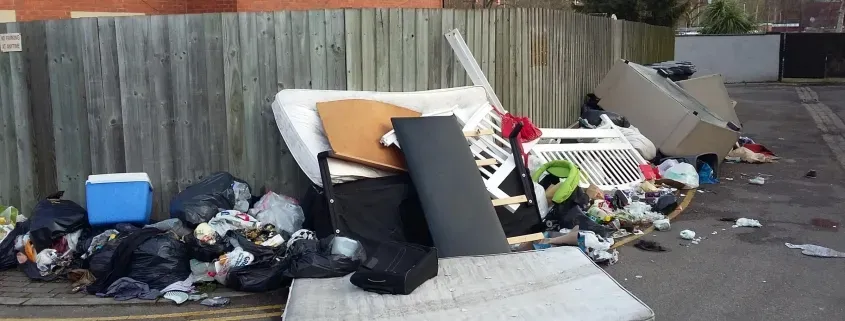
| Comparative Offenses | Reports indicate other offenses, like discarded fridges, go unpunished while Alvarez faces severe penalties. |
| Payment Plan | Alvarez is to repay the fine in four installments of £250, starting February. |
| Call to Action | Readers are encouraged to sign the petition and contact the council for support. |
Summary
The recent Hounslow Council fly-tipping fine petition has gained momentum, with over 1,200 signatures rallying for the cancellation of a £1,000 fine issued to NHS nurse Loretta Alvarez. Many believe that the penalty is excessively harsh for a minor infraction of placing a cardboard envelope next to a communal bin. The council’s strict enforcement of fly-tipping regulations has come under fire from the community, highlighting a growing concern over fairness in penalizing residents for seemingly innocent actions while more significant littering offenses remain unaddressed. This situation underscores the urgent need for a more balanced approach to enforcement and the compassion required in community governance.