
Listen to this article
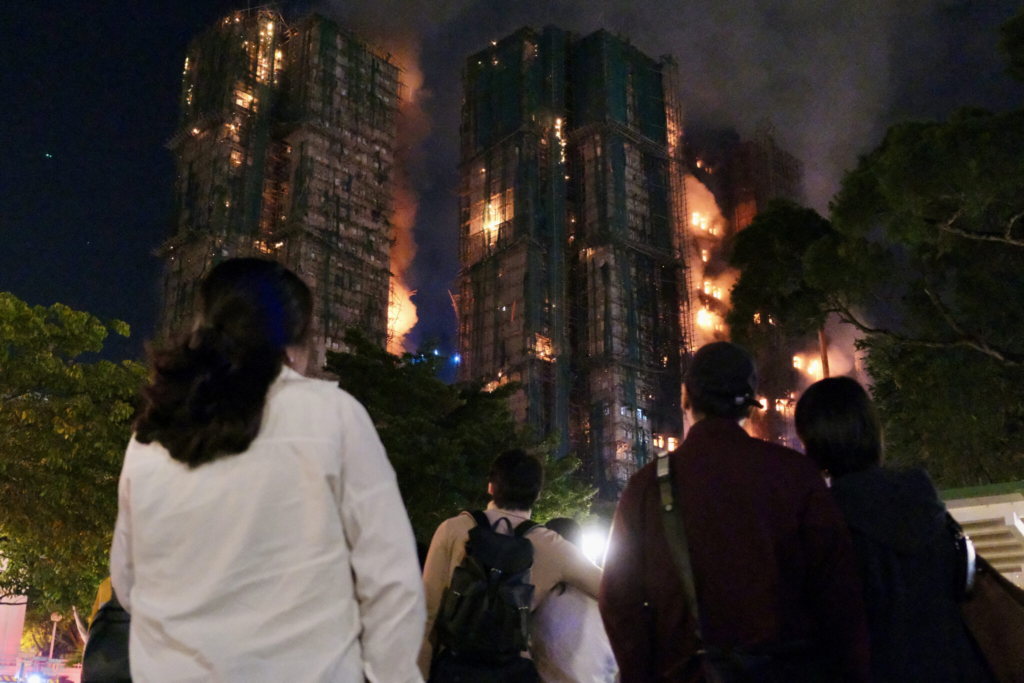
The Hong Kong high-rise fire has shocked residents and onlookers alike, as a blaze erupted in Wang Cheong House, part of a public housing complex, claiming lives and causing widespread devastation. With reports indicating at least 75 fatalities and nearly 300 individuals unaccounted for, the incident highlights critical fire safety concerns in Hong Kong. Witnesses captured high-rise fire footage that shows how swiftly the flames spread, raising alarms about preparedness and response measures. The Hong Kong Fire Services promptly dispatched teams, arriving on the scene just six minutes post-alarm, yet the fire escalated to the fourth floor in that short time. This tragic event not only underscores the urgency for improved fire safety protocols in the region but also intensifies discussions about lessons learned from the Tai Po fire incident.
In the recent tragic incident involving a blaze in a towering residential structure in Hong Kong, known as the Wang Cheong House fire, the community has been left reeling. High-rise disasters such as this emphasize the critical importance of fire prevention and safety measures in densely populated areas. Witnesses have shared alarming accounts, bolstered by social media footage showcasing the rapid spread of flames from the initial outbreak. As the Hong Kong Fire Services tackle the aftermath and search for the missing, this heartbreaking occurrence, reminiscent of previous events like the Tai Po fire incident, serves as a vital reminder for the need for stringent fire safety regulations. The call for action has never been more urgent as the residents and authorities confront the chilling reality of urban fire emergencies.
Understanding the Hong Kong High-Rise Fire Risks
High-rise buildings in urban areas like Hong Kong present unique fire safety challenges due to their complex structure and dense population. The Hong Kong high-rise fire incidents often illustrate the need for robust fire safety regulations and preparedness plans. In particular, these incidents demand comprehensive training for firefighting personnel, including the Hong Kong Fire Services, to respond effectively in emergency situations. With multi-story residential towers such as Wang Cheong House, the risk is exacerbated by the rapid spread of flames and smoke, which can endanger many lives before help arrives.
In recent events, including the tragic Tai Po fire incident, we have seen firsthand the devastating impact of a high-rise fire. The incident not only caused significant property damage but also revealed critical gaps in fire safety protocols within high-density housing. It’s crucial for residential complexes to incorporate advanced firefighting systems and regular safety audits to minimize these risks. Moving forward, it is imperative that public awareness campaigns are launched to educate residents on fire safety measures to ensure that they fully understand the steps to take in case of a fire emergency.
The Impact of the Tai Po Fire Incident
The Tai Po fire incident marks one of the deadliest high-rise fires in recent memory, with over 75 lives lost and nearly 300 individuals reported missing. This catastrophic event has drawn global attention to the importance of fire safety in densely populated areas. According to reports, the fire in Wang Cheong House erupted and escalated swiftly, raising questions about the adequacy of fire safety measures in place at the time. It projects a stark reminder of the potential dangers present within high-rise residential buildings and the devastating consequences that a fire can entangle.
Following the Tai Po incident, experts are now pressing for more stringent building codes and fire safety measures in Hong Kong. The Hong Kong Fire Services are calling for a reassessment of current fire safety regulations, especially for aging high-rise buildings that may not have the same fire-resistant technologies as newly constructed towers. This incident serves as a tragic lesson that without constant improvement in fire safety standards and vigilant oversight, the risk of catastrophic events remains alarmingly high.
Footage and First Responses to the High-Rise Blaze
High-rise fire footage from the Tai Po incident has surfaced on various platforms, holding a deeper significance than mere visual records. This footage serves as a critical resource for firefighting authorities to analyze the progression of the blaze and improve their future responses to similar incidents. Eyewitness accounts further emphasize the chaotic and alarming nature of such events, especially the time taken for firefighters to arrive on scene — which, in this case, was a mere six minutes but felt like an eternity for those trapped within the building.
The swift arrival of the firefighters from Hong Kong Fire Services showcases their commitment to public safety, despite the overwhelming situation they faced. However, it also raises important discussions about the effectiveness of response protocols and the need for enhanced training in high-rise building fires. The footage allows fire safety experts to simulate similar scenarios and devise new strategies that can potentially save lives. In a city where high-rise living is commonplace, ensuring effective rapid response can make all the difference.
Fire Safety Awareness in Urban Hong Kong
In light of the recent tragedy in Tai Po, there is an urgent need to enhance fire safety awareness in Hong Kong. Educational campaigns can play a vital role in preparing residents for emergencies. Residents must be informed about fire drills, escape routes, and the significance of fire alarms to foster a culture of safety and preparedness. Improved knowledge and training can empower individuals to react promptly in emergency situations, potentially reducing the devastating outcomes seen in the Wang Cheong House blaze.
Moreover, local authorities should prioritize community engagement initiatives to attract residents’ attention toward fire safety measures. Workshops and informational sessions can help foster a deeper understanding of the importance of reporting any fire hazards in a timely manner. As seen in the recent high-rise fire incidents, proactive community involvement coupled with vigilant monitoring can contribute significantly to overall public safety, creating a safer living environment for all citizens in Hong Kong.
Enhancing High-Rise Fire Safety Regulations
As the death toll climbs following the Tai Po fire incident, calls for enhanced fire safety regulations in Hong Kong are loud and clear. Authorities must take immediate action to reevaluate existing fire codes and implement stricter compliance measures to better protect residents living in high-rise buildings. Key stakeholders, including developers and government agencies, need to collaborate closely to ensure that fire safety standards are not only met but exceeded in order to prevent future tragedies.
Given the unique challenges posed by high-rise structures, it is essential to incorporate advanced fire suppression systems and reliable evacuation plans. Experts suggest adopting international best practices from cities that have successfully reduced high-rise fire incidents. The integration of technological innovations, such as smart fire detection systems, can further enhance emergency response capabilities. The proactive establishment of robust fire safety regulations in Hong Kong is a critical step towards safeguarding residents in high-density living environments.
Learning from the Wang Cheong House Blaze
The Wang Cheong House blaze serves as a critical case study for fire safety professionals across the globe. Analyzing the circumstances leading up to and during the fire can provide invaluable insights into preventing similar disasters in the future. Key elements to focus on include the rapid spread of the fire, the challenges faced by firefighters, and the emergence of chaotic scenes as residents attempted to escape. By understanding these dynamics, fire safety protocols can be restructured to enhance overall effectiveness in high-rise environments.
Moreover, documentation of the events during the blaze, including eyewitness accounts and footage, will aid in developing training programs for both residents and emergency response teams. Detailed post-incident reports can guide the refinement of fire drills and emergency responses tailored specifically to the high-rise living conditions encountered in Hong Kong. Ultimately, the lessons learned from the tragic Wang Cheong House incident must translate into actionable policies aimed at improving fire safety for all high-rise buildings.
Role of Technology in Fire Safety Improvements
Technology has the potential to significantly enhance fire safety standards in modern high-rise buildings. Innovations in fire prevention, detection, and suppression systems can be pivotal in protecting vulnerable residential populations. In the case of high-rise fires such as the one in Tai Po, implementing automated fire alarm systems with real-time monitoring can provide residents with early warnings to evacuate safely. Additionally, utilizing fire-resistant building materials can substantially reduce the likelihood of rapid flame spread, ensuring a safer environment for occupants.
Furthermore, advancements in firefighting equipment can also play a critical role in emergency scenarios. For instance, drones equipped with thermal imaging can assist firefighters in assessing the situation from various angles, allowing them to strategize the most effective containment tactics. Moreover, data analytics can help predict high-risk areas and times for fires, thereby facilitating better resource allocation for fire safety inspections. Ultimately, integrating technology within fire safety practices can create a stronger, more resilient framework for protecting lives in high-rise buildings across Hong Kong.
Community Preparedness for Fire Emergencies
Community preparedness is integral to effectively managing fire emergencies in high-rise settings. Following the devastating Tai Po fire incident, it is crucial for community leaders to prioritize organizing regular fire safety drills and awareness sessions. By familiarizing residents with evacuation protocols and emergency procedures, they can significantly mitigate panic and chaos during an actual fire event. Additionally, community engagement fosters a collective responsibility among residents to remain vigilant and informed about potential fire hazards.
Inclusion of local organizations, such as the Hong Kong Fire Services, in community preparedness initiatives can greatly enhance their effectiveness. Collaborative efforts can lead to the implementation of joint exercises that simulate emergency scenarios, providing residents with practical experience in handling such crises. Strong community bonds can further reinforce a culture of vigilance and preparedness, ensuring that everyone knows how to react promptly and efficiently when facing the threats posed by high-rise fires.
Future of Fire Safety in Hong Kong Buildings
The future of fire safety in Hong Kong’s high-rise buildings is dependent on continuous improvement and innovation. With the increasing population and ongoing urbanization, the demand for effective fire safety measures is more critical than ever. Legislative bodies must work towards not only revising fire safety regulations but also enforcing them rigorously to avoid tragedies like the Tai Po fire incident. The integration of sustainable and resilient design practices will be essential in developing safer residential environments.
Moreover, ongoing studies into the dynamics of building fires, including the insights gained from the Wang Cheong House blaze, will be vital for shaping future safety standards. By collaborating with fire safety experts, architects, and engineers, city planners can develop solutions that not only enhance fire safety but also support the efficient use of space in urban settings. Ultimately, fostering a culture of safety through education, regulation, and technological advancement can set the groundwork for securing a safer tomorrow for high-rise dwellers in Hong Kong.
Frequently Asked Questions
What caused the Tai Po fire incident in Hong Kong?
The Tai Po fire incident, specifically the blaze at Wang Cheong House, is under investigation by the Hong Kong Fire Services to determine its cause. Preliminary reports indicate rapid spread of the fire may have contributed to the high fatality rate.
How did the Wang Cheong House blaze in Hong Kong spread so quickly?
The Wang Cheong House blaze spread quickly due to various factors, including flammable building materials and strong winds. Video footage captured the early moments of the fire and showed how swiftly it engulfed multiple floors.
What was the response time of the Hong Kong Fire Services during the high-rise fire?
During the Wang Cheong House blaze, the Hong Kong Fire Services responded approximately six minutes after the first reports were made. However, by that time, the fire had already reached the fourth floor of the building, complicating rescue efforts.
How many fatalities resulted from the Hong Kong high-rise fire incident?
The tragic outcomes of the Hong Kong high-rise fire incident have been severe, with at least 75 fatalities reported and nearly 300 individuals still unaccounted for following the fire at Wang Cheong House.
What fire safety measures are in place in Hong Kong high-rise buildings to prevent incidents like the Wang Cheong House blaze?
Fire safety regulations in Hong Kong require high-rise buildings to have fire alarms, sprinklers, and regular safety drills. However, the Wang Cheong House incident highlights vulnerabilities that may need addressing within existing fire safety protocols.
Is there any high-rise fire footage from the Tai Po fire incident available online?
Yes, high-rise fire footage from the Tai Po fire incident shows the initial stages of the fire at Wang Cheong House. This footage has been shared on various social media platforms, including Threads, providing insight into the rapid spread of the blaze.
What can residents of Hong Kong do to enhance fire safety in high-rise buildings?
Residents can enhance fire safety by being aware of escape routes, participating in fire drills, and ensuring smoke detectors are functional. Community education on fire safety measures is crucial in preventing tragedies like the Wang Cheong House blaze.
| Key Points |
|---|
| Geolocation of fire footage confirmed by BBC Verify. |
| The fire broke out at Wang Cheong House in a public housing complex. |
| Derek Armstrong Chan, deputy director of Hong Kong Fire Services, confirmed the fire’s location. |
| Witness reported hearing banging noises before the fire started at 14:51 local time. |
| Firefighters arrived six minutes after the fire broke out, but it had spread to the fourth floor by then. |
| The fire has impacted seven tower blocks in Tai Po district, resulting in 75 fatalities. |
| Nearly 300 individuals remain unaccounted for due to the fire. |
Summary
The recent Hong Kong high-rise fire has drawn significant attention due to its devastating impact and rapid spread. This fire, which ignited in the Wang Cheong House, has tragically resulted in numerous fatalities and left many others unaccounted for. As the situation unfolds, the urgency for thorough investigations and improved fire safety measures in high-rise buildings becomes clearer.

