Listen to this article
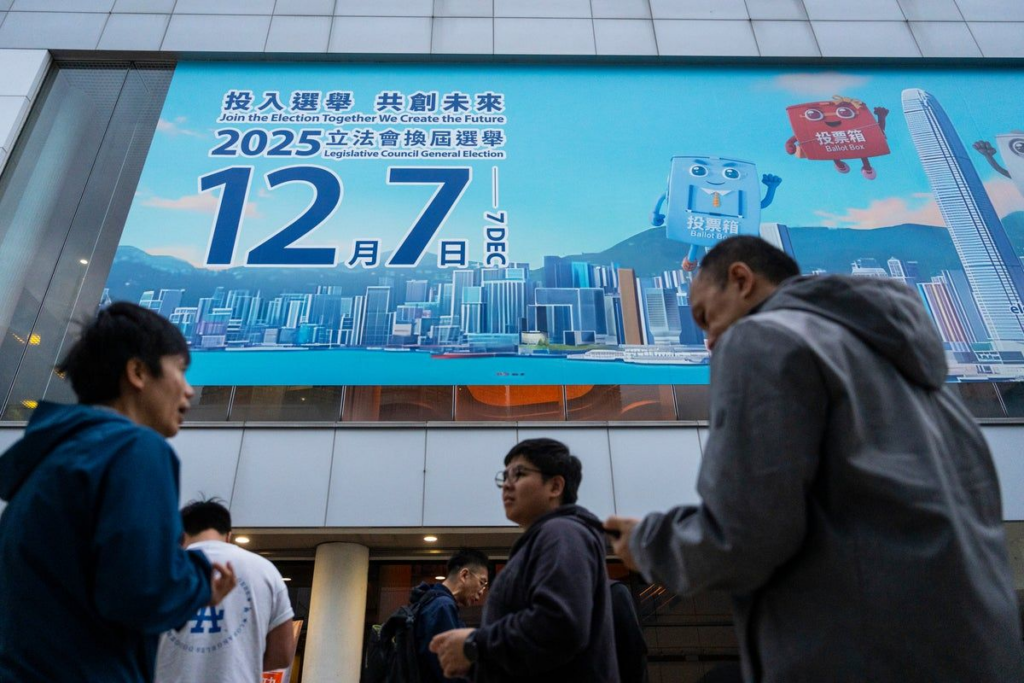
The recent Hong Kong election has become a focal point for public sentiment amidst the aftermath of a tragic fire in Tai Po that claimed numerous lives. This election, considered a significant moment in Hong Kong politics, drew voters to the polls with an official turnout of 31.9%, a slight improvement from the historically low figures of previous elections. The Legislative Council (LegCo) election, organized under a reformed electoral framework, saw candidates vetted for their loyalty to China, raising concerns over democratic integrity. Amidst heightened emotions and national scrutiny, the participation of approximately 1.3 million voters highlights the complexities of voter turnout in this politically charged environment. With the backdrop of China’s recent electoral changes, analysts are scrutinizing the implications of this election for the future of governance in Hong Kong and the relationship between its citizens and the mainland government.
In the context of Hong Kong’s democratic landscape, this election for the Legislative Council serves as a critical measure of public engagement following recent crises. Often referred to as LegCo elections, these political contests are not only about filling seats but also about gauging the pulse of the electorate in light of prevailing issues such as safety standards and government accountability. With around 4.1 million registered voters in a city grappling with significant political changes orchestrated by China, the interest in participating reflects both hope and skepticism among the populace. The tragedy in Tai Po has amplified the stakes, making voter turnout a crucial indicator of public sentiment as Hongkongers navigate the complexities of their relationship with governmental authority. As debates around voter participation continue, the dynamics between the electorate and legislative representation are more critical than ever.
Impact of the Tai Po Fire on Voter Sentiment
The recent Tai Po fire has profoundly affected public sentiment in Hong Kong, casting a shadow over the recent Legislative Council (LegCo) election. With nearly 160 lives lost in this catastrophic incident, discussions surrounding safety regulations and governance have surged. Many Hongkongers expressed their anger over perceived governmental failures, which could have translated into a reluctance to participate in the voting process. This tragedy has certainly prompted residents to reconsider their civic duties amid grief and frustration.
As authorities sought to rally citizens for the LegCo election amidst the mourning, the juxtaposition of grief and political engagement has raised complex questions. Election participation, viewed through the lens of trauma from the Tai Po fire, could either be a unifying force for voters or a reflection of their discontent with the current political landscape. With voter turnout figures showing a minimal increase from previous elections, this indicates a potential detachment from the political process, particularly as the government faces scrutiny over its response to the disaster.
LegCo Election: A Reflection of Hong Kong Politics
The LegCo election serves as a vital barometer of Hong Kong’s political climate, especially following China’s electoral changes that limited political diversity. With the implementation of regulations ensuring only ‘patriots’ could run for office, voters are faced with a stark choice: participate in a system viewed by many as undemocratic or abstain in protest. The aftermath of the Tai Po fire may have further complicated this conversation, as citizens grapple with historical grievances against a regime that has consistently shifted political norms to stifle dissent.
In this current election, where the government heavily campaigned to increase voter turnout through various incentives, many residents felt a tension between the call to vote and their disenfranchisement. The dynamic interplay between the trauma caused by the Tai Po fire and the tension of voting within a modified electoral framework is significant. Though the government sought to promote reconstruction through voter participation, the underlying doubts about legitimacy linger, influencing how Hongkongers perceive their role in the electoral process.
Voter Turnout Trends in Hong Kong Elections
Recent statistics reveal that voter turnout in Hong Kong elections remains a contentious topic, particularly with a surge in campaigns to mobilize citizens. During the recent LegCo election, approximately 31.9% of eligible voters participated, a slight increase from the historic low of 30% in the previous election. This modest rise reflects a climate of political apathy among residents who, after years of escalating tensions with the government, express dissatisfaction and disillusionment with the electoral process.
The ongoing efforts to enhance voter turnout, such as promotional events and incentives tied to voting, highlight an administration eager to bolster civic engagement. However, the issue remains complex, as many Hongkongers are aware of the significant political changes instigated by China. With high-profile anti-government protests fresh in memory, there is a challenging dichotomy between the desire to engage politically and the disillusionment with a system viewed as fundamentally flawed. The impact of these trends is likely to resonate through future elections, shaping both public participation and government strategy.
China’s Electoral Changes: A New Era for Hong Kong
The sweeping electoral changes imposed by China on Hong Kong have redefined the political landscape in significant ways. By mandating that only candidates deemed ‘patriots’ can run for office, Beijing has effectively narrowed the scope of representation and stifled opposition voices. These shifts aim to prevent further civil unrest, but they have also led to a populace that feels increasingly sidelined and disenchanted as evident from the low voter turnout rates in recent elections.
In the wake of these changes, the LegCo election serves as a focal point for discussions about governance and representation in Hong Kong. The sentiment among voters is tinged with skepticism, as many feel that their votes do not contribute to a truly representative democracy. As the city grapples with its identity post-reform, the implications of China’s electoral policies continue to ripple through public perception and political engagement.
Government Strategies to Boost Voting Participation
The Hong Kong government adopted innovative strategies to encourage voter participation in the recent LegCo election, amidst an environment of grief and disillusionment. Initiatives ranged from distributing thank you cards that offered redeemable vouchers to providing free access to public amenities on polling day. By creating an environment that emphasizes appreciation for civic participation, the administration sought to alleviate the general public’s reluctance to engage in the electoral process.
Despite these efforts, the impact of governmental incentives in motivating Hongkongers to vote remains uncertain. Critics argue that while such measures may attract attention, they do not address the underlying skepticism regarding the electoral legitimacy post-reform. Therefore, while these strategies may increase voter turnout incrementally, broader disenfranchisement issues persist, significantly influencing public sentiment towards Hong Kong politics.
Post-Election Reactions and Public Sentiment
Following the conclusion of the LegCo election, reactions from both the government and the populace highlighted a complex emotional landscape. Officials expressed satisfaction with turnout figures, touting it as a sign of public endorsement for the electoral reforms. However, many citizens voiced concerns over the fundamental legitimacy of the election process itself amidst the backdrop of the Tai Po fire, which served as a painful reminder of governance issues critical to public safety.
Public sentiment was largely characterized by cautious optimism juxtaposed against lingering discontent. Observers noted that the government’s efforts to encourage voter turnout may not have effectively restored confidence among Hongkongers. The emotional toll of recent tragedies, such as the Tai Po fire, has created an environment where citizens question the government’s ability to govern effectively, making the road to rebuilding trust a challenging endeavor.
Safety Concerns in Light of the Tai Po Fire
The tragic Tai Po fire has underscored critical safety concerns in Hong Kong, exacerbating existing fears about building regulations and emergency response mechanisms. As investigations unfold, many residents express anxiety over the adequacy of safety standards, especially in aging high-rise structures. The incident has prompted widespread calls for enhanced safety oversight, highlighting that the community’s trust in governance is fundamentally tied to the protection of its citizens.
In light of the fallout from the Tai Po fire, the government must address these pressing safety issues head-on to assuage public fears and demonstrate accountability. Engaging with the community on safety reforms is crucial for rebuilding public trust amidst a politically charged environment. The expectations from voters extend beyond participation; they now seek assurances that safety and welfare are prioritized in legislative agendas.
The Role of Committees in Investigating the Tai Po Fire
In response to the devastating Tai Po fire, the Hong Kong government has committed to establishing an independent investigation committee tasked with uncovering the fire’s causes and any possible regulatory failures. This step is aimed at ensuring transparency in the wake of widespread public outcry regarding building safety and governance lapses. Such an inquiry may offer a crucial platform for voicing community concerns and demands for accountability from the authorities.
The establishment of this committee signals a potential shift in how the government approaches public safety concerns, particularly in light of recent tragedies. However, the effectiveness of this investigation depends largely on the public’s perception of its impartiality and sincerity. The LegCo election may also play a role in shaping the future of these discussions, as newly elected legislators could be instrumental in pushing for reforms driven by the committee’s findings.
LegCo Election and Its Long-term Implications
The recent LegCo election is poised to have substantial long-term implications for Hong Kong’s political landscape and governance. In light of significant electoral reforms, the newly elected members will shape legislative priorities at a time when public trust is critically low. This election is not just about representation; it is about the future trajectory of governance, public engagement, and the potential restoration of faith among citizens in their leaders.
In the shadow of the Tai Po fire and the changes imposed by China, the effectiveness of the new legislature will be tested as it faces the dual challenge of addressing immediate community safety issues while navigating the political ramifications of a reformed system. The actions of these elected officials will determine how residents perceive their role within a structurally altered political framework, potentially influencing voter engagement in future elections.
Frequently Asked Questions
What impact did the Tai Po fire have on the Hong Kong election?
The Tai Po fire, which tragically killed nearly 160 individuals, influenced the recent Hong Kong election by prompting a surge in public sentiment surrounding governmental accountability and safety standards. Candidates faced increased scrutiny, and the election served as a platform for addressing the concerns raised by residents about building safety, especially in aging high-rises.
How did the government’s campaign influence voter turnout in the Hong Kong election?
The government’s campaign for the Hong Kong election employed various strategies to boost voter turnout, including distributing free vouchers and organizing public entertainments like variety shows and carnivals. Despite these efforts, the voter turnout reached only 31.9%, slightly higher than the historical low of 30% in the 2021 LegCo election, indicating ongoing public disinterest.
What were the key changes in Hong Kong’s electoral system prior to this election?
Prior to the Hong Kong election, China implemented substantial changes to the electoral system aimed at ensuring that only ‘patriots’ could stand for election. This reform was part of a broader strategy introduced after the 2019 anti-government protests, which significantly restricted the political participation of opposition groups and altered the structure of the Legislative Council.
What was the voter turnout for the recent Hong Kong election compared to previous elections?
The recent Hong Kong election recorded a voter turnout of 31.9%, which, while an improvement over the previous election’s record low of 30%, still reflects significant voter apathy in the political process following the drastic changes in governance and the impact of the Tai Po fire.
How did the Tai Po fire influence public sentiment during the Hong Kong election?
The devastating Tai Po fire heightened public awareness of safety issues and governance in Hong Kong, making it a pivotal issue in the election. Many voters expressed concerns about building safety standards and governmental responsiveness, which were critical themes during the election campaign.
Who were the main contenders in the Hong Kong LegCo election?
In the Hong Kong LegCo election, a total of 161 candidates ran for 90 seats, with many incumbents choosing not to seek reelection. The election was characterized by a lack of opposition representation due to stringent vetting processes ensuring candidate loyalty to China, as mandated by recent electoral reforms.
What measures did the Hong Kong government take to encourage voter participation in the election?
To encourage voter participation in the Hong Kong election, the government launched initiatives such as distributing incentive vouchers, offering free access to community amenities like swimming pools and museums, and promoting a variety show during the voting period. These strategies aimed to motivate residents to engage despite the recent tragedy.
What role did public safety concerns play in the Hong Kong election context?
Public safety concerns, particularly in light of the Tai Po fire that revealed significant risks in building infrastructure, played a crucial role in shaping discussions during the Hong Kong election. Candidates and elected officials faced pressure to address these issues, reflecting a growing demand for improved safety regulations and accountability.
What is the significance of the Legislative Council (LegCo) in Hong Kong’s political landscape?
The Legislative Council (LegCo) serves as Hong Kong’s mini-parliament, responsible for drafting and amending laws. With recent electoral reforms limiting democratic participation, its significance has shifted towards reflecting the interests of the pro-Beijing establishment, compelling residents to navigate an increasingly restrictive political environment.
How did the Hong Kong government’s response to the Tai Po fire affect its election strategy?
In the wake of the Tai Po fire, the Hong Kong government emphasized disaster response and safety measures as part of its election strategy, aiming to galvanize support among affected residents. This included swift provision of housing and other aids, hoping to demonstrate that the administration was effectively addressing the crisis while promoting voter participation.
| Key Points | Details |
|---|---|
| Hong Kong Election Context | The recent LegCo election was juxtaposed against the backdrop of a devastating fire in Tai Po that claimed nearly 160 lives. |
| Voter Turnout | Voter turnout was reported at 31.9%, slightly higher than the record low in 2021, which was 30%. |
| Candidate Vetting | All candidates underwent a vetting process to ensure loyalty to China, enforcing a stringent political criteria. |
| Election System Changes | Supported by China, modifications to the electoral system were implemented to ensure that only ‘patriots’ can stand for elections. |
| Government Campaign Initiatives | To motivate voters, the government conducted an extensive campaign, including incentives like vouchers and free entry to public amenities. |
| Political Climate | Political activities were briefly halted due to the fire, but eventually resumed with government-initiated forums. |
| Public Sentiment | Citizen sentiment is influenced by the recent tragedy, leading to concerns about governance and public safety. |
| LegCo Structure | The LegCo comprises 90 members, with 20 elected directly and others selected by committees and interest groups. |
| Remarks on Future Elections | Experts suggest low turnout may indicate disenchantment with the political process, exacerbated by recent events. |
Summary
The Hong Kong election, held amidst post-fire grief and evolving political landscapes, underscores a complex intersection of public sentiment, government action, and election integrity. While authorities urged participation with various incentives, the recent tragedy has clouded public enthusiasm, reflecting deep-rooted concerns about governance and safety. The results and the turnout will likely influence future political dynamics within the region.