
Listen to this article
A shocking homophobic attack on Christmas Day has brought to light the urgent need for awareness and action against violence targeting the LGBTQ+ community. During a horrific rampage in London’s West End, a gay couple returning from the London Midnight Mass became victims as they were deliberately struck by a vehicle driven by Anthony Gilheaney, accused of multiple attacks that left one man dead. The incident, described in detail at the Old Bailey, tragically resulted in the death of 25-year-old Aidan Chapman and left his partner, Marcelo Basbus-Garcia, wounded and traumatized. As evidence unfolds in the trial regarding the Christmas Day attack, concerns about public safety and the rising tide of homophobia continue to echo in society. This incident highlights the urgent call to combat hate-fueled violence and protect the rights of all individuals, regardless of their sexual orientation.
In an unsettling turn of events, recent reports confirm a brutal act of violence against a same-sex couple following a Christmas gathering, raising critical discussions around bias-motivated crimes. Known as the Christmas Day assault, the event saw as many as five pedestrians harmed during a reckless spree led by the accused, Anthony Gilheaney. This assault underlines a broader issue of intolerance that manifests in tragic and violent ways, much like the case surrounding the tragic death of Aidan Chapman. The court proceedings, particularly the trial concerning Gilheaney’s actions, reveal alarming trends in hate-based attacks that resonate within communities and amplify fears among LGBTQ+ individuals. By emphasizing the gravity of such incidents, society can initiate constructive dialogues and challenge the pervasive homophobia that fuels them.
Understanding the Christmas Day Attack: A Timeline
The Christmas Day attack in question was a tragic event that took place in London’s West End, when Anthony Gilheaney, 30, is accused of deliberately targeting pedestrians, resulting in the death of 25-year-old Aidan Chapman. The incidents unfolded in the early hours of December 25, 2024, shortly after midnight mass at a nearby church. According to reports, Gilheaney, who was allegedly under the influence of alcohol, initiated a rampage that left a gay couple, Marcelo Basbus-Garcia and Miguel Waihrich, severely injured while claiming the life of Chapman. Witnesses described moments of sheer chaos as Gilheaney was seen driving at very high speeds, creating panic among the celebratory holiday crowds.
As the victims were walking home after attending the Midnight Mass, they encountered Mr. Gilheaney, who was standing in the middle of the street, shirtless and shouting. While attempting to navigate the situation, the couple was tragically struck by the car not once, but twice. Testimonies during the trial revealed eerie details of the encounter, with Mr. Waihrich recalling the harrowing moment when he made eye contact with Gilheaney and pleaded for him to stop. The attack escalated quickly, reflecting a pervasive sense of danger that extended beyond just the couple, impacting numerous individuals on the street.
The Role of Homophobia in Street Violence
Homophobic attacks remain a serious concern within our society, often manifested in violent and aggressive behaviors against the LGBTQ+ community. In the case of the Christmas Day attack, the prosecution has presented evidence indicating that the assault on Marcelo Basbus-Garcia and Miguel Waihrich was perpetrated with homophobic intent. This assertion is supported by witness statements that indicate Mr. Gilheaney’s aggressive demeanor as he targeted individuals based on their sexual orientation. Tragically, as highlighted by the testimonies in the trial, the attack transcended mere public disorder, infiltrating the very fabric of a festive occasion meant for love and unity.
Such brutal incidents not only result in physical harm but also instill profound psychological trauma within affected communities. Attacks like these remind us of the ongoing need to address and combat homophobic sentiment in all its forms, whether through educational initiatives, community outreach, or law enforcement strategies. It reflects a dire need for societal change to celebrate diversity rather than succumb to prejudice. The current trial serves as a poignant reminder that discrimination, in any guise, should never be tolerated.
The Legal Consequences Following a Hate Crime
In the wake of the Christmas Day attack, the legal ramifications for Anthony Gilheaney will unfold in a highly publicized trial that has already drawn significant media attention. Facing multiple charges, including murder and attempted murder, the outcome of this case may have far-reaching implications for how hate crimes are prosecuted in the UK. Prosecutors are emphasizing the nature of the attack as being driven by homophobia, which could result in harsher penalties if Gilheaney is found guilty. The case exemplifies the urgent need for legal systems to take homophobic violence seriously, not only for the sake of the victims but also to deter potential perpetrators.
Moreover, the Anthony Gilheaney trial also raises questions about how effectively hate crimes are currently addressed within the legal framework. As society becomes more conscious of the ramifications of hate-filled actions, there’s a growing consensus that laws governing such actions must evolve. This trial can potentially set a precedent in defining the standards and consequences for those who commit acts of violence rooted in hatred, thus serving as a critical turning point in the conversation about justice for marginalized communities.
Eyewitness Accounts: The Night of Atrocity
Eyewitness accounts are crucial in piecing together the events of that fateful Christmas Day night. Individuals who were present during the attacks described scenes filled with chaos and confusion. A witness, Ayyat Mahmood, recounted a terrifying moment when Mr. Gilheaney’s vehicle sped past him and his family, nearly hitting them as he reversed aggressively. Such testimonies underscore the unpredictable nature of street violence, particularly when fueled by hatred and aggression. These firsthand insights provide critical context for the actions of the defendant, illustrating how the attack unfolded beyond just the couple.
Additionally, the words of Mr. Waihrich during the trial bring to light the emotional weight surrounding these incidents. He vividly described the terror experienced not only by himself but also by Mr. Basbus-Garcia, who was struck by the vehicle and left lying unconscious on the street. These accounts resonate deeply within the community, exemplifying the harsh reality of violence faced by marginalized individuals. The collective voices of those who witnessed the attack play an instrumental role in shaping the narrative around both justice and preventive measures against such heinous acts.
Impact of Violence on Family and Friends
The repercussions of the Christmas Day attack extend beyond the immediate victims, reaching into the lives of their families and friends who are left to grapple with the emotional aftermath. The death of Aidan Chapman not only signifies a tragic loss for his loved ones but also serves as a stark reminder of the fragile nature of life when confronted with violence born from hatred. Family members often find themselves navigating through grief, anger, and confusion, seeking answers and justice for the senseless act that has irrevocably altered their lives.
For friends of the victims, the attack becomes a collective trauma that can create ripples of fear and anxiety within the community. They are left to process the incident while also supporting those directly affected, which can be a daunting task. Events like this disrupt the sense of safety that many take for granted, emphasizing a need to cultivate stronger support systems for individuals recovering from violent acts. The legacy of violence doesn’t merely end with a single attack; instead, it casts a long shadow that can affect relationships, mental health, and the very fabric of communal life.
The Role of Alcohol in Violent Incidents
Alcohol consumption has long been linked to aggressive behavior, and its role in the Christmas Day attack cannot be overlooked. Testimonies from the trial suggest that Anthony Gilheaney was under the influence of alcohol during the night of the incident, which may have contributed to his erratic and violent behavior. Alcohol can lower inhibitions and impair judgment, resulting in a loss of control that can escalate into acts of aggression, as seen in this tragic case. Understanding the connections between intoxication and violence is key to addressing the root causes of such attacks.
Moreover, societal attitudes towards excessive drinking need to be scrutinized, particularly in contexts of celebration. Events like Christmas often come with an expectation to indulge in festivities, which can inadvertently encourage risky behaviors. By promoting responsible drinking and providing resources for those facing alcohol-related challenges, communities can help mitigate the risks associated with intoxicated individuals engaging in harmful actions. In the wake of incidents like the Christmas Day attack, there’s a vital need for public awareness and education surrounding the consequences of alcohol consumption in relation to violent crime.
The Community Response to Hate Crimes
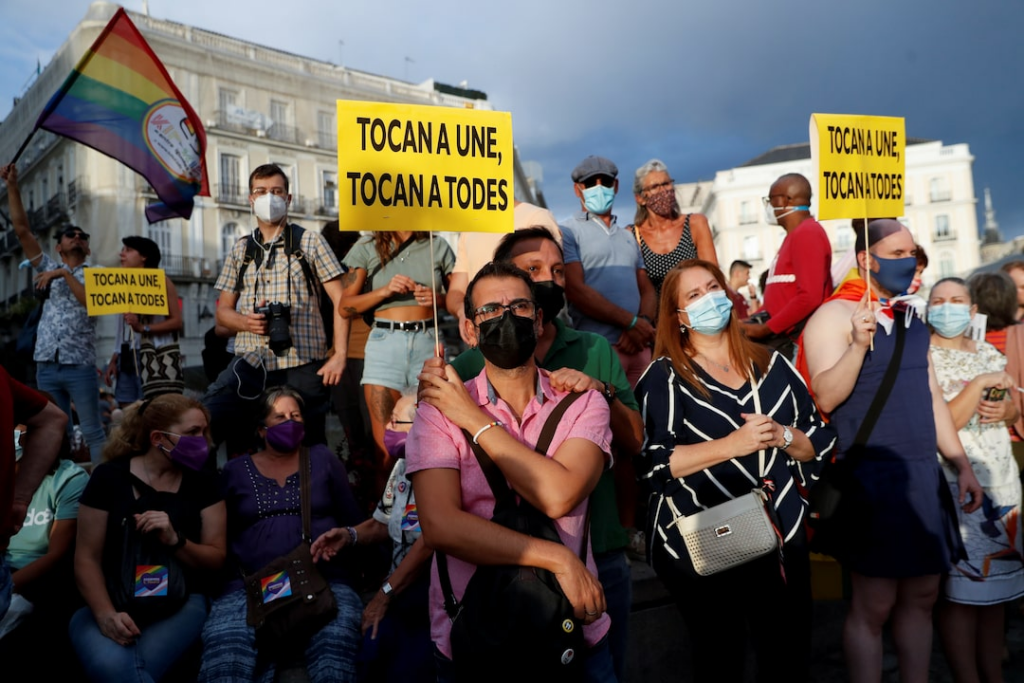
Community responses to hate crimes are essential in fostering solidarity and resilience among affected groups. Following the devastating Christmas Day attack, London’s LGBTQ+ community and allies have rallied together to condemn the violence and support the victims. Vigils and awareness campaigns have emerged as platforms for collective mourning while also raising awareness about the ongoing issues of homophobia. Demonstrating unity in the face of adversity not only honors the victims but also uplifts the community by advocating for change and safety.
Furthermore, community organizations are vital in providing support services to those affected by hate crimes. From emotional support to legal assistance, such organizations play an integral role in helping individuals navigate through their trauma while encouraging them to speak out against violence. With heightened awareness and continuous community dialogue, there is hope for creating an atmosphere where diversity is celebrated and hate is systematically challenged, ultimately working towards a more inclusive society.
Legal Definitions and Protections Against Hate Crimes
Legal definitions surrounding hate crimes are critical for accurately addressing and prosecuting acts of violence that are motivated by bias and discrimination. The Christmas Day attack emphasizes the necessity for clear legal frameworks that encompass the complexities of hate-based violence, particularly concerning the LGBTQ+ community. Laws that are explicitly defined to include sexual orientation as a protected category help ensure that the motivations behind such violence are acknowledged and taken seriously in court. The ongoing Anthony Gilheaney trial serves as a pivotal test for such legal standards.
Moreover, understanding legal protections against hate crimes informs communities about their rights and available recourse when facing discrimination based on sexual orientation. Educational initiatives that focus on these aspects are essential in empowering victims and advocating for justice. As society increasingly confronts the realities of hate-driven violence, reinforcing legal protections and fostering community awareness become paramount to safeguarding the rights and safety of all individuals.
The Broader Implications of Hate Crimes on Society
The implications of hate crimes like the Christmas Day attack extend beyond individual victims, impacting society at large. Such acts of violence generate a pervasive atmosphere of fear and mistrust, particularly within marginalized communities. When individuals fear that they may be targeted based on their identity, it diminishes their sense of belonging and participation in public life. This ripple effect threatens the social fabric—it prevents communities from uniting and engaging meaningfully due to the overshadowing effects of distrust and anxiety.
Moreover, hate crimes establish a dangerous precedent that can normalize violence against specific groups, further perpetuating cycles of discrimination and prejudice. It becomes imperative for society to actively reject hate while promoting inclusivity and understanding. As members of diverse communities come together to stand against violence, there lies an opportunity to cultivate change that fosters mutual respect. The collective commitment to upholding human dignity can reshape societal attitudes, challenge harmful narratives, and work toward eradicating hate in all its forms.
Frequently Asked Questions
What happened during the Christmas Day attack in London involving a gay couple?
On Christmas Day 2024, a gay couple, Marcelo Basbus-Garcia and Miguel Waihrich, were targeted in a homophobic attack as they returned from Midnight Mass in London. A driver, Anthony Gilheaney, allegedly ran them over with his car during a violent rampage that resulted in the death of Aidan Chapman and serious injuries to others.
What charges is Anthony Gilheaney facing related to the homophobic attack?
Anthony Gilheaney is on trial for one count of murder, three counts of attempted murder, grievous bodily harm, and wounding related to the homophobic attack that left Aidan Chapman dead and injured others, including the gay couple involved.
What were the circumstances surrounding the attack on the gay couple after the Midnight Mass?
The gay couple, Marcelo Basbus-Garcia and Miguel Waihrich, were struck by Anthony Gilheaney’s car twice during a homophobic attack after attending Midnight Mass in London. Witnesses reported that Gilheaney drove at them at high speed, targeting them as they tried to escape.
How did witnesses describe the behavior of Anthony Gilheaney during the attacks?
Witnesses described Anthony Gilheaney as aggressive and out of control during the Christmas Day attack. He was reported to have shouted in the street before reversing his car at high speed, attempting to hit multiple pedestrians, including the gay couple.
What was the outcome for Aidan Chapman after the Christmas Day attack?
Aidan Chapman suffered catastrophic brain injuries after being struck by Anthony Gilheaney’s car during the homophobic attack and tragically died in the hospital on New Year’s Eve.
How did the gay couple respond during the attack by Anthony Gilheaney?
During the homophobic attack, Miguel Waihrich attempted to protect Marcelo Basbus-Garcia by using his body as a shield when Gilheaney’s car approached. Both men sustained serious injuries as a result of the attacks.
Is the attack on the gay couple being classified as a hate crime?
Yes, the prosecutor has stated that the attack on the gay couple was homophobic in nature, indicating that it is being classified as a hate crime within the context of the ongoing trial against Anthony Gilheaney.
What impact did the attacks have on the community following the Christmas Day incidents?
The Christmas Day attack has raised concerns within the LGBTQ+ community in London regarding safety and the increase of violence related to homophobia. It has sparked discussions on the need for more robust protections and support against hate crimes.
| Key Point | Details |
|---|---|
| Incident Overview | A gay couple was attacked while returning home from Midnight Mass on Christmas Day, 2024, resulting in one fatality. |
| Accused Details | Anthony Gilheaney, 30, is on trial for running over multiple pedestrians, resulting in a death and serious injuries. |
| Victims | 25-year-old Aidan Chapman died; his partner, Miguel Waihrich, and Marcelo Basbus-Garcia suffered severe injuries. |
| Nature of the Attack | The attack is described as homophobic, with accusations that Mr. Gilheaney targeted the couple due to their sexual orientation. |
| Eyewitness Accounts | Witnesses reported Mr. Gilheaney driving aggressively, attempting to hit pedestrians, including a family with a baby. |
| Trial Proceedings | The trial is ongoing, with multiple accounts of the events leading to the tragic consequences for the victims. |
Summary
A homophobic attack occurred on Christmas Day 2024, devastating the lives of many individuals involved. The trial of Anthony Gilheaney highlights the tragic consequences of hate-fueled violence, as a gay couple was specifically targeted during a festive outing. This incident raises significant concerns about the ongoing issues of homophobia and public safety in our communities. As the trial unfolds, it serves as a stark reminder of the need for heightened awareness and action against such acts of violence.