
Listen to this article
Homelessness in London has reached alarming levels, with rising rates of rough sleeping starkly highlighting the city’s ongoing homelessness crisis. This epidemic affects thousands, as individuals like Moses navigate the streets in search of safety and stability. Organizations like the Salvation Army provide vital support services, offering meals and shelter to those in need, yet the demand far exceeds the available resources. Community support is essential as cities struggle to implement effective housing strategies to accommodate the growing number of displaced residents. As we confront this complex issue, the need for comprehensive housing solutions for the homeless becomes increasingly urgent.
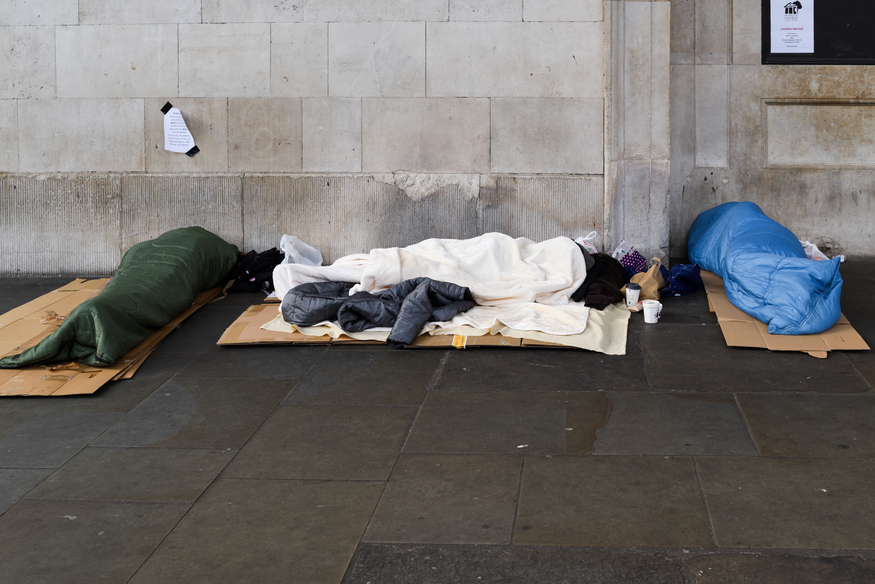
In the vast urban landscape of London, many individuals find themselves lacking secure shelter, facing a daily battle against the elements and societal indifference. The plight of those living without homes—often referred to as rough sleepers—paints a stark picture of the city’s social challenges. With increasing visibility of the struggles faced by the homeless community, support systems are being tested to their limits. Charitable organizations are stepping in to offer hands-on assistance, yet the struggle for sustainable housing solutions remains paramount. Addressing such an ongoing issue requires not only immediate aid but also long-term strategies to create inclusive housing for the disenfranchised.
Understanding the Rising Rates of Rough Sleeping in London
Rough sleeping in London has reached alarming levels, with recent statistics indicating that the number of individuals living on the streets has surged significantly. According to data compiled by the Combined Homelessness and Information Network (CHAIN), from October to December 2025, there was an 18% increase in people termed as ‘living on the streets,’ with figures climbing from 704 to 830. This trend paints a stark image of the homelessness crisis in London, where the harsh realities of life without a permanent home become more pronounced with each passing month.
As we analyze the increasing rates of rough sleeping in London, it is crucial to comprehend the various factors contributing to this crisis. Economic instability, rising living costs, and an inadequate supply of affordable housing are just a few of the elements exacerbating the situation. Community support and intervention from charities like the Salvation Army play a vital role in deploying immediate assistance to those in need, but without systemic change and increased availability of housing for the homeless, the problem is likely to persist and grow.
Moses’s Journey: From Despair to Finding Community Support
Moses’s story highlights the darkness that often envelops those who find themselves sleeping rough in London. Once a proud father with a stable job and home, his life took a drastic turn when health issues led to job loss and subsequent eviction. His description of being on the streets, coupled with the emotional pain of watching his son experience shame, underscores the personal toll that homelessness takes on families. However, through his relationship with the Salvation Army at Chalk Farm, Moses has found not only immediate support but a sense of belonging that has rekindled his hope.
The Salvation Army’s drop-in service has been instrumental for Moses, providing essential resources such as meals, showers, and clothing. These services, coupled with the compassionate support from workers like Major Michael Kinnear, showcase the impact that community intervention can have on individuals facing homelessness. Yet, Moses’s journey exemplifies a broader issue as he continues to seek permanent housing while navigating the complexities of the welfare system. His experience sheds light on the urgent need for comprehensive housing solutions and support systems tailored to help individuals like Moses transition from crisis to stability.
The Role of Charities in Addressing the Homelessness Crisis in London
Charities serve as a lifeline for countless individuals experiencing homelessness in London. Organizations such as the Salvation Army provide crucial support—not only by offering immediate assistance through services like emergency accommodation and food provision but also by advocating for systemic changes to address the root causes of homelessness. As highlighted in Moses’s case, the compassionate care he received at Chalk Farm illustrates the importance of community support in offering not just survival, but dignity and respect to those who find themselves in desperate conditions.
Moreover, the role of charities extends beyond just providing aid; they are actively lobbying for policy changes that can lead to long-term solutions for the homelessness crisis. With rising numbers of people sleeping rough, the call for more social housing options grows louder. Charities like Crisis emphasize that the solution to homelessness will come when there is a comprehensive approach involving government action, increased funding for housing, and community support to ensure that everyone has access to safe and secure living spaces.
The Future of Homelessness Solutions in London
Looking forward, the urgency of addressing homelessness in London cannot be understated. The mayor’s office has outlined intentions to end rough sleeping by 2030, a goal that necessitates a collaborative effort between government bodies, charities, and the community. With funding initiatives such as the £3.6 billion National Plan to End Homelessness and a commitment to refurbishing empty homes, there is a glimmer of hope. Yet, these efforts need to translate into meaningful action to ensure that the increasing rates of homelessness are effectively tackled.
The sustainable solution to homelessness must involve an integrated approach that includes not only the creation of more housing but also ongoing community support for individuals transitioning out of rough sleeping. Programs offering practical assistance, mental health services, and job training are essential to help former rough sleepers reintegrate into society. The combined effort of charitable organizations, like the Salvation Army, with local government initiatives can help shift the narrative around homelessness from temporary relief to long-term solutions, fundamentally changing the landscape for those vulnerable in London.
The Importance of Community Support Systems
Community support systems are paramount in combating the homelessness crisis in London. Through grassroots initiatives, local charities provide immediate relief and foster a sense of belonging among the homeless population. Programs offering services such as shelter, meals, and health care not only serve urgent needs but create a framework for healing and rebuilding lives. Moses’s story exemplifies how the connection to a caring community can make a profound difference in the journey towards recovery, as he found solace and purpose at the Salvation Army.
Moreover, the collaboration between local authorities and community organizations enhances the efficacy of support mechanisms in place. By working together, they can offer coordinated resources, reducing redundancy and maximizing impact. This solidarity is vital in ensuring that everyone facing homelessness receives the care they require. Strengthening community bonds and cultivating empathy for those experiencing homelessness will be essential in bridging the gap from mere survival to thriving within society.
Addressing Systemic Barriers to Housing for the Homeless
Beyond immediate support services, it is critical to address the systemic barriers that hinder access to housing for the homeless. A significant portion of the homelessness crisis in London stems from factors such as soaring rents, a shortage of affordable housing, and insufficient knowledge of the welfare system. Individuals like Moses often find themselves lost in the complicated networks that comprise social services, making it more challenging to secure a stable living environment. Awareness of available resources and assistance is vital in navigating these challenges.
Systems must be established that guide individuals through the process of obtaining housing, encompassing legal support, financial counseling, and social services. This holistic approach can empower those facing homelessness to overcome obstacles and regain their independence. Collaborative efforts among charities, local governments, and community organizations will be crucial in dismantling these barriers and devising practical pathways to sustainable housing solutions for the homeless.
Government Initiatives Aimed at Ending Homelessness
The UK government has recognized the critical need to address homelessness, launching various initiatives aimed at providing permanent solutions. The recent commitment of £3.6 billion through the National Plan to End Homelessness is a landmark step in tackling this persistent issue. This financial backing is designed to assist local authorities in creating sustainable housing options and implementing support programs for those affected by homelessness. However, the need extends beyond just funding to encompass effective management and implementation of these programs.
In addition, government initiatives must simultaneously focus on preventative measures, aiming to address the conditions that lead to homelessness in the first place. By investing in support services that help individuals maintain their tenancies and avoid eviction, authorities can significantly reduce the risk of homelessness. These preventative strategies, combined with committed resources, can create a systemic change to ultimately end the cycle of homelessness in London.
The Personal Impact of Homelessness on Families
Homelessness has a profound impact not only on individuals but also on families. As seen in Moses’s story, the reality of living on the streets is often accompanied by feelings of shame and fear, particularly for parents raising children in such precarious conditions. The disruption of family life during homelessness can lead to long-lasting emotional scars and impede the development of children, creating a cycle that is difficult to break. This emphasizes the necessity for family-inclusive approaches when providing support to the homeless.
To effectively address the needs of families experiencing homelessness, services must expand to offer tailored support that acknowledges the unique challenges they face. Emotional and psychological support, educational opportunities for children, and resources for parents can significantly alleviate some of the burdens they carry. Recognizing homelessness as a family issue paves the way for comprehensive strategies that ensure that families are not left behind in the crisis.
Local Perspectives on the Homelessness Crisis
The perspectives of local residents often shape the discourse surrounding homelessness in London. While many communities demonstrate compassion and support towards the homeless, there can also be apprehension regarding the visibility of rough sleeping and its impact on local neighborhoods. Engaging community members in conversations about homelessness can foster understanding and dispel misconceptions. Education about the realities faced by those experiencing homelessness can cultivate empathy, turning skepticism into support.
Local perspectives play a crucial role in advocating for effective policies as well. When community members unite to voice their concerns and advocate for necessary changes, they can pressure local governments to prioritize homelessness initiatives. This collective action reinforces the notion that addressing homelessness is not only a charitable endeavor but a shared responsibility that requires collaboration from all sectors of society. Empowering local communities to engage in this issue helps forge a path towards innovative solutions and lasting societal change.
Frequently Asked Questions
What are the current statistics on rough sleeping in London?
As of October to December 2025, rough sleeping in London has reached a record high, with the number of individuals living on the streets increasing by 5% from the previous period, rising from 4,612 to 4,841. This includes an additional 135 new rough sleepers.
How does the Salvation Army support the homeless in London?
The Salvation Army offers vital support to the homeless in London by providing services such as hot meals, showers, and fresh clothing, particularly through their drop-in services in locations like Chalk Farm. Their approach is non-judgmental, ensuring that anyone who comes through their doors receives the help they need.
What is being done to address the homelessness crisis in London?
To tackle the homelessness crisis, the Mayor of London, Sadiq Khan, aims to end rough sleeping by 2030. Initiatives include a £3.6 billion National Plan to End Homelessness, and over £759 million in funding for local authorities to protect rough sleepers and help them secure stable housing.
How can community support help those experiencing homelessness in London?
Community support plays a crucial role in assisting those facing homelessness in London by providing resources like emergency accommodation, food services, and advocacy. Charities, local residents, and organizations work together to create a safety net for rough sleepers, offering not just immediate relief but pathways to permanent housing.
What housing options are available for the homeless in London?
Homeless individuals in London have access to various housing options, including emergency shelters, temporary accommodations provided by local councils, and longer-term social housing initiatives aimed at securing stable living conditions for those formerly experiencing homelessness.
How can I help support the homelessness crisis in London?
You can help support the homelessness crisis in London by donating to local charities like the Salvation Army, volunteering your time at shelters, or advocating for policies that increase access to affordable housing and support for homeless individuals.
| Key Point | Details |
|---|---|
| Moses’ Collapse | Collapsed outside Victoria Station after months of living on the streets. |
| Support from Salvation Army | Moses found a supportive community and services at Salvation Army in Chalk Farm. |
| Rough Sleeping Statistics | Rough sleeping in London increased by 5% overall, with 18% more people living on the streets compared to last year. |
| Crisis Charity’s Comments | The stats represent a ‘normalized emergency’ needing more than just financial solutions. |
| Government’s Initiative | £3.6 billion National Plan to End Homelessness launched. |
Summary
Homelessness in London is an escalating crisis that requires urgent action. Moses’ story illustrates the struggles faced by individuals living on the streets, and while he has found support through the Salvation Army, the overall situation continues to deteriorate with rising rough sleeping statistics. The government and charities are calling for more significant efforts to provide housing and support to those in need.