Listen to this article
The recent Homeland Security shutdown has raised alarms among travel groups, signaling potential airport delays and significant disruptions for travelers. As the federal government partially shuts down due to a lack of funding for the Department of Homeland Security (DHS), concerns over TSA staffing issues have escalated. Without a funding deal, transportation security personnel may experience unscheduled absences, leading to longer wait times and increased anxiety for passengers traveling through airports. Industry experts emphasize that the repercussions of this government shutdown are not just a matter of inconvenience; they could have far-reaching effects on the economy as well. With Congress slated to take a recess soon, the urgency to resolve DHS funding becomes evident as travelers brace for possible travel disruptions ahead.
The partial closure of government operations has created a ripple effect across various sectors, particularly in transportation and security services. As lawmakers grapple with budget negotiations, the impacts on essential services like the Transportation Security Administration (TSA) are being closely monitored. Travel organizations are voicing their concerns about the implications of this shutdown, particularly in terms of heightened security challenges and extended queues at airports. A prolonged lack of funding could compromise the efficiency of border security and migration management, potentially diminishing the safety of travelers. As the deadlock persists, stakeholders from airlines to public safety agencies are left wondering how to navigate the uncertainty surrounding government funding and its subsequent effects on travel logistics.
Impending Airport Delays Due to Homeland Security Shutdown
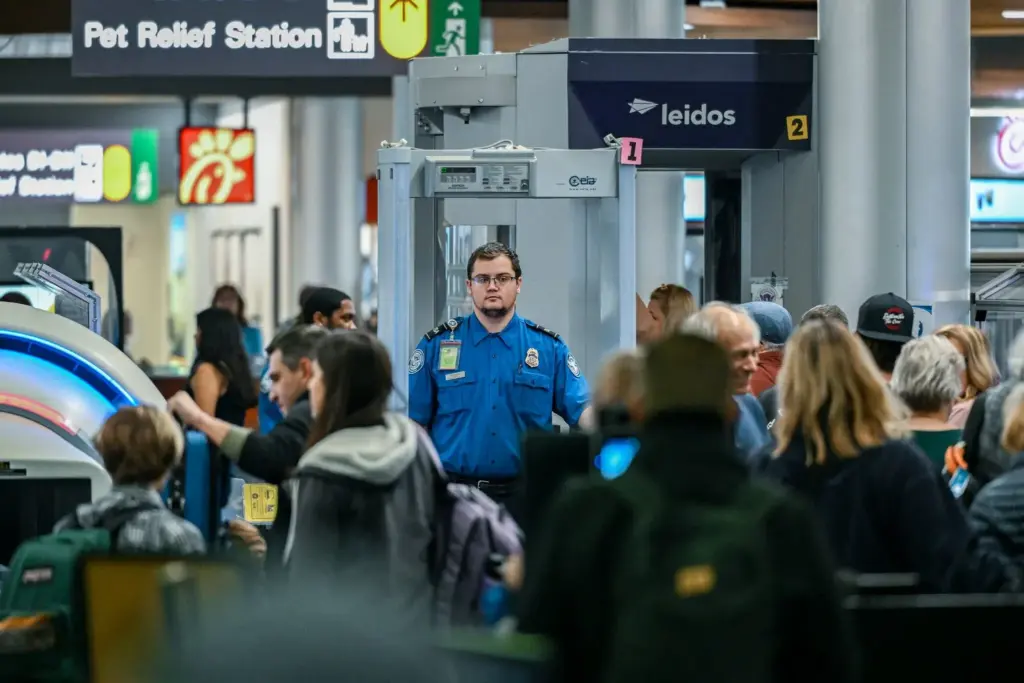
As the partial government shutdown unfolds, travelers are bracing for potential delays at airports across the United States. The primary concern arises from the increased risk of Transportation Security Administration (TSA) staffing issues, which could lead to longer security lines and, ultimately, delayed flights. According to Airlines for America, the freeze on DHS funding could result in unscheduled absences from TSA agents, further exacerbating the situation. Those delays could negatively impact not just travelers but also the broader economy, heavily reliant on the seamless functioning of air travel.
Travel groups are alerting the public that the effects of the Homeland Security shutdown could ripple through various airports, leading to a frustrating travel experience. Essential TSA personnel may be required to work without pay, increasing the likelihood of high absenteeism due to financial stress. This could create a backlog of passengers, as fewer agents will be available to perform security screenings. If Congress fails to resolve the budget impasse quickly, the long wait times at TSA checkpoints may lead to significant travel disruptions, especially in the busy travel seasons.
Effects of Government Shutdown on TSA and Travel Industry
The current partial government shutdown raises serious concerns about the operational capabilities of the Transportation Security Administration (TSA), which plays a vital role in ensuring the security of travelers. With the prospect of TSA employees going unpaid, many may choose to call in sick or seek alternative employment, leading to a ripple effect of staffing shortages. This scenario not only jeopardizes the security protocols at airports but may also lead to widespread flight delays as airlines struggle to maintain a smooth operation in the face of potential staffing crises.
In the context of the ongoing DHS funding standoff, the airline industry is acutely aware of the cascading impacts on travel. The lack of sufficient TSA staffing can escalate wait times at security checkpoints, fueling traveler frustration and ultimately impacting passenger numbers. As severe travel disruptions loom due to possible airport delays, airlines must adapt and manage their schedules proactively to minimize passenger inconvenience. The interdependence of TSA operations and airlines emphasizes the urgent need for lawmakers to reach an agreement and end the budget deadlock.
Political Stalemate: Congress and the Funding Crisis
The stalemate in Congress regarding DHS funding highlights the complexities of political negotiation, particularly surrounding immigration reforms. With Democrats insisting on stringent regulations for ICE as a condition for funding, the impasse has left crucial agencies like TSA vulnerable to budget shortfalls. This gridlock not only affects the functionality of these agencies but also creates uncertainty for the traveling public. The upcoming congressional recess until February 23 raises the stakes on how swiftly negotiators can secure a resolution before impending travel periods amplify frustrations among constituents.
Moreover, the historical context of past government shutdowns reveals a pattern of significant disruptions that can follow political deadlocks. The 43-day shutdown experienced last year serves as a cautionary tale; federal workers faced pay cuts, and travelers encountered unprecedented flight chaos. The current political standoff and its associated funding crisis could similarly threaten the operational readiness of TSA and its ability to support air travel during critical times. As tensions rise, a collaborative approach is essential for both parties to resolve these critical issues that directly impact millions of travelers.
The Long-term Implications of TSA Staffing Issues
As air travel continues to play a vital role in the economy, the long-term implications of TSA staffing issues resulting from the Homeland Security shutdown are worth considering. Prolonged periods of low staffing due to budget constraints could hamper TSA’s ability to maintain optimal security protocols, creating vulnerabilities that could threaten both public safety and travel efficiency. If these trends persist, it may lead to a reassessment of TSA’s operational effectiveness and necessitate reevaluations of how federal budgets are allocated.
Additionally, the effectiveness of the TSA has been called into question during previous shutdowns. If citizens come to perceive the TSA’s response measures as insufficient, public trust in government operations may wane, leading to decreased engagement in necessary travel. This compounded effect can have long-lasting repercussions on the travel industry, which relies heavily on the reliability of airport operations. By addressing TSA staffing issues head-on, lawmakers can help mitigate the risks associated with these long-term implications.
Challenges Ahead for the US Coast Guard Amid Budget Concerns
Another critical agency under the Department of Homeland Security, the US Coast Guard, faces its own challenges during the current government shutdown. The organization’s operational capabilities may be hindered significantly due to the lack of federal funding. With Vice Admiral Thomas Allan warning that even a brief lapse in funding could result in more than 56,000 Coast Guard personnel being unpaid, important missions may need to be halted. This is particularly concerning for a branch responsible for maritime safety and security that plays a crucial role in national defense.
If the government shutdown persists, the Coast Guard may be forced to suspend non-critical and non-lifesaving operations, further exacerbating the overarching ramifications of the budget deadlock. The shutdown highlights the interconnectedness of federal agencies and the potential for widespread disruption in essential services. As the public remains vigilant about travel and safety, it becomes apparent that the implications of a frozen budget extend far beyond just TSA operations.
Travel Groups’ Call to Action Amidst Uncertainty
In light of the growing concerns associated with the Homeland Security shutdown, travel groups are rallying for immediate action from lawmakers. Airlines for America and other organizations are stressing the urgent need for collaboration to ensure that essential TSA personnel can work without the stress of unpaid wages impacting their duties. Not only is this vital for maintaining the safety and security of travelers, but it will also help minimize delays and promote smoother airport operations as travelers plan their journeys.
The travel industry, heavily reliant on the confidence of passengers, cannot afford to lose momentum during these turbulent times. Travel advocacy groups are urging Congress to put aside partisan differences and consider the broader economic implications associated with a prolonged shutdown, which could lead to reduced travel, fewer jobs in the tourism sector, and a dampened economy. It’s crucial for all stakeholders to come together to forge a path forward that secures funding for necessary services, ensuring a robust travel experience for Americans.
Analyzing Communication Strategies During the Shutdown
Effective communication strategies during times of crisis are imperative, especially in relation to the ongoing Homeland Security shutdown. Travel groups and airlines have been proactive in informing both the public and policymakers about the potential ramifications of the shutdown on travel. Collaborative announcements emphasize the urgency of resolving funding issues while stressing the importance of a fully functional TSA to prevent travel disruptions. By ensuring transparent messaging, these organizations aim to bolster public awareness and influence legislative action.
Furthermore, as the shutdown continues, maintaining open lines of communication with travelers will help manage expectations and alleviate concerns. The ongoing dialogues between airlines, travel groups, and government officials can provide critical information on the status of TSA operations and any changes that could affect air travel. As stakeholders work to navigate the uncertainty, their ability to communicate effectively will be essential in mitigating the potential fallout from the funding crisis.
Potential Legislative Outcomes to Resolve Funding Issues
As the stalemate in Congress continues, potential legislative outcomes remain closely monitored by travel stakeholders. A thematic focus on addressing TSA staffing issues and the broader implications of the Homeland Security shutdown emerges as a critical point for negotiations. It is possible that compromises may lead to targeted funding for essential services while allowing space for broader discussions on immigration reform. This resolution could prevent costly travel disruptions and maintain the integrity of vital government functions.
Moreover, discussions surrounding potential funding measures may include contingency plans that allow TSA personnel to continue operation even during budgetary deadlock. In the event of such measures, agencies like TSA can receive some financial backing to ensure their staff can work with confidence. As negotiations proceed, it will become increasingly important for lawmakers to prioritize travel stability and safety as essential elements in discovering a viable solution to the ongoing funding crisis.
The Importance of Collaborating Across Party Lines
To address the urgent issues stemming from the Homeland Security shutdown, it is critical for lawmakers to collaborate across party lines. Bipartisan cooperation can yield swift resolutions that not only fund essential services but also enhance public trust. By acknowledging the intertwined nature of travel and security agencies, members of Congress can work together to create effective solutions that reduce the risk of travel disruptions stemming from the government’s budgetary standoff.
Engaging in constructive dialogue with travel groups and other stakeholders can also facilitate productive discussions that prioritize the economic impacts of the shutdown. Lawmakers are positioned to foster partnerships that focus on maintaining an efficient travel ecosystem, demonstrating accountability to the American public. Ultimately, resolving the funding crisis through collaborative efforts can safeguard critical operations, promote a stable travel environment, and pave the way for improved governance above party divisions.
Frequently Asked Questions
How will the Homeland Security shutdown affect airport delays?
The Homeland Security shutdown may cause significant airport delays due to increased unscheduled absences among Transportation Security Administration (TSA) personnel. Without funding, TSA agents might not receive their pay, leading to higher rates of absenteeism, longer lines, and wait times at airports.
What are the potential travel disruptions caused by the Homeland Security shutdown?
Travel disruptions resulting from the Homeland Security shutdown could include longer security screening times at airports and possible flight delays. As TSA workers face unpaid leave, airlines and travel groups warn of increased wait times and unscheduled absences among staff.
What is the relationship between DHS funding and TSA staffing issues during the shutdown?
The Department of Homeland Security (DHS) funding is crucial for maintaining TSA staffing levels. During the shutdown, a lack of funding could lead to TSA workers being unpaid, which can exacerbate staffing issues and ultimately result in increased airport delays and travel disruptions.
How might government shutdown effects impact travelers at airports?
The government shutdown effects might complicate travel by straining TSA operations. Travelers could face delays due to absentee TSA staff, resulting in longer wait times for airport security checks and potential flight delays.
Are prior government shutdowns an indicator of travel disruptions from the current Homeland Security shutdown?
Yes, previous government shutdowns, notably the 43-day shutdown experienced last year, serve as indicators of travel disruptions that may arise from the current Homeland Security shutdown. Past shutdowns resulted in significant delays and staff shortages at airports, which could recur without resolution.
Will the DHS shutdown have a lasting impact on airport operations?
While the immediate effects of the DHS shutdown could lead to airport delays and staffing issues at TSA, the impact on airport operations may not be as severe this time. The Federal Aviation Administration (FAA) is funded for the year, which could help mitigate some disruptions.
What actions are being taken to mitigate travel disruptions from the Homeland Security shutdown?
To mitigate travel disruptions from the Homeland Security shutdown, travel groups and airlines are urging for quick resolution in Congress to ensure that TSA personnel receive necessary funding. Additionally, securing funding for critical agencies like the FAA may help limit the overall impact.
| Key Point | Details |
|---|---|
| Partial Government Shutdown | The US federal government has partially shut down due to failure to reach an agreement on funding the Department of Homeland Security (DHS). |
| Impact on TSA | Increased risk of unscheduled absences among Transportation Security Administration (TSA) workers, leading to flight delays and longer wait times at airports. |
| Immigration and Customs Enforcement (ICE) Issues | Democrats seek stricter regulations on ICE as part of the funding agreement negotiations. Current funding for ICE remains unaffected by the shutdown. |
| Recess and Further Negotiations | Congress is in recess until February 23, which may extend the shutdown, although legislators might return earlier if progress is made in negotiations. |
| Historical Context | Last year’s prolonged government shutdown resulted in significant disruptions, lasting 43 days and affecting many federal workers and services. |
| DHS Funding and Agencies | The shutdown impacts multiple DHS agencies including TSA and the US Coast Guard. Funding is secured for the Federal Aviation Administration (FAA). |
Summary
The Homeland Security shutdown poses significant challenges as travel groups warn of potential airport delays and carryover impacts on TSA operations. With Congress in recess and essential negotiations stalled, the implications for travelers could be substantial if the shutdown extends. Efforts from both parties to reach a funding agreement remain critical to avoid repeating last year’s long disruptions.