Listen to this article
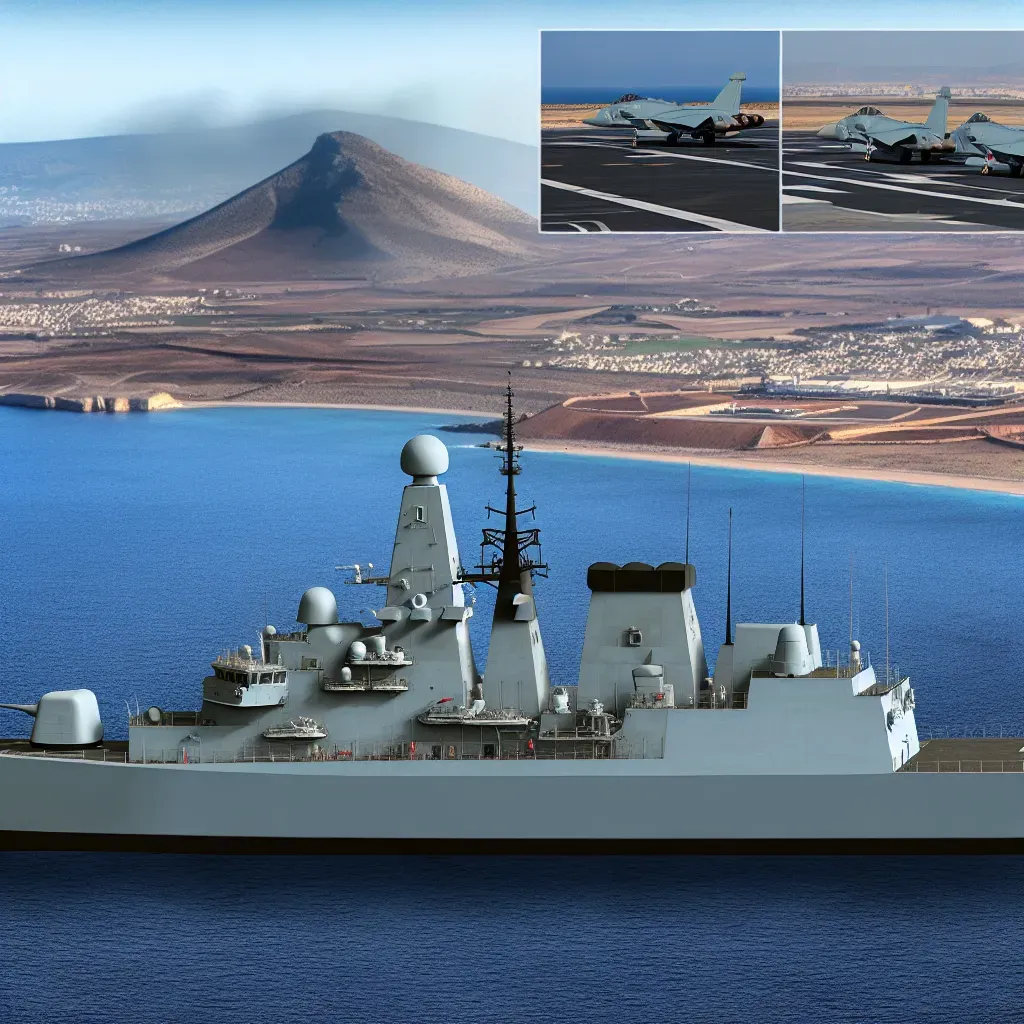
The upcoming deployment of HMS Dragon, a Royal Navy destroyer, marks a significant strengthening of the UK’s military presence in the Eastern Mediterranean. As the tensions surrounding the US-Israel conflict with Iran intensify, HMS Dragon’s mission is primarily focused on providing enhanced security for RAF Akrotiri in Cyprus. This deployment is particularly crucial in light of a recent drone strike that targeted the runway at the British airbase, highlighting the growing drone threat in the area. Equipped with advanced air defense capabilities, HMS Dragon will not only bolster security but also deter potential aggressors, ensuring that UK military interests are protected. The move aligns with the UK government’s commitment to collaborating with allies in the region to address the escalating conflict and ensure the safety of British personnel.
In the wake of rising tensions in the Eastern Mediterranean, the British government is mobilizing its military resources by sending a Royal Navy warship, HMS Dragon, to support RAF Akrotiri in Cyprus. This deployment serves to fortify UK military operations in the region as concerns about drone threats and aggressions from Iran grow. With recent drone incursions posing risks to the airbase’s operations, the introduction of HMS Dragon, known for its formidable air defense technology, aims to safeguard both personnel and assets. Furthermore, the deployment underscores the UK’s ongoing dedication to maintaining a secure and stable military presence in Cyprus as geopolitical dynamics shift with new threats emerging. As countries like France and Greece also bolster their presence, collaborative security measures in the Eastern Mediterranean will be strategically vital.
HMS Dragon Deployment in Response to Regional Conflicts
The deployment of HMS Dragon, a Type 45 destroyer, marks a significant step in fortifying the UK’s military presence in the Eastern Mediterranean. This decision comes amidst increasing tensions in the region, with the UK government prioritizing the security around RAF Akrotiri, a vital base in Cyprus. By sending this highly capable warship, the Royal Navy aims to enhance air defense mechanisms and deter potential threats, particularly from drone attacks that have become alarmingly prevalent due to heightened conflicts involving Iran.
HMS Dragon’s capabilities in air defense are unparalleled, featuring advanced missile systems that can launch multiple projectiles rapidly. The presence of this destroyer not only acts as a deterrent against hostile actions but also reassures UK military personnel stationed in Cyprus of their safety. The deployment illustrates the UK’s commitment to maintaining regional stability and supporting allies amid ongoing crises, particularly in light of recent drone strikes targeting RAF Akrotiri.
Security Measures Around RAF Akrotiri in Cyprus
With the recent drone threat highlighting vulnerabilities in air defense, the security of RAF Akrotiri has become a top priority for the UK government. The Ministry of Defence has indicated that measures are being taken to bolster ground-based air defense systems at the base, which already has some capabilities against drone assaults. The integration of HMS Dragon into this security framework reinforces the UK’s commitment to safeguarding its military assets and personnel in the Eastern Mediterranean.
Additionally, the dispatch of two Royal Navy Wildcat helicopters adds to the defensive capabilities surrounding the base, enhancing the ability to counter any aerial threats. These helicopters, armed with Martlet missiles, are specifically designed to engage and neutralize drone threats effectively. The overall military strategy aims to create a robust defensive posture not only around RAF Akrotiri but also throughout the region, potentially deterring further aggression from hostile entities.
The Role of the UK Military Presence in Cyprus
The UK military presence in Cyprus serves as a strategic foothold in the Eastern Mediterranean, allowing for rapid response capabilities in times of conflict. As tensions escalate in the region, this military establishment is essential for both national security and support for allied operations, reinforcing the UK’s role as a key player in regional stability. The commitment to maintaining this presence includes not only naval assets like HMS Dragon but also aerial support through advanced fighter jets that have recently been deployed.
Moreover, the UK government’s strategy in Cyprus is increasingly focused on collaborative defense efforts with allies such as France and Greece. The recent announcements from these nations to send their military resources to the region underscore a collective response to emerging threats, particularly the drone threat posed by adversaries in the region. This cooperation enhances the effectiveness of the UK military presence, ensuring that it is not only a deterrent but also a pivotal component in multinational defense operations.
Addressing the Rising Drone Threat in the Eastern Mediterranean
The rise of drone threats in the Eastern Mediterranean has escalated to the point where nations are compelled to enhance their defensive capabilities. Recent events, including a drone strike on the runway at RAF Akrotiri, underscore the urgent need for robust countermeasures. In response, the UK is not only deploying HMS Dragon but also utilizing its advanced aerial units like RAF Typhoon jets, which have successfully neutralized drone threats in the region.
The broader implications of drone warfare necessitate the integration of cutting-edge technology and strategic military assets to combat these ongoing threats. The Royal Navy’s deployment of Wildcat helicopters armed with Martlet missiles highlights a proactive approach to addressing the ever-evolving nature of aerial threats in the Eastern Mediterranean, ensuring that forces on the ground remain protected and capable of executing their missions without undue risk.
International Response to the Emerging Conflict
The escalation of conflict in the Middle East has prompted a robust international response, with various nations stepping up their military contributions to ensure regional security. France’s decision to deploy its aircraft carrier, the Charles de Gaulle, alongside Greece sending F-16 fighter jets, exemplifies a united front against the rising threats in the Eastern Mediterranean. These actions reflect a collective recognition of the importance of Cyprus as a strategic location for coordinated military efforts.
As countries align their military assets in response to Iran’s aggressive posture, the UK’s proactive stance in supporting RAF Akrotiri echoes a broader commitment to maintain a secure and stable environment in the region. The cooperative defense measures enhance deterrence and demonstrate that nations are prepared to act in solidarity in the face of regional aggression, thereby reinforcing the importance of communication and collaboration among allied forces.
Impacts of Drone Warfare on Military Strategies
The evolution of drone warfare has fundamentally changed military strategies across the globe, forcing nations to adapt and enhance their defensive postures. The UK, recognizing the urgent need to confront the drone threat, has integrated advanced technologies and armed platforms into its military operations. The deployment of HMS Dragon provides a critical air defense capability, reflecting an understanding of the challenges posed by unmanned aerial systems.
Military strategies now emphasize hybrid warfare that combines conventional military forces with advanced technologies designed to neutralize drone threats effectively. The Royal Navy’s recent shipments of Wildcat helicopters armed with Martlet missiles, capable of swift engagements, illustrate the strategic focus on prioritizing aerial defense over traditional warfare methods. This shift underscores the importance of flexibility and innovation in modern military doctrines as military powers respond to the complexities of aerial threats.
The Future of UK Military Presence in the Region
The future of the UK’s military presence in the Eastern Mediterranean appears increasingly pivotal in addressing regional instability and ensuring security for its assets and personnel. As drone threats become more pronounced, the UK’s commitment to bolstering its defenses is expected to persist, with continuous assessments of military readiness and responsiveness to challenges. The deployment of HMS Dragon and reinforced air defenses around RAF Akrotiri signals an enduring investment in regional security.
Furthermore, ongoing political dialogues with allies, including France and Greece, will likely shape the trajectory of the UK’s military strategy in the Mediterranean. Collaborative defense initiatives and shared resources may evolve, promoting resilience against burgeoning threats. With the UK’s strategic focus and international cooperation, the military presence in the region aims to foster stability and counteract the influence of adversarial entities effectively.
Political Implications of Military Deployments
Military deployments carry significant political ramifications, and the UK’s decision to send HMS Dragon to the Eastern Mediterranean is a reflection of its foreign policy priorities. Addressing the potential threats posed by Iran and its proxies, especially in light of the drone attacks, illustrates a firm stance on national security issues that resonate domestically and internationally. The deployment serves as both a defensive measure and a signal to allies that the UK remains committed to taking active measures to protect its interests.
Moreover, the political dialogues surrounding military engagement, including the UK’s collaboration with allies, highlight the complex interplay of diplomacy and military preparedness. As Sir Keir Starmer emphasizes accountability in UK foreign policy, these actions are designed not only to safeguard personnel and installations but also to ensure that the UK maintains its influence and credibility on the global stage amid rising tensions in the region.
Technological Advancements in Defence Mechanisms
Robust defense mechanisms are essential in countering the rising threats from aerial warfare, and technological advancements play a crucial role in this evolution. The Royal Navy’s deployment of HMS Dragon, equipped with state-of-the-art missile systems, exemplifies the integration of cutting-edge technology into military operations. The rapid response capabilities of these systems enhance the UK’s defense posture in the Eastern Mediterranean, allowing for swift action against imminent threats.
In addition, the use of advanced drone countermeasures, such as those integrated into the Wildcat helicopters, further fortifies military strategies against aerial threats. The Martlet missile system’s precision engagement capabilities showcase the shift towards technology-driven solutions to address modern warfare challenges. As military forces continue to innovate and adapt, the deployment of these sophisticated defense mechanisms serves as a testament to the ongoing evolution of military strategies in the face of emerging threats.
Frequently Asked Questions
What is the purpose of HMS Dragon deployment in the Eastern Mediterranean?
The deployment of HMS Dragon, a Type 45 Destroyer, aims to enhance security around RAF Akrotiri in Cyprus amid escalating tensions between the US and Iran. This Royal Navy destroyer is equipped with advanced air defence capabilities to protect against potential drone threats.
How will HMS Dragon enhance RAF Akrotiri security?
HMS Dragon’s deployment will bolster RAF Akrotiri security by providing sophisticated air defence mechanisms capable of countering drone threats, particularly after a recent drone attack on the base’s runway. Its capabilities will significantly augment existing ground-based air defence systems.
What is the significance of deploying HMS Dragon in response to the Eastern Mediterranean conflict?
Deploying HMS Dragon reflects the UK’s commitment to maintaining military presence and security in the Eastern Mediterranean, especially amidst the rising conflict involving Iran. It reinforces UK military presence in Cyprus and acts as a deterrent against increasing drone threats in the region.
What types of threats will HMS Dragon and the Royal Navy’s Wildcat helicopters address?
Both HMS Dragon and the Royal Navy’s Wildcat helicopters, equipped with Martlet missiles, are deployed to counter drone threats, which have become more prevalent in the Eastern Mediterranean. Their advanced capabilities enable them to respond swiftly to aerial assaults.
Why was HMS Dragon chosen over other Royal Navy destroyers for deployment?
HMS Dragon was chosen for deployment due to its advanced air defence capabilities and readiness status. As one of the most capable air defence warships, it provides essential protection for British forces in the region, in contrast to other destroyers currently undergoing maintenance.
How is the UK government responding to drone threats in the Eastern Mediterranean?
The UK government is responding to drone threats by deploying HMS Dragon, enhancing RAF Akrotiri’s security, and deploying additional assets such as two Royal Navy Wildcat helicopters. This approach ensures a robust military presence capable of countering potential drone attacks.
What measures does HMS Dragon have to defend against drone threats?
HMS Dragon is equipped with state-of-the-art air defence systems, including the ability to launch multiple missiles quickly. Its deployment, along with Wildcat helicopters armed with Martlet missiles, provides a comprehensive defence strategy against drone threats in the Eastern Mediterranean.
What recent events prompted the HMS Dragon deployment to the Eastern Mediterranean?
The deployment of HMS Dragon follows a recent drone strike on RAF Akrotiri’s runway, which raised concerns over security and drone threats in the region, leading to increased military readiness from the UK government.
What is the role of RAF Akrotiri in the context of HMS Dragon deployment?
RAF Akrotiri serves as a critical base in Cyprus for UK military operations. The deployment of HMS Dragon enhances its security, ensuring that British personnel and operations are protected amidst rising tensions and threats in the Eastern Mediterranean.
How does HMS Dragon fit into the broader UK military strategy in Cyprus?
HMS Dragon is a key component of the UK’s military strategy in Cyprus, reinforcing the UK’s commitment to regional security and stability. Its deployment signals operational readiness and a proactive stance against emerging threats in the Eastern Mediterranean.
| Key Points | Details |
|---|---|
| HMS Dragon Deployment | HMS Dragon, a Type 45 Destroyer, will be deployed to the eastern Mediterranean to enhance security around RAF Akrotiri, Cyprus. |
| Background Context | The deployment arises from escalating US-Israel tensions with Iran, following a drone attack on RAF Akrotiri. |
| Defensive Reinforcements | Two Royal Navy Wildcat helicopters with Martlet missiles will also be sent to combat drone threats. |
| Security Commitment | UK government emphasizes commitment to Cyprus security amid regional threats. |
| International Reactions | France and Greece are also enhancing their military presence in the region in response to the crises. |
Summary
HMS Dragon deployment signifies a strategic reinforced military presence by the UK in the eastern Mediterranean, particularly around RAF Akrotiri in Cyprus. This action is a response to the escalating tensions in the region due to the ongoing US-Israel conflict with Iran, highlighting the UK’s commitment to ensure the safety of British personnel and interests. With the deployment of not only a Type 45 Destroyer but also Wildcat helicopters, the Royal Navy aims to enhance air defense capabilities against potential drone threats. The situation underscores the complexity of international relations as other nations, including France and Greece, respond similarly, demonstrating collective efforts to safeguard regional stability.