
Listen to this article
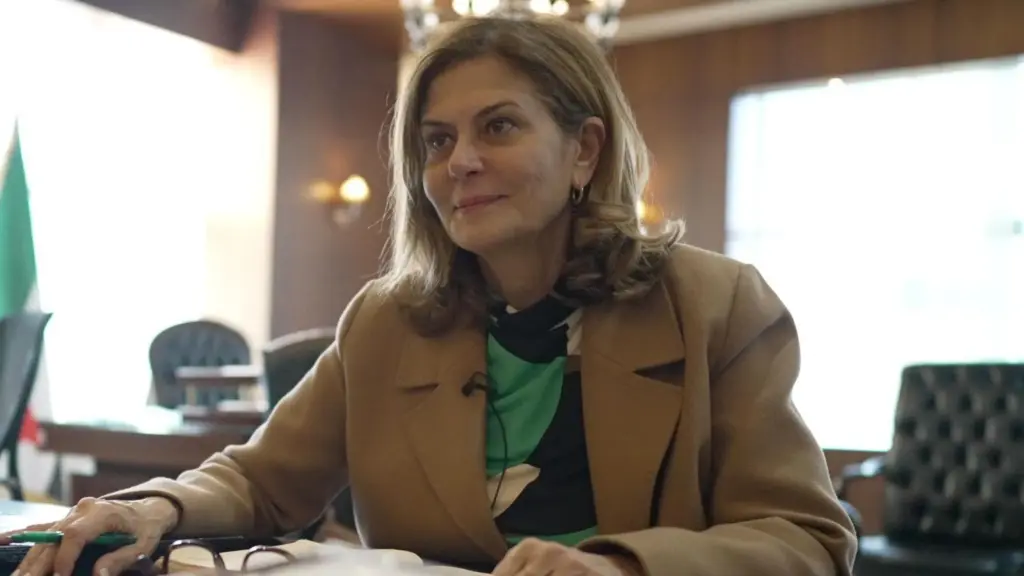
Hind Kabawat is emerging as a transformative figure in Syria, serving as the only female minister in the transitional government. With a fierce commitment to promoting women’s leadership in a post-conflict environment, Kabawat’s role is more than a symbolic gesture; she is at the forefront of tackling pressing social issues in a nation recovering from years of civil strife. In a recent interview, she openly questioned the underrepresentation of women in government, highlighting the need for more female voices in decision-making processes. As a social justice advocate, Hind Kabawat addresses crucial gender issues while representing marginalized communities affected by war and conflict. Her work emphasizes the importance of inclusivity and the empowerment of women in a society striving for stability and progress.
In the evolving landscape of Syrian governance, the appointment of Hind Kabawat shines a light on the broader theme of female representation within leadership roles. As the sole minister among a predominantly male cabinet, she embodies the aspirations of many women striving for equality in a nation grappling with the aftermath of conflict. The challenges faced by women in positions of power in Syria highlight critical gender dynamics within the transitional government. By prioritizing initiatives that uplift women, Kabawat champions a more equitable society where diverse voices contribute to political dialogue. Her leadership is a testament to the resilience and determination of women in Syria, advocating for their rights and participation in rebuilding their nation.
Hind Kabawat: Pioneering Change for Women in Syria
Hind Kabawat stands as a beacon for women in leadership roles in Syria, an inspiring figure in the country’s transitional government. As Syria’s sole female minister, her position in the cabinet carries significant weight, especially in a nation struggling with profound gender disparities exacerbated by a decade-long civil war. In an interview, she boldly challenged the prevailing status quo, stating, ‘I’m not here for window dressing.’ Kabawat’s dedication to empowering women is not merely a facet of her job; it is a personal crusade to shift societal norms and encourage female participation in governance and decision-making.
Her advocacy is particularly poignant in a country where women have been historically marginalized, especially during times of conflict. Kabawat’s push for more female representation in the government aligns with broader calls for gender equity in post-conflict societies. As she noted in her speeches and meetings, addressing the underrepresentation of women in positions of power is essential for a holistic recovery process in Syria. The clear link between women’s empowerment and sustainable peace underscores her commitment to altering the narrative and future of Syria.
Women in Leadership: A Call for More Representation
Women’s role in Syria’s political landscape is evolving, yet significant barriers remain. Hind Kabawat has advocated tirelessly for increased female representation in her government, particularly highlighting that only 4% of the recent parliamentary elections were awarded to women. This alarming statistic mirrors the systemic issues that women face in Syria, where post-conflict gender issues continue to impede their capacity to influence legislative and social reforms. By pushing for change, Kabawat aims to inspire a new generation of women leaders who can navigate the complexities of a transitioning society.
The response to her call for increased visibility and involvement of women in politics is crucial as Syria rebuilds. The societal shifts required for this transformation demand strategic political engagement from women at all levels. Kabawat’s efforts in promoting women’s candidacy in the recent elections illustrate her commitment to not only pushing for better representation but also instilling a sense of civic responsibility among women across the nation. Her message resonates deeply within diverse communities, underscoring the necessity for collective action to ensure women’s voices are heard and valued.
Post-Conflict Gender Issues: Bridging Divides in Syrian Society
Syria’s pathway to recovery is riddled with challenges, particularly concerning post-conflict gender issues. As the country grapples with the aftereffects of extensive sectarian violence, Hind Kabawat’s efforts to address these issues stand out. She acknowledges that many women, particularly widows and those displaced by years of war, are now bearing the brunt of societal upheaval. Her initiatives focused on creating programs that empower these women not only provide essential support but also play a vital role in rebuilding trust among communities torn apart by conflict.
In her tenure, Kabawat emphasizes the significance of inclusive governance as a means to heal divisions within society. During her visits to various communities, she has implemented recovery programs tailored specifically for women, aiming to not only alleviate immediate economic hardship but also to foster social cohesion. As a result of her outreach efforts, countless women are gaining the skills necessary to rebuild their lives post-conflict, thereby challenging the traditional gender roles that have dominated Syrian society for decades.
Building Trust and Peace: The Role of Dialogue
In her commitment to fostering trust and peace in Syria, Hind Kabawat champions dialogue as a fundamental tool for reconciliation. Her background as a lawyer and negotiator lends credibility to her discourse on the importance of open communication between governmental bodies and the populace. She firmly believes that re-establishing trust—both ‘people to people’ and between the government and citizens—is vital for navigating the complexities of a post-conflict society. Kabawat’s strategy includes engaging with various community factions to facilitate constructive discussions that address grievances and encourage collaborative solutions.
The events witnessed during her engagements highlight the potential for dialogue to bridge gaps between divided communities. By focusing on common goals and shared futures, Kabawat’s approach creates a nurturing environment where individuals can express their concerns and aspirations openly, thereby solidifying the foundation for lasting peace. Her belief in the transformative power of dialogue reflects a broader trend in conflict resolution, showcasing how women’s leadership can drive social change in a historically patriarchal society.
Empowerment Through Education: Kabawat’s Vision for the Future
Education emerges as a pivotal theme in Hind Kabawat’s vision for empowering women in Syria. Through her initiatives, she has sought to provide educational opportunities that equip women with the skills necessary to thrive in post-conflict settings. Kabawat understands that education not only transforms individual lives but also fosters broader societal changes, thus she’s dedicated to expanding access to education for women and girls across Syria. By promoting literacy and vocational training, she directly combats the effects of longstanding gender inequality.
Kabawat’s commitment to education is evident in her work with organizations she founded, such as Tastakel, which focuses on empowering women through community engagement and learning. This grassroots approach reflects her belief in collective action among women to push for their rightful place in society. By creating opportunities for women to learn and grow, she helps to cultivate a new generation of leaders who are motivated to challenge the socio-political norms in Syria, thereby ensuring that women’s contributions are recognized in the rebuilding process.
Challenges Ahead: Navigating the Path to Gender Equality
Despite the progress made under Hind Kabawat’s leadership, significant challenges remain in the pursuit of gender equality in Syria. Gender biases and cultural resistance continue to hinder women’s advancement in leadership roles, particularly within government structures. Kabawat has openly criticized the current administration for its slow progress in appointing women to key positions, highlighting that true change requires systemic reform rather than mere tokenism. She stands firm in her belief that addressing these barriers is crucial for the long-term success of any transitional government.
Additionally, the economic struggles facing Syria complicate efforts to promote gender equality. As the country grapples with rampant poverty and a lack of resources, many women are forced into traditional roles despite their aspirations for greater involvement in public life. Kabawat advocates for comprehensive strategies that not only empower women politically but also provide them with economic opportunities and stability. Her recognition of the interconnectedness of socio-economic factors reaffirms the necessity for an integrated approach to achieving gender equality in post-conflict Syria.
The Role of the International Community: Support for Women’s Rights
Hind Kabawat acknowledges the critical role of the international community in supporting women’s rights initiatives in Syria. With the ongoing humanitarian crisis, the need for external assistance in promoting gender equality and the rebuilding of societal structures cannot be overstated. Kabawat actively calls for increased international engagement in Syria’s recovery efforts, emphasizing that financial support should prioritize gender-focused programs. The impact of such aid can drive significant advancements in women’s inclusion and empowerment as the nation charts a path forward.
International cooperation, in conjunction with local leadership from figures like Kabawat, can foster an environment conducive to progress in gender equality. By sharing best practices and providing resources, global partners can help amplify the voices of women in Syrian society who remain determined to effect change. Kabawat’s leadership within the transitional government serves as a compelling case for the necessity of international support in securing a stabilizing future for all Syrians, thus reaffirming women’s essential role in the reconstruction of their torn nation.
Community Initiatives: Learning from Grassroots Movements
Grassroots movements have been pivotal in shaping the narrative of women’s rights in Syria, and Hind Kabawat’s work reflects this essence of community engagement. By collaborating with local organizations, she has been able to address the unique needs of women in various contexts, ensuring that their voices are central to the recovery conversation. Kabawat’s emphasis on community-led initiatives fosters a sense of ownership among women, empowering them to advocate for their needs and participate fully in the rebuilding process.
These community initiatives highlight the resilience of Syrian women, who have taken leadership roles even in dire circumstances. By harnessing the power of collective agency, women are crafting solutions that resonate within their communities. Kabawat’s approach showcases an understanding that to achieve significant change, empowering grassroots movements is essential. This not only elevates women’s status in society but also lays the groundwork for a more inclusive and equitable future for all Syrians.
The Importance of Gender-Inclusive Policies in Syria
As Syria continues to rebuild from years of conflict, the implementation of gender-inclusive policies has become crucial. Hind Kabawat advocates for policy frameworks that intentionally integrate women’s perspectives, ensuring that their needs and rights are prioritized. These initiatives can significantly influence a wide range of issues, from economic recovery to social cohesion, and are essential for creating a balanced and equitable society. Kabawat’s insight emphasizes that gender inclusivity should not be an afterthought but a foundational principle in any rebuilding endeavor.
The impact of gender-inclusive policies extends beyond immediate relief and addresses long-term societal healing. By focusing on women’s contributions to governance and decision-making, Kabawat believes that Syria can nurture a more resilient and stable environment. Her insistence on women’s active involvement in policy formation illustrates not only her commitment to gender equality but also her understanding of its critical importance in creating a sustainable future for a country emerging from the shadows of conflict.
Frequently Asked Questions
What is Hind Kabawat’s role as Syria’s only female minister?
Hind Kabawat serves as Syria’s Minister for Social Affairs and Labor, holding the distinction of being the sole female minister in the transitional government. She advocates for women’s representation in leadership positions and seeks to address the pressing needs of vulnerable populations in Syria post-conflict.
How does Hind Kabawat address women’s leadership in Syria?
Hind Kabawat emphasizes the importance of women’s leadership in Syria’s transitional government by questioning the lack of female representation in leadership roles. She actively encourages women to engage politically and strategically to ensure their voices are heard and represented in the new government.
What challenges does Hind Kabawat face in her position?
Hind Kabawat faces significant challenges in her role, including navigating a cabinet dominated by allies of the president, addressing societal divisions caused by sectarian violence, and meeting the urgent needs of displaced and vulnerable populations in a financially devastated Syria.
What initiatives does Hind Kabawat promote for women in post-conflict Syria?
Hind Kabawat promotes initiatives aimed at empowering women through education, political participation, and community engagement. She advocates for women’s rights and supports programs that enable women to acquire skills for independence and decision-making power in the post-conflict reconstruction of Syria.
What has Hind Kabawat stated about post-conflict gender issues in Syria?
Hind Kabawat has voiced her concerns about post-conflict gender issues in Syria, highlighting that the transition period has been challenging for women, particularly in securing representation and addressing their needs in a society still coping with the aftermath of war.
How does Hind Kabawat view her position in the transitional government?
Hind Kabawat firmly believes that she is not in her role for ‘window dressing.’ She asserts her legitimacy as a minister based on her dedication to serving all Syrians, and she is determined to pursue her strategies for social progress and women’s empowerment without being constrained by identity politics.
What impact has Hind Kabawat’s advocacy had on women in Syria?
Hind Kabawat’s advocacy has inspired a growing movement among women in Syria to pursue leadership roles, promote gender equality, and participate actively in the political process, thereby fostering a more inclusive society and contributing to the country’s reconstruction efforts.
What are some accomplishments Hind Kabawat has achieved in her tenure?
Hind Kabawat has made strides in advocating for the integration of women into the government, addressing social welfare issues for orphans and widows, and promoting educational initiatives aimed at empowering young women across Syria.
How does Hind Kabawat plan to tackle the economic challenges facing Syria?
Hind Kabawat aims to tackle Syria’s economic challenges by creating job opportunities and supporting infrastructure development, all while advocating for international support and collaboration to rebuild the country and alleviate poverty.
What is the significance of Hind Kabawat’s background as a lawyer and negotiator?
Hind Kabawat’s background as a lawyer and negotiator is significant as it equips her with the skills needed to navigate complex political landscapes, advocate for human rights, and engage in dialogue necessary for building trust and fostering peace within Syrian society.
| Key Points | Details |
|---|---|
| Hind Kabawat’s Position | Syria’s only female minister advocating for social reform and women’s rights. |
| Call for Women’s Representation | Kabawat emphasizes the importance of having more women in government roles. |
| Challenges Faced | The government faces widespread poverty and mismanagement after the civil war. |
| Responsibility to Vulnerable Populations | Kabawat works for orphans, widows, and the displaced, prioritizing their needs. |
| Need for Trust and Peace | Kabawat stresses dialogue and mutual trust between government and citizens. |
| Economic Recovery | Rebuilding Syria is estimated to cost $200 billion due to war damages. |
| Personal Commitment | Kabawat insists on her autonomy in decision-making to truly affect change. |
Summary
Hind Kabawat plays a crucial role in advocating for change in post-war Syria. As the only female minister in the transitional government, she fights for the inclusion of women in decision-making processes, understanding the vital need for balance and trust in a nation recovering from conflict. Kabawat’s dedication to vulnerable populations highlights the urgent priorities of job creation and addressing the poverty crisis. She faces considerable challenges but remains committed to her strategy for growth and reform, emphasizing the importance of autonomy in her role. In doing so, she not only represents a symbol of hope for women’s empowerment but also works toward healing and uniting a divided society.

