Listen to this article
The Hillsborough Law has emerged as a pivotal piece of legislation in addressing public accountability, following the devastating events surrounding the 1989 Hillsborough disaster. Recently, the government retracted its proposed amendment to this law after backlash from the Hillsborough campaign and some Labour MPs, who expressed concerns regarding potential exemptions for security services. This legislation seeks to impose a legal duty on public authorities to cooperate transparently with inquiries and provide truthful information, a crucial step towards preventing future cover-ups. Families of victims have made it clear that any loopholes allowing MI5 or MI6 to evade accountability are unacceptable. As the conversation around public accountability intensifies, it remains vital for the government to navigate these complexities while reinforcing the integrity of the Hillsborough Law amendment.
Dubbed the Public Office (Accountability) Bill, the legislation aiming to enhance transparency in public institutions has become a focal point of debate. Advocates for this initiative, particularly those connected to the Hillsborough incident, are insisting on amendments that would ensure comprehensive accountability across security services. This demand stems from a historical context where families were left grappling with a lack of truthful information following tragedies. The proposed requirements for full disclosure underscore the need for a legal framework that protects citizens from potential state concealment. As discussions continue, the intentions behind this push will remain central to the ongoing quest for justice and systematic reform.
Government Withdrawal of the Hillsborough Law Amendment
In a significant development, the government has decided to withdraw the amendment to the Hillsborough Law that had sparked outrage among campaigners and some members of the Labour Party. This amendment, which was intended to strengthen public accountability by imposing a legal obligation on public authorities during inquiries, came under fire for potentially allowing MI5 and MI6 to avoid full transparency. Such a move has raised serious concerns about the integrity of future investigations, particularly those involving national security issues.
This decision reflects the mounting pressure from stakeholders who believe that the proposed changes would undermine the primary goals of the Hillsborough Law campaign. Campaigners have emphasized that true accountability requires that all public authorities, including the security services, operate under a blanket of transparency. The decision to retract the amendment highlights the government’s acknowledgment of this sentiment and their commitment to creating a robust legislative framework that holds all entities accountable.
Frequently Asked Questions
What is the Hillsborough Law amendment and why was it withdrawn?
The Hillsborough Law amendment aimed to impose a legal duty on public authorities to provide truthful cooperation in inquiries. It was withdrawn after backlash from campaigners and Labour MPs, who feared it would allow MI5 and MI6 to be exempt from disclosure.
How does the Hillsborough Law relate to public accountability?
The Hillsborough Law seeks to enhance public accountability by ensuring that all public authorities, including security services, have a legal obligation to provide accurate information during inquiries, thereby promoting transparency and trust.
What impact did the government retracting the Hillsborough Law amendment have on campaigners?
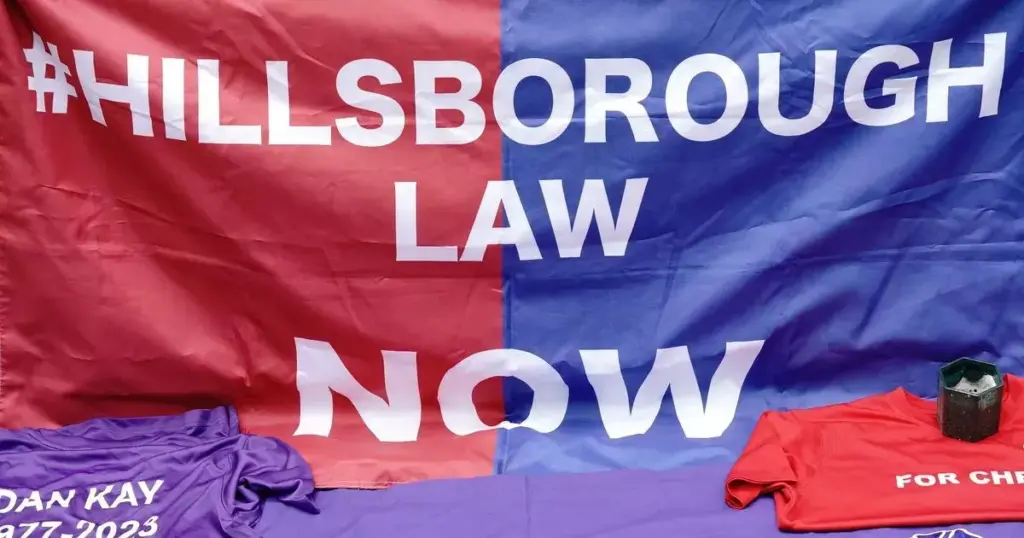
The withdrawal of the Hillsborough Law amendment was welcomed by campaigners, particularly the Hillsborough Law Now group, who are engaged in efforts to ensure the legislation fully includes security services without compromising national security.
Why do families affected by the Manchester Arena attack want MI5 included in the Hillsborough Law?
Families affected by the Manchester Arena attack demand MI5 be included in the Hillsborough Law to prevent potential cover-ups, ensuring that security service personnel are held to the same standards of accountability as other public servants.
What does the proposed Hillsborough Law intend to achieve regarding security services legislation?
The proposed Hillsborough Law, known formally as the Public Office (Accountability) Bill, aims to impose a ‘duty of candor’ on all public servants, including security service personnel, to ensure transparency and prevent future cover-ups, specifically holding agencies accountable for their actions.
How are Labour MPs responding to the Hillsborough Law amendments?
Labour MPs have expressed strong opposition to the Hillsborough Law amendments, advocating for legislation that applies fully to security services without exemptions to ensure comprehensive accountability in public inquiries.
What are the potential consequences of the Hillsborough Law if fully enacted?
If fully enacted, the Hillsborough Law would establish rigorous accountability measures for public authorities, compelling them to provide clear and truthful information during inquiries, thus empowering citizens and preventing state cover-ups.
What challenges does the government face regarding the Hillsborough Law legislation?
The government faces significant challenges in balancing national security with the need for public accountability in the Hillsborough Law, as there is substantial pressure from campaigners and Labour MPs to ensure comprehensive inclusion of security services in the law.
How does the Hillsborough campaign influence public perception of accountability?
The Hillsborough campaign has significantly influenced public perception of accountability by highlighting past injustices, advocating for transparency from public authorities, and emphasizing the need for laws like the Hillsborough Law to prevent future cover-ups.
Why is public support crucial for the success of the Hillsborough Law?
Public support is crucial for the success of the Hillsborough Law because it provides the necessary political pressure to ensure comprehensive reforms, promotes wider acceptance of the legislation, and encourages transparency from public institutions.
| Key Point | Details |
|---|---|
| Amendment Withdrawal | The government has withdrawn its amendment to the Hillsborough Law following backlash from campaigners and Labour MPs. |
| Proposed Legislation | The amendment aimed to impose a duty on public authorities for cooperation in inquiries but raised concerns about exempting MI5 and MI6. |
| Campaigners’ Reactions | The Hillsborough Law Now campaign welcomed the withdrawal and is open to further discussions to ensure full accountability of security services. |
| Labour MPs’ Support | Around 30 Labour MPs support a proposal to ensure the bill applies fully to security service personnel, highlighting potential rebellion against the government. |
| Government’s Stance | The government insists on not compromising national security while aiming for legislation that ensures transparency and accountability. |
| Full Inclusion Demand | Families affected by the Manchester Arena attack emphasize the need for MI5 to be fully included in the cover-up law to ensure accountability. |
| Public Inquiry Findings | A public inquiry revealed MI5’s failure to provide accurate intelligence regarding the Manchester Arena attack, supporting calls for full disclosure. |
| Legislation Challenges | There is concern that exemptions for security services create a loophole that undermines the intent of the Hillsborough Law. |
Summary
The Hillsborough Law is designed to enhance accountability among public authorities, ensuring they cooperate with inquiries and provide truthful information, particularly in cases of disasters such as the Hillsborough tragedy and the Manchester Arena attack. The recent withdrawal of the government’s amendment highlights the ongoing dialogue and advocacy from families affected by these tragedies, emphasizing the need for comprehensive disclosure from intelligence and security services. It is crucial that the final legislation includes robust measures protecting the rights of bereaved families and preventing future cover-ups.