Listen to this article
Hillary Clinton’s upcoming testimony before the US House of Representatives marks a significant moment in the ongoing investigation into the crimes of Jeffrey Epstein, the notorious late sex offender. As both she and former President Bill Clinton prepare to face the House Oversight Committee, the couple has transitioned from a stance of refusal to one of cooperation, stating, “We have nothing to hide.” Previously accused of dodging questions about their connections to Epstein, the Clintons agreed to testify in order to avoid potential contempt proceedings. This testimony is especially relevant given the scrutiny over the Clinton Epstein connection and the couple’s association with Ghislaine Maxwell, a convicted collaborator of Epstein’s. With these developments prompting intense media interest, all eyes will be on Hillary Clinton as she seeks to clarify her ties to Epstein and assert their innocence in the matter.
As public interest escalates surrounding the Clintons’ upcoming hearings, it’s essential to recognize the broader implications of the testimony involving Hillary Clinton and Bill Clinton related to alleged associations with Jeffrey Epstein. The pair’s testimonies will provide essential insight into their interactions with known figures in Epstein’s world, along with the House Oversight Committee’s role in addressing concerns about illicit activities. This inquiry invites comparisons to other high-profile testimonies, potentially setting a precedent in political accountability. Notably, the reference to past meetings with Ghislaine Maxwell, who has been a controversial figure within Epstein’s circle, adds complexity to the narrative. As the inquiry unfolds, it shines a light on the overarching theme of transparency in political spaces involving powerful individuals and their connections.
Hillary Clinton Testimony Before House Oversight Committee
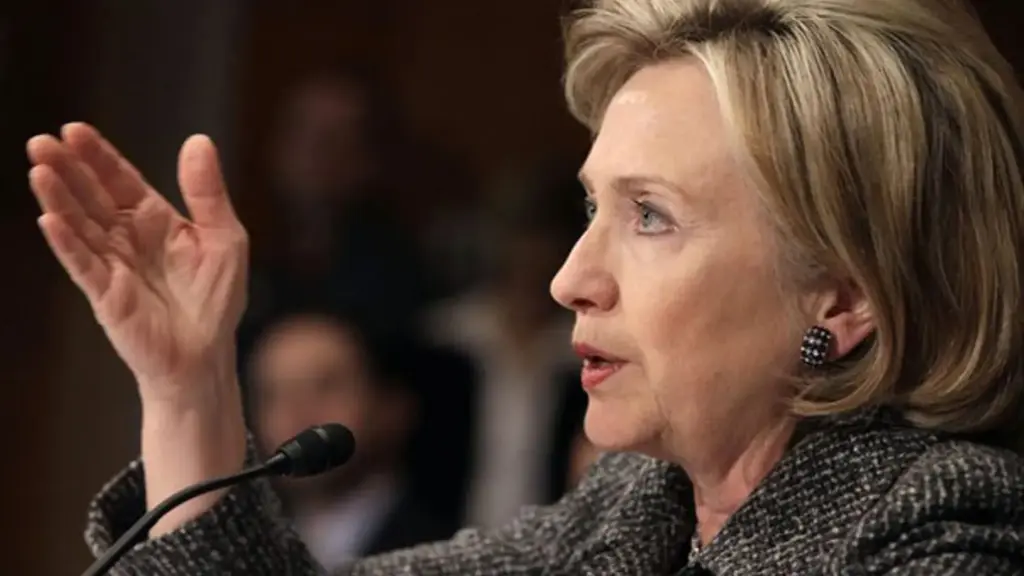
On Thursday, Hillary Clinton will testify before the House Oversight Committee, a significant moment that puts her at the forefront of an investigation into the notorious sex offender Jeffrey Epstein. This testimony comes after both Hillary and her husband, former President Bill Clinton, initially resisted calls to appear, describing the political motivations behind the inquiry. Their decision to provide testimony signals a pivotal shift and potentially prevents contempt of Congress proceedings from being invoked against them. As the committee delves into Epstein’s connections with high-profile individuals, Clinton’s appearance is expected to shed light on her limited interactions with Epstein’s network.
Despite her testimony, Clinton has consistently stated that she does not recall any meetings or conversations with Epstein. In her recent remarks, she portrayed the hearing as an opportunity to counter what she views as a partisan attack, asserting that both she and Bill Clinton have nothing to hide. This testimony is not merely a response to the investigation but also an attempt to clear the air regarding past allegations, reinforcing that both Clints are seeking transparency in a politically charged environment.
Bill Clinton’s Response and Testimony
Bill Clinton’s testimony follows closely on the heels of his wife’s, with the former president being expected to address the House panel on Friday. This will mark a historic event as it is the first instance of a former US president testifying to Congress since Gerald Ford in 1983. Bill Clinton has publicly distanced himself from Epstein, asserting that he ceased all ties with the financier two decades ago and expressing regret for any past associations. His testimony aims to clarify his position, especially as recent photos and text messages released by the DOJ reveal more about Epstein’s connections to prominent figures.
As the investigation unfolds, the Clintons have expressed concerns about the motivations behind the inquiry, citing a belief that it is politically motivated. They have accused committee chairman James Comer of using partisan tactics and claimed to have provided relevant information previously. The outcome of both testimonies will be closely monitored by the media and may set a precedent for how similar inquiries are conducted in the future, emphasizing that accountability applies to everyone, irrespective of their political stature.
Connection Between the Clintons and Epstein
The connection between the Clintons and Jeffrey Epstein has long been scrutinized, with many speculating about the nature and extent of their relationship. While Hillary Clinton has denied ever meeting Epstein, she acknowledges having interacted with his close associate, Ghislaine Maxwell, on a few times, notably at events such as Chelsea Clinton’s wedding. This admission has fueled ongoing curiosity and speculation about the Clintons’ connections to individuals ensnared in Epstein’s criminal network, leading to accusations and conspiracy theories circulating in political discourse.
Conversely, Bill Clinton has consistently reiterated that he cut ties with Epstein years ago and that any past associations have been exaggerated or misrepresented. By publicly addressing these lingering allegations during his testimony, both Clintons hope to dispel myths and clarify their standing in relation to Epstein’s crimes, further asserting their commitment to transparency and accountability amidst the deteriorating public trust in political figures.
Ghislaine Maxwell’s Role in the Clinton Narrative
Ghislaine Maxwell, who was intricately involved in Epstein’s operations, has emerged as a focal point in discussions about high-profile connections to Epstein, including the Clintons. Hillary Clinton’s acknowledgment of having met Maxwell, especially during significant family events, raises questions about the broader implications of these relationships. Critics argue that Maxwell’s connections to influential political figures encapsulate a troubling pattern within elite circles where power and privilege shield individuals from scrutiny, especially concerning serious criminal activities.
The overshadowing narrative of Maxwell’s conviction and her ties to individuals like Bill Clinton underscores the complexity of these testimonies. As Maxwell’s case continues to unfold legally, it serves as a reminder of the broader societal issues related to accountability in cases of sexual abuse and exploitation that dominated Epstein’s life. The ongoing hearings and the revelations from the Clintons are integral to understanding the stark realities of such connections and the significant public interest in ensuring justice.
Public Perception of the Clinton Testimony
The public’s perception of Hillary and Bill Clinton’s upcoming testimonies is mixed, reflecting deep political divides in contemporary society. While some view their participation in the House Oversight Committee hearings as a necessary step towards accountability, others perceive it as a politically driven spectacle aimed at undermining their public standing. The Clintons’ claims of being victims of a politically motivated inquiry have resonated with their supporters, who argue that the testimonies may not yield any new information but rather serve the broader electoral agendas of their opponents.
Moreover, the calls for public transparency during these testimonies signal a desire for genuine accountability in the political arena. Many believe that hearing the testimonies in a public setting could minimize the risk of selective leaks and allow for comprehensive understanding, while also reiterating that structures of power should not be above the law. This expectation from constituents illustrates an increasing demand for ethical behavior and integrity from public officials, especially those with complex legacies and past associations.
Implications of the House Oversight Committee Hearings
The House Oversight Committee hearings involving the Clintons carry implications that extend beyond just the individuals being questioned. They symbolize a larger push for accountability and transparency in politics, particularly concerning how public figures manage their relationships with known criminals. By addressing the serious allegations surrounding Epstein and his connections, the hearings signal to the public that even those at the highest levels of government are not exempt from scrutiny and must confront their past affiliations.
Furthermore, the outcome of these testimonies may influence how future investigations into political figures are conducted, setting a precedent for both sides of the aisle. The bipartisan effort detailed by Chairman Comer emphasizes the necessity for a unified approach towards holding all individuals accountable, reflecting the increasing public scrutiny over ethical standards in government. The results of the hearings may ultimately shape public policy directions regarding accountability and transparency moving forward.
The Role of Media in the Clinton Testimony Coverage
The role of media in covering the Clintons’ testimonies showcases a significant aspect of how public narratives are shaped surrounding high-profile investigations. As the testimonies are set to unfold, media coverage will likely highlight every detail, amplifying public interest and scrutiny over the proceedings. Reporting on the hearings has already begun to dissect motives, patterns, and implications, driving conversations about the broader political context and the reputations of the individuals involved.
The way media frames the narrative around the Clinton testimony will be critical in influencing public opinion. With various factions in the media often aligning themselves with specific political biases, the coverage may extend beyond merely reporting facts to interpreting and framing them in ways that resonate with particular audiences. This might affect the public’s perception of the testimonies, reinforcing existing beliefs or challenging voters to reconsider their positions amidst the unfolding revelations.
Impact of Testimony on Future Investigations
The testimony from the Clintons is poised to have a significant ripple effect on future investigations into political figures associated with criminal activities. As the House Oversight Committee articulates its commitment to pursuing accountability, the outcomes of this particular inquiry could provide a framework for similar hearings in the future. If the testimonies yield critical insights into the nature of Epstein’s connections, it may open the door for deeper investigations into other high-profile individuals who may also have links to criminal activities.
In the aftermath of this testimony, there is potential for increased scrutiny of campaign finance, lobbying ties, and personal associations within political circles, as both sides of the aisle may face public demand for thorough investigations. As the public becomes more aware of the complexities surrounding figures like Epstein and Maxwell, future findings could drive reforms in accountability practices and ethical conduct within government, ensuring that public officials are held to higher standards.
Conclusion: The Significance of the Clintons’ Testimony
The upcoming testimony by Hillary and Bill Clinton is a watershed moment in the context of political accountability, particularly concerning high-profile cases centered around Jeffrey Epstein. Their willingness to testify, despite previous reluctance, underscores the pressing need to address past associations transparently and responsibly. As the political landscape continues to change, their testimonies might serve not just as a response to inquiries into their connections but also evolve into a broader dialogue about integrity in politics.
Ultimately, how the hearings unfold, the revelations shared, and the media’s framing will shape public attitudes toward both the Clintons and the mechanisms of governance. The testimonies hold the promise of setting new norms for accountability, protection against political maneuvering, and potentially delivering justice for the victims of Epstein’s crimes, reinforcing the idea that no individual, regardless of their influence, is above scrutiny.
Frequently Asked Questions
What is the significance of Hillary Clinton’s testimony regarding Jeffrey Epstein?
Hillary Clinton’s testimony is significant as it addresses her connection, or lack of connection, to Jeffrey Epstein, a late sex offender. She has denied any recollection of meeting him, and her appearance before the House Oversight Committee aims to clarify her involvement and counter allegations that have emerged in the context of the investigation into Epstein’s crimes.
Did Hillary Clinton ever meet Jeffrey Epstein?
Hillary Clinton has stated that she does not recall meeting Jeffrey Epstein, although she acknowledged meeting his associate, Ghislaine Maxwell, on a few occasions. The testimony is crucial in dispelling rumors of a Clinton-Epstein connection.
What prompted Hillary and Bill Clinton to agree to testify to the House Oversight Committee?
The Clintons agreed to testify after facing potential contempt-of-Congress proceedings for their previous refusal to appear. Their decision reflects a desire to address politically motivated accusations while asserting their willingness to cooperate with the investigation into Epstein’s crimes.
How does Bill Clinton’s testimony relate to the House Oversight Committee’s investigation of Epstein?
Bill Clinton’s testimony is part of the broader investigation into Jeffrey Epstein’s network of high-profile connections. Although he has maintained that he cut ties with Epstein decades ago, his appearance is intended to affirm that no one is above the law and to clarify his past associations as new evidence emerges.
What accusations have the Clintons made against the House Oversight Committee regarding their testimonies?
The Clintons have accused the House Oversight Committee, particularly its Republican leader James Comer, of engaging in “partisan politics” with the investigation into Epstein. They claim the summons was a politically motivated ploy to embarrass them, aligning it with broader Republican strategies.
What are the broader implications of Hillary Clinton’s deposition in the context of the Epstein investigation?
Hillary Clinton’s deposition may set a precedent for public testimonies among high-profile individuals involved in the Epstein case. It highlights the ongoing scrutiny of Epstein’s connections and the necessity of transparency in addressing allegations linked to influential figures.
Will Hillary Clinton’s testimony be public or closed-door?
Hillary Clinton’s testimony will take place as a public deposition in Chappaqua, New York, which is a rare occurrence for such high-profile cases. This decision aims to prevent selective leaks and maintain transparency throughout the investigation.
What connections have been revealed between Bill Clinton and Jeffrey Epstein through recent documents?
Recent documents released by the US Department of Justice highlight Bill Clinton’s presence in photographs and texts with Epstein. However, it’s important to note that being mentioned does not imply any wrongdoing, as both Clintons have expressed their willingness to cooperate and clarify their past dealings.
How did the Clintons’ statements about Jeffrey Epstein change over time?
Initially, both Clintons resisted testifying, arguing the demands were politically charged. However, as potential contempt proceedings loomed, they reversed their stance, agreeing to provide testimony to ensure full transparency in light of ongoing investigations into Epstein’s activities.
| Key Point | Details |
|---|---|
| Hillary Clinton’s Testimony | Hillary Clinton will testify before the House Oversight Committee regarding Jeffrey Epstein on Thursday. |
| Resistance to Testify | The Clintons previously resisted testifying, viewing the demands as politically motivated, but agreed to avoid contempt proceedings. |
| Epstein Connection | Hillary does not recall meeting Epstein, while Bill Clinton admits to knowing him and claims he severed ties two decades ago. |
| Political Context | Hillary accused the deposition of being a ruse by Republicans to distract from Trump’s connections to Epstein. |
| Maxwell Association | Hillary met Ghislaine Maxwell a few times, but insists she never met Epstein. |
| Bipartisan Reach | The effort is described as bipartisan to show no one is above the law, according to James Comer. |
| Testimonies Location | Depositions typically happen behind closed doors, but the Clintons sought public testimonies for transparency. |
| Historical Significance | Bill Clinton’s testimony will be the first by a former US president to Congress since Gerald Ford in 1983. |
Summary
The upcoming testimony from Hillary Clinton represents a pivotal moment in the investigation surrounding Jeffrey Epstein. As she prepares to appear before the House Oversight Committee, it reflects both the complexities of political scrutiny and legal accountability in high-profile cases. Clinton’s claims of having no knowledge of Epstein’s activities, along with the Clintons’ calls for public hearings to ensure transparency, will be significant in understanding this politically charged investigation. Their participation is crucial, as it underscores the notion that all individuals, regardless of status, are subject to inquiry when it comes to the law.