
Listen to this article
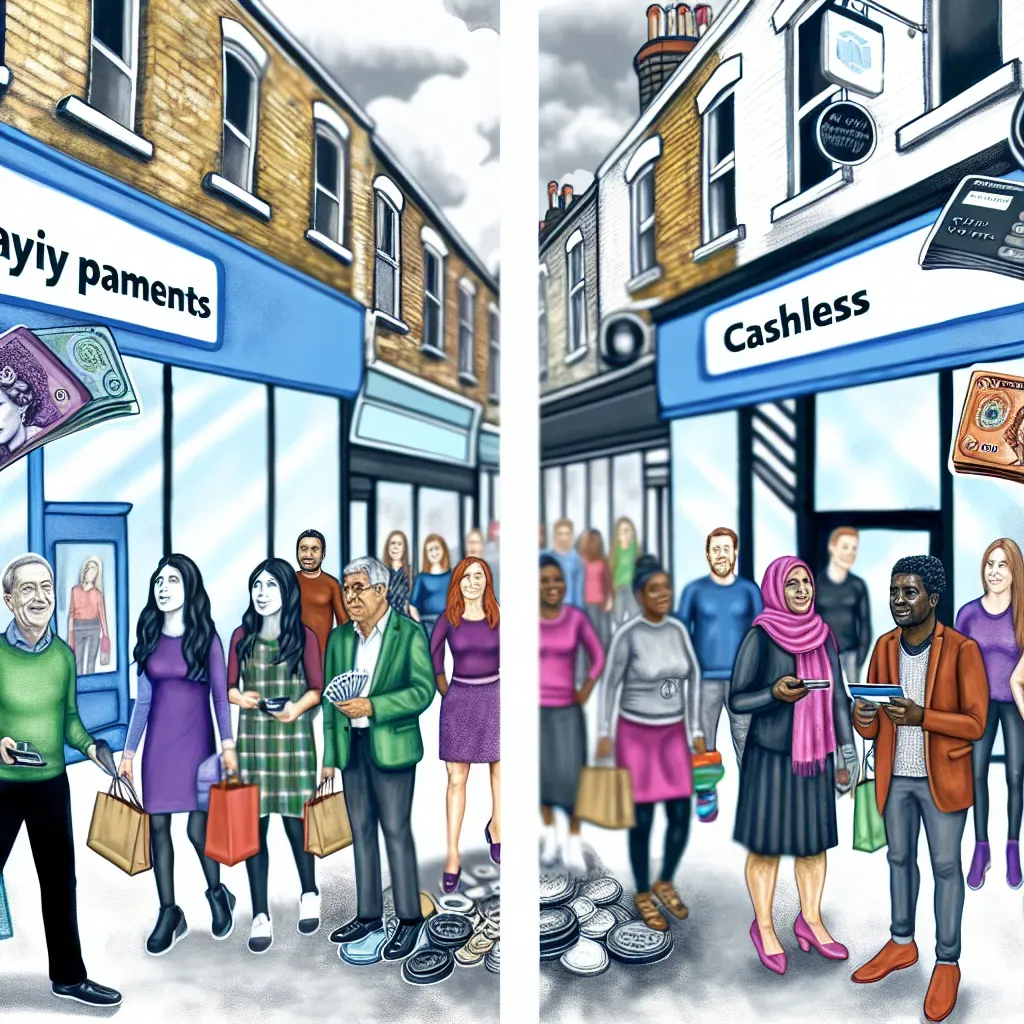
High street cashless payments are revolutionizing the way we shop, as more retailers embrace digital transactions. According to recent research, a significant 14% of shops in the UK have transitioned to cashless systems within just the last year, demonstrating a clear shift towards convenience and efficiency in high street shopping. As consumers increasingly prioritize the ease of card payments and mobile transactions, cashless shopping is becoming the norm in many urban areas. This trend not only simplifies the payment process for both retailers and customers but also addresses rising concerns over security and payment fraud. With many modern payment methods now at our fingertips, the landscape of retail is changing, laying the groundwork for a cashless future on the high street.
The emergence of digital transactions in retail is shaping how consumers engage with businesses today. Many stores are now opting for electronic payment solutions, underlining a move away from traditional paper currency. This evolution towards cash alternatives often dubbed “contactless payments” or “mobile wallets”, reflects a growing consumer preference for the speed and security associated with such payment methods. As high street shops adapt to cater to the evolving needs of their clientele, the flexibility offered by various payment options becomes vital in staying competitive. Amidst these shifts, the discourse around maintaining cash-based transactions remains essential to ensure inclusivity for all shoppers.
The Evolution of Payment Methods in High Street Retail
In recent years, payment methods in high street retail have undergone a significant transformation. As the trend towards cashless shopping gains momentum, many retailers recognize the need to adapt to customer preferences. According to the latest research, 14% of shops in the UK have eliminated cash transactions entirely, indicating a decisive shift towards card and mobile payments. This evolution reflects a broader societal trend where digital payments are increasingly preferred, offering convenience and security for both retailers and consumers.
High street businesses are driven to consider cost-efficiency, security concerns, and customer demands in their decision-making processes. The rise of cashless payments is not only about aligning with consumer preferences but also about minimizing losses associated with handling cash. With reported thefts and issues surrounding counterfeit notes, businesses find that accepting card payments can mitigate risks and streamline their operations. As this shift continues, it’s evident that payment methods will remain a central topic in the future of high street shopping.
High Street Cashless Payments: A Double-Edged Sword
The embrace of high street cashless payments presents both opportunities and challenges. While retailers benefit from reduced cash handling costs and increased security, the transition raises concerns about inclusivity for customers who still rely on cash. A recent study revealed that, despite the growing number of cashless stores, the percentage of consumers paying with cash remains substantial. This duality highlights the necessity for retailers to tread carefully, ensuring that the transition to cashless does not alienate a significant portion of their customer base.
Furthermore, lawmakers have expressed concern about a potential ‘poverty premium,’ where those who prefer cash payments may face higher prices at cashless stores. This situation leads to a two-tiered system in the retail market, impacting the most vulnerable consumers. As retailers wrestle with their payment options, it’s crucial to strike a balance between modernizing payment methods and preserving accessibility to cash services, especially for essential businesses.
Consumer Trends: Preferences in Cash and Digital Payments
Understanding consumer preferences is crucial for retailers as they navigate the cashless transition. Demographic studies reveal a generational divide in payment preferences; younger shoppers in their 20s and 30s tend to favor digital payments from phones, while older customers often rely on cash for budgeting purposes. This variance underscores the importance of maintaining diverse payment options in high street stores, ensuring that all customer demographics feel valued and accommodated.
Retailers such as Alex White have recognized these preferences, adapting their business models accordingly. Initially a cash-only establishment, White’s shift to accommodate card payments reflects a broader trend among retailers to stay competitive and address their customers’ needs. Understanding which payment methods resonate with different age groups can significantly influence store policies and ultimately drive sales.
The Role of Security in Transitioning to Cashless Payments
As retailers make the switch to cashless systems, security remains a pivotal concern. Reports indicate that up to 20% of businesses attribute their move away from cash to fears of theft and fraud. The costs associated with managing cash, including theft and counterfeit risks, have prompted many to explore more secure payment alternatives. With the increasing prevalence of digital payment fraud, it’s vital for businesses to implement robust security measures to protect their operations and their customers.
Innovations in payment technology have enhanced security features associated with cashless transactions, such as encryption and tokenization. However, as businesses embrace these advancements, there’s an imperative need for ongoing training and support for staff to address emerging security threats. Creating a secure shopping environment goes hand in hand with ensuring that transitioning to cashless payments does not compromise retail safety and customer trust.
The Financial Implications of a Cashless Retail Environment
Transitioning to a cashless retail environment can yield substantial financial benefits, yet it also comes with new expenses. Retailers on average report spending considerable amounts each month to manage cash deposits, with some facing costs over £200. As such, they are increasingly turning to card payments to alleviate the burden of cash handling fees. High street shops are weighing these costs against the benefits of reducing in-store theft and streamlining payment processes.
Moreover, as more businesses move to cashless operations, those who continue to accept cash might face increased operational costs. The potential for a ‘poverty premium’ looms large, as businesses may inadvertently charge higher prices to cover their cash handling fees, which could discourage budget-conscious consumers from shopping in their stores. Understanding the financial landscape is essential for retailers as they navigate the complexities of adopting cashless methods.
Maintaining Inclusivity in a Cashless Economy
Inclusivity remains a critical concern as the shift towards cashless payments escalates. Many consumers depend on cash for daily transactions, particularly within lower-income groups who may lack access to banking or electronic payment methods. Consequently, there’s a pressing need for retailers to consider the diverse financial needs of their customers when opting for cashless solutions. The ongoing dialogue about cash acceptance in essential services, as suggested by various lawmakers, emphasizes the importance of safeguarding cash options.
Integrating digital payments should not exclude those who remain loyal to cash. Businesses must find ways to provide alternative payment solutions while simultaneously promoting financial literacy, ensuring customers are aware of available digital options. By maintaining cash acceptance alongside digital innovations, retailers can foster an environment where all customers feel empowered to shop without fear of exclusion.
The Future of High Street Shopping: Digital vs. Cash
The future of high street shopping stands at the crossroads between embracing cutting-edge technology and maintaining traditional cash practices. As digital payments gain traction, retailers must mold their strategies to appeal to progressively tech-savvy consumers while also respecting the preferences of cash-oriented shoppers. Finding this equilibrium will be essential for sustaining a thriving retail environment.
Retailers must not only adapt to changing consumer payment preferences but also proactively engage in customer education regarding new payment technologies. Awareness and understanding of digital payment options can enrich the shopping experience, ultimately leading to increased satisfaction. By taking these steps, high street shops can navigate the complex landscape of payment methods and remain relevant in an evolving market.
Legislation and Regulation: Balancing Cash and Digital Payments
As the retail landscape undergoes a significant transition towards cashless systems, legislators and regulators are tasked with ensuring a balanced payment ecosystem. The ongoing discussions surrounding mandatory cash acceptance in essential services illustrate the need for careful policymaking that considers the implications of a predominantly cashless economy. Engaging all stakeholders—including retailers and consumers—remains vital for crafting effective regulations.
Adopting legislation that secures both cash and digital payment options can help preserve consumer choice while supporting the innovative advancements in payment technology. Policymakers must remain informed about the diverse payment needs of the population, ensuring that all individuals have access to shopping without exclusion. Proactive legislation can sustain a dynamic market that respects both modern and traditional forms of currency.
The Importance of Customer Feedback in Payment Trends
Collecting customer feedback is invaluable for retailers as they navigate the shifting terrain of payment preferences. Understanding customer sentiments surrounding cashless payments and card usage can help inform businesses about necessary adaptations in their payment strategies. Retailers are encouraged to actively solicit input from their clientele, allowing them to gauge which payment methods enhance the shopping experience.
In turn, this information can guide retailers in creating marketing strategies that resonate with consumer preferences. By being in tune with customer opinions, businesses can effectively tailor their services, ensuring they remain competitive while meeting the evolving needs of their shoppers. Engaging customers in discussions about payment trends fosters loyalty and enhances the retailer-consumer relationship.
Frequently Asked Questions
What are high street cashless payments and how do they affect shopping?
High street cashless payments refer to the use of digital payment methods, such as card payments and mobile wallets, in physical retail locations. As shops increasingly adopt cashless shopping, this shift often improves transaction speed and security for both retailers and customers. However, some shoppers may struggle with access to cash alternatives.
Why are more high street shops transitioning to cashless payments?
The transition to cashless payments in high street shops is primarily driven by concerns over security, reduced costs associated with handling cash, and changing consumer preferences for payment methods. Retailers find that accepting card payments can lower the risk of theft and fraud while catering to a growing number of customers who favor digital methods.
What are the benefits of cashless shopping on the high street?
The benefits of cashless shopping include increased convenience for customers, quicker transaction times, and enhanced security for retailers. Cashless payments also minimize the risks and costs associated with handling cash deposits and counting, encouraging more shops to fully embrace digital payment options.
Are all high street retailers moving to cashless payment systems?
Not all high street retailers are moving to cashless payment systems. While a significant number of shops have adopted cashless methods, around 77% still accept cash. The decision often depends on customer preferences, business models, and concerns over inclusivity for all shoppers.
What impact does cashless payment have on budgeting for consumers?
Cashless payment can impact budgeting differently among consumers. For people who prefer cash, like those who rely on it for managing budgets, transitioning to cashless systems may complicate financial planning. Conversely, some younger consumers find digital payments easier for tracking expenses and managing their budgets digitally.
What are the concerns surrounding high street cashless payments?
Concerns surrounding high street cashless payments include the risk of creating a two-tier system where cash-dependent customers face higher prices for services. Additionally, some shoppers express apprehension about relying solely on digital payment methods, fearing exclusion from retail options.
How do cashless payments relate to security concerns for retailers?
Cashless payments can significantly reduce security concerns for retailers by minimizing the risk of theft and fraud associated with handling cash. Many retailers have noted decreased shoplifting and fewer violent incidents by moving to card payments and other digital payment methods.
What should high street shops consider before going cashless?
Before going cashless, high street shops should consider their customer demographic, the nature of their products, and potential impacts on customer experience. Ensuring inclusivity and maintaining some cash payment options may help balance the needs of all customers while transitioning to more digital payment methods.
How can high street shops maintain cash acceptance while going digital?
High street shops can maintain cash acceptance while going digital by ensuring a balanced approach that accommodates varying customer preferences. Implementing both digital and cash payment methods can enhance customer trust and broaden the retail experience for shoppers who prefer cash.
What trends are influencing high street cashless payment systems?
Trends influencing high street cashless payment systems include the increasing use of mobile payments, rising consumer demand for convenience, and the focus on minimizing operational costs. Retailers are also adapting to security concerns and younger consumers’ preferences for digital transactions.
| Key Points |
|---|
| High Street shops are increasingly opting for cashless payments due to security and cost concerns. |
| 14% of shops in the UK have gone cashless in the past year, reflecting changing trends in payment preferences. |
| Retailers face pressure to avoid payment fees and deal with security issues while nearly half of purchases are still made with cash. |
| Concerns have been raised about a potential two-tier payment system disadvantaging cash users. |
| Link’s report states that 77% of businesses continue to accept cash, yet many have stopped in the last year. |
| Security concerns such as theft and lack of demand for cash transactions are driving businesses to go cashless. |
| Young shoppers typically prefer cashless payments, while older individuals value cash for budgeting purposes. |
| There is a growing call for maintaining cash acceptance to support budget-conscious consumers and local business needs. |
Summary
High street cashless payments are becoming increasingly prevalent as shops adapt to customer preferences, driven largely by concerns over security, costs, and convenience. Although cash transactions remain significant, a notable percentage of retailers have transitioned towards cashless models, reflecting a shift in how people prefer to pay. This evolution in payment methods highlights the need for balancing modern payment solutions with the accessibility of cash, ensuring that all consumers can choose how they pay without facing disadvantages.

