
Listen to this article
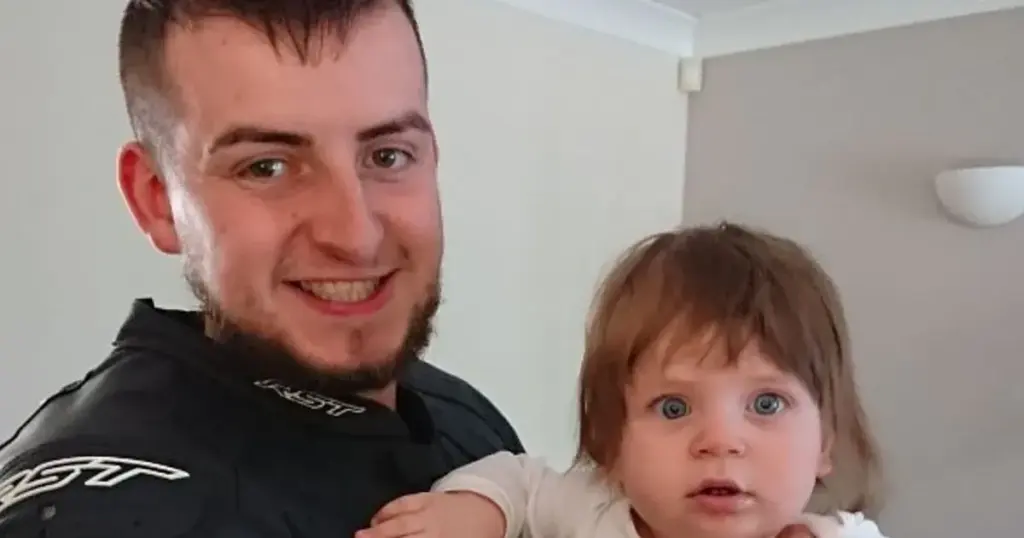
After a tragic accident left him paralyzed from the neck down, a heartbroken father faces the harsh reality of his new life, unable to embrace his young daughter as he once did. Steven Gibbons, a 32-year-old from Broadstairs, Kent, suffered a severe spinal cord injury that resulted in quadriplegia when his car flipped during a routine drive. The consequences of this devastating event extend far beyond his physical limitations; his four-year-old daughter now approaches him with caution, fundamentally altering their father-daughter relationship. Despite the emotional turmoil and the crushing weight of his circumstances, Steven remains determined to explore life after paralysis, contemplating potential treatments that may revive some degree of mobility. His journey serves as a poignant reminder of the resilience of the human spirit amidst unimaginable challenges.
In the wake of a catastrophic incident, a devastated parent grapples with the profound impact of his injuries, redefining what it means to be a father. Following a vehicle mishap that left him with a severe impairment of spinal function, this dedicated dad now navigates life confined to a wheelchair, bringing forth challenges that reshape familial interactions. The transformation of his relationship with his beloved child is a painful yet relatable journey, as they both adjust to their new normal after the tragedy. Understanding the depths of his struggles, we delve into the complexities of existence for those experiencing spinal cord conditions such as quadriplegia, emphasizing the resilience and hope that persist even in the face of adversity. This narrative illuminates not only the heartache of a father but also the untold stories of families affected by similar hardships.
The Heartbroken Father After Accident
Steven Gibbons, a heartbroken father after a tragic car accident, faces an unimaginable reality where he may never again embrace his young daughter. The accident, which left him paralyzed from the neck down due to a severe spinal cord injury, has drastically altered his father-daughter relationship. No longer can he lift his four-year-old daughter into a hug or engage in the playful activities they once enjoyed together. This heartbreaking shift in their dynamic weighs heavily not only on Steven’s spirits but also on the emotional well-being of his family.
The emotional toll of his condition has been profound, not just for him, but also for his daughter. As she cautiously navigates their changed relationship, the absence of her father’s physical presence creates a void filled with uncertainty. The journey that Steven now faces as a paraplegic father will involve adapting to new ways of engaging with his daughter, which might include creative communication methods and alternative activities that accommodate his condition. Families in similar situations often express the difficulty in maintaining those precious connections after life-altering injuries, making Steven’s story all the more relatable and poignant.
Life After Paralysis: Challenges and Triumphs
Life after paralysis presents numerous challenges that Steven must now navigate. Beyond the immediate physical limitations, the mental and emotional hurdles can feel insurmountable. Steven, like many who suffer from spinal cord injuries, faces daily struggles with loss, frustration, and uncertainty about the future. However, there are also moments of resilience and hope, as he contemplates undergoing experimental surgery that may allow him to regain some movement in his upper body, albeit with a low chance of success. The fight for recovery often involves a steep medical and emotional journey, highlighting the importance of support systems.
Moreover, the financial implications of living with a spinal cord injury can be daunting. Beyond the medical bills and required rehabilitation services, there is also the need for home modifications to accommodate mobility aids. Steven’s family is rallying support through a GoFundMe campaign to raise money for necessary adaptations to their home, demonstrating the communal strength that often arises in the wake of such tragedies. His journey underscores the necessity of community support for those dealing with life after paralysis, as they strive to create a suitable living environment that promotes independence and dignity.
The Impact of Quadriplegia on Family Dynamics
Quadriplegia significantly alters family dynamics, as seen in Steven’s situation. His condition has not only affected him but has also reshaped the relationships within his family, especially with his sister, Hannah. She recounts the emotional moment she learned about his accident and the subsequent struggle they faced as a family to support him through his recovery. The bond they share has deepened, yet it also carries a sense of helplessness in witnessing Steven’s transformation into a quadriplegic. This tragedy highlights how such injuries can bring families closer while simultaneously testing their emotional resilience.
Furthermore, the way families interact post-injury often shifts, as responsibilities and roles are redefined. Hannah and other family members now play crucial roles in Steven’s care and well-being, which adds a layer of complexity to their relationships. It forces them to confront their own feelings of grief, loss, and sometimes frustration. Community support and understanding are essential as families learn to navigate these life changes together, ensuring that emotional and physical needs are met while preserving the integrity of their relationships.
Building a New Normal: Adapting to Life in a Wheelchair
Adapting to life in a wheelchair presents both practical and emotional challenges. For Steven, creating a new normal means understanding how to navigate the world from a seated position and re-envisioning activities with his daughter. For instance, they may find ways to play games or bond over arts and crafts, fostering an intimate connection despite his physical limitations. Moreover, with supportive family members facilitating adaptations, the family can focus on nurturing relationships rather than dwelling solely on losses.
Additionally, the journey to building a new normal often encompasses finding adaptive technologies that enhance independence and facilitate daily activities. Various assistive devices can help Steven participate more actively in family life, which is crucial for keeping familial bonds strong. Embracing these new tools and methods demonstrates a commitment to resilience and adaptability, inspiring not only his family but others who face similarly challenging circumstances.
Seeking Hope: The Road to Recovery and Potential Treatments
The quest for recovery following a spinal cord injury is fraught with uncertainty, yet the hope for improvement remains alive. For Steven, pursuing potential treatments such as experimental surgeries represents a glimmer of optimism amidst his current challenges. Engaging in such innovations offers opportunities to regain some degree of movement, indicating the strong desire to reclaim parts of his pre-accident life. Many individuals who suffer from similar conditions often embark on a similar journey, striving for progress even in the face of daunting odds.
This pursuit of recovery is not just about physical healing; it also symbolizes the spirit of resilience and determination inherent in people navigating paralysis. The ongoing search for treatments and therapies fosters a sense of community among individuals with spinal cord injuries, who often share insights and experiences as they confront the same challenges. By fostering a culture of hope and encouragement, they help each other redefine what recovery means in the context of their new realities.
Emotional Resilience in the Face of Adversity
Emotional resilience is critical for individuals like Steven who confront the profound challenges that come with paralysis. Despite the overwhelming feelings of despair and grief expressed initially, fostering emotional strength can lead to a more hopeful outlook on life. This resilience is often supported by familial love and social networks that encourage him to find joy and meaning in life after such a devastating injury. Steven’s experience reflects a broader narrative shared by others amongst the disability community, highlighting the importance of mental health in the recovery process.
Moreover, the journey of emotional healing is complex and often involves a continuous battle against feelings of hopelessness. Steven’s ability to remain optimistic despite setbacks exemplifies the human spirit’s strength. Many individuals in similar situations create coping mechanisms through therapy, peer support groups, or even advocacy for spinal cord injury awareness. This collective struggle can promote a sense of belonging within the community, allowing individuals to share their stories and uplift one another as they find new paths to emotional fulfillment.
The Journey of a Head Chef Transformed: Steven’s New Reality
Before the accident, Steven was thriving as a head chef, passionately contributing to the culinary scene at Njord Bar and Cafe. The tragic event turned his life upside down, sending him into a world where the skills that once defined him feel out of reach. The transition from a vibrant professional life in the kitchen to navigating a wheelchair not only changes the landscape of his career aspirations but also serves as a reminder of the fragility of life. This stark contrast emphasizes the importance of adapting one’s identity post-accident.
As Steven considers his next steps, he faces the challenging reality of redefining what success looks like in this new normal. Although he is no longer able to pursue his former career in the same capacity, this transformative period presents an opportunity to explore different avenues, perhaps engaging with cooking in an adaptive manner or focusing on kitchen management from a new perspective. Such transitions illustrate the resilience required to ensure that interests and passions remain alive, even amid life-altering circumstances.
Financial Burdens and Community Support for Recovery
The financial burdens associated with a spinal cord injury can be overwhelming, as seen in Steven’s case. The need for home modifications, ongoing medical treatment, and therapy services can create substantial costs that many families are unprepared to meet. This scenario emphasizes the importance of community support as families like Steven’s embark on fundraising efforts. Platforms like GoFundMe allow friends, family, and even strangers to contribute towards these mounting expenses, demonstrating the power of collective action in times of need.
Community support not only eases the financial strain but also fosters a sense of belonging and solidarity, proving crucial for emotional well-being. For Steven’s family, raising funds represents more than just financial assistance; it signifies a communal commitment to fighting for his recovery and quality of life. Engaging the community in this way allows for towns and neighborhoods to come together, developing stronger bonds and advocating for better resources for those facing similar hardships.
Frequently Asked Questions
What challenges does a heartbroken father face after an accident that leaves him paralyzed?
A heartbroken father who becomes paralyzed from an accident may struggle with emotional and physical challenges. He may face the reality of limited mobility, impacting his ability to interact with his children and pursue hobbies. Additionally, the emotional toll from the change in family dynamics, and the loss of independence adds to the distress, highlighting the importance of psychological support for both the father and his family.
How does a spinal cord injury affect a father-daughter relationship?
A spinal cord injury can significantly impact a father-daughter relationship by altering how they interact. The father may not be able to engage in activities like hugging, playing, or physically caring for his daughter as before. This shift can create emotional barriers, leading the child to become more cautious around their father. It’s essential for families to find new ways to bond and maintain strong emotional connections despite physical limitations.
What support is available for a heartbroken father dealing with quadriplegia?
A heartbroken father coping with quadriplegia can access various support systems, including physical therapy, occupational therapy, and counseling services. These resources help improve mobility (if possible), adapt to new life circumstances, and provide emotional support. Additionally, support groups can connect him with others in similar situations, fostering a sense of community and understanding.
What are the emotional impacts of becoming a paralyzed father?
Becoming a paralyzed father can lead to profound emotional challenges, including sadness, grief, and anxiety about the future. The inability to engage in previously enjoyed activities with one’s children can foster feelings of loss and isolation. It is crucial for the father to seek emotional support from family, friends, or mental health professionals to navigate these feelings and adapt to a new reality.
How can family members assist a heartbroken father after a spinal cord injury?
Family members can assist a heartbroken father after a spinal cord injury by providing emotional support, helping with physical care needs, and facilitating rehabilitation processes. They can encourage adaptive strategies for maintaining family involvement and support the father in adjusting to life in a wheelchair. Creating an inclusive environment that values communication, understanding, and love is vital for the family’s cohesion during this challenging time.
What long-term care considerations should be made for a father with quadriplegia?
Long-term care considerations for a father with quadriplegia include home modifications for wheelchair accessibility, ongoing medical care for physical health, and support services to assist with daily activities. Planning for rehabilitation services, ensuring proper nutrition, and addressing mental health needs are also critical for maintaining quality of life and encouraging independence within the family structure.
Why is community support important for a heartbroken father after an accident?
Community support is crucial for a heartbroken father after an accident as it provides a network of encouragement, resources, and practical assistance. Community fundraising efforts can help cover costs associated with medical care, home modifications, and rehabilitation. Emotional and social support from community members can also alleviate feelings of isolation and anxiety, helping the father regain a sense of belonging and hope.
| Key Point | Details |
|---|---|
| Steven Gibbons’ Accident | Involved a car crash on the A28 after clipping a curb, resulting in a flipped car. |
| Injury Outcome | Paralysis from the neck down (quadriplegia) after severing his spinal cord. |
| Impact on Family | Steven’s inability to hug or play with his young daughter significantly affects family dynamics. |
| Sister’s Perspective | Hannah recounts the moment she learned about the accident, highlighting the family’s emotional turmoil. |
| Hospitalization Details | Steven remains hospitalized, facing extensive treatment and rehabilitation, with ongoing challenges. |
| Funding Needs | Family seeks £25,000 through GoFundMe for home adaptations necessary for his return. |
Summary
The heartbroken father after the accident faces a challenging journey ahead with the loss of mobility and the emotional strain on family relationships. As Steven Gibbons copes with the repercussions of his life-altering injury, the impact on his ability to connect with his young daughter underscores the profound emotional toll of such tragic events. Through the support of his family and community, there remains hope for adjustments that could aid in his recovery and adaptation to a new way of life.