
Listen to this article
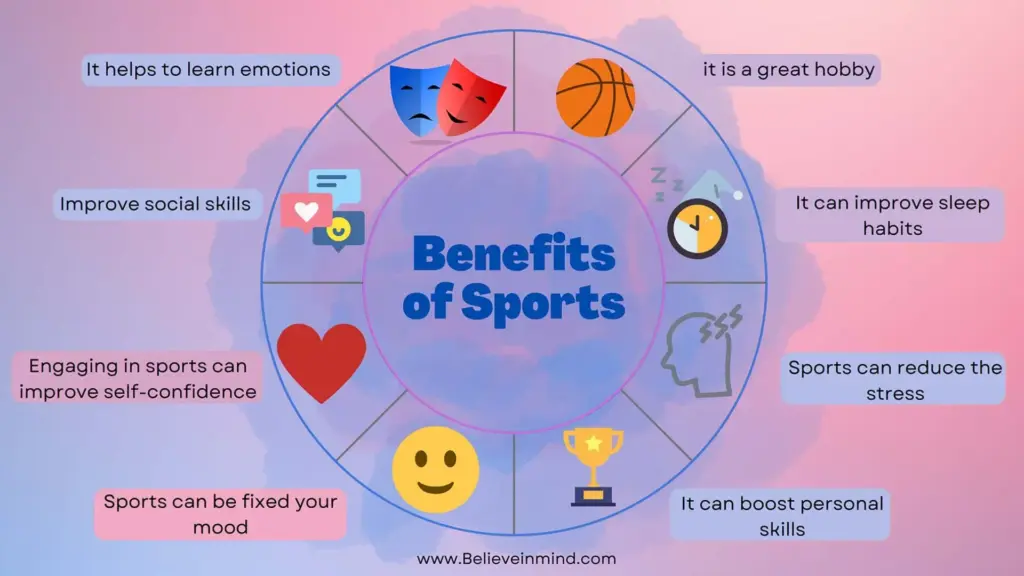
Engaging in regular sports activities provides a plethora of health benefits that can enhance both physical fitness and mental well-being. From improved heart health to effective weight management, participating in sports empowers individuals to cultivate a healthier lifestyle. Moreover, the intrinsic elements of exercise foster social interaction, create a supportive community, and teach life skills such as teamwork and resilience. With each kick of a soccer ball or stroke in a pool, you not only build endurance but also boost your mood by releasing endorphins—natural mood lifters that promote mental health. Embracing these activities leads to a more vibrant life filled with energy, longevity, and a deeper connection to oneself and others.
The advantages of participating in athletic pursuits extend beyond mere physical activity, encapsulating a comprehensive approach to well-being. Regular involvement in exercise routines, whether through individual workouts or team sports, nurtures both the body and the mind. As people engage in these dynamic activities, they foster a greater sense of community and social bonding while also cultivating essential skills for life. From the benefits of cardiovascular adventures to strengthening mental resilience, these sporting engagements serve as a springboard for improved quality of life. By prioritizing physical activities, individuals embark on a transformative journey towards enhanced longevity and comprehensive health.
1. Unleashing Improved Physical Fitness Through Sports
Engaging in regular sports activities is one of the most effective ways to enhance your physical fitness. Sports such as soccer, basketball, and swimming not only develop various muscle groups but also improve cardiovascular health. When you play sports, your body gets a comprehensive workout that strengthens your heart, boosts your endurance, and optimizes your metabolism. As a result, this boosts your capability to manage your weight effectively, assisting in calorie burning throughout the day.
Furthermore, regular participation in sports can lead to significant improvements in flexibility and muscle tone. This is key to ensuring that the body is agile and ready for daily tasks. Sports activities challenge the body in different ways, promoting a variety of exercises that contribute to comprehensive physical health. The pursuit of physical fitness through sports ultimately leads to a healthier lifestyle.
2. Exploring Mental Health Benefits of Sports Activities
The mental health benefits that come from engaging in sports are profound and well-documented. Physical activities like running or team sports stimulate the release of endorphins—hormones that act as natural mood lifters. This immediacy of feeling good further combats anxiety and symptoms of depression, making sports an essential outlet for mental wellness. Individuals who participate regularly in sports often report a more positive outlook on life.
Moreover, the sense of community formed in team sports promotes emotional stability through social interaction. Being part of a team provides individuals with support and a sense of belonging, reducing feelings of isolation. The discipline acquired through consistent training also translates to better cognitive focus, helping individuals manage daily life tasks with improved concentration.
3. The Importance of Social Interaction in Sports
Sports provide an unparalleled platform for social interaction, allowing individuals to connect over shared interests and goals. Joining a local sports team or participating in group activities can lead to lifelong friendships and networks of support. These relationships are vital for maintaining motivation in fitness routines, as they create a sense of accountability among peers, making it less likely for individuals to abandon their physical fitness goals.
Moreover, social skills sharpen through interaction in sports settings. Players learn to communicate effectively, resolve conflicts, and collaborate towards common objectives. This social aspect of sports greatly contributes to a person’s overall personal development and enhances their enjoyment of engaging in physical fitness.
4. How Sports Enhance Sleep Quality
Engaging in regular sports activities has a notable positive impact on sleep quality. People who exercise frequently report that they fall asleep faster and enjoy deeper, more restorative sleep. The physical exertion involved in sports promotes fatigue, which is essential for inducing sleepiness after a long day, proving particularly beneficial for those struggling with insomnia or sleep disturbances.
Additionally, improved sleep quality contributes significantly to overall health. Quality sleep aids in recovery and rejuvenation, which are essential for both mental and physical performance. Better sleep patterns resulting from regular participation in sports ultimately lead to enhanced energy levels and enhanced interaction in both personal and professional aspects of life.
5. Boosting Immune System Through Sports
Regular participation in sports is crucial for boosting the immune system, leading to enhanced health outcomes. Individuals who engage in moderate exercise, such as sports activities, typically experience fewer colds and illnesses due to improved circulation and immune function. Physical activity helps in the efficient transportation of immune cells in the bloodstream, preparing the body to combat pathogens effectively.
Moreover, by incorporating sports into your routine, you contribute to a more resilient body capable of warding off disease. This is especially significant in our current environment where maintaining health is paramount. The consistent physical exertion from playing sports equips individuals with better health, thereby fostering a lifestyle of wellness.
6. Building Confidence and Self-Esteem via Sports
Participating in sports plays a pivotal role in enhancing self-esteem and confidence. As individuals train and achieve personal goals, they see tangible results that boost their self-image and belief in their capabilities. The process of challenging oneself on the field or court helps in overcoming self-doubt and encourages a growth mindset.
Moreover, the environment of team sports fosters recognition and support from peers. This encourages individuals to continue pushing their limits, leading to further confidence-building experiences. Such improvements in self-esteem often infiltrate other areas of life, leading to more fulfilling personal and professional relationships.
7. Learning Life Skills Through Sports Participation
Engaging in sports is an excellent avenue for developing crucial life skills. Participation presents situations that require resilience and adaptability—essential qualities for personal growth. Athletes often face setbacks, but the experiences gathered help cultivate perseverance, leading to a determined mindset applicable beyond the sports realm.
Team sports, in particular, enhance collaboration and communication skills as players learn to work together towards a common goal. These life skills are transferable, providing individuals with the tools needed to navigate challenges in various facets of life, whether in the workplace or at home.
8. How Sports Contribute to Heart Health
Engaging in regular sports activities is essential for maintaining heart health. Sports that require aerobic exertion, such as running, cycling, or swimming, significantly improve cardiovascular endurance and function. This consistent activity not only regulates blood pressure but also lowers the risk of heart diseases by promoting better blood circulation.
Furthermore, the prolonged engagement in sports enhances the efficiency of heart function over time. This means that individuals who are regularly active can enjoy stronger hearts and a healthier cardiovascular system, contributing to overall longevity and quality of life.
9. Effective Weight Management through Sports
Participating in sports is often one of the most efficient ways to manage and maintain a healthy weight. The high caloric expenditure during sports activities is vital for facilitating weight loss and enhancing body composition. This consistent physical activity complements healthy dietary habits that inevitably develop as people become more conscious of their health due to their involvement in sports.
Moreover, enjoying sports not only makes weight management a goal but a fun and engaging process. The social aspect of team sports can also promote a healthier lifestyle, as individuals encourage each other to maintain healthy weight practices, making the journey towards weight management a supportive experience.
10. Sports as a Pathway to Longevity
Regular participation in sports is closely linked to increased longevity and reduced risk of early mortality. Engaging in sports not only preserves physical health but also enriches mental well-being, keeping individuals active and engaged in life as they age. Numerous studies have shown that active individuals have a significantly lower risk of chronic illnesses.
Additionally, the benefits of sports extend to enhancing quality of life as individuals age. Regularly participating in sports fosters better physical health and social interaction, leading to a well-rounded lifestyle conducive to longevity. Thus, integrating sports into your routine not only promotes vitality but also contributes to a long, fulfilling life.
Frequently Asked Questions
What are the health benefits of sports activities on physical fitness?
Engaging in sports activities significantly enhances physical fitness by engaging multiple muscle groups, improving cardiovascular health, and building strength and endurance. Regular participation helps with weight management and boosts metabolism, resulting in efficient calorie burning.
How do sports activities contribute to mental health?
Sports activities improve mental health by stimulating the production of endorphins, which enhance mood and alleviate depression and anxiety. Team sports, in particular, foster a sense of community, further promoting mental well-being and improving focus and concentration.
What role do sports play in social interaction?
Participating in sports creates opportunities for social interaction, allowing individuals to form relationships with like-minded people. This social support motivates commitment to fitness routines and fosters persistence in achieving health-related goals.
Can sports activities improve sleep quality?
Yes, regular participation in sports significantly enhances sleep quality. Individuals who engage in consistent exercise tend to fall asleep more quickly and experience deeper sleep, which is essential for physical and mental recovery.
How do sports activities boost the immune system?
Moderate and regular sports participation boosts the immune system, leading to healthier outcomes. Active individuals often experience fewer illnesses as exercise promotes good circulation, helping the body to fend off pathogens efficiently.
What is the impact of sports on self-esteem and confidence?
Engaging in sports fosters self-esteem and confidence by allowing individuals to achieve fitness milestones and master new skills. Being part of a team also enhances self-image, positively influencing other areas of life.
How do sports activities help in developing life skills?
Sports teach essential life skills such as resilience from handling setbacks and teamwork that fosters collaboration and communication. These skills are valuable for navigating personal and professional challenges effectively.
What are the benefits of sports activities for heart health?
Regular sports activities are crucial for heart health, as they regulate blood pressure and lower the risk of heart disease. Endurance sports like running or swimming strengthen heart function over time.
How do sports contribute to weight management?
Participating in sports is an effective way to manage weight, as it involves consistent calorie expenditure that aids in weight loss and maintains a healthy body composition, often leading to better dietary habits.
Can engaging in sports lead to longevity?
Yes, regular sports participation is linked to a longer, healthier life. Active individuals significantly reduce their risk of early mortality by maintaining physical and mental health, which promotes longevity.
| Key Point | Description |
|---|---|
| Improved Physical Fitness | Enhances cardiovascular health, strength, and endurance. |
| Mental Health Benefits | Boosts mood with endorphin release, reduces anxiety and depression. |
| Social Interaction | Provides a community, enhancing motivation and support systems. |
| Enhanced Sleep Quality | Improves sleep quality, helping with recovery and overall health. |
| Boosted Immune System | Regular activity enhances circulation and immunity for better health. |
| Improved Confidence and Self-Esteem | Achieving fitness goals contributes to a positive self-image. |
| Development of Life Skills | Teaches resilience, teamwork, and communication skills. |
| Heart Health | Regulates blood pressure and reduces heart disease risk through cardio activities. |
| Weight Management | Aids in weight loss and maintains healthy body composition. |
| Longevity | Active individuals have reduced mortality risk and better overall health. |
Summary
The health benefits of sports activities are profound, impacting both physical and mental well-being. Regular engagement in sports enhances physical fitness, builds mental resilience, encourages social connections, and fosters a regimented approach to health. From improving heart health and sleep quality to bolstering the immune system and boosting self-esteem, the advantages are numerous. Integrating sports into one’s daily routine is not merely about fitness; it’s a pathway to a healthier, happier life. Embracing sports activities can elevate your overall quality of life, making it an essential component of health and well-being.

