Listen to this article
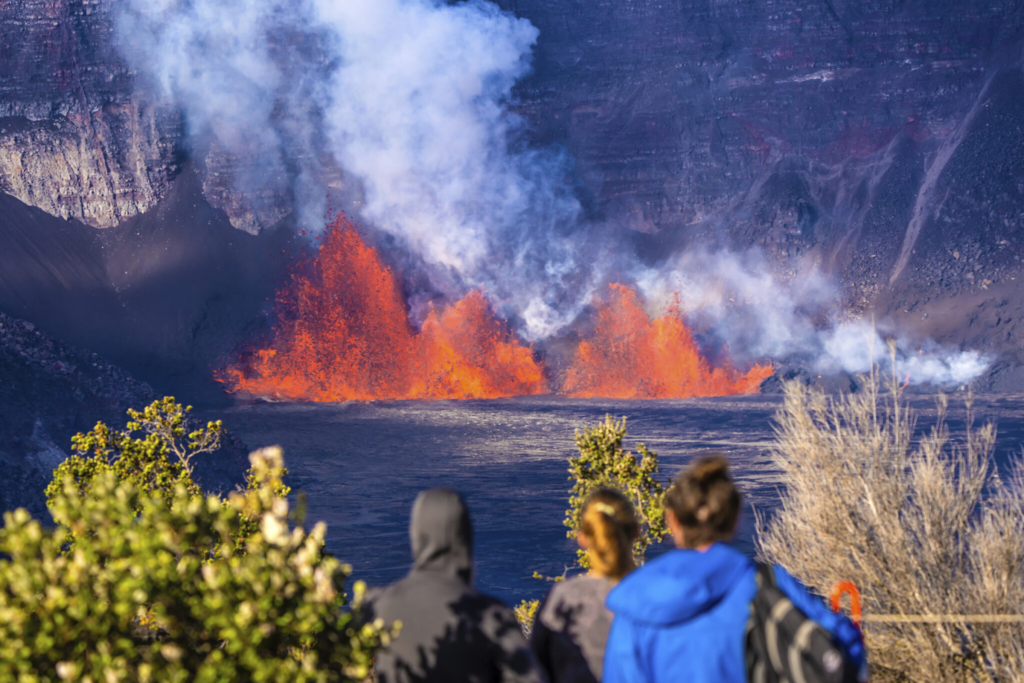
Hawaii volcano eruption events have once again captured the world’s attention, particularly with the recent activity from Kilauea. This iconic volcano, renowned for its impressive lava flows and eruptions, demonstrated its power recently when spectacular lava fountains shot up to 30 meters (100 feet) high. Viewers were able to witness the drama unfold through a volcano live camera, only to see it become covered in ash and go offline shortly after the eruption began. The US Geological Survey (USGS) reported these remarkable developments, emphasizing Kilauea’s status as one of the most active volcanoes on the planet. The ongoing Hawaii lava flow continues to shape the landscape and ignite interest in volcanic activities and related geological phenomena around the globe.
The recent volcanic activity in Hawaii showcases the dynamic nature of Earth’s geology, particularly through the lens of Kilauea’s intense eruptions. As molten rock surges toward the surface, it creates breathtaking and sometimes dangerous lava flows that can be both mesmerizing and destructive. Observers can track these explosive geological events through various media, including the invaluable insights provided by the US Geological Survey. Monitoring systems, including live cameras, offer real-time views of these stunning displays from one of the planet’s most prominent active volcanoes. As Hawaii’s geological narrative unfolds, the ongoing forces shaping its islands remind us of the power inherent in our natural world.
Overview of the Hawaii Volcano Eruption and Its Impact
The Hawaii volcano eruption has intensified in the past weeks, drawing attention from scientists and tourists alike. Kilauea, renowned for its frequent eruptions, has been active since December, displaying spectacular lava flows and fountains reaching up to 30 meters in height. This activity not only showcases the geological power of Hawaii but also has significant implications for the surrounding environment and local communities.
Recently, the eruption led to a dramatic incident where lava spewed towards a remote camera, ultimately covering it with ash and causing it to malfunction. This event highlights the unpredictability of active volcanoes, as footage from the US Geological Survey (USGS) reveals the camera’s unstable feed before it completely went offline. Continuous monitoring of such eruptions is essential to understand volcano behavior and to ensure safety measures are in place.
Kilauea Eruption: Scenery and Scientific Observations
The Kilauea eruption is not just a sight to behold; it serves as a pivotal point for scientific research into volcanic activity. The US Geological Survey has been closely observing the lava flow and patterns, providing valuable insights into the eruptive phase of this active volcano. Researchers analyze data collected from various sources, including live cameras, to assess the volcanic dynamics and predict future activity.
Moreover, witnessing the breathtaking imagery of fountains and flowing lava can be both mesmerizing and educative. Volcano live cameras play a crucial role in disseminating real-time information, allowing scientists and enthusiasts to virtually experience the ongoing volcanic activity. The vibrant colors of the magma against the backdrop of Hawaii’s lush landscapes create a striking contrast that is both beautiful and dangerous.
The Role of US Geological Survey in Monitoring Eruptions
The US Geological Survey (USGS) plays a vital role in monitoring volcanoes like Kilauea, providing essential data and updates on eruptions. They utilize advanced technology, including thermal imaging and satellite data, to monitor temperature changes and the movement of lava, which helps in assessing potential hazards. By keeping a close watch on volcanic activity, the USGS can issue warnings and provide guidelines for safety, ensuring that the local populace is informed and prepared.
In addition to hazard assessment, the USGS conducts research to understand the geological processes underlying eruptions. This involves analyzing past eruptions and current activity to improve predictive models. As Kilauea continues to erupt, the knowledge gained by the USGS becomes critical not only for Hawaii but also for volcano research worldwide, enabling scientists to draw parallels with other active volcanoes across the globe.
Understanding Hawaii Lava Flow and Its Effects on the Environment
Hawaii lava flow is a fascinating subject that has significant environmental implications. The flow from Kilauea can reshape the landscape, creating new landforms and altering ecosystems. As lava oozes slowly over the terrain, it can cause destruction but also promotes new life on cooled lava, as researchers have documented instances of plant regrowth in previously barren areas.
Additionally, the interaction between lava and ocean water can create steam explosions and new land formations, illustrating the dynamic nature of the Hawaiian landscape. Observing these processes provides valuable insights into volcanic activity and its long-term effects on the environment, drawing the attention of scientists eager to study how life adapts in these harsh conditions.
The Attraction of Hawaii’s Active Volcanoes
Hawaii’s active volcanoes have long been a major attraction for tourists and adventure seekers. The prospect of witnessing an eruption firsthand is thrilling, leading thousands to visit Hawaii Volcanoes National Park to view Kilauea’s activity. Tour operators frequently organize safe tours to the park, providing visitors with guidance on how to safely experience the awe-inspiring power of nature.
Moreover, the combination of stunning scenery and volcanic activity makes for breathtaking photography. As lava flows against the backdrop of Hawaii’s dramatic landscapes, it draws photographers from around the world seeking to capture the unique perspective of flowing lava and the bright glow of molten rock. These experiences not only promote tourism but also increase awareness and appreciation for geology and conservation.
Emergency Preparedness During Volcano Eruptions
With the increasing activity of Hawaii volcano eruptions, emergency preparedness has become a paramount concern for both residents and authorities. Schools, local governments, and the Hawaii Emergency Management Agency have established comprehensive plans to educate communities about evacuation routes and safety procedures during an eruption. Regular drills and updates ensure that residents are informed on the best course of action should an emergency arise.
Leveraging technology also plays a critical role in disaster preparedness. The US Geological Survey provides real-time monitoring and alerts that can be disseminated quickly to ensure public safety. As Kilauea continues to demonstrate its volcanic prowess, ongoing education and preparedness efforts become vital to mitigate risks associated with potential eruptions.
The Future of Kilauea: Predictions and Precautions
The future of Kilauea remains a topic of intense scientific investigation and public interest. Predictions regarding eruptions involve analyzing historical data, current activity, and geological changes in the area. Scientists regularly assess the likelihood of new eruptions by studying factors such as seismic activity, ground deformation, and gas emissions, allowing them to anticipate volcanic behavior effectively.
While it is impossible to predict eruptions with absolute certainty, utilizing advanced monitoring techniques significantly enhances preparedness. The ongoing work by the US Geological Survey and other research institutions is crucial for creating models that inform both authorities and the public, securing Hawaii’s residents and visitors against the potential dangers of an active volcano.
The Effects of Kilauea Lava Eruptions on Local Communities
The impacts of Kilauea’s lava eruptions extend well beyond the immediate geological changes, affecting local communities in numerous ways. When major eruptions occur, they can disrupt daily life, evacuate neighborhoods, and necessitate road closures, impacting local businesses and tourism. The threat of lava flow can create anxiety among residents as they must constantly stay informed about the volcano’s activity.
In response to these challenges, communities have developed resilience strategies. Businesses, for instance, have adapted by promoting tours and experiences focused on eruptions and geology, which can provide educational opportunities for residents and visitors alike. Additionally, strength lies in community bonding during such crises, as locals come together to support one another through the uncertainties related to living near an active volcano.
Volcanology: Understanding Active Volcanoes Like Kilauea
Volcanology, the study of volcanoes, has become increasingly relevant as Kilauea showcases the complexities of volcanic activity. Understanding the science behind eruptions helps scientists decipher patterns, and recognize potential risks, and enhance safety protocols for nearby populations. Kilauea serves as an important case study for volcanologists, revealing intricate details about magma movements and eruption behavior.
As active volcanoes continue to evolve, research advances in volcanology arise from continuous monitoring and exploration of sites like Kilauea and others around the world. The insights gained from these studies are invaluable for improving our understanding of how volcanoes function, how they affect the surrounding ecosystems, and how communities can coexist with these powerful natural phenomena.
Frequently Asked Questions
What is the recent activity of the Kilauea eruption in Hawaii?
The recent Kilauea eruption in Hawaii has been marked by significant lava activity, with fountains reaching heights of 30 meters (100 feet). This activity has been recorded by the US Geological Survey (USGS), showcasing the volcano’s ongoing eruptions that have persisted since December of last year.
How does the Hawaii lava flow affect local areas?
The Hawaii lava flow from the Kilauea eruption can impact local areas significantly by covering land with molten rock, destroying property, and altering the landscape. Residents near Kilauea are advised to stay informed through updates from the US Geological Survey to ensure safety during these eruptions.
Where can I watch live coverage of the Hawaii volcano eruption?
You can watch live coverage of the Hawaii volcano eruption through a volcano live camera provided by the US Geological Survey. These cameras offer real-time views of Kilauea’s activity, allowing viewers to observe lava flows and eruptions safely from afar.
What are the safety precautions during a Kilauea eruption in Hawaii?
During a Kilauea eruption, it is vital to heed warnings from local authorities and the US Geological Survey. Residents should avoid areas near the lava flow, wear masks to protect against volcanic ash, and stay indoors if advised. Following the guidelines ensures safety during the ongoing volcanic activity.
How often does Kilauea erupt compared to other active volcanoes?
Kilauea is considered one of the most active volcanoes in the world, with eruptions occurring intermittently. Its frequent activity is closely monitored by the US Geological Survey, making it a remarkable site for studying volcanic behavior compared to other active volcanoes globally.
What tools does the US Geological Survey use to monitor the Kilauea eruption?
The US Geological Survey utilizes various tools to monitor the Kilauea eruption, including satellite imagery, ground sensors, and volcano live cameras. These technologies help track ash dispersal, lava flow, and seismic activity, providing critical data on the volcano’s behavior.
Are there any evacuations planned during the Kilauea eruption in Hawaii?
Evacuations during the Kilauea eruption in Hawaii are determined based on the lava flow’s proximity to residential areas and the level of volcanic activity. The US Geological Survey and local authorities provide timely alerts to ensure public safety during significant eruptions.
How has the Kilauea eruption affected tourism in Hawaii?
The Kilauea eruption has mixed effects on tourism in Hawaii. While some visitors are drawn to witness the natural spectacle of lava flows and eruptions, areas near the volcano may face closures for safety reasons. Travelers are encouraged to check updates from the US Geological Survey before planning their visits.
| Key Point | Details |
|---|---|
| Location | Hawaii Volcanoes National Park, Kilauea volcano |
| Recent Activity | Kilauea has been erupting intermittently since December of last year. |
| Camera Incident | A remote camera capturing the eruption was covered in ash, leading to a feed cut-off. |
| Lava Fountain Heights | Lava fountains reached heights of 30 meters (100 feet) during the eruption. |
| USGS Footage | Footage showed the camera glitching before losing its feed due to the eruption. |
Summary
The Hawaii volcano eruption has drawn significant attention due to the impressive and powerful activity of Kilauea. In the latest eruption, lava fountains soared to dramatic heights, creating an awe-inspiring yet hazardous spectacle. The eruption affected a nearby camera, showcasing the intensity of the volcanic activity as it was engulfed in ash. As Kilauea continues to demonstrate its volatility, updates from the USGS remain crucial for monitoring the situation. This ongoing eruption emphasizes the importance of volcanic observation and the impact of natural events on technology and safety in surrounding areas.