
Listen to this article
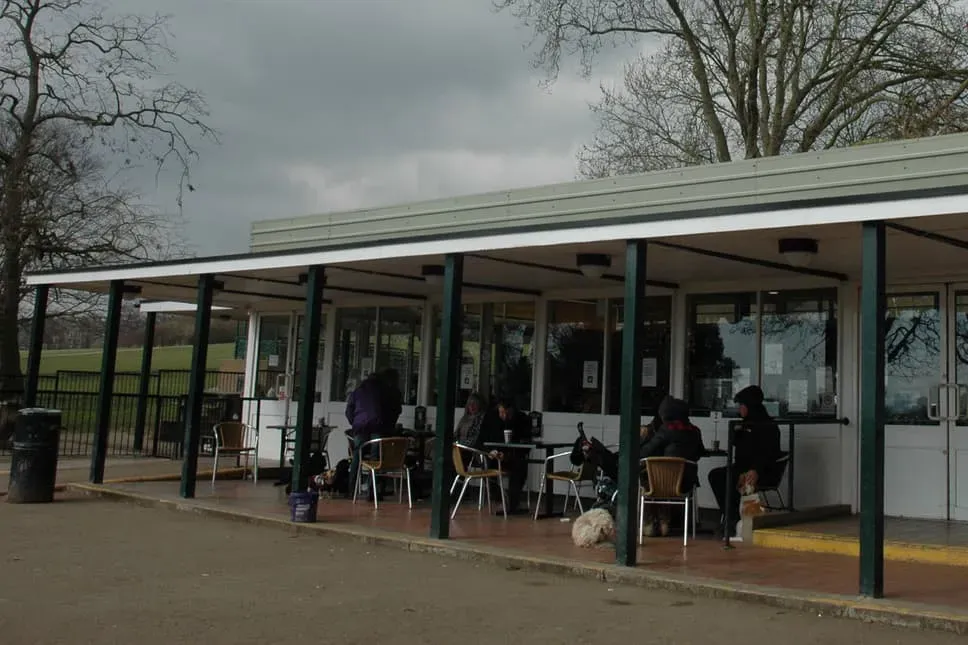
The recent Hampstead Heath cafe eviction has stirred significant unrest among local patrons and businesses alike. Patrick Matthews and Emma Fernandez, the dedicated couple behind three beloved cafes in North London’s picturesque green spaces, have found themselves at the center of this heated controversy. Just before Christmas, they learned from the City of London Corporation, the managing body responsible for Hampstead Heath, that their leases were awarded to the Australian chain Daisy Green. This decision, perceived by many as a push towards commercialization, ignited a wave of community support for local businesses fighting against such evictions. As more than 22,000 people signed a petition in their favor, the struggle for local cafes became a poignant reflection of the battle to preserve the character and culture of London amidst growing corporate influence.
The ongoing battle over cafe leases in Hampstead Heath has sparked a wider discussion about the future of local eateries in London’s urban landscape. The couple operating popular dining spots within this iconic parkland are challenging the recent decision by the City of London Corporation, which seeks to replace them with a chain café that embodies commercial interests. Such evictions, often seen as part of a broader trend threatening small businesses, have ignited passionate responses from the community that values the unique offerings of its independent establishments. Support from local celebrities and thousands of petition signers highlights the importance of fostering community-centric businesses over homogenized corporate giants. As these developments unfold, the plight of Hampstead Heath cafes represents a crucial conversation about the preservation of local culture in the face of rapidly encroaching commercial interests.
The Hampstead Heath Cafe Eviction Controversy
The recent eviction notice served to the couple running the cafes at Hampstead Heath has stirred significant controversy within the local community. Patrons of these beloved establishments argue that the City of London Corporation failed to consider the deep-rooted connections these cafes have with the residents and visitors alike. As popular venues that embody the charm and community spirit of Hampstead Heath, the eviction has been met with strong opposition, highlighting the critical role local businesses play in enhancing public green spaces.
Amidst the turmoil, the couple, Patrick Matthews and Emma Fernandez, expressed their determination to fight the eviction, showcasing the resilience of local entrepreneurs in the face of challenges. Their cafes at multiple scenic locations, including Queen’s Park, have not only provided sustenance but have also become social hubs where friendships are forged. The uproar against the City of London Corporation’s decision underscores the community’s desire for transparency and fair treatment in matters affecting local businesses, especially during retendering processes.
Community Support for Local Cafes
Community support for the cafes in Hampstead Heath has been overwhelming, with influential local figures and everyday patrons rallying behind Matthews and Fernandez. The petition garnering over 22,000 signatures symbolizes the collective voice of those who cherish these cafes. It also shines a light on the importance of preserving local businesses that contribute to the unique character of London’s green spaces. Such grassroots movements often reveal how integral these establishments are, serving not just as places for food and drink but as community landmarks.
Furthermore, the backing from well-known actors such as Benedict Cumberbatch and James McAvoy has amplified the message, drawing more attention to the plight of local businesses facing eviction. Their involvement signifies that the community’s support transcends ordinary patronage, leaning into a movement advocating for the rights of small business owners against corporate pursuit. This grassroots advocacy not only seeks to protect existing cafes but also emphasizes the need for policies that uphold community interest amidst competitive local market dynamics.
The Role of The City of London Corporation
The City of London Corporation plays a pivotal role in managing London’s parks and public spaces, including Hampstead Heath. As an entity that operates as a registered charity, the corporation is tasked with balancing commercial interests with community needs. However, the recent lease assignments to larger chains like Daisy Green have raised eyebrows about the motivations behind these decisions. Critics argue that prioritizing revenue generation undermines the unique identity of local cafes and jeopardizes the community spirit integral to parks such as Hampstead Heath.
The corporation maintains that its process for awarding cafe leases was fair and transparent, yet this perspective has not resonated positively with affected businesses and patrons. The dichotomy between the authority’s objectives and local expectations raises essential questions about accountability and ethical governance in public space management. While the corporation defends its actions, the backlash from the community illustrates the ongoing tension between preserving local business interests and pursuing profit-driven partnerships.
Impact of Corporate Cafes on Community Spaces
The entry of large corporate cafes like Daisy Green can lead to significant changes in community dynamics, particularly in beloved public spaces like Hampstead Heath. Many argue that these chains prioritize profit over authenticity, which could dilute the unique character that smaller, family-run cafes have developed over years of service. As local favorites, these cafes create personal connections with their customers, something that large corporations may struggle to replicate, as they focus more on standardized offerings across their locations.
Such transformations may also have economic implications for the area. While corporate cafes might promise new jobs and investments, they can displace smaller businesses that have fostered community ties, leading to a loss of diversity in local trade. This scenario highlights the importance of retaining a mix of business types to genuinely reflect and serve the variety of community needs, strengthening the argument for local support in ongoing lease disputes.
Future of Hampstead Heath Cafes
As the legal battle continues, the future of Hampstead Heath cafes remains uncertain. Matthews and Fernandez’s determination to pursue their case against the City of London Corporation reflects a broader push to advocate for the rights of local businesses in London. The ongoing developments not only affect their livelihood but will also set a precedent for other local enterprises facing similar threats. The outcome of this situation could either pave the way for a stronger local business renaissance or reinforce corporate dominance over community spaces.
Looking ahead, the couple’s fight resonates with many other small business owners who rely on community support for survival. With the backing of local patrons and influential figures, there may be an opportunity for change in how public entities engage with community businesses. This ongoing struggle serves as a crucial reminder of the importance of supporting local establishments and advocating for fair practices in public-private partnerships.
Community Engagement and Local Activism
The movement supporting Matthews and Fernandez emphasizes the significance of community engagement. Local activism has proven to be a powerful tool in shaping outcomes for businesses under threat. The widespread outcry against the cafe eviction showcases how collective actions can spotlight important issues relating to corporate practices in local spaces. By uniting community members under a common cause, these grassroots efforts can influence public perception and increase pressure on governing bodies to reconsider their decisions.
Through social media campaigns, petitions, and local gatherings, the voices of those who value small businesses resonate louder than ever. This level of community involvement not only fosters a sense of belonging but also educates residents about the impacts of corporate encroachment into their neighborhoods. Continued support for local activism can ensure that unique and cherished local institutions are preserved while holding corporations accountable for their actions.
Changing Landscape of London’s Cafes
The landscape of cafes in London is evolving, with a trend towards larger chains penetrating the market, particularly in prime community spots such as Hampstead Heath. This transformation brings about questions of identity and the future of local cuisines, as each neighborhood cafe carries distinct flavors and experiences shaped by their owners’ vision. Observers note that while chain cafes can offer consistent quality, they often lack the unique storytelling that local proprietors infuse into their business models.
In navigating this shift, residents and local advocates are calling for a mindful approach to urban development that prioritizes the retention of local businesses. As communities articulate their desires for diverse dining and coffee experiences, there may be new opportunities for emerging local cafes to thrive amidst the challenges posed by corporate giants. This dynamic landscape points towards an ongoing conversation about what constitutes the soul of London’s culinary scene.
Legal Dimensions of Cafe Eviction
The legal aspects surrounding the eviction of the Hampstead Heath cafes also bring to light important issues regarding tenant rights and the transparency of lease awarding processes. Matthews and Fernandez have opened a discourse about the need for more protective regulations for small businesses when facing eviction from public properties. As they pursue legal remedies, their case exemplifies the intersection of law and local business viability, emphasizing the need for policies that safeguard grassroots entrepreneurs.
These legal dimensions not only affect cafes in Hampstead Heath but have implications for all small businesses operating in competitive environments governed by larger municipal powers. The outcome of their situation could prompt a reassessment of how local authorities handle retendering and leasing practices, ensuring that community voices are integral to decision-making processes that impact their livelihoods.
Broader Implications for London’s Small Business Community
The eviction saga surrounding Hampstead Heath cafes reflects broader challenges faced by London’s small business community. As gentrification and corporate expansion continue to reshape the capital’s landscape, local businesses often find themselves struggling to maintain their presence amid rising costs and competition. The wave of support for the cafes underscores a collective recognition of the value that local enterprises contribute to the economy and community life.
As policies and practices evolve, the situation serves as a call to action for stakeholders to advocate for local businesses and ensure that transient trends do not overshadow community heritage. Strengthened support mechanisms, including advocacy groups and public awareness campaigns, could forge paths for sustainable practices that prioritize local entrepreneurship in the fabric of London’s economy.
Frequently Asked Questions
What is the current situation regarding the Hampstead Heath cafe eviction?
The couple running the cafes at Hampstead Heath have temporarily halted their eviction after successfully challenging the City of London Corporation’s decision. Their legal action claims unfairness and a lack of transparency in the retendering process that awarded new leases to other operators.
How has the local community responded to the Hampstead Heath cafe eviction news?
Local community support for the cafes has been strong, with over 22,000 signatures on a petition backing the couple. High-profile actors like Benedict Cumberbatch and James McAvoy have also publicly supported their cause, highlighting community feelings against the eviction.
What role does the City of London Corporation play in the Hampstead Heath cafe eviction?
The City of London Corporation is responsible for the management of Hampstead Heath and is the landlord of the cafes. They conducted a retendering process that led to the decision to evict the current cafe operators, which the couple is contesting legally.
What are the implications of the Hampstead Heath cafe eviction for local businesses?
The eviction of the cafes at Hampstead Heath highlights concerns about local business evictions linked to commercial interests. The local community fears that such actions may harm the unique character of public spaces and displace beloved local businesses.
What alternative cafes are being brought in due to the Hampstead Heath eviction?
The City of London Corporation has awarded the leases for the cafes at Hampstead Heath to Daisy Green, an Australian-inspired cafe chain, which is known for its extensive presence across London. This has raised concerns among loyal customers of the existing cafes.
What steps are being taken to support the cafes facing eviction at Hampstead Heath?
Support for the cafes facing eviction has manifested through petitions, community campaigns, and public endorsements from local celebrities. These efforts aim to raise awareness and halt the eviction processes instigated by the City of London Corporation.
What legal action is being taken regarding the Hampstead Heath cafe eviction?
Patrick Matthews and Emma Fernandez, the cafe owners, are pursuing legal action against the City of London Corporation, challenging the eviction and arguing that the retendering process lacked transparency and fairness.
What future actions could the City of London Corporation take concerning the cafe eviction?
The City of London Corporation has indicated it may seek a court order for possession of the cafes if necessary, as they aim to transition to the new cafe operators after the retendering process.
| Key Point | Details |
|---|---|
| Eviction Claim | Patrick Matthews and Emma Fernandez are fighting an eviction from their cafes in Hampstead Heath and other locations. |
| Management Background | The couple has managed cafes at Parliament Hill Lido, Queen’s Park, and Highgate Wood for several years. |
| Retendering Process | They were informed of an unsuccessful retendering process just before Christmas, resulting in the leasing of their cafes to other operators. |
| Community Support | More than 22,000 signatures on a petition support Matthews and Fernandez, with endorsements from notable figures like Benedict Cumberbatch. |
| Legal Action | They are pursuing legal action against the City of London Corporation for unfairness in the retendering process. |
| City Corporation’s Response | The City of London claims the retendering process was legitimate and may seek a court order for possession. |
Summary
The Hampstead Heath cafe eviction has brought to light significant concerns regarding the fairness and transparency of the leasing process conducted by the City of London Corporation. Patrick Matthews and Emma Fernandez, owners of the cafes, have secured a temporary reprieve, allowing them to remain open while they pursue legal action. This situation has garnered widespread community support, highlighting the importance of local businesses in beloved parks. As the case unfolds, it raises critical questions about the management of public green spaces and their accessibility to community favorites.