
Listen to this article
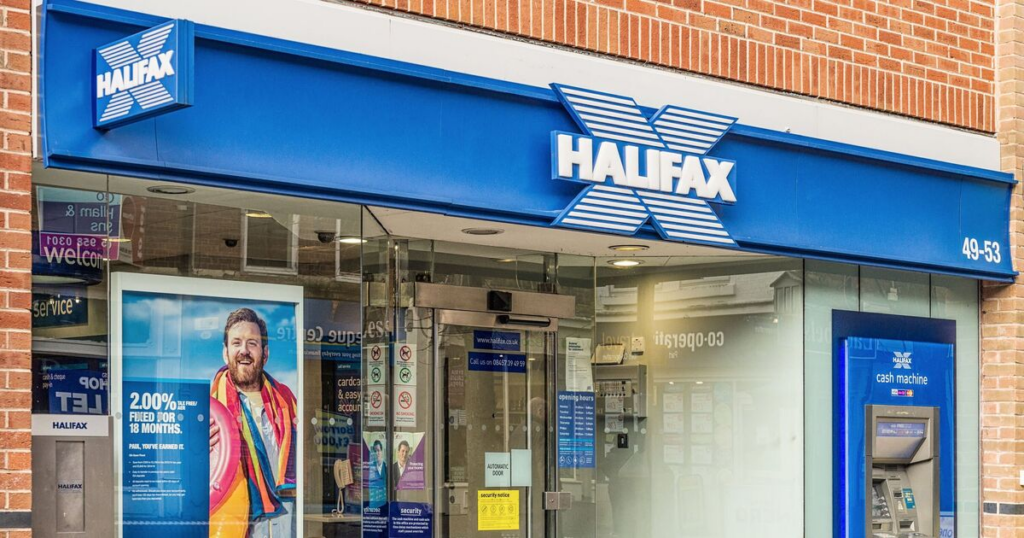
Halifax branch closures in London have become a pressing concern as the bank prepares to shut down another local branch in Wandsworth on January 15, 2026. This decision is part of a broader trend, with Halifax set to close over 100 branches nationwide as it shifts focus towards digital banking services. The impact on the community will be significant, leaving many customers facing longer distances to access traditional banking facilities. Moreover, this move coincides with Lloyds Banking Group’s plan to reduce their footprint further, emphasizing a significant shift in how customers interact with financial institutions. As London experiences these banking disruptions, the need for accessible alternatives, such as the Community Bankers initiative, becomes increasingly important to support affected customers.
The upcoming Halifax branch closures in the British capital signal a continued transformation in the banking landscape as physical locations diminish in favor of online services. As Halifax realigns its operations, local residents will feel the effects, especially with the planned closure of the Wandsworth branch among several others in 2026. This trend, reflective of changing consumer preferences towards virtual banking solutions, also highlights the actions by Lloyds Banking Group to streamline its services further. With these changes, community members may seek guidance and assistance from new initiatives designed to maintain access to banking resources. The impact of such closures will prompt discussions about the future of in-person banking and how institutions can continue to serve their communities effectively.
Halifax Branch Closures 2026: Impact on London Residents
The upcoming Halifax branch closures in 2026 are set to have a significant impact on residents in London, particularly with the closure of the Wandsworth location. Scheduled to shut its doors on January 15, 2026, this closure exemplifies a trend that has seen traditional banking services diminish in favor of digital alternatives. As customers prepare for this change, they face the reality of having to travel longer distances to access in-person banking services. The Wandsworth branch, like others across the UK, represents a loss of familiar community banking, creating challenges for those who rely on face-to-face interactions for their financial needs.
Additionally, as Halifax continues its strategy of reducing its physical banking footprint, the implications go beyond mere convenience. Many local residents may not only experience disruptions related to banking access but may also feel the broader effects of losing a community institution that has served them for years. With over 100 branches closing across the country by the end of 2025, and further cuts expected in 2026, customers are left to navigate a landscape that is increasingly dominated by digital banking services without adequate provisions for their needs.
The Shift Towards Digital Banking Services
The closure of Halifax branches signals a broader shift in the banking industry, where digital banking services are steadily taking precedence over traditional physical locations. As emphasized by a Lloyds Banking Group spokesperson, the banking habits of over 21 million customers have transformed, leading to a robust preference for managing finances via apps. This evolution is not merely a trend; it’s an adaptive response to consumer behavior, pushing banks to optimize their offerings by investing in technology and reducing their reliance on brick-and-mortar establishments.
As banks like Halifax transition to a digital-first model, it is crucial for consumers to understand the available tools and services at their disposal. While this digital migration provides greater convenience, it may also alienate individuals who are less tech-savvy or who prefer in-person communication. To mitigate any negative effects from branch closures, Halifax and Lloyds are implementing initiatives such as the Community Bankers program, which aims to provide localized support, ensuring customers have access to banking help when needed.
Community Bankers Initiative: A Safety Net for Displaced Customers
In response to the impending Halifax branch closures, Lloyds Banking Group is introducing the Community Bankers initiative, aimed at assisting customers who find themselves without convenient access to banking facilities. These professionally trained Community Bankers will operate from various local venues, providing essential banking services and face-to-face assistance for individuals navigating the new digital landscape. This initiative is especially vital in London, where residents are likely to experience significant disruption due to closures.
Community Bankers serve as a bridge between traditional banking services and the shift towards digital solutions, helping customers with everything from cash deposits to account inquiries. By maintaining a visible presence in local communities, Lloyds seeks to ensure that even as physical branches dwindle, there is still personalized support available. This initiative not only emphasizes the commitment of Lloyds and Halifax to retain their customer base but also highlights an understanding of the diverse needs within the community, enabling smoother navigation through London’s evolving banking scene.
Lloyds Banking Group Restructuring: What to Expect
With Halifax and Lloyds Banking Group significantly restructuring their physical presence, customers can anticipate continuous changes in how services are offered. These alterations will likely include more investments in digital technologies, designed to enhance user experience and accessibility. As banks close more locations, customers will be encouraged to shift their focus to online banking platforms, which promise faster and more efficient services.
The transition, however, is not without its challenges, particularly for those who may prefer traditional banking methods. As Lloyds Banking Group navigates this transition, they plan to roll out updates and resources aimed at easing this shift. Regular communication through official channels will provide vital information regarding service availability, digital banking features, and support networks designed to empower customers during this transformation.
Navigating London Banking Disruptions
London’s banking landscape is undergoing significant changes as Halifax prepares to close several branches, including the Wandsworth location. As disruptions to in-person banking services loom, residents may find themselves grappling with longer travel times and altered banking routines. This is not only a challenge for customers; it also poses potential obstacles for small businesses that rely on close banking ties for day-to-day operations.
To combat the adverse effects of these disruptions, individuals are encouraged to explore alternative banking solutions. Understanding the technological advancements provided by Lloyds and Halifax is crucial for adapting to this new environment. From mobile apps that allow for seamless transactions to the Community Bankers initiative, customers have resources at their disposal to help ease the transition while still receiving the individual attention that they need.
The Future of Banking in London
As we look to the future of banking in London, the trend towards digital solutions is set to dominate the landscape. With Halifax poised to reduce physical branches significantly by 2026, it raises the question of what banking will eventually look like in urban areas. Many predict that the emphasis on digital services will continue to shape the customer experience, making it imperative for individuals to familiarize themselves with online banking practices.
Moreover, as banks like Halifax and Lloyds Banking Group adapt to meet the demands of modern consumers, we can expect further innovations in how services are delivered. This evolution will likely include more robust security measures for online transactions, personalized online banking experiences, and enhanced customer service solutions. For Londoners, this transformation may offer a blend of convenience and technology, reflecting how banking can adapt to the needs of a changing society.
Local Community Support Amid Halifax Closures
The Halifax branch closures set to take place across London, including the Wandsworth branch, highlight the need for community support systems that can fill the gaps left by traditional banking. With many customers facing the imminent loss of nearby branches, local support networks are vital in ensuring that residents still have access to necessary financial services. Whether through initiatives like Community Bankers or local partnerships, creating a support system within the community becomes essential.
Community-based solutions not only ease the transition for bank users but also foster a sense of solidarity as neighborhoods adapt to these changes. Local councils and organizations can promote awareness about banking alternatives, assist in educating residents about digital banking technologies, and ensure that no one is left behind in this digital migration. By embracing these community-oriented approaches, London can mitigate the impacts of Halifax’s restructuring while meeting the diverse banking needs of its residents.
Repercussions of Bank Closures on Local Businesses
As Halifax moves forward with planned closures, local businesses in affected areas, such as Wandsworth, face repercussions that extend beyond mere convenience. Small enterprises often depend on banks for essential services like funding, cash management, and financial advice. The reduction of physical bank branches in their vicinity may limit local businesses’ access to these critical banking services, thereby impacting their operations and growth potential.
Recognizing this, banks like Lloyds Banking Group must consider the broader community impact of their decisions. Initiatives that foster relationships with local business owners, such as specialized banking services or tailored financial advice sessions, can help mitigate potential disruptions. This approach not only supports small businesses but also reiterates the importance of banks as partners in the local economy, even as they navigate the challenges presented by an increasingly digital banking environment.
Consumer Adaptation Strategies for Digital Banking
With the shift towards digital banking services prompted by branch closures, consumers must develop strategies to adapt to this new norm. Familiarizing oneself with mobile banking apps, online account management, and various digital payment methods will be essential in maintaining financial management as traditional banking services recede. Understanding the available tools for budgeting, tracking expenses, and executing transactions will empower users to embrace the convenience of digital solutions fully.
Additionally, banks like Halifax and Lloyds are likely to provide educational resources and tutorials to help customers make this transition smoother. Engaging in local workshops or online webinars can further enhance understanding and confidence in utilizing these digital platforms. By proactively seeking out available learning opportunities and support, consumers can effectively navigate the evolving banking landscape, ensuring that their financial needs are met even in the face of ongoing transformations.
Frequently Asked Questions
What are the Halifax branch closures in London for 2026?
In 2026, Halifax will close its Wandsworth branch on January 15. This closure is part of a larger trend of Halifax closures across the UK, with over 100 branches shutting down nationwide.
How will the Halifax closures in London affect customers?
The Halifax branch closures, particularly in London, may require customers to travel longer distances for in-person banking services. Customers can utilize digital banking services provided by Halifax and other Lloyds Banking Group branches.
Why is Halifax closing branches in London?
Halifax is closing branches in London as part of a strategic move toward digital banking services, reflecting a broader trend in the banking industry where physical branches are being scaled back due to changing customer preferences.
What alternatives will be available after Halifax branch closures in London?
Customers affected by Halifax branch closures in London can access alternatives such as other nearby Lloyds Banking Group branches, Post Office services, and new Community Bankers located in local venues for face-to-face banking support.
How does the Lloyds Banking Group support customers after Halifax branch closures?
Lloyds Banking Group offers various support options post-Halifax branch closures including access to digital banking apps, services at any Lloyds, Halifax, or Bank of Scotland branches, and assistance through over 30,000 PayPoint locations.
What is the Community Bankers initiative related to Halifax closures?
The Community Bankers initiative is a program by Lloyds Banking Group that places staff in local venues to assist customers with their banking needs, especially beneficial following Halifax closures and for those without easy access to traditional bank branches.
Are there plans for further Halifax or Lloyds Banking Group site closures beyond 2026 in London?
While current announcements detail closures into 2026, ongoing assessments of branch performance could lead to additional Halifax or Lloyds Banking Group site closures in London, depending on customer banking preferences.
How can I find my nearest Community Banker after Halifax closures?
To find the nearest Community Banker following the Halifax branch closures in London, you can visit the Halifax or Lloyds Bank websites for updated information on their locations and services.
| Branch Location | Closure Date |
|---|---|
| Birmingham Bearwood | March 2, 2026 |
| Buxton – Spring Gardens | October 13, 2026 |
| Camborne | October 7, 2026 |
| Deal | January 22, 2026 |
| Hastings | January 22, 2026 |
| Havant | January 1, 2026 |
| Horsforth | February 2, 2026 |
| Middleton | January 8, 2026 |
| Nelson | March 4, 2026 |
| Peterlee | March 3, 2026 |
| Seaford | January 1, 2026 |
| Skipton | January 26, 2026 |
| Wandsworth, London | January 15, 2026 |
| Yeovil | January 12, 2026 |
Summary
Halifax branch closures in London are set to impact local customers significantly, as the Wandsworth branch is scheduled to close on January 15, 2026. This move is part of a broader trend where banks, including Halifax, are reducing their physical footprint to adapt to changing banking habits, with customers increasingly opting for digital services. While this shift may streamline operations, it poses challenges for those who prefer in-person banking, underscoring the need for alternative banking support such as Community Bankers and access to other banking points.