
Listen to this article
The Hackney air quality initiative marks a significant step forward in the borough’s commitment to combatting air pollution, with the Hackney Council outlining strategic plans to achieve cleaner air over the next five years. Recognizing the adverse effects of air quality degradation from vehicle emissions and construction activity, this initiative aims to align with World Health Organization standards for health and safety. A key focus will be on nitrogen dioxide reduction, a major contributor to respiratory illnesses among residents, particularly children. In addition, the council’s efforts to implement sustainable solutions such as low-traffic neighbourhood (LTN) initiatives in Hackney reflect a growing emphasis on air quality management Hackney’s streets. By engaging local stakeholders and addressing critical air pollution issues, the council seeks to foster environmentally friendly practices and create a healthier urban environment for all citizens.
Hackney’s recent commitment to improving local air standards has prompted the launch of an initiative aimed at enhancing public health through better air quality management. This ambitious project by the local council is concentrated on reducing toxic emissions, notably those from vehicles and construction, which contribute significantly to the area’s environmental challenges. As part of the clean air strategy, measures are being enacted to tackle high levels of nitrogen dioxide, a harmful pollutant that affects not just the environment, but also the everyday lives of Hackney residents. Through innovative cleaner air solutions and ongoing community engagement, the council aims to reshape policies that govern urban air quality and alleviate respiratory hazards faced by the population. This holistic approach to air pollution reflects a growing recognition that sustainable living must address the pressing need for air purity in urban landscapes.
Understanding Hackney Council’s Air Quality Initiative
The Hackney Council air quality initiative has emerged as a pivotal response to the pressing issue of air pollution in the borough. This strategy aims to address harmful pollutants like nitrogen dioxide (NO2) and fine particulate matter, which significantly impact public health. With a long-term vision set for 2030, the initiative underscores the importance of aligning local air quality management with the stringent standards established by the World Health Organization. By prioritizing community engagement and feedback, the Council is committed to shaping its policies around the lived experiences of residents while tackling the challenge of improving air quality.
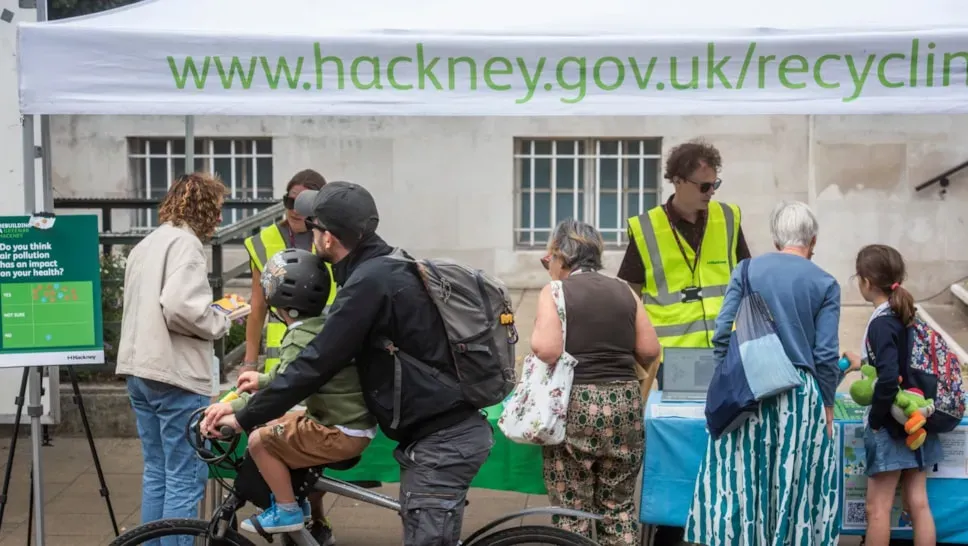
As part of the initiative, Council members are focused on implementing cleaner air solutions that not only reduce emissions but also educate residents on the importance of air quality. New programs include mobile air quality monitoring units and partnerships with environmental organizations that advocate for effective strategies in combating air pollution. These actions are critical in building community resilience against air quality issues while supporting the overarching objective of establishing a healthier environment for all Hackney residents.
Strategies for Reducing Nitrogen Dioxide in Hackney
Nitrogen dioxide (NO2) is one of the principal contributors to Hackney’s air pollution crisis. The new strategic plan introduced by Hackney Council addresses this critical issue through innovative approaches. Stricter regulations on idling vehicles, comprehensive reviews of parking enforcement, and bolstered community initiatives for cleaner air solutions collectively aim to curb NO2 emissions. By tackling these sources directly, the Council endeavors to strike a balance between traffic management and air quality improvement, effectively mitigating pollution exposure for vulnerable groups such as children and the elderly.
Furthermore, Hackney’s commitment to reviewing low-traffic neighbourhood (LTN) initiatives reflects a thoughtful consideration of how traffic patterns contribute to the borough’s air quality. While some residents express concerns over increased congestion, a data-driven analysis indicates that LTNs could lead to long-term air quality benefits if adjusted appropriately. Collaboration with data analysts and community input will be instrumental in refining these strategies, ensuring that the roads remain navigable while progressively reducing harmful nitrogen dioxide levels.
Community Engagement in Air Quality Solutions
Active engagement with the community is integral to the success of Hackney’s air quality initiative. The Council has conducted public consultations to gather residents’ perspectives, revealing a significant number of dissatisfaction with previous air quality management measures. The feedback loop established allows residents to voice their experiences and suggestions, fostering a collaborative approach to devising effective strategies. Importantly, the Council recognizes that its policies must reflect the realities faced by community members in daily life, particularly regarding traffic congestion and accessibility.
In response to the frustrations expressed by residents during a recent protest at Hackney Town Hall, the Council has pledged to continuously adapt its policies. The commitment to listen actively and respond to community concerns represents a shift towards more inclusive governance in environmental issues. Upcoming initiatives, such as providing loans for home air quality monitors, highlight the Council’s dedication to enhancing indoor and outdoor air quality through shared responsibility and community action.
Balancing Traffic Management and Public Health
Balancing traffic management with public health objectives is a central theme in Hackney’s air quality initiative. The Council’s LTN initiatives have been met with mixed reactions; while they are designed to enhance air quality, concerns over increased congestion have dominated community discourse. Cllr Sarah Young’s acknowledgment of these tensions demonstrates an awareness of the challenges that come with implementing such transformative measures. Successful traffic management strategies must prioritize both the need for cleaner air and the everyday experiences of residents navigating the streets.
Moving forward, the Council plans to employ independent data to substantiate the effectiveness of LTN policies in reducing air pollution. By coupling these findings with active community feedback, Hackney aims to refine its traffic management systems. Strategies may involve revisiting road closure measures and exploring alternative solutions that minimize congestion while enhancing air quality. The ultimate goal is to create a sustainable urban environment that fosters both public health and mobility.
Protests and Community Concerns about Air Quality Policies
Protests against Hackney’s air quality policies reflect a broader concern among residents about the efficacy of current measures. The critique of road closures and the impact of LTNs on daily transportation highlight significant pushback from community members. Many assert that these environmental strategies have inadvertently exacerbated issues such as traffic jams and accessibility, particularly affecting vulnerable populations who rely on efficient transportation. This dialogue between the council and the community is essential for understanding the complexities surrounding air quality management.
Councillor Young’s response to community discontent underscores the importance of adapting policies in response to public sentiment. With the planned protest set for February 18, it will be crucial for the Council to demonstrate its commitment to addressing residents’ concerns and engaging constructively with them. By recognizing the legitimate frustrations of Hackney’s residents while continuing to promote cleaner air initiatives, the Council can work towards a shared vision of environmental sustainability that respects individual needs.
Commitment to Indoor Air Quality Improvement
In addition to outdoor air quality strategies, the Hackney Council’s initiative emphasizes the importance of improving indoor air quality for residents. The introduction of loans for home air quality monitors aims to empower households to take charge of their environments by tracking pollution levels and implementing effective solutions. As many residents spend a significant amount of time indoors, addressing indoor pollutants is critical for ensuring overall health and well-being. This initiative reflects a comprehensive approach to air quality management that extends beyond outdoor measures into homes.
Moreover, the focus on improving indoor air quality aligns with the Council’s overarching goal of fostering healthier living conditions across Hackney. Initiatives could eventually include community workshops on enhancing ventilation and reducing indoor pollution sources like smoking or chemical use. By providing resources and guidance, the Council aims to create a healthier indoor environment for all, contributing to the larger goal of reducing health disparities associated with poor air quality.
Educating Residents on Air Pollution and Health Risks
Education plays a crucial role in Hackney’s strategy to combat air pollution and its associated health risks. The Council’s initiative goes beyond policies and regulations, aiming to raise awareness among residents about the impacts of air pollution on health and well-being. Information campaigns could focus on the dangers of nitrogen dioxide exposure and other pollutants, emphasizing preventative measures that residents can adopt. By informing the public about what contributes to air quality degradation, Hackney Council empowers residents to make conscious choices that improve both their health and the environment.
Additionally, involving schools in education on air pollution is vital for fostering a generation that values sustainability. Collaborative efforts could include school-based programs that teach children about the importance of clean air and encourage them to engage in community action. By embedding these values early on, Hackney can cultivate an informed community that advocates for air quality management and supports local policies aimed at achieving cleaner air.
Evaluating Previous Air Quality Measures
Evaluating past air quality measures in Hackney has become an essential aspect of refining current action strategies. Criticisms of previous initiatives indicate that learning from past experiences is vital to creating effective air quality management policies. Public feedback has highlighted concerns that some measures, initially intended to improve air quality, may have had adverse effects, such as increasing congestion on main roads. These evaluations provide valuable insights that inform future decisions and create accountability within the Council.
Hackney’s Council is now at a pivotal moment where it must translate criticisms into actionable changes. By analyzing data and feedback from residents, the Council can identify ineffective strategies and make necessary adjustments. This iterative process of evaluation and adaptation not only contributes to transparency but also builds trust between the Council and the community. The ongoing commitment to improvement reflects the Council’s determination to genuinely address air pollution challenges and advance public health.
Future Prospects for Cleaner Air in Hackney
The vision for cleaner air in Hackney is backed by the council’s strategic initiatives that prioritize long-term health outcomes. As the Council moves forward with its Air Quality Action Plan, it is crucial to maintain momentum in implementing new strategies and engaging with the community. Future initiatives could expand to include innovative technologies and green infrastructure that promote sustainable urban living. Collaborations with local businesses and environmental organizations will further enrich Hackney’s approach to achieving cleaner air solutions.
The path to cleaner air is undoubtedly challenging, but with a robust framework that emphasizes community involvement and responsive governance, Hackney is poised for progress. Continued advocacy for sustainable practices, public awareness campaigns, and the embrace of emerging technologies will play critical roles in the journey toward improved air quality. Ultimately, by prioritizing the health and well-being of its residents, Hackney aims to become a model for other cities grappling with similar air quality issues.
Frequently Asked Questions
What is the Hackney air quality initiative and its main objectives?
The Hackney air quality initiative is part of a comprehensive Air Quality Action Plan introduced by the Hackney Council to combat air pollution over the next five years. Its primary objectives include reducing toxic pollutants, particularly nitrogen dioxide (NO2), enhancing indoor air quality, and achieving cleaner air by 2030, in line with World Health Organization (WHO) standards.
How does the Hackney Council intend to reduce nitrogen dioxide levels?
The Hackney Council plans to reduce nitrogen dioxide levels through various measures, such as stricter enforcement against idling vehicles, reviewing parking and enforcement regulations, and promoting cleaner air solutions that include loans for home air quality monitors. These initiatives are part of a broader effort to improve air quality management in Hackney.
What are the concerns regarding air quality management in Hackney?
Many residents have expressed concerns regarding the air quality management initiatives in Hackney, citing that past measures, particularly low-traffic neighbourhood (LTN) initiatives, have inadvertently increased traffic congestion instead of alleviating it. Approximately 47.7% of respondents in recent consultations indicated dissatisfaction with current approaches, leading to calls for more effective cleaner air solutions.
What role do LTN initiatives play in Hackney’s air quality strategy?
LTN initiatives are a significant component of Hackney’s air quality strategy, aimed at reducing traffic in residential areas to combat air pollution. However, these measures have sparked debate, as some residents claim they have worsened congestion on main roads, highlighting the need for ongoing evaluation and adjustment of traffic management policies to achieve the desired air quality improvements.
How can residents get involved in improving air quality in Hackney?
Residents can get involved in improving air quality in Hackney by participating in public consultations organized by the Hackney Council, voicing their concerns regarding air pollution, and staying informed about the latest initiatives. Additionally, community feedback is crucial for the council to adapt its air quality management strategies effectively.
Where can I find information about Hackney’s air quality initiatives?
Information about Hackney’s air quality initiatives can be found on the Hackney Council’s official website and through community platforms that outline the new proposals and ongoing efforts to improve air quality. Residents are encouraged to review the details and provide feedback.
What are the expected outcomes of Hackney’s Air Quality Action Plan by 2030?
The expected outcomes of Hackney’s Air Quality Action Plan by 2030 include significant reductions in toxic pollutants such as nitrogen dioxide, improved overall air quality, and better health outcomes for residents, aligning with WHO air quality standards. Continuous assessment and community involvement are essential for achieving these goals.
What feedback has the community provided regarding Hackney’s air quality efforts?
Community feedback on Hackney’s air quality efforts has been mixed, with around 47.7% of respondents unhappy with the current management strategies. Concerns have been raised about increased congestion resulting from low-traffic neighbourhood initiatives and the need for policies that reflect the realities faced by residents concerning air quality.
| Key Point | Details |
|---|---|
| Hackney Air Quality Initiative | The Council has launched a new initiative to combat air pollution over the next five years. |
| Air Quality Action Plan | Introduced on February 4, aims to meet WHO air quality standards. |
| Focus Areas | Tackling pollutants from buildings, construction, wood burning, and idling vehicles. |
| Public Consultation | Residents expressed frustration over past measures that worsened congestion. |
| Low Traffic Neighbourhoods (LTNs) | Controversial initiatives aimed at reducing traffic continue to face criticism. |
| Community Engagement | About 47.7% of residents dissatisfied with the current air quality management. |
| Future Actions | Stricter enforcement against idling vehicles, parking regulation reviews, and loans for air quality monitors. |
Summary
The Hackney air quality initiative represents a proactive approach to addressing the critical issue of air pollution in the borough. With an ambitious plan aimed at achieving cleaner air by 2030, the initiative acknowledges past shortcomings while focusing on stringent measures to meet international standards. The engagement with community feedback and proposals for stricter regulations on pollutants highlight the council’s commitment to improving the long-term health of Hackney’s residents, ensuring that air quality management aligns with the everyday realities faced by the community.