Listen to this article
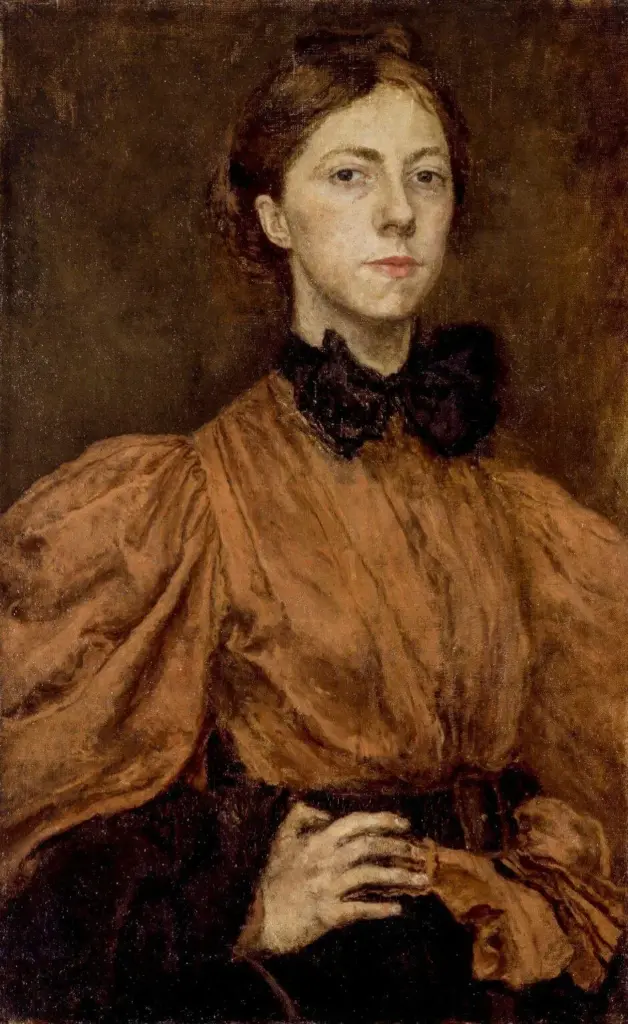
Gwen John, the enigmatic artist of the 20th century, forged a distinctive path in the world of art, redefining what it meant to be a woman artist during the Victorian era. Known for her introspective and evocative paintings, she often explored themes of solitude and femininity, immortalizing her subjects in a way that resonates with viewers even today. A major Gwen John retrospective is currently on display, marking the 150th anniversary of her birth, and showcasing a collection of her works that spans both the UK and the USA. This Gwen John exhibition offers an unparalleled opportunity to delve into her complex biography and the artistic evolution that led her to become a celebrated figure in British art. With each brushstroke, Gwen John not only captured the essence of her subjects but also her own personal reflections, solidifying her legacy as one of the foremost painters of her time.
The artistic journey of Gwen John reveals a fascinating interplay of personal narrative and creative expression, often overshadowed in her lifetime by her more widely recognized brother, Augustus John. As a pivotal figure in British art, her retrospective offers fresh insights into her works and life, presenting an engaging Gwen John biography that contrasts with common perceptions of her as a reclusive and solitary figure. This focused examination of Gwen John paintings highlights her mastery of three-quarter portraits, particularly those of women, showcasing how her artistic vision evolved over time. The current exhibition not only emphasizes her contributions to the art world but also reflects the broader context of women’s emancipation in the early 20th century. By revisiting her storied past, we can celebrate her unique perspective and the enduring impact of her artistic legacy.
Gwen John’s Artistic Legacy: A Retrospective Reimagined
Gwen John’s enduring impact on the art world is being celebrated through a groundbreaking retrospective at the National Museum Cardiff. As the exhibition marks the 150th anniversary of her birth, it brings together an impressive collection of her works from both the UK and the USA. This event not only highlights her artistic prowess but also challenges historical misconceptions about her life as a ‘reclusive spinster’. Instead of merely being overshadowed by her brother Augustus John, Gwen’s paintings are finally receiving the recognition they deserve, showcasing her unique style and voice in 20th-century art.
The retrospective offers an opportunity to dive deeper into Gwen John’s biography and understand her artistic journey. Critics and curators alike recognize her formidable talent, which often focused on three-quarter portraits of women, reflecting her introspective style and mastery of subtle emotional expressions. With the collection amassed over decades, this exhibition also aims to redefine her narrative, emphasizing her independence and the progressive strides she made as a female artist during a patriarchal era.
Exploring the Themes in Gwen John’s Paintings
Gwen John’s paintings are profoundly introspective, often exploring themes of solitude and femininity. Her subjects frequently appear immersed in their thoughts or engaged in quiet activities, such as reading or knitting, creating a sense of intimacy that draws the viewer into their world. This emphasis on the domestic sphere serves as a broader commentary on the roles women were expected to occupy in society during John’s lifetime. Each brushstroke in her works captures a moment of reflection, encouraging audiences to contemplate not just the subjects, but also the artist’s own experiences and struggles.
In works like ‘A Corner of the Artist’s Room in Paris’, John encapsulates her thoughts on personal space and autonomy. This piece resonates with Virginia Woolf’s notion of a room of one’s own, emphasizing the belief that artists, especially women, must carve out physical and spiritual spaces to create freely. As more of her solo exhibitions are planned and reviews of her retrospective circulate, art enthusiasts and historians are eager to delve into the layered complexities of Gwen John’s work and the historical context that shapes its interpretation.
The Impact of Gwen John’s Early Life on Her Art
Gwen John’s early life in Pembrokeshire significantly influenced her artistic development. Losing her mother at a young age and living in a house filled with her mother’s watercolor paintings left a lasting impression on John. These personal experiences of loss and longing infused her art with emotional depth, evident in her portrayal of women and familial dynamics. John often drew upon her childhood memories, channeling her experiences into a unique artistic vision that transcended the conventional boundaries of her era.
Furthermore, her time spent in Tenby, coupled with the privations faced during her upbringing, shaped her individuality as an artist. The landscapes and local figures of her youth frequently inspire her subject matter, offering viewers a glimpse into her formative years. These origins, combined with her later experiences in Paris, where she sought not just to mirror her brother’s success but to establish her own identity, create a rich tapestry that defines her artistic legacy and highlights her resilience as a woman artist in a male-dominated field.
Gwen John: A Pioneer of Feminism in Art
Gwen John’s life and work embody the spirit of feminist resilience, paving the way for future generations of female artists. She defied societal expectations of women during the Victorian era, choosing to embrace her independence and prioritize her passion for art over traditional roles of marriage and family. This choice was revolutionary in its time and continues to resonate within feminist art discourse today. John’s self-portraits and depictions of women are not merely representations; they are affirmations of female identity and autonomy.
The recent retrospective is not just a display of her work; it is a celebration of her impact on the conversation surrounding women’s representation and emancipation in art. Critics have begun to view John as a feminist artist, whose work transcends the feminine domain to encompass broader themes of independence and self-definition. This reframing of her legacy allows contemporary audiences to appreciate her as a pioneer who captured the essence of what it meant to be a woman artist in a transformative time.
The Cultural Context of Gwen John’s Work
Gwen John’s artistic output must be understood within the cultural context of the late 19th and early 20th centuries, a time marked by significant social change. The rise of the women’s movement paralleled John’s own struggles for recognition as a female artist. While she often retreated from public life, her works subtly challenged gender norms and expectations, foreseeing a future that would embrace the contributions of women artists. By exploring themes of solitude and interiority, John’s paintings invite viewers to connect with the emotions and lives of women in a way that was groundbreaking for her time.
The cultural milieu in which John operated was rife with shifting attitudes towards female empowerment and artistic expression. Her relationships with influential figures, such as the sculptor Auguste Rodin, added layers of complexity to her identity. Despite their romantic entanglements, John maintained her artistic voice and pursued her vision. This duality reflects a broader cultural narrative of women seeking agency and recognition in artistic spheres, making Gwen John’s work a significant part of art history that continues to inform contemporary discussions on gender and creativity.
Gwen John’s Relationships and Their Influence on Her Art
John’s personal relationships profoundly shaped her artistic expression. Much has been said about her affair with Auguste Rodin, who not only influenced her subject matter but also exposed her to the dynamics of passion and creativity. While some critics focus on her role as Rodin’s muse, it is essential to recognize that her intense correspondence with him—comprising over 1,000 letters—reveals a deeply intellectual relationship that informed her artistic vision. This interplay between love and artistry is evident in her works, which often reflect layered emotional states.
In addition, her connections with women throughout her life underscore the complexities of her sexuality and interactions, which can be seen reflected in her artwork. John was known for forming meaningful bonds with other women, which were crucial to her identity as an artist. This exploration of relationships becomes a recurring theme in her paintings, where women are often depicted in states of reflection or intimate settings, suggesting a deeper connection to her understanding of female experience.
Gwen John’s Influence on Future Generations of Artists
As modern artists and curators revisit Gwen John’s work, her influence on contemporary art is becoming more pronounced. The renewed interest in her painting style and themes—focused on female form and domestic interiors—speaks to a growing recognition of women artists from the past. Gwen John’s commitment to her craft, her vision of femininity, and her ability to express complex emotional landscapes through art serve as inspiration for emerging female artists today. This trajectory not only revitalizes appreciation for her work but also reinforces the importance of female representation in galleries worldwide.
Moreover, exhibitions such as the one at the National Museum Cardiff are critical in situating Gwen John’s work within broader historical narratives. As scholars and audiences engage with her art, they are articulating a new understanding of women artists’ contributions to the cultural landscape. John’s narrative reminds us of the rich histories of female creativity that deserve to be celebrated, thereby inspiring a new generation to challenge stereotypes and claim their space as artists.
The Significance of Gwen John’s Exhibition in Today’s Art World
The opening of the retrospective ‘Gwen John: Strange Beauties’ marks a pivotal moment in the recognition of female artists within the historical canon. As the exhibition circulates significant works from across her career, it elevates not only John’s legacy but the narrative of women artists who have been overlooked or marginalized. This growing visibility is crucial in the contemporary art world, where the fight for equal representation remains ongoing. Such exhibitions serve not just to celebrate past achievements but also to catalyze conversation and advocacy for broader inclusion.
By reframing Gwen John’s work within feminist art narratives, curators aim to connect her legacy with today’s movements advocating for gender equality and representation in art. This retrospective offers a platform for discussion, encouraging art lovers, academics, and the general public to engage with John’s story and its implications for the ongoing discourse surrounding women’s contributions to the arts. As we celebrate her 150th anniversary, Gwen John’s work continues to resonate, inviting audiences to appreciate the intricacies of her journey and its relevance in today’s society.
Frequently Asked Questions
What is the significance of the Gwen John retrospective in Cardiff?
The Gwen John retrospective in Cardiff marks the 150th anniversary of her birth and showcases a collection of her works for the first time, highlighting her impact as one of Britain’s greatest 20th Century artists. This exhibition includes pieces acquired by the National Museum Cardiff in 1976, which have undergone limited research and exhibition until now.
Can you tell me about Gwen John’s biography and early life?
Gwen John was born in 1876 in Haverfordwest, Pembrokeshire. She was inspired by her mother, Augusta, an accomplished watercolor painter who passed away when Gwen was eight. This early loss influenced her art and emotional experiences. After moving to Tenby, she developed her artistic talent, eventually becoming a prominent figure in the art world.
What are some notable Gwen John paintings featured in her exhibitions?
Notable Gwen John paintings highlighted in exhibitions include ‘A Corner of the Artist’s Room in Paris’ and ‘Mere Poussepin Seated at a Table’. These works reflect her unique style, focusing on three-quarter portraits, primarily of women, and showcasing her artistic evolution influenced by her spirituality and life experiences.
How did Gwen John’s relationships influence her art?
Gwen John’s relationships, particularly with women and her passionate affair with sculptor August Rodin, deeply influenced her artwork. Her experiences shaped her perspective on subjects, as seen in her paintings that explore themes of introspection and spirituality, reflecting her emotional landscape.
What themes are prevalent in Gwen John’s art?
Gwen John’s art predominantly explores themes of femininity, spirituality, and solitude. Her portraits often depict women in contemplative poses, reflecting her fascination with the inner lives of her subjects. The emphasis on three-quarter portraits represents her nuanced approach to depicting emotional depth.
| Key Point | Details |
|---|---|
| Gwen John’s Background | Born in 1876 in Haverfordwest, Pembrokeshire, she was a contemporary of her brother Augustus, a well-known artist. |
| Reputation as a Reclusive Spinster | Regarded as a reclusive figure, myths about her life often described her as solitary and detached. |
| Recent Retrospective | A major exhibition celebrating her works is showcased in Cardiff, marking the 150th anniversary of her birth. |
| Influence of Family | Her mother’s death greatly impacted her, and her family encouraged her artistic pursuits. |
| Artistic Development in Paris | She moved to Paris, where she evolved as an artist under the guidance of influential figures. |
| Personal Relationships | John had significant relationships with both men and women, including a long affair with sculptor August Rodin. |
| Legacy and Recognition | Over time, her work and life are reevaluated through a modern, feminist lens, acknowledging her independence and artistry. |
Summary
Gwen John remains a pivotal figure in the art world, reshaping the narrative around women artists of the early 20th century. Despite being labeled a ‘reclusive spinster’, her vibrant social life and dedication to her craft challenge the myths that surround her. As her works gain recognition through exhibitions like ‘Gwen John: Strange Beauties’, her story inspires future generations, celebrating her as not just a talented artist, but a symbol of artistic freedom and independence.