
Listen to this article
Gut health has become a significant focal point in wellness discussions, capturing the attention of health enthusiasts worldwide. The gut microbiome, a complex ecosystem of trillions of microbes residing in our digestive tract, plays a crucial role in overall health, influencing everything from digestion to mood regulation. As people become more aware of the connection between diet and well-being, viral gut foods like bone broth and kombucha are gaining popularity for their purported health benefits. With advocates touting the positive effects of olive oil nutrition and the richness of bone broth, it’s essential to evaluate these claims critically. While these foods may provide some benefits, understanding the science behind gut health is vital to separate fact from fiction in this rapidly evolving field.
The concept of maintaining a healthy digestive system has gained momentum, often referred to in terms like microbiota balance and intestinal wellness. As consumers seek out remedies to optimize their digestive functions, many are turning to trending dietary options that claim to enhance gut flora diversity. Foods such as fermented beverages and nutrient-rich broths are marketed as natural solutions to common digestive issues and an overall boost to physical well-being. However, the relationship between what we eat and how it impacts our gut ecosystem requires careful consideration. Engaging with these concepts can empower individuals to make informed decisions about their digestive health without getting lost in the hype surrounding popular wellness trends.
Understanding Gut Health and the Microbiome
Gut health is an essential aspect of overall wellness, influenced significantly by our gut microbiome—the diverse community of microorganisms residing in our digestive tracts. These microbes play a vital role in digestion, nutrient absorption, and even mental health. As BBC science broadcaster Caroline Steel points out, our gut microbiome is not only unique but also essential for regulating our immune system and maintaining a healthy metabolism. Factors such as diet, lifestyle, and medications can affect microbial diversity, making gut health a dynamic and intricate area of study.
A balanced diet rich in fiber, fruits, vegetables, and fermented foods can support a flourishing gut microbiome. This relationship is crucial, as certain foods stimulate the growth of beneficial gut bacteria, promoting better digestion and overall health. Emerging research continues to unveil the myriad ways gut health can impact our physical and mental well-being, suggesting that maintaining a healthy microbiome may be one of the most influential factors in achieving optimal health.
The Hype Around Viral Gut Foods
In today’s health-conscious society, viral gut foods like chia seeds, olive oil, and bone broth are often promoted as miracle solutions for gut health. However, experts like microbiologist Alan Walker and gut health scientist Dr. Megan Rossi urge a more nuanced understanding. They remind us that while some of these trendy foods may possess beneficial properties—such as chia seeds being a fiber source that supports healthy digestion—they alone are not sufficient for maintaining gut health. It’s crucial to approach these foods with a balanced perspective, recognizing that variety and moderation in our diets are more beneficial than a singular focus on trendy items.
Moreover, the marketing surrounding these viral gut foods can sometimes blur the lines between fact and fiction. For instance, while olive oil is celebrated for its anti-inflammatory properties, consuming it in excessive amounts or as ‘shots’ does not guarantee enhanced microbiome health. Experts consistently emphasize that no single food can be deemed a cure-all for gut health; rather, it is the cumulative effect of a diverse and balanced diet that yields significant benefits.
Exploring the Benefits of Bone Broth
Bone broth has gained popularity as a restorative food, lauded for its high nutrient content derived from simmering animal bones and connective tissues. Proponents claim that bone broth is rich in collagen, amino acids, and minerals that can support gut health, however, research suggests that these benefits may be overstated. Emily Rossi, a gut health specialist, cautions that while bone broth provides comfort and hydration, the actual impact on gut microbiome health is minimal, primarily due to the fact that most nutrients from bone broth are absorbed higher up in the digestive tract.
Furthermore, excessive consumption of bone broth can lead to potential downsides, such as increased cholesterol levels if the broth contains untrimmed saturated fat. A more balanced approach might include incorporating a variety of nutrient sources—such as plant-based fibers alongside collagen-rich foods—into your diet for better gut health outcomes. Therefore, while bone broth has its place, it should not be the sole focus for those aiming to improve their gut health.
The Truth About Kombucha’s Health Benefits
Kombucha, the fermented tea with a fizzy kick, has captured the attention of health enthusiasts and is often touted as a magic potion for gut health. With its effervescent nature from a natural fermentation process, it contains probiotics which can contribute positively to the gut microbiome. However, not all kombucha is created equal—much depends on its preparation and ingredients. Health expert Dr. Megan Rossi notes that consumers should look for kombucha with visible ‘floaters’ indicating active cultures, while also avoiding versions loaded with sugar or unnecessary additives that undermine its health benefits.
While kombucha can be beneficial, especially when consumed as part of a balanced diet, it should not replace traditional food sources of fiber or probiotics. True gut health is more holistically achieved through a diverse diet rich in fruits, vegetables, and whole grains. Thus, incorporating kombucha should be viewed as a complement to a broader approach rather than a standalone solution to gut health concerns.
Finding Balance in Your Diet for Optimal Gut Health
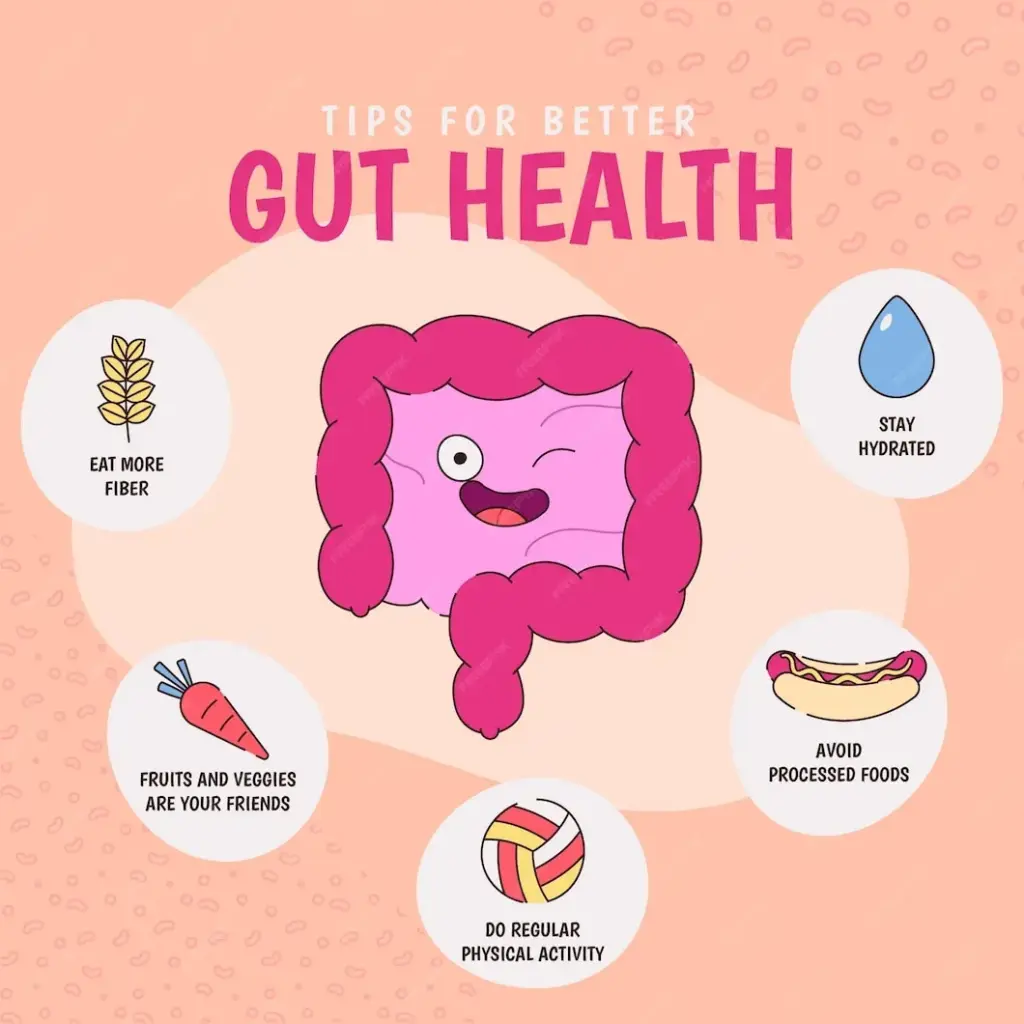
Achieving optimal gut health involves a balanced approach towards diet, emphasizing the consumption of whole, unprocessed foods that support a healthy microbiome. Instead of solely chasing viral food trends, it’s more beneficial to focus on integrating a rich variety of plant-based foods into meals. Foods high in fiber, such as legumes, whole grains, fruits, and vegetables, serve as prebiotics that nourish beneficial gut bacteria, facilitating better digestion and overall health.
In addition, experts recommend reducing the intake of ultra-processed foods, which may negatively impact gut microbiome diversity. Simple lifestyle changes, such as meal planning to include diverse food groups or incorporating fermented foods regularly, can effectively enhance gut health. By prioritizing nutrient-dense ingredients over trends, individuals can more reliably promote their gut wellness and general wellbeing.
The Role of Olive Oil in Gut Health
Olive oil has long been celebrated for its numerous health benefits, notably its anti-inflammatory properties and contributions to heart health. Recent discussions have also spotlighted its potential positive impact on gut health. While many emphasize taking concentrated ‘shots’ of olive oil for a supposed microbiome boost, there’s a consensus among experts like Alan Walker that simply incorporating olive oil into meals is just as effective. Its rich composition of healthy fats aids in nutrient absorption and digestive health, aligning well with a holistic approach to dietary habits.
Moreover, integrating olive oil into a diverse diet can enhance the absorption of other nutrients, especially vitamins. Instead of relying on singular servings of olive oil, it’s advisable to include it as part of a varied diet, particularly when pairing it with antioxidant-rich foods such as vegetables and fish. This combination not only elevates flavor but also supports gut health through synergistic effects between ingredients.
Recognizing the Signs of Gut Health Issues
Understanding the signs of gut health issues is crucial for early intervention and management. Common symptoms such as persistent bloating, irregular bowel movements, excessive gas, or abdominal discomfort may indicate underlying digestive disorders. Experts recommend paying attention to these symptoms and not merely attributing them to poor dietary choices or stress. Rather than turning to fad diets, individuals experiencing ongoing gut distress should consider consulting with healthcare professionals who specialize in digestive health.
Furthermore, keeping a food diary can help identify potential triggers related to diet. This proactive approach allows individuals to track their symptoms and correlate them with specific foods or eating patterns. By recognizing these signs early on, individuals can adopt more informed dietary habits that genuinely support their gut microbiome without succumbing to the latest viral dietary trends.
The Impact of Processed Foods on Gut Microbiome
Processed foods are often loaded with additives, preservatives, and sugar, which can adversely affect the gut microbiome. Studies have shown that high consumption of ultra-processed foods leads to decreased microbial diversity, which is essential for a healthy gut. This reduced diversity can result in a myriad of health issues, including obesity and metabolic disorders. Nutrition experts stress the importance of prioritizing whole and minimally processed foods that provide prebiotics and probiotics necessary for a thriving gut environment.
Transitioning away from processed foods doesn’t have to be daunting; incorporating more whole foods into your meals can create a significant change in gut health over time. Simple swaps, like choosing brown rice instead of white rice, or opting for fresh fruits instead of sugary snacks, can contribute to a more diverse gut microbiome. Education around food choices is vital to empower individuals seeking to improve their gut health through dietary modifications.
Building a Sustainable Gut Health Plan
Creating a sustainable gut health plan involves long-term commitment to maintaining diverse and balanced dietary habits. Rather than focusing on short-term fixes or following viral trends, individuals should aim to develop eating patterns that resonate with their personal health goals and lifestyles. A well-rounded diet rich in plant-based foods, healthy fats, and fermented options can significantly enhance gut health while also preventing potential digestive issues. Experts recommend thinking of gut health as an integral part of overall wellness rather than a one-off concern.
Regularly reassessing one’s dietary habits and staying informed about nutritional research can help maintain a flexible and enjoyable approach to eating. Additionally, incorporating periodic health check-ups can ensure that any gut-related issues are addressed promptly. Ultimately, establishing a sustainable approach to gut health involves not just dietary adjustments but also a holistic view of lifestyle factors such as stress management and physical activity.
Frequently Asked Questions
What is the gut microbiome and why is it important for gut health?
The gut microbiome refers to the trillions of bacteria, viruses, and fungi residing in the entire digestive tract, significantly influencing our gut health and overall well-being. A healthy gut microbiome aids in energy extraction from food, regulates blood sugar levels, boosts immune defense, and is linked to improved mental health. This unique ecosystem is crucial for digestive processes and maintaining balance in the body.
Do viral gut health foods like olive oil and bone broth actually improve gut health?
Viral gut health foods such as olive oil and bone broth have gained popularity, but their effects on gut health may be overstated. While olive oil has anti-inflammatory properties and can be beneficial for heart health, there is little evidence that consuming it in concentrated forms enhances the microbiome. Bone broth, while nutrient-dense, delivers minimal nutrients to gut microbes, and its benefits for gut health lack strong scientific backing.
What are the benefits of consuming olive oil for gut health?
Olive oil is known for its anti-inflammatory qualities and heart-healthy benefits, which can indirectly support gut health. Although it may help alleviate constipation and improve digestion, there is no significant evidence to suggest that taking olive oil shots offers more benefits than incorporating it into your meals. A diverse diet rich in various fibers is considered more crucial for maintaining a healthy gut microbiome.
Can kombucha improve gut health, and how should I choose the right one?
Kombucha, a fermented tea, contains natural acids and antioxidants that may benefit gut health. When selecting kombucha, look for signs of active fermentation, such as floaters, and avoid versions with added sugars or artificial sweeteners. However, not all kombucha offers the same benefits, so choosing a traditional, unadulterated product is essential for optimizing gut health.
What role does bone broth play in gut health, and is it effective?
Bone broth is often touted for its supposed gut health benefits, yet evidence supporting its effectiveness is limited. While it is nutrient-rich, the majority of beneficial microbes reside in the large intestine, where nutrients from bone broth may have minimal impact. Its high saturated fat content can also be a concern for cholesterol levels, making it essential to consider these factors when incorporating bone broth into your diet.
Are viral gut foods necessary for maintaining gut health?
Many viral gut health foods are marketed as essential for improving gut health, but most healthy individuals do not need drastic dietary changes or specific foods. It’s more important to focus on a balanced diet high in plants, fibers, and low in ultra-processed foods to maintain a healthy gut microbiome. Most trends do not provide necessary healing, as a healthy gut can thrive on a variety of whole foods.
What are some simple dietary changes I can make to support my gut health?
To support gut health, consider increasing your intake of plant-based foods, rich in fiber, while reducing ultra-processed items. Eating a diverse array of fruits, vegetables, grains, and legumes will nourish your gut microbiome effectively. Prioritize a balanced diet rather than relying on viral gut health foods, as maintaining gut health often comes down to overall dietary quality.
| Key Point | Details |
|---|---|
| Gut Health Buzzwords | Gut health has gained popularity on social media, with claims of various foods improving mood, energy, and overall well-being. |
| The Gut Microbiome | Comprising trillions of microorganisms, the gut microbiome plays a crucial role in physical and mental health, personalized to each individual. |
| Viral Foods Reviewed | Researchers argue that while these foods may have some benefits, many claims are exaggerated. |
| Chia Seed Water | High in fiber, it can support gut bacteria, but diverse fiber sources are more beneficial. |
| Olive Oil Shots | Recognized for anti-inflammatory effects; however, consuming it as a shot isn’t significantly beneficial for gut health. |
| Sea Moss Gel | Has gained popularity for fiber and nutrients but lacks strong scientific backing for gut health improvements. |
| Bone Broth | Nutrient-dense but research shows minimal impact on gut microbiome health. |
| Kombucha | Contains beneficial acids and antioxidants; quality matters to ensure health benefits. |
| Gut Health Symptoms | Signs of gut issues include constipation, diarrhea, gas, or pain, warranting medical advice instead of fad diets. |
| Maintaining Gut Health | Focus on increasing fiber, consuming more plant-based foods, and reducing processed foods rather than extreme diets. |
Summary
Gut health is essential for overall well-being, yet many popular foods touted as gut healers do not hold up to scientific scrutiny. While trends like chia seeds, olive oil, and kombucha may offer some benefits, they are often misrepresented as miracle cures. Focusing on a balanced diet rich in fiber and whole foods is a more effective approach to maintaining gut health than chasing viral trends.