Listen to this article
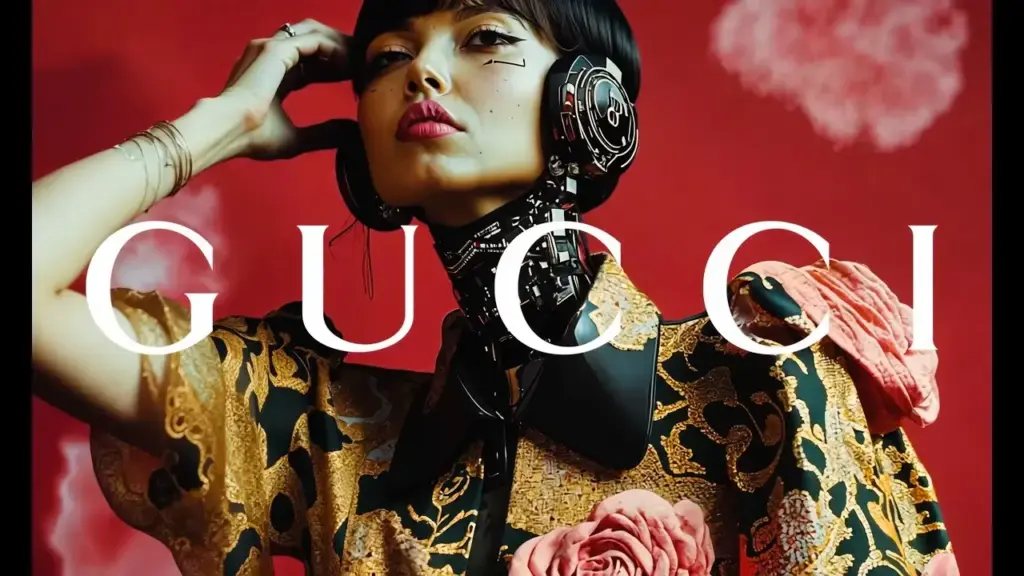
Gucci is currently facing significant backlash regarding its innovative use of AI-generated fashion images to promote its upcoming showcase at Milan Fashion Week. This bold marketing strategy has sparked a vigorous debate among fashion enthusiasts and critics alike, as many question how AI can embody the “creativity and Italian craftsmanship” that the iconic brand claims to represent. Social media has been abuzz with reactions to these AI creations, with users expressing their discontent over the replacement of human models with digital representations. The Milan Fashion Week controversy highlights not only the risks associated with luxury fashion AI but also the potential impact on the brand’s image in an increasingly tech-driven landscape. As Gucci attempts to navigate these complex waters, the conversation around traditional artistry versus technological advancement continues to unfold, revealing the intricate relationship between innovation and heritage in fashion.
In the realm of high fashion, the tensions arising from the integration of artificial intelligence into creative processes are becoming ever more pronounced. The controversy surrounding Gucci’s use of AI to generate promotional visuals for an upcoming runway event serves as a focal point for discussions about the balance between technology and traditional fashion artistry. With critics voicing concerns over the authenticity of AI-generated content, this situation reflects broader implications for the luxury sector, showcasing the delicate dance between embracing innovation and maintaining a brand’s legacy. As public discourse unfolds, reactions to Gucci’s latest marketing initiatives illustrate a growing awareness of how social media is shaping perceptions of modern fashion. Ultimately, this dialogue raises important questions about the nature of luxury in an era increasingly defined by technological capabilities.
Gucci AI Backlash and Its Fashion Implications
The recent controversy surrounding Gucci’s use of AI-generated images to promote its Milan Fashion Week collection has sparked significant backlash among fashion enthusiasts and critics alike. This decision has raised fundamental questions about the authenticity and message of luxury fashion in an era increasingly reliant on technology. Critics have pointed out that Gucci’s decision to forego traditional human models in favor of AI-generated visuals contradicts its brand essence centered around creativity and Italian craftsmanship.
Many social media users have expressed their dissatisfaction with comments highlighting the disconnect between the brand’s prestigious history and the digital marketing strategies it employs. The sentiment is that while fashion has always evolved, the use of AI raises ethical concerns about representation and artistry in an industry that thrives on human creativity and talent. As the backlash grows, Gucci’s marketing strategy might face scrutiny regarding its effectiveness in resonating with a customer base that values tradition.
The Controversy of AI-Generated Fashion Images at Milan Fashion Week
The use of AI-generated images in fashion has ignited passionate discussions at Milan Fashion Week, as brands like Gucci navigate the intersection of technology and artistry. Critics argue that relying on AI overlooks the essential narrative of fashion, which lies in the stories told by human models who bring garments to life. The controversy primarily stems from concerns that AI-generated visuals prioritize efficiency over the rich emotional connections formed by human engagement in fashion shows.
Despite the turbulence, some industry commentators note that AI could offer innovative avenues for inspiration and new forms of expression. Discussions about Gucci’s AI campaign highlight the potential for generative AI tools to expand creative possibilities in fashion marketing. However, the pivotal question remains: can these technological advances coexist with the deeply rooted traditions of craftsmanship that define luxury fashion?
How Gucci’s Marketing Strategy is Shaped by Technology
Gucci’s innovative approach to marketing, particularly incorporating AI-generated imagery, is a reflection of the brand’s desire to stay relevant in a fast-evolving digital landscape. As more companies introduce AI tools into their promotional strategies, Gucci seems to be taking the lead in exploring the juxtaposition between tradition and modern technology. By doing so, they may aim to attract a younger demographic that embraces digital experiences.
Nevertheless, the brand risks alienating its core audience who might still value the authenticity rooted in human expression. The ongoing discourse emphasizes that while AI can assist in creative processes, there is a fine line between enhancement and replacement. Understanding how to balance these elements could ultimately define Gucci’s future endeavors in the luxury fashion sector.
The Role of Social Media in Shaping Reactions to AI in Fashion
In an age where social media dictates public opinion, Gucci’s marketing decisions regarding AI-generated fashion images have been subject to immediate scrutiny. Users on platforms like Twitter and TikTok have voiced their reactions, often polarizing. For some, the use of AI in fashion images promotes a sense of detachment from the artistry associated with the industry, while others argue that it offers a fresh perspective on what luxury can mean in the digital era.
As social media acts as a powerful amplifier for both praise and criticism, it is illuminating to observe how brands adapt their strategies in response to audience feedback. The situation with Gucci reveals that consumer perception is not just about the product but also about the narrative surrounding it, making it imperative for companies to be attuned to shifts in societal values regarding creativity in the fashion world.
Balancing AI and Craftsmanship in Luxury Fashion
Luxury fashion brands like Gucci are at a crossroads where technology and tradition intermingle. With the rise of AI-generated imagery, companies face the challenge of maintaining the high standards of craftsmanship that consumers expect, while also leveraging innovative technologies. The tension between embracing modern tools and honoring artisanal skills is critical, as brands risk being perceived as inauthentic if they rely too heavily on technology.
Experts suggest that the key may lie in finding a harmonious balance where technology complements rather than replaces human artistry. Fashion houses that can effectively integrate AI into their creative processes while preserving the authenticity and emotional depth associated with craftsmanship may not only survive but thrive in an increasingly digital future.
Social Commentary Embedded in AI Fashion Campaigns
Given the backlash against its AI-generated images, Gucci’s campaign may serve a deeper purpose: a social commentary on the evolving definition of luxury in the digital era. The notion that fashion can spark a debate on what high fashion represents today points to an intentional strategy by Gucci’s leadership. By pushing boundaries, they challenge traditional perceptions and invite a conversation about the place of technology in an industry steeped in history.
As consumers become more engaged in discussions around authenticity and innovation, Gucci’s AI campaign could be perceived as a calculated move to redefine the relevance of luxury fashion. Such strategies might not only prompt dialogue but also stimulate critical thinking about the implications of technological advancements in art and industry.
Implications of AI on Future Fashion Innovations
The increasing reliance on AI in luxury fashion not only reflects current marketing strategies but also hints at future innovations within the industry. As brands like Gucci experiment with new forms of creative expression brought about by AI technology, it raises questions about the role of human creativity in the long run. What does it mean for design and brand identity when technology plays an integral role in the conceptualization of collections?
Fashion may see a shift where new generations of designers embrace AI as a collaborative tool rather than a replacement for their artistry. This hybrid approach could yield exciting and transformative developments in style, making space for a fresh narrative that blends human insight with technological innovation.
Consumer Perspectives on AI-Driven Fashion Marketing
Consumer reactions to Gucci’s AI-driven marketing raise pivotal questions about the evolving values of luxury brands. While some applaud the innovative use of technology to redefine creativity, others remain skeptical. These varying perspectives point to a broader conversation about authenticity in luxury goods and whether AI can genuinely capture the essence of high fashion.
Understanding these consumer viewpoints is vital for brands as they navigate the delicate balance of tradition and modernity. Brands that can connect with their audience’s values—whether through storytelling, traditional craftsmanship, or introducing technology—will likely emerge as leaders in the shifting landscape of luxury fashion.
The Future of Luxury Fashion and AI Collaboration
As Gucci becomes a focal point of discussion on the relationship between luxury fashion and AI, the future holds limitless possibilities for innovation. Collaboration between designers and AI could lead to groundbreaking advancements in design, tailoring personalized experiences for consumers. This potential partnership may redefine how consumers engage with fashion brands, making AI an ally rather than an adversary.
Engaging with these technologies has the power to elevate the industry, influencing everything from production methods to customer interactions. However, brands must remain vigilant in ensuring that technology enriches rather than diminishes the unique essence that defines luxury fashion.
Frequently Asked Questions
What is the Gucci AI backlash regarding AI-generated fashion images?
The Gucci AI backlash stems from the brand’s decision to use AI-generated images to promote its show at Milan Fashion Week, raising questions about the authenticity and creativity that Gucci claims to represent, especially against the traditional values of luxury fashion.
How did social media react to the Milan Fashion Week controversy involving Gucci?
Social media reactions to the Milan Fashion Week controversy include mixed opinions, with some users criticizing Gucci for opting for AI-generated images over human models, while others appreciate the aesthetic captured by the AI, indicating a split in public perception of luxury fashion AI.
What are the implications of Gucci’s marketing strategy that involves AI-generated content?
Gucci’s marketing strategy utilizing AI-generated content raises concerns about authenticity in luxury fashion, as critics argue that replacing human representation undermines the brand’s commitment to creativity and craftsmanship, potentially leading to negative publicity.
How is Gucci using luxury fashion AI in its promotional campaigns?
Gucci employs luxury fashion AI by creating visually striking images and videos through AI technologies, which have included prior commissions to digital artists and recent AI-generated visuals aimed at capturing the essence of Milanese style while sparking debate about the role of technology in fashion.
What expert opinions exist regarding the risks of AI use by luxury brands like Gucci?
Experts like Dr. Priscilla Chan warn that while past technological innovations have provided positive publicity, the risks associated with embracing AI could result in backlash and negative perceptions for luxury brands, suggesting the need for careful assessment of AI’s impact on brand image.
Could Gucci’s AI-generated images be a form of commentary on luxury?
Some industry observers speculate that Gucci’s use of AI-generated images might be intentionally provocative, serving as commentary on the evolving definition of luxury in the AI age, blurring the lines between tradition and technological innovation.
Are there positive views on Gucci’s use of AI in fashion?
Yes, some fashion enthusiasts, including influencers like Tati Bruening, see potential in limited AI applications for tasks such as retouching and creating mood boards, suggesting that AI can complement rather than replace the creative processes traditionally valued in fashion.
| Key Points |
|---|
| Gucci faced backlash over AI-generated images for Milan Fashion Week. |
| Social media users criticize AI use over human creativity. |
| Some believe Gucci’s AI art captures ‘Milano glam’ effectively. |
| Concerns raised about negative publicity versus positive innovation. |
| Dr. Priscilla Chan warns about risks in luxury branding with AI. |
| Gucci’s past includes commissioning digital and AI artists. |
| Some view the campaign as a commentary on luxury in the age of AI. |
Summary
Gucci AI backlash has erupted following the fashion house’s decision to utilize artificial intelligence for generating promotional images for its upcoming show. Critics have taken to social media to voice their concerns, arguing that this approach undermines the very essence of creativity and craftsmanship that Gucci claims to uphold. While some praise Gucci’s ability to encapsulate the glamour of Milan without traditional models, industry experts like Dr. Priscilla Chan warn that relying on AI might lead to reputational risks. The ongoing debate highlights the tension between innovation and maintaining a brand’s identity in a rapidly evolving digital landscape.