Listen to this article
The Grossglockner climbing tragedy has captured widespread attention, igniting discussions around safety and accountability in the mountaineering community. Tragic events unfolded when Kerstin G died of hypothermia on Austria’s highest peak, prompting accusations of gross negligence against her boyfriend, Thomas P. As they attempted to summit the formidable Grossglockner, harsh winter conditions turned what was meant to be an exhilarating adventure into a harrowing nightmare. Prosecutors allege that Thomas P failed to take necessary precautions, effectively leaving his inexperienced partner vulnerable in fatal circumstances. This trial not only raises questions about Alpine climbing negligence but could also set new precedents in terms of liability for mountain climbing accidents in the future.
In the realm of mountain sports, the Grossglockner incident raises critical discussions about responsibility during climbing expeditions. The untimely demise of Kerstin G, attributed to extreme cold and exhaustion, has drawn scrutiny towards Thomas P, who is alleged to have neglected his duties as a more experienced climber. This unfortunate event underlines the vital importance of hypothermia prevention in climbing and the consequences of poor decision-making in dangerous environments. As the court case unfolds, it highlights the pressing need for better risk assessment and preparation when tackling the treacherous peaks of the Alps. The repercussions of this case may resonate throughout the climbing community, prompting a reevaluation of safety practices and ethical responsibilities among climbers.
Understanding the Grossglockner Climbing Tragedy
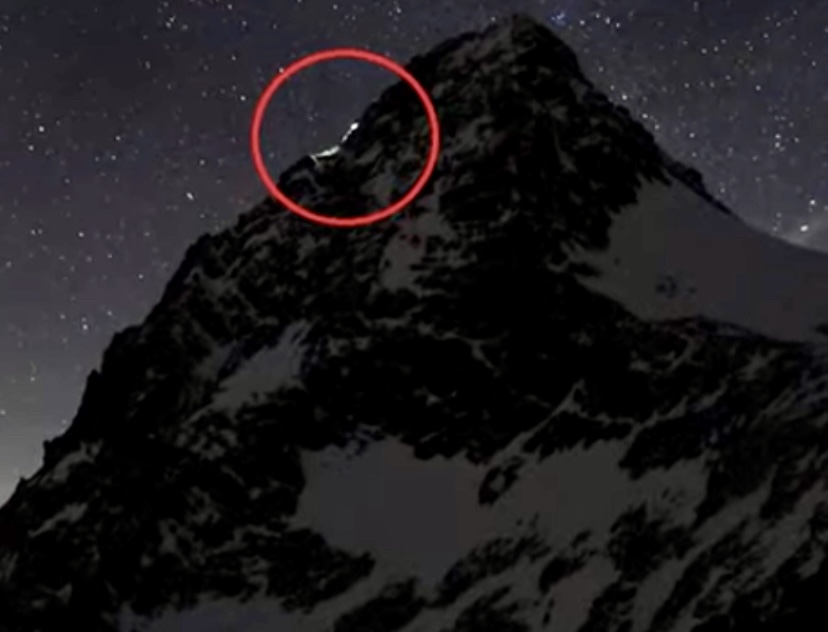
On January 19, 2025, a tragic incident unfolded on Austria’s highest peak, the Grossglockner, leading to the death of 33-year-old Kerstin G due to hypothermia. This heartbreaking event has attracted considerable media attention, largely due to the trial of her boyfriend, Thomas P, accused of gross negligent manslaughter. As the climber with more experience, he is believed to have failed in his duty to provide adequate safety and support, especially under treacherous winter conditions. This incident prompts critical discussions about the responsibilities climbers bear for each other, particularly in high-altitude situations where conditions can deteriorate rapidly.
The Grossglockner climbing tragedy raises significant questions about judgment and accountability in the sport of mountain climbing. The prosecution contends that Thomas P made critical errors throughout the climb, from the choice of equipment to the decision to continue the ascent despite worsening weather. The nine alleged mistakes outlined by prosecutors serve as a stark reminder of the dangers inherent in Alpine climbing. As climbers and enthusiasts reflect on this case, it becomes clear that lessons must be learned to prevent similar incidents in the future, emphasizing the need for comprehensive safety preparations and effective communication between climbers.
The Impact of the Thomas P Trial on Alpine Climbing
The trial of Thomas P has ignited fervent discussions within the climbing community and beyond, highlighting the legal implications that may arise from climbing accidents. Should the court find him guilty, it could set a precedent affecting how mountaineers approach personal responsibility in high-stakes outdoor pursuits. The case introduces a critical inquiry into what constitutes negligence in the context of planning and executing climbing expeditions. The possibility of liability could deter some climbers from embarking on challenging ascents, knowing they may face legal repercussions should something go awry.
The consequences of the trial extend beyond Thomas P’s personal fate; they could also reshape the culture of mountain climbing in Austria and possibly internationally. With debates around Alpine climbing negligence intensifying, there is a push for clearer guidelines about what is expected of more experienced climbers when leading others in dangerous environments. This discourse calls for a collective reassessment of climbing practices, specifically concerning preparation, risk assessment, and the type of equipment used in adverse weather conditions, emphasizing hypothermia prevention and the risks associated with inadequate gear.
Addressing Mountain Climbing Accidents: What Can Be Learned?
The Grossglockner tragedy is a stark reminder of the darker side of mountain climbing—accidents can happen, and the consequences can be severe. Understanding these incidents is crucial for accident prevention, emphasizing the need for appropriate training, planning, and equipment checks before heading into the mountains. Climbing in potentially perilous conditions requires thorough preparation, which includes evaluating both personal and technical readiness as well as the capability of one’s equipment. While every climber understands the inherent risks of the sport, increased awareness and preventative strategies can significantly reduce the risk of accidents.
Furthermore, this tragedy highlights the importance of open communication and teamwork among climbing partners. Climbers must feel comfortable voicing concerns about decisions that could impact their safety. In situations where one climber may have significantly more experience, such as in the case of Thomas P, there should be a mutual understanding of the need for caution. By fostering an environment where climbers support each other in making informed decisions, the likelihood of mountain climbing accidents may be reduced, ultimately saving lives.
Hypothermia Prevention in Mountain Climbing
Hypothermia remains one of the most serious threats to climbers, particularly in frigid weather conditions like those experienced during the Grossglockner tragedy. Understanding how to recognize the signs of hypothermia and prevent its onset is crucial for anyone attempting high-altitude climbs. Climbers should always carry proper equipment, such as insulated clothing and emergency bivouac gear, designed to retain body heat and protect against severe cold. Moreover, it is essential to monitor the health and morale of climbing partners continually, as fatigue and exhaustion can set in slowly but have dire consequences.
In addition to equipment, climbers must be vigilant about changing weather conditions and maintain a flexible itinerary. As evidenced by the case at hand, poor decision-making amid strong winds and sub-zero temperatures can lead to disaster. Establishing checkpoints and ensuring that climbers are aware of their physical state can help prevent situations where climbers are left vulnerable and unprotected. Education about hypothermia prevention techniques, including proper layering, hydration, and food intake, is vital for all climbers to enhance safety during their adventures.
The Role of Equipment in Alpine Climbing Safety
The equipment used in mountain climbing plays a pivotal role in ensuring safety and efficiency, as demonstrated in the unfortunate circumstances surrounding Kerstin G’s death. Prosecutors claim that inadequate gear—including the use of snowboard soft boots—contributed to the tragedy. Proper footwear, designed specifically for high-altitude and technical climbing, is critical for maintaining warmth and support on potentially treacherous terrain. This highlights the necessity for climbers to select equipment based on the specific challenges they will face on their ascents.
Moreover, climbers must regularly assess the suitability and condition of their gear, ensuring it meets the demands of the environment. In high-altitude settings, conditions can rapidly change, making it essential that climbers carry emergency supplies, such as warmth-retaining materials and navigational aids. Training on how to properly utilize this gear in emergencies can make a significant difference when facing life-threatening situations outdoors. The Grossglockner tragedy has sparked renewed discussions about the standards expected in climbing gear, influencing climbers’ purchasing decisions and ultimately enhancing safety in the mountains.
Legal Ramifications of Climbing Accidents: A Paradigm Shift
The ramifications of Thomas P’s trial extend into the legal arena, where the concepts of criminal liability and negligence in climbing are being rigorously examined. Should he be convicted, there is a potential that the case could lead to stricter laws regarding responsibility in mountain climbing. Legal experts suggest that a guilty verdict might shift perceptions of how climbers view their obligations to one another during expeditions, which could result in greater caution among climbers and possibly lead to heavier penalties for negligence in the sport.
As this case unfolds, it raises critical questions about the intersection of personal freedom in outdoor activities and the safety obligations individuals hold towards each other. Discussions surrounding the legal implications of climbing accidents could catalyze significant changes in insurance policies for climbing expeditions, impacting climbers’ strategies and risk management practices. The scenario emphasizes the urgent need for reinforcing safety protocols and understanding the legal landscape that climbers operate within to safeguard the sport’s future.
The Importance of Alpine Experience and Training
In high-altitude climbing scenarios, the level of experience among participants can significantly determine the outcome of an expedition. Thomas P’s experience was underscored by prosecutors as a key factor in the case. It prompts an essential discourse around the need for adequate training for all climbers, especially those who plan to take others on challenging climbs. Comprehensive training should encompass not only technical skills but also leadership and decision-making during crises, preparing climbers to handle potentially perilous situations responsibly.
Furthermore, the tragic outcome of the Grossglockner climb serves as a catalyst for reevaluating training standards in the climbing community. New training modules could emerge that focus on risk assessment in inhospitable conditions, emphasizing the importance of individual climber readiness and equipment suitability. Climbers must be aware of their capabilities and limitations, ensuring that they possess the skills and knowledge necessary to make sound judgments while navigating the risks presented by climbing in harsh environments.
Community Reaction and Support After the Tragedy
The climbing community has grappled with the emotional impact of the Grossglockner tragedy, expressing sorrow for the loss of Kerstin G and concern for the implications of the trial. Discussions surrounding the case have stirred a range of emotions, from solidarity with those involved to calls for improved safety protocols. Many experienced climbers openly reflect on the ramifications of such tragedies, advocating for a culture that prioritizes safety and education over recklessness, promoting a more profound understanding of the risks associated with climbing.
To support climbers facing similar circumstances, local climbing organizations and community groups have ramped up educational efforts on snow and ice climbing safety. Workshops focusing on emergency response, equipment education, and risk management have become more prevalent, aiming to prepare climbers for eventualities that may arise during alpine tours. The collective response showcases the resilience of the climbing community, pledging to honor Kerstin G’s memory through enhanced awareness and preventative measures for future climbers.
Frequently Asked Questions
What happened in the Grossglockner climbing tragedy involving Kerstin G?
The Grossglockner climbing tragedy unfolded on January 19, 2025, when Kerstin G, a 33-year-old woman, died of hypothermia during a mountaineering expedition with her boyfriend, Thomas P. The couple faced treacherous winter conditions at high altitude, and she was left unprotected near the summit while he sought help.
What charges is Thomas P facing in connection to the Grossglockner climbing tragedy?
Thomas P is on trial for gross negligent manslaughter, accused of failing to ensure Kerstin G’s safety during their climbing trip on the Grossglockner despite being the more experienced climber. Prosecutors argue that his negligence and poor decision-making contributed to the tragic outcome.
How did hypothermia contribute to Kerstin G’s death on the Grossglockner?
Hypothermia, a life-threatening condition caused by prolonged exposure to cold, was the primary factor leading to Kerstin G’s death during their climb on the Grossglockner. The extreme conditions, including temperatures plummeting to -8°C and strong winds, exacerbated her exhaustion and eventual inability to seek shelter.
What errors did prosecutors claim Thomas P made during the Grossglockner climb?
Prosecutors outlined at least nine significant errors by Thomas P during the Grossglockner ascent, including starting the climb late, not having adequate emergency bivouac equipment, allowing Kerstin G to wear unsuitable footwear, and failing to turn back in the face of dangerous weather conditions.
What implications could the Grossglockner climbing tragedy have for mountaineering liability?
The trial surrounding the Grossglockner climbing tragedy could signal a paradigm shift in mountaineering liability. If Thomas P is found guilty, it may set a precedent for how climbers are viewed in terms of responsibility towards their companions, especially in cases of accidents and negligence on alpine excursions.
How does the Grossglockner climbing tragedy highlight the risks of winter climbing?
The Grossglockner tragedy underscores the inherent risks of winter climbing, particularly regarding hypothermia prevention and safety measures. Climbers face unique challenges in harsh weather conditions, making thorough preparation and situational awareness critical for survival.
What role does Alpine climbing negligence play in the Grossglockner climbing tragedy case?
Alpine climbing negligence is a central theme in the Grossglockner climbing tragedy case, with prosecutors arguing that Thomas P’s decisions constituted a failure to act as a responsible guide. His actions, or lack thereof, during critical moments are under scrutiny for potential criminal liability.
How can climbers prevent hypothermia while climbing in conditions similar to those faced on the Grossglockner?
Preventing hypothermia during climbing requires appropriate clothing, including layering, and the use of windproof and waterproof gear. Staying hydrated, maintaining energy levels, having emergency bivouac supplies, and monitoring weather conditions are crucial, especially in high-altitude and winter environments like the Grossglockner.
What were the conditions like during the climb of Grossglockner on the day of the tragedy?
Conditions during the Grossglockner climb on January 19, 2025, were extremely hazardous, with temperatures around -8°C, strong winds exceeding 74 km/h, and significant wind chill, creating a very real risk for climbers, particularly those inexperienced with such severe weather.
What has been the public reaction to the Grossglockner climbing tragedy and Thomas P’s trial?
The Grossglockner climbing tragedy and the ensuing trial of Thomas P have generated significant public interest, sparking debate within both Austrian society and the broader climbing community regarding accountability, safety standards, and the ethics of personal responsibility in outdoor sports.
| Key Points |
|---|
| Incident Date: January 19, 2025 |
| Victim: Kerstin G, 33 |
| Accused: Thomas P, her boyfriend, on trial for gross negligent manslaughter |
| Circumstances: Climbed Grossglockner, Austria’s highest mountain |
| Weather: Stormy conditions, strong winds, and extreme cold |
| Prosecution’s Claim: Thomas failed to assist and left Kerstin unprotected |
| Defense Argument: The climb was planned mutually, and equipment was deemed acceptable at the time |
| Key Controversy: Determining liability in extreme sports incidents |
| Potential Outcomes: Up to 3 years in prison for Thomas if convicted |
Summary
The Grossglockner climbing tragedy sheds light on the complex dynamics of risk and responsibility in extreme sports. This heartbreaking incident highlights the potential consequences of decision-making in high-stakes environments, particularly the challenges of assessing personal capability and environmental risks. The trial of Thomas P serves as a crucial case that may redefine the liabilities climbers face towards their partners in future mountain adventures. As the climbing community watches closely, the outcome will resonate beyond Austria, influencing discussions on safety and accountability in outdoor adventures.