
Listen to this article
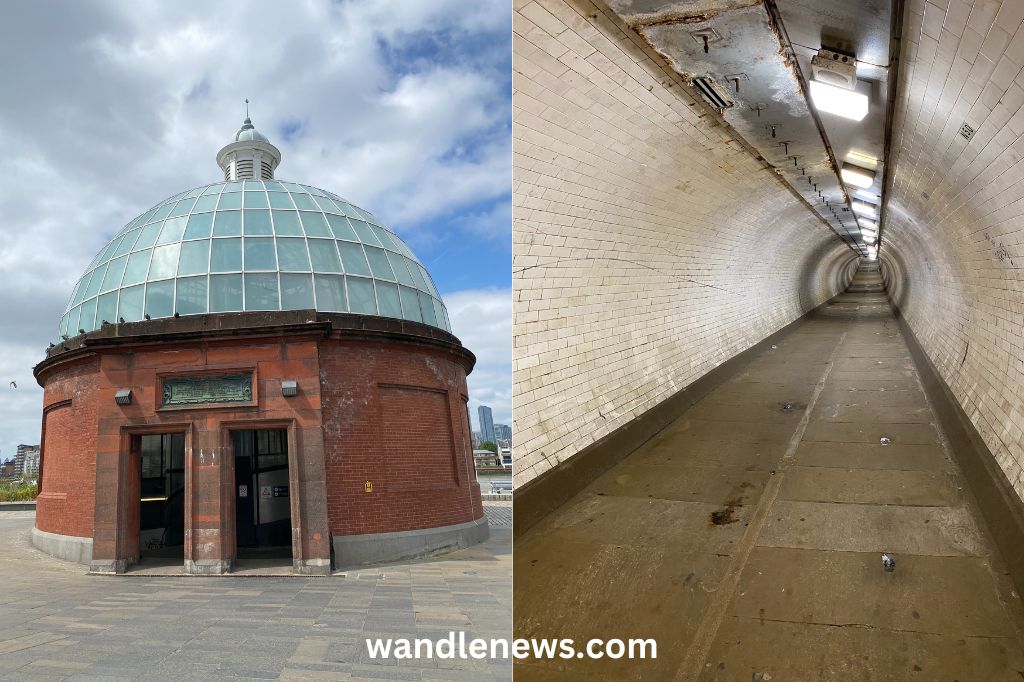
Greenwich foot tunnel regeneration is set to transform one of London’s key pedestrian river crossings, addressing long-standing issues with lift reliability that have frustrated commuters and residents alike. Recent plans unveiled by Greenwich Council, in collaboration with Tower Hamlets Council, aim to revitalize both the Greenwich and Woolwich foot tunnels, enhancing accessibility and user experience. The focus of this ambitious foot tunnel upgrade includes installing more reliable dual shaft lifts and improving lighting and heritage features, ensuring the tunnels not only function better but also celebrate their historical significance. Regular users have voiced concerns over the current maintenance of these avenues for foot traffic, highlighting the necessity for efficient repairs and operational reliability. As these councils move forward with their commitment to improving this essential infrastructure, the anticipated benefits extend beyond convenience, promoting the use of these vital crossings in a more pedestrian-friendly London.
The regeneration of the Greenwich foot tunnel represents a pivotal step towards improving access for pedestrians traversing the Thames. This revitalization initiative, put forth by local government authorities, focuses on upgrading the existing infrastructure while ensuring that both the Greenwich and Woolwich foot tunnels can accommodate increasing foot traffic. By implementing modern lift systems and enhancing overall accessibility, these plans aim to address recurring issues that have discouraged usage due to unreliable lift operations. Moreover, the commitment to preserving the heritage of this historic crossing showcases the balance between modernization and respect for legacy, offering a brighter future for all who rely on these crossings for safe passage.
The Importance of the Greenwich Foot Tunnel Regeneration
The Greenwich foot tunnel serves as a vital connection for pedestrians and cyclists between the boroughs of Greenwich and Tower Hamlets. This century-old crossing not only facilitates daily commutes but also enhances local tourism by providing access to historical sites along the Thames. The current plans for a full tunnel regeneration are crucial to improve the overall user experience and maintain the structural integrity of this essential piece of infrastructure. By upgrading the facilities, including the notoriously unreliable lifts, the council aims to boost safety and accessibility for all users.
As highlighted by Councillor O’Byrne Mulligan, the planned improvements will focus on introducing dual shaft systems for the lifts, which are expected to enhance their reliability significantly. The council’s commitment to comprehensive upgrades underscores the importance of these pedestrian river crossings in London’s transport ecosystem. With the right investments, the Greenwich foot tunnel can serve as a robust model for future pedestrian infrastructure projects across the city.
Woolwich Foot Tunnel: Overcoming Challenges
Similar to its counterpart across the river, the Woolwich foot tunnel has faced significant challenges, particularly regarding lift reliability. Both tunnels have been subject to long-standing criticisms due to ongoing maintenance issues, leaving regular users frustrated. The Woolwich foot tunnel is particularly vital as it complements London’s public transport network, allowing residents to traverse the Thames efficiently without needing to rely on road transport. The management strategies outlined by Greenwich Council will hopefully extend to the Woolwich facility, ensuring that both tunnels work cohesively to serve the community.
Recent frustrations articulated by local advocacy groups, such as Lifts Now, illuminate the urgent need for improvements in the Woolwich foot tunnel. With reports of the north lift being out of service and the south lift’s reliability in question, it’s imperative that Greenwich Council ensures both tunnels receive equal attention under their forthcoming plans. A coordinated approach between boroughs, particularly regarding upgrades and maintenance, could lay a strong foundation for successful management of these crucial transport links.
Greenwich Council’s Collaborative Approach
The successful collaboration between Greenwich Council and Tower Hamlets stands as a pivotal step towards realizing the comprehensive regeneration plans for the Greenwich foot tunnel. Coordinating efforts allows both councils to tackle shared challenges effectively, particularly around issues such as lift reliability and overall user experience. Councillor O’Byrne Mulligan’s assertion about a unified strategy highlights a progressive approach, likely to pave the way for enhanced infrastructure that serves both local communities.
Moreover, plans to engage Newham Council for the Woolwich foot tunnel’s upgrade mirror this collaborative spirit. By fostering partnerships among boroughs, the council can advocate for consistent maintenance and improvements across all pedestrian river crossings. This strategic pooling of resources not only promises to enhance serviceability but also reinforces the importance of these crossings as they contribute to a more interconnected city.
The Future of Pedestrian River Crossings in London
The regeneration of the Greenwich and Woolwich foot tunnels marks a significant turning point for pedestrian river crossings in London. With an increasing focus on sustainable transport options, accessible walkways, and cycling routes, these upgrades can dramatically shift how residents navigate the Thames. Enhanced safety features, like improved lighting and upgraded lifts, will likely encourage more people to choose these crossings over motorized transport, thereby reducing congestion and emissions in the area.
Future developments in pedestrian river crossing management will hinge on effective communication between borough councils and transport authorities, such as TfL. By ensuring that these voices are unified, they can advocate for necessary funding and support to maintain and upgrade essential infrastructure, thereby fostering a more accessible urban environment for everyone. Ultimately, the success of these initiatives will reflect broader city objectives aimed at enhancing livability through sustainable transport solutions.
Public Sentiment and Advocacy for Improvements
Public sentiment around the management of the foot tunnels has been a significant driving force behind the proposed regeneration efforts. Local advocacy groups have raised concerns regarding prolonged lift outages and the overall reliability of these critical crossings for years. The opinion of residents, voiced through petitions and organized campaigns, has made it clear that there is a pressing need for improved maintenance and upgrades, particularly in light of the growing importance of pedestrian accessibility in urban areas.
The Lifts Now campaign exemplifies how community advocacy can elicit change from local authorities. Their ongoing efforts to hold Greenwich Council accountable ensure that residents’ voices are heard in discussions about essential infrastructure. As more than 1,800 residents have signed their petition, it’s evident that there is a collective push for effective management of the tunnels. The council’s responsiveness to this public pressure will not only determine the success of these upgrades but also influence future projects focusing on pedestrian safety and accessibility.
Timeline and Expectations for the Regeneration Project
With the Greenwich foot tunnel regeneration plans now moving toward the detailed design phase, stakeholders are expected to see a structured timeline for project implementation. Councillor O’Byrne Mulligan’s optimism suggests that aggressive timelines may be set to expedite the upgrades, which are long overdue. Having established a cooperative relationship with Tower Hamlets Council, progress is anticipated, albeit with some skepticism from local advocacy groups regarding tangible changes in a timely manner.
Residents have expressed concerns that although plans are outlined, the timeline for executing the upgrades needs to be realistic to accommodate the existing demands on the tunnels. Previous delays in lift repairs have made many users anxious about how the regeneration will unfold. Transparency in the project timeline will be fundamental to managing community expectations and cultivating faith in the council’s ability to deliver on critical upgrades.
Engagement with Transport for London (TfL)
The involvement of Transport for London (TfL) in discussions about the Greenwich and Woolwich tunnels heralds a new era of potential management and operational efficiency. While TfL historically manages a minimal number of river crossings in London, their willingness to collaborate with Greenwich Council indicates a growing recognition of the importance of these pedestrian links in the transport network. Engaging TfL could bring in additional resources and expertise to tackle longstanding operational challenges.
TfL’s collaboration may provide the impetus needed for more reliable management and maintenance protocols for the tunnels. As these discussions continue, both Greenwich and Woolwich councils must advocate effectively for support to ensure that pedestrian crossings are not only well-maintained but also equipped to meet the evolving needs of the public. The result of these partnerships could represent significant strides in public transport accessibility across the capital.
Strategies for Sustainable Transport Development
The future of pedestrian river crossings is intricately tied to the broader goals of sustainable transport development in London. As the city grapples with the multi-faceted challenges of population growth and environmental concerns, the regeneration of crossings like the Greenwich and Woolwich foot tunnels offers a blueprint for promoting active travel options. Emphasizing pedestrian and cycling infrastructure reflects a shift towards a more sustainable urban transport framework, reducing dependency on cars and promoting healthier lifestyles.
Incorporating sustainable practices in the regeneration process can enhance the tunnels’ appeal as key transport routes within the city. From the use of energy-efficient lighting to the promotion of cycling along these routes, the strategies devised by Greenwich Council can serve as pillars for future public infrastructure projects. The push for sustainability will not only address immediate transport needs but will also set the stage for long-term ecological health and urban accessibility.
Advocating for Continuous Improvements
The advocacy work surrounding the foot tunnel upgrades serves as a reminder that community engagement is crucial for continuous improvements in public infrastructure. Local groups have effectively harnessed the power of collective voices to push for necessary changes, illustrating how public support can wield significant influence. As Greenwich Council and its partners implement the regeneration plans, ongoing community feedback will be essential to ensure that improvements address user concerns comprehensively.
Looking beyond the initial upgrades, it’s important that councils adopt a proactive approach to maintaining these crucial transport links. Continuous engagement with users and regular assessments of the facilities will allow authorities to adapt to evolving needs and challenges. Sustained advocacy from groups like Lifts Now will remain essential in holding local leaders accountable and ensuring that these pedestrian crossings become models of reliability and accessibility.
Frequently Asked Questions
What is the Greenwich foot tunnel regeneration project?
The Greenwich foot tunnel regeneration project involves a comprehensive refurbishment of the Greenwich foot tunnel. This includes replacing the frequently malfunctioning lifts, enhancing lighting, and restoring heritage elements of the crossing. The goal is to ensure improved reliability and serviceability for users and promote increased usage of this vital pedestrian river crossing.
How will the Greenwich foot tunnel upgrade address lift reliability issues?
The Greenwich foot tunnel upgrade aims to replace the current lifts with dual shaft systems, significantly improving lift reliability and serviceability. This is part of the larger regeneration plan endorsed by Greenwich Council and Tower Hamlets to resolve ongoing complaints from users about the lifts being out of order.
Is Greenwich Council working with Tower Hamlets on the foot tunnel regeneration?
Yes, Greenwich Council is collaborating with Tower Hamlets Council on the foot tunnel regeneration. Both councils have reached an agreement to move forward with the detailed design phase of the project, which includes the replacement of the lifts and other improvements to the Greenwich foot tunnel.
What improvements are planned for the Greenwich foot tunnel?
The planned improvements for the Greenwich foot tunnel include replacing the lifts with more reliable systems, upgrading lighting, restoring heritage features, and enhancing overall accessibility. The aim is to create a more welcoming environment for pedestrians using this crucial river crossing.
Why are there concerns regarding the management of the Greenwich foot tunnel?
Concerns regarding the management of the Greenwich foot tunnel stem from ongoing issues with lift unreliability and maintenance delays. Regular users have expressed frustration over prolonged outages, leading to calls for better management strategies, including suggestions for Transport for London (TfL) to oversee operations.
What has been the public response to the Greenwich foot tunnel regeneration plans?
The public response to the Greenwich foot tunnel regeneration plans has been mixed. While some residents are pleased with the proposed upgrades, a group known as Lifts Now remains skeptical, noting the long time frame for improvements and persistent reliability issues with the lifts. They continue to advocate for improved management of the tunnels.
How does the Woolwich foot tunnel compare to the Greenwich foot tunnel regeneration efforts?
The Woolwich foot tunnel is similarly in need of upgrades. Greenwich Council is looking to implement a regeneration strategy for the Woolwich foot tunnel, akin to the Greenwich foot tunnel regeneration efforts. This includes addressing maintenance issues and enhancing accessibility across both pedestrian river crossings.
What is the timeframe for the Greenwich foot tunnel regeneration?
The timeframe for the Greenwich foot tunnel regeneration has not been precisely outlined, but the discussions suggest a thoughtful approach that spans over several months to years, focusing on detailed planning and implementation phases to ensure thorough improvements.
| Key Point | Details |
|---|---|
| Full Tunnel Regeneration | Plans for a comprehensive refurbishment of the Greenwich foot tunnel are confirmed. |
| Lift Replacement | The existing lifts in the Greenwich tunnel will be replaced with dual shaft systems for better reliability. |
| Management Issues | Greenwich Council faces criticism over frequent lift breakdowns and maintenance challenges. |
| Collaborative Efforts | Greenwich Council is working with Tower Hamlets and Newham councils to improve transport accessibility. |
| Community Concerns | Local residents express skepticism regarding the effectiveness of the council’s management of tunnel facilities. |
| Ongoing Campaigns | Activist groups like Lifts Now continue to push for better management and maintenance solutions. |
Summary
The Greenwich foot tunnel regeneration is a significant initiative aimed at enhancing this vital transport link. With plans for a full tunnel regeneration in collaboration with Tower Hamlets, the aim is to replace malfunctioning lifts and improve overall accessibility. Despite criticisms regarding the current management of the foot tunnels, community collaboration is fostering optimism for a more reliable and user-friendly crossing in the future.