
Listen to this article
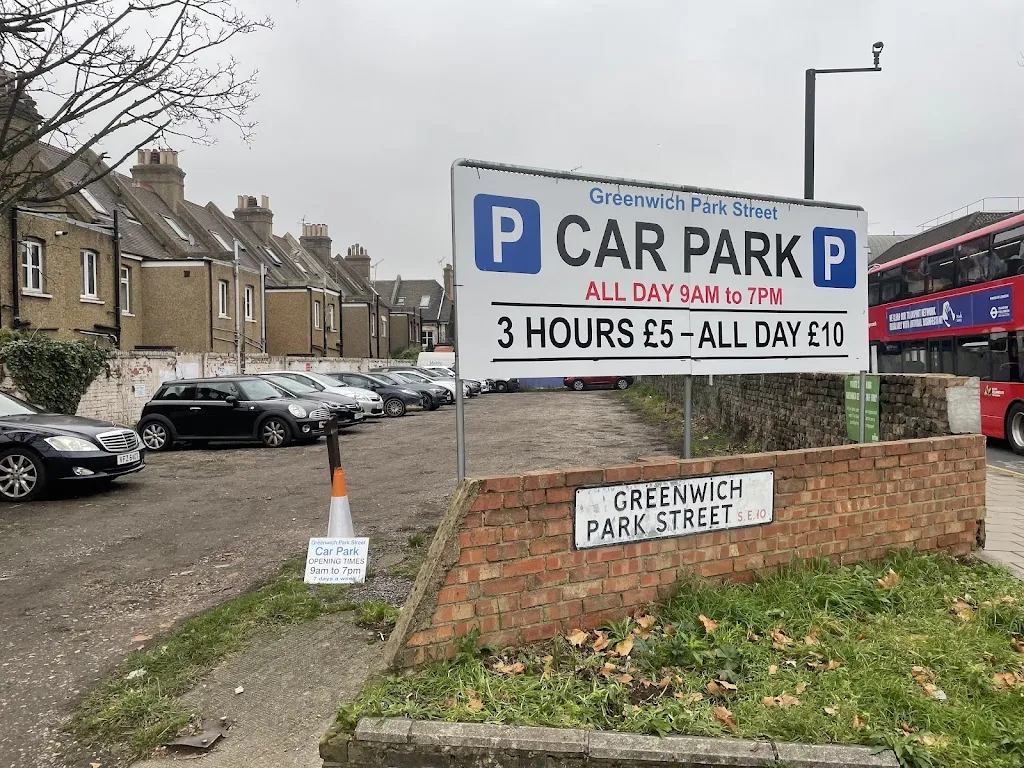
The Greenwich car parks sale has sparked significant controversy, as plans to auction off three council-owned car parks in key shopping areas stir concerns among local businesses and residents. Greenwich Council has declared its intention to sell these underutilized assets, including car parks near Plumstead High Street and Charlton Village, aiming to generate essential revenue in light of a projected £45 million budget gap. The sale, scheduled for December 11, is met with a backlash from local business owners who fear that losing these parking facilities could further decline foot traffic necessary for their survival. Despite councillors insisting that the decision is based on usage data, community members have rallied against the plans, seeking more engagement and transparency. This situation highlights the challenging balance between fiscal responsibility and supporting local economies in Greenwich, making the upcoming auction a focal point of civic debate and concern.
In light of recent trends, the sale of public car parks in Greenwich has emerged as a hot topic, eliciting mixed reactions from local stakeholders. With Greenwich Council moving forward with its car park auction, which includes facilities in strategic retail hubs like Charlton Village and near Plumstead High Street, many fear the implications it may have on local commerce. Detractors argue that such sales undermine the vitality of shopping districts, while supporters cite the necessity of generating revenue to address significant budget deficits. The confluence of public interest and fiscal policy raises critical questions about the future of public assets and the role of government in fostering local business environments amidst changing economic landscapes. As these auctions approach, the community’s voice is more crucial than ever, emphasizing the need for thorough discussion and collaboration.
The Backlash Over the Greenwich Car Parks Sale
The proposed sale of three council-owned car parks in Greenwich has triggered significant backlash from local business owners and residents alike. The announcement has sparked petitions and public outrage, particularly from those in Plumstead High Street and Charlton Village, who fear that selling these car parks would drive away potential customers. Local businesses argue that the convenience of parking is essential for attracting footfall in their shopping areas, and without accessible spaces, their livelihoods could be jeopardized.
Members of the community have actively expressed their concerns at council meetings, questioning the decision-making process involved in labeling the car parks as underutilized. Among the raised objections is the understanding that the data informing these decisions may not accurately reflect the needs of the local population. Long-standing institutions in these neighborhoods believe they are losing valuable resources that could otherwise support their operations, ultimately reflecting a larger issue of community engagement with council decisions.
Understanding Greenwich Council’s Financial Constraints
Greenwich Council has articulated that selling the car parks is a difficult but necessary decision amid a projected budget shortfall of £45 million. Councillor Majid Rahman highlighted that maintaining these underperforming assets is financially unsustainable; operating costs outweigh the income generated. This economic rationale aims to paint a broader picture of the fiscal challenges the council faces as it seeks to balance essential services with declining revenues.
Despite the financial argument posed by the council, opponents believe that cutting back on parking availability might only exacerbate the decline of local trade. There are concerns that facilitating better access to shopping districts like Plumstead and Charlton should be prioritized, especially in light of changing shopping habits exacerbated by the rise of online retail. Hence, the council’s plan to auction these parking spaces may not align with the long-term interests of local economic health.
Economic Impact on Local Businesses in Greenwich
The potential sale of car parks in Greenwich, particularly the one adjacent to Charlton Village, raises significant concerns about its impact on local businesses already struggling amidst economic challenges. The community’s emphasis on the role of easy access to parking spaces for driving foot traffic is pivotal, as merchants depend heavily on the presence of customers in their locales. Business owners in Plumstead High Street have expressed that the lack of adequate parking will directly contribute to a decline in sales, thereby affecting their survival.
Furthermore, critics of the council’s decision underscore that today’s shoppers expect convenience, which includes accessible parking solutions. If local retailers want to thrive, they must adapt to the shift towards online shopping patterns while ensuring that physical stores remain an inviting choice for consumers who prefer the in-person shopping experience.
Councillors’ Engagement with Local Communities
There have been questions surrounding the interactions between Greenwich Council and local business leaders, particularly in relation to the proposed car park sales. Several councillors have faced criticism for the perceived lack of communication regarding the consultation process before making such impactful decisions. Individuals like Maria Freeman have pressed for more substantial outreach efforts to ensure that businesses are adequately represented and considered in the decision-making process.
In response to the community’s concerns, Councillor Rahman has pledged to improve engagement efforts with local businesses, recognizing that their feedback is crucial for the council’s broader objectives. However, skeptics remain unconvinced, arguing that the council could have done more prior to initiating the auction proceedings, which many see as dismissive of the genuine concerns expressed by business owners.
The Role of Petitions in Local Governance
The emergence of multiple petitions against the sale of Greenwich’s car parks highlights the power of grassroots activism in local governance. Over 200 signatures were collected in opposition to the sale, showcasing the community’s commitment to protecting their interests. Online petitions have further amplified voices that demand reconsideration from the council, emphasizing that the sale could jeopardize the viability of shopping areas such as Plumstead High Street and Charlton Village.
Petitions serve as a vital tool for concerned citizens to convey their discontent directly to decision-makers, often prompting officials to re-evaluate their strategies and seek compromises. This dynamic emphasizes the importance of accountability in local governance, as officials must navigate between budgetary constraints and the wishes of their constituents, especially when it comes to assets that have significant implications for community life.
Exploring Alternatives to Car Park Sales
In light of the backlash over the planned car park auctions in Greenwich, discussions about potential alternatives are gaining traction. Some community members are advocating for redevelopment efforts that would enhance these car parks’ functionality rather than selling them off. For instance, suggestions include converting underutilized spaces into community hubs or mixed-use developments that support local businesses while providing necessary amenities.
Such innovative approaches could harness the land to create vibrant spaces that cater to both commercial and social needs. This would not only preserve the accessibility for shoppers but could strengthen the local economy by creating new opportunities for engagement, helping to revitalize areas that could benefit from additional foot traffic.
The Importance of Community Outreach
Effective community outreach remains paramount when councils like Greenwich seek to implement significant changes that affect daily life, such as the sale of car parks. As the situation surrounding the car park sales illustrates, when local councils fail to sufficiently engage stakeholders, it creates a rift between governing bodies and the communities they represent. This disconnect can lead to potential trust erosion, where residents feel their voices are not adequately heard or considered.
Enhancing channels of communication can ensure that community sentiment is factored into planning initiatives. Active listening can cultivate a collaborative environment where councils work alongside business owners and residents to find mutual benefits, leading to solutions that uphold community interests while addressing fiscal challenges.
Local Politics and Business Relationships
The discourse surrounding the sale of the Greenwich car parks has exposed tensions within local politics, particularly in how councillors engage with business owners. Critics have chastised leaders, such as Councillor Okereke, for not meeting with business owners more proactively, and many claim that political agendas may be overshadowing the needs of local businesses. Acknowledging the impact of such misunderstandings is crucial if the council is to maintain healthy relationships with its stakeholders.
Moreover, the bond between local business proprietors and council members can significantly influence community dynamics. Transparency and consistent dialogue are essential for fostering goodwill and collaborative efforts, emphasizing the importance of business interests as part of consultations about local policies that directly impact economic vitality.
Future Outlook for Greenwich’s Shopping Areas
Looking ahead, the future of shopping areas in Greenwich, including Plumstead High Street and Charlton Village, will be defined largely by the actions of the council regarding the car park sales. The community’s resistance reflects growing concerns over maintaining vibrant local economies amid challenges posed by national trends, such as increased online shopping. If the council proceeds with the sales, it must have a well-thought-out strategy to offset potential adverse effects on footfall in these neighborhoods.
On the other hand, if alternatives are embraced that focus on revitalization rather than liquidation, there may still be hope for cultivating thriving shopping districts. Encouraging local commerce and shopping experiences is vital to ensuring these areas remain relevant and accessible in a changing retail landscape, thus enhancing their appeal for both locals and visitors.
Frequently Asked Questions
What are the details of the Greenwich car parks sale by Greenwich Council?
Greenwich Council plans to publicly auction three underutilized car parks located near Plumstead High Street, Blackheath Standard, and Charlton Village on December 11. The collective value of these sites is over £1.1 million, and the sale aims to generate essential revenue to address the council’s projected £45 million budget gap.
How has the local business community reacted to the Greenwich car parks sale?
Local businesses, particularly those near Plumstead High Street and Charlton Village, have expressed significant backlash against the Greenwich car parks sale. Petitions opposing the sale, signed by over 200 residents, highlight concerns that the removal of car parks may decrease footfall to local shops, negatively impacting their viability.
Why does Greenwich Council consider the car parks near Plumstead High Street and Charlton Village underutilized?
Greenwich Council determined the car parks to be underutilized based on parking income data, which indicated low usage rates. For instance, the Charlton Village car park was used just 71 times over a three-day monitoring period, resulting in an annual operating loss of £890 for the council.
Will the car parks remain open until sold during the Greenwich car parks auction?
Yes, Greenwich Council has confirmed that all three car parks will remain operational until the sale is finalized, allowing continued access for shoppers and local residents.
What is the impact of the Greenwich car parks sale on local shopping patterns?
Councillor Majid Rahman emphasized that while selling the car parks could support the council financially, the aim is also to encourage local businesses to adapt to changing shopping patterns, particularly as online shopping increases. However, local residents worry that car park removals could lead to reduced visitor numbers at high streets.
How does Greenwich Council justify the sale of the car parks amidst public outcry?
Greenwich Council justifies the sale of the car parks by pointing to the necessity of generating revenue to sustain vital council services. Councillor Rahman stated that holding onto poorly utilized assets is not justifiable, especially when facing significant budget cuts and financial pressures.
What support will Greenwich Council provide to businesses during the car parks sale process?
Councillor Rahman indicated that the council is willing to collaborate with ward councillors to enhance discussions with local business owners. Businesses on Plumstead High Street have the opportunity to reach out for support and express their concerns regarding the Greenwich car parks sale.
What has been the response from the opposition regarding the Greenwich car parks sale?
The Conservative opposition leader, Councillor Matt Hartley, criticized the council for neglecting the concerns of local businesses. He argued that the council should have engaged more thoroughly with business owners prior to the announcement of the car parks sale.
| Key Points | Details |
|---|---|
| Car Park Sales Decision | Greenwich Council plans to auction three underperforming car parks due to budget constraints. |
| Locations | Plumstead High Street, Blackheath Standard, and Charlton Village. |
| Council’s Budget Gap | Projected at £45 million; selling car parks is part of revenue-raising measures. |
| Public Response | Local businesses and residents have protested the sale with petitions and public meetings. |
| Council’s Justification | Claimed that these car parks are underutilized and not financially viable. |
| Future of Car Parks | All sites will remain open until a sale is finalized. |
| Council’s Engagement with Businesses | Some council members claim to have engaged with local business owners regarding their challenges. |
Summary
The Greenwich car parks sale represents a controversial strategy by the local council to address significant budget shortfalls. Despite the potential revenue from auctioning off three underused facilities, backlash from local businesses and residents highlights the community’s concerns over decreased accessibility and support for high street commerce. As the council navigates this challenging situation, discussions with stakeholders and careful consideration of the local economy’s health are essential for achieving a sustainable outcome.