Listen to this article
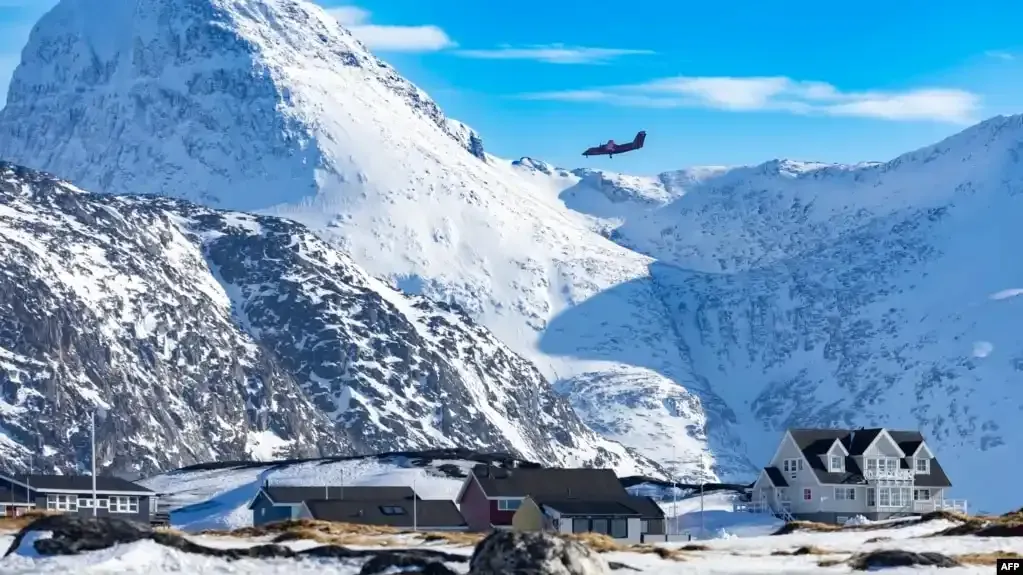
Greenland’s military presence is increasingly becoming a focal point in global geopolitical discussions, particularly in light of recent NATO Greenland deployment exercises. With European troops now arriving in Nuuk, the capital of Greenland, the region is experiencing heightened military activities tied to broader concerns over Arctic security. This move comes amid Donald Trump’s controversial claims regarding Greenland, stressing the island’s strategic value to American national security interests. As European nations, including Denmark, France, and Germany send military personnel as part of a unified effort, the implications of these deployments reflect not only local but also transatlantic security dynamics. Denmark’s ongoing military involvement alongside NATO partners underscores a collective commitment to safeguarding this vital Arctic territory from potential threats while forging stronger multinational ties in defense strategies.
The military footprint in Greenland represents a significant strategic maneuver in Arctic affairs, combining elements of defense diplomacy and regional stability. With various European armed forces actively participating in exercises, this enhanced cooperation is emblematic of the mutual interests shared among NATO allies. As geopolitical tensions escalate, particularly concerning the interests expressed by figures like Donald Trump, the necessity for Danish military engagement in Greenland becomes evident. These developments signify a coordinated approach to ensuring security and sovereignty over this remote yet pivotal territory, drawing attention to the complex interplay between national interests and international alliances. For Greenland, navigating these waters means balancing relationships between established powers and maintaining its autonomous status amid looming territorial claims.
The Significance of Greenland’s Military Presence
Greenland’s strategic location has increasingly drawn attention from European NATO allies who are recognizing the importance of a military presence in the region. As European countries deploy personnel to Nuuk, the capital of Greenland, it symbolizes a shared commitment to Arctic security and collective defense against emerging geopolitical threats. The ongoing exercises and reconnaissance missions are not only a response to perceived threats from Russia and China but also serve as a demonstration of solidarity within NATO. Countries like France, Germany, and the UK are reinforcing their military capabilities in the Arctic, amidst rising tensions surrounding territorial claims.
The Danish-led initiative aims to bolster NATO’s footprint in the Arctic, ensuring that European interests are safeguarded. This growing military presence, coupled with operational exercises, highlights the necessity for preparedness in an area that has seen increasing global interest. Greenland’s role as a semi-autonomous part of the Kingdom of Denmark places it at the center of discussions about future military engagements and alliances in the region, marking a pivotal shift in European defense strategy towards Arctic security.
Frequently Asked Questions
What is the significance of the recent NATO Greenland deployment?
The recent NATO Greenland deployment signifies a strategic reinforcement of military presence in the Arctic region. European allies, including France, Germany, Sweden, Norway, and the UK, have sent personnel to participate in joint exercises in Nuuk, showcasing solidarity and a collective approach to enhancing Arctic security amidst increasing geopolitical tensions.
How does Trump’s claim on Greenland impact NATO’s military presence?
Trump’s claim on Greenland has heightened the focus on NATO’s military presence in the region. His insistence on establishing US control raises concerns among European allies, prompting a coordinated NATO response to affirm their commitment to Arctic defense and collective security.
What role does Denmark play in the military involvement in Greenland?
Denmark plays a crucial role in the military involvement in Greenland, overseeing joint operations as part of NATO’s strategy. The Danish government has agreed to strengthen military presence and facilitate the deployment of European troops in the region, emphasizing a cooperative defense strategy within NATO.
Why is Arctic security a priority for European troops in Greenland?
Arctic security is a priority for European troops in Greenland due to growing concerns about potential threats from Russia and China. The deployment of NATO forces aims to deter aggression and assert the alliance’s commitment to protecting shared interests in the Arctic region.
What does the joint military exercise in Greenland involve?
The joint military exercise in Greenland, termed Operation Arctic Endurance, involves multiple European nations deploying small contingents for reconnaissance and defense activities. These exercises are designed to enhance interoperability among NATO forces and demonstrate a united front in Arctic security initiatives.
What are the concerns surrounding US military intervention in Greenland?
Concerns surrounding US military intervention in Greenland include potential geopolitical conflicts and the implications for NATO’s unity. European leaders worry that any aggressive moves by the US could lead to a ‘political disaster’, undermining the security environment in the North Atlantic.
How does the recent military activity reflect the geopolitical situation in the Arctic?
The recent military activity in Greenland reflects a tense geopolitical situation in the Arctic, with competing interests from global powers like the US, Russia, and China. The limited deployment of European NATO forces is a strategic response to assert control and cooperation in this contested region.
What can we expect regarding future military presence in Greenland?
Future military presence in Greenland is expected to evolve towards a more permanent establishment. Denmark has indicated intentions to rotate troops and enhance collaborative exercises with NATO allies, solidifying a collective defense posture in the Arctic region.
What is the response of Greenland’s leadership to US intentions?
Greenland’s leadership has firmly expressed a desire to remain under Danish governance rather than becoming a US territory. Prime Minister Jens-Frederik Nielsen emphasized the preference of Greenland’s people for their autonomy and relationship with Denmark over a shift to US control.
How does the NATO deployment in Greenland affect US relations with Denmark?
The NATO deployment in Greenland has introduced complexities into US relations with Denmark, particularly regarding Trump’s claim over the territory. While discussions remain constructive, there are underlying tensions concerning national security priorities and differing perceptions of threats in the region.
| Key Point | Details |
|---|---|
| European Military Deployment | Countries including France, Germany, Sweden, Norway, Finland, the Netherlands, and the UK have sent personnel to Greenland for joint exercises. |
| US Interest in Greenland | Trump claims Greenland is vital for national security, asserting the need for a US presence on the island. |
| NATO’s Symbolic Presence | The deployment is seen as a political signal showcasing NATO’s commitment in the Arctic amid US claims. |
| Reactions to US Claims | European leaders express concerns over potential US military actions, with Poland warning such actions could be disastrous. |
| Greenland’s Stance | Greenland’s leaders have expressed a preference for remaining under Danish governance rather than US control. |
| Future Military Establishment | Denmark plans to enhance its military footprint in Greenland with potential for a permanent presence. |
Summary
The Greenland military presence has become a focal point of international attention as European NATO allies conduct joint exercises in response to US claims over the territory. This deployment underscores the strategic significance of Greenland in the context of Arctic security and the underlying tensions between NATO and nations perceived as threats, such as Russia and China. With Greenland’s leadership emphasizing its preference for Danish governance and NATO asserting its commitment to this region, the evolving military landscape in Greenland raises crucial questions about sovereignty, security, and geopolitical relationships moving forward.