
Listen to this article
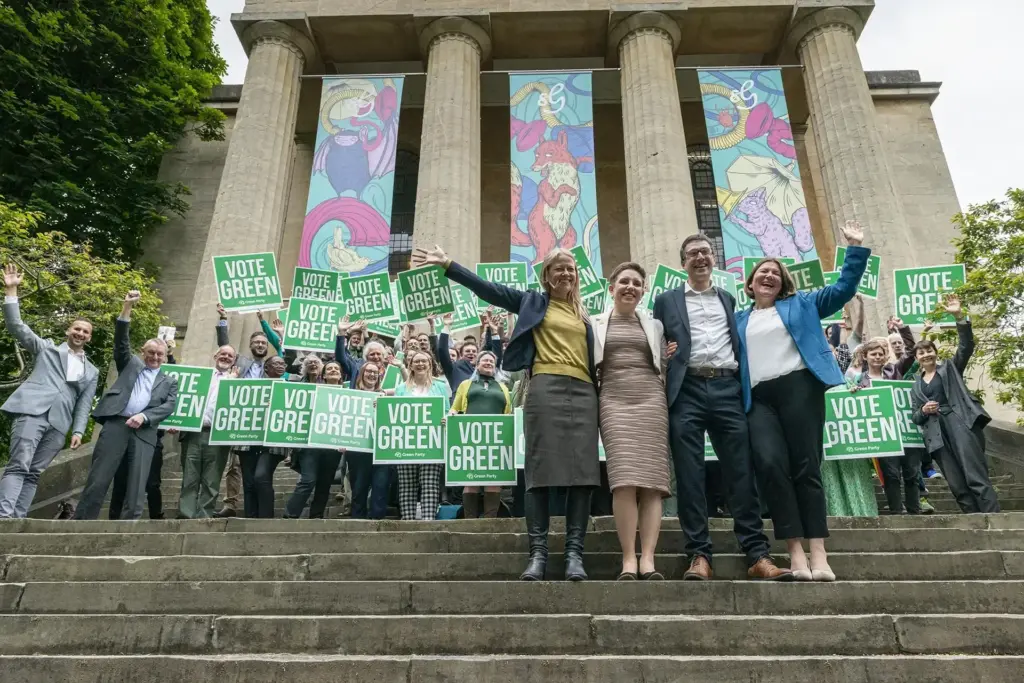
In a compelling turn of events, the Green Party support in London is experiencing a notable surge, prominently showcased by the recent defection of five Labour councillors in Brent. Zack Polanski, the party’s leader, has heralded this shift as a reflection of the growing disillusionment with Labour’s progressive focus, claiming that “good Labour councillors can see Labour has abandoned any sense of progressive politics.” This wave of change is not just limited to Brent, as conversations on doorsteps across the capital reveal an increasing number of residents seeking alternatives to the traditional parties ahead of the UK local elections 2025. The Green Party’s momentum is set to reshape Brent politics as these defections signify a critical moment in the landscape of London’s political arena. As voters prepare for May’s elections, the Green surge looks to present a formidable challenge to the established order in British politics.
The recent developments in London politics emphasize a transformative moment for the Green Party, particularly as Zack Polanski cites a significant escalation in support. The defection of Labour councillors in Brent underscores a palpable shift in public sentiment, indicating a potential reshaping of local governance as the 2025 local elections approach. Observers note that many constituents are gravitating towards alternative parties, with the Green Party emerging as a beacon for those disenchanted by Labour’s directional changes. Such dynamics within Brent politics could signal a broader trend that might affect numerous boroughs across the capital. As interest in environmental issues and progressive values continues to rise, the Green Party’s position within London’s political landscape becomes increasingly pertinent.
The Green Party Surge in London
Zack Polanski, the leader of the Green Party, has recently noted a significant surge in support for the party in London, particularly following the defection of five Labour councillors from Brent. This notable shift in allegiance highlights a growing dissatisfaction with Labour’s direction as many constituents feel alienated by what they perceive as a departure from progressive values. The surge in Green support is characterized by an increasing number of voters seeking an alternative that prioritizes environmental sustainability and social justice, pushing them towards the Green Party’s platform.
The turmoil experienced by Labour in London reflects a broader trend in UK politics, where grassroots movements and disillusionment with traditional parties are prompting voters to reconsider their political affiliations. The Green Party, leveraging its message of hope and proactive change, aims to capitalize on this momentum ahead of the local elections scheduled for 2025. It is becoming evident that the grassroots enthusiasm for Polanski’s leadership and the party’s clear stance on progressive issues are attracting former Labour voters in droves, marking a potential shift in political power dynamics.
Impact of Labour Councillors Defecting
The recent defections of five Labour councillors to the Green Party in Brent should be viewed in the context of the shifting political landscape in London. This defection could signal a larger trend, as disillusioned voters and politicians alike find themselves increasingly at odds with Labour’s current stance. The chair of the London Green Party federation, Eugene McCarthy, emphasized that these defections resonate with what they hear on the ground, suggesting that Labour’s inability to connect with its base will have repercussions in the upcoming 2025 local elections.
As the political climate evolves, the Labour Party’s stronghold in areas like Brent may face increased scrutiny. The Green surge not only reflects changing voter priorities but also indicates a potential reevaluation of party loyalty among local leaders. The defection of key figures from Labour to the Green Party signifies that members believe in a vision for the future that includes progressive reforms, which they feel are lacking under Labour’s current leadership. This situation introduces an exciting dynamic as both parties prepare for the significant electoral battles ahead.
The Future of Brent Politics
Brent, a borough known for its diverse community and vibrant political scene, is now at a crossroads as the Green Party begins to rise substantially. With Labour holding the majority of council seats, their response to recent defections will be closely watched by both supporters and critics. The subsequent political strategies employed by Labour will be crucial in determining whether they can maintain their influence or if the Green Party will successfully tap into the frustrations of local constituents looking for genuine alternatives.
The future of Brent politics, particularly in the lead-up to the UK local elections in 2025, could indeed hinge on how effectively the Green Party can mobilize support from disenchanted Labour voters. As community issues escalate – such as social equity, environmental sustainability, and economic resilience – politicians will be held accountable for how well they address these pressing concerns. Polanski’s leadership and the party’s strategic focus might just redefine what political representation looks like in Brent and across London.
Zack Polanski’s Leadership and Vision
Since Zack Polanski took the helm of the Green Party, the party has experienced a notable increase in visibility and support among London’s electorate. His advocacy for a future driven by compassion and environmental stewardship resonates strongly with those who feel let down by the conventional political establishment. Polanski’s vision has shifted the narrative around the Green Party from a fringe option to a serious contender capable of influencing major policies and decisions in London’s governance.
Polanski’s approach emphasizes inclusivity and proactive solutions to pressing societal issues. His focus on uniting disillusioned voters, especially those from Labour, showcases an effort to bridge the political divide that many perceive as growing within UK politics. As the local elections in 2025 approach, Polanski’s effectiveness in communicating this vision will be pivotal, drawing in those who seek progressive change and fostering a new wave of political enthusiasm under the Green banner.
Labour’s Reaction to Defections
In response to the wave of defections, Labour officials have been quick to dismiss these changes as a mere reflection of internal party standards, insisting that the departing councillors failed to meet the criteria necessary to continue representing Labour. This narrative, however, may not resonate well with the public, who view the defections as indicative of deeper issues within the party’s strategy and core values. Labour’s stance on rigorous member standards could be perceived as an attempt to downplay the urgent need for self-reflection and adaptation in this evolving political landscape.
The true impact of these defections will be measured at the ballot box in future local elections. Labour’s leadership must consider whether their current practices and principles reflect the desires and needs of their voter base. The move to frame the issue as a failure of individual councillors rather than a systemic problem could potentially alienate community members who feel the party does not represent their interests anymore.
The Broader Implications of Green Party Growth
The Green Party’s growing support in London is more than just a local phenomenon; it reflects larger trends seen across UK politics. The increasing discontent with traditional political parties has led many voters to seek alternatives that align more closely with their values, particularly on climate action and social justice issues. This shift provides the Green Party with a unique opportunity to position itself as a leader in these crucial areas, aiming to attract not only the defectors but also new supporters disenchanted with the status quo.
Furthermore, the Green Party’s rise is impacting the broader narrative around political engagement in the UK. As voters seek accountability and genuineness in their representatives, the success of the Greens in cities like London may inspire similar movements elsewhere. The implications are profound: if the Green Party can maintain and accelerate its momentum, it could reshape the political landscape, forcing established parties like Labour and the Conservatives to reevaluate their platforms to remain relevant.
Key Issues Driving Voter Shift
Several key issues are driving the shift of voters toward the Green Party, notably climate change, public services, and social equity. Voters in Brent and across London express a growing concern about the government’s capacity to address environmental emergencies and systemic inequalities effectively. The Green Party’s coherent plan for sustainable development and commitment to social justice is attracting constituents who feel let down by Labour’s current positions.
Moreover, the recent political discourse surrounding these issues has brought them to the forefront of community discussions. As voters become more informed and engaged, they actively seek representatives who are not only vocal about these challenges but also committed to enacting real change. The Green Party is successfully tapping into this sentiment, highlighting that the political revolution they advocate is not just an ideal, but a necessary response to the pressing issues of our times.
Electoral Strategies for the Greens in 2025
As the 2025 local elections approach, the Green Party faces the crucial challenge of translating its ballooning membership and recent defections into electoral success. Strategies focusing on grassroots mobilization, community engagement, and clear communication of their policies will be essential for the party as they seek to strengthen their presence in London. With the recent defections from Labour, the Greens find themselves in a position to capitalize on the discontent brewing within traditional parties.
Developing a strong electoral strategy will allow the Green Party to ensure that the momentum they’ve gained translates effectively into votes. By building coalitions with community organizations and engaging in targeted outreach efforts, they can establish a reputation as a viable alternative to established parties, especially in contested areas like Brent. The key to their success may lie in how effectively they can frame their initiatives to resonate with voters seeking change in a time of political uncertainty.
The Role of Independent Candidates
Independent candidates have emerged as significant players in the current political climate, complementing the rise of parties like the Green Party. As traditional party structures face scrutiny, independents offer a fresh alternative for voters disillusioned by party politics. They often present localized solutions tailored to community needs, which can serve to unify voters who might otherwise support different factions within established parties.
The relationship between independents and the Green Party can be synergistic, particularly if both groups find common ground on key issues such as environmental concerns, social justice, and community engagement. By leveraging the popularity of independent thought and community-driven initiatives, the Green Party could bolster its appeal and attract more supporters in the lead-up to the local elections in 2025, capitalizing on the desire for change within political systems.
Frequently Asked Questions
What does Zack Polanski’s leadership mean for Green Party support in London?
Under Zack Polanski’s leadership, the Green Party support in London has significantly surged, as demonstrated by five Labour councillors defecting to the Greens in Brent. This shift indicates a growing dissatisfaction with Labour’s progressive stance and highlights the rising appeal of the Green Party among voters.
How are recent Labour councillor defections impacting Green Party support in London?
The recent defections of five Labour councillors to the Green Party in Brent underscore a notable increase in Green Party support in London. This event, described as the largest block defection yet, reflects a broader trend where voters are seeking alternative progressive options amidst concerns over Labour’s direction.
What does the Green Party surge mean for the UK local elections 2025?
The Green Party’s surge in London, especially following the defection of Labour councillors, positions them as a significant contender in the UK local elections 2025. Zack Polanski asserts that people are increasingly turning to the Greens for a more hopeful political narrative, suggesting upcoming electoral shifts that could challenge Labour’s dominance.
Why are Labour councillors defecting to the Green Party in Brent?
The defections of Labour councillors to the Green Party in Brent, led by Zack Polanski’s vision, stem from a belief that Labour has strayed from progressive politics. This has led councillors to seek refuge within the Green Party, which they see as more aligned with their values and responsive to voter concerns.
What does the Green Party’s rise signal about Brent politics?
The Green Party’s rise in Brent politics, highlighted by significant defections from Labour, signals a shift in voter sentiment toward more progressive alternatives. The leadership of Zack Polanski is credited with energizing support and presenting the Greens as a viable option for those disillusioned with Labour’s current trajectory.
| Key Event/Announcement | Details |
|---|---|
| Greens Surge in Support | Support for the Green Party is surging following the defection of five Labour councillors in Brent. |
| Defectors’ Background | The five councillors include Harbi Farah, Iman Ahmadi-Moghaddam, Mary Mitchell, Tony Ethapemi, and Erica Gbajumo. These individuals had notable roles in Labour, with some being former cabinet members and whips. |
| Labour’s Position in Brent | Despite the defections, Labour remains the governing party in Brent, holding 45 of the 57 seats. |
| Reaction to Defections | Zack Polanski criticizes Labour’s drift from progressive politics, indicating that the defections reflect a broader sentiment among potential voters. |
| Labour’s Response | A Labour spokesperson stated that the defectors had fallen below the party’s selection standards, emphasizing rigorous candidate processes. |
Summary
Green Party support in London is clearly on the rise, highlighted by the significant defection of five Labour councillors in Brent. This shift signals a growing dissatisfaction among progressive constituents with Labour’s current direction and leadership. As the political landscape continues to evolve, the Green Party is positioned as a viable alternative for voters seeking hope and effective solutions to today’s challenges.