Listen to this article
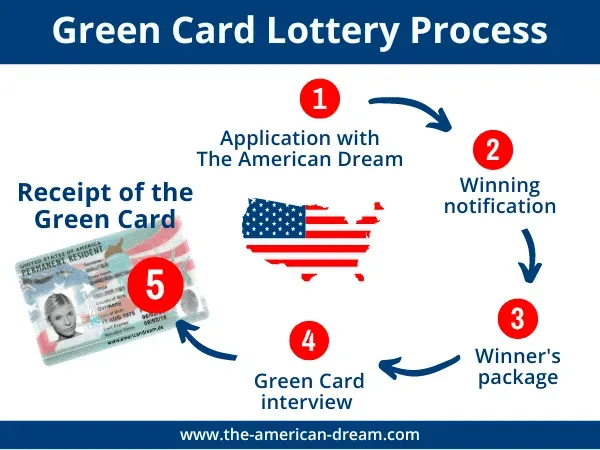
The recent suspension of the Green Card Lottery has sent shockwaves through aspiring immigrants hoping to secure residency in the United States. This drastic decision came in the wake of a tragic mass shooting at Brown University, where two students lost their lives at the hands of a suspect who entered the country via the Diversity Visa program. Homeland Security Secretary Kristi Noem criticized the lottery, asserting that it poses risks to US security and that measures must be taken to prevent further tragedies like this. This latest development is a reflection of the changing landscape of US immigration policy, where public safety concerns are increasingly intertwining with migration frameworks. As communities seek answers and justice, the implications of this suspension resonate far beyond the individuals affected, impacting the broader discourse on immigration and national security.
The halt of the Diversity Visa program, commonly known as the Green Card Lottery, highlights a significant shift in the US immigration landscape. This program, designed to provide opportunities for individuals from underrepresented nations to gain permanent residency, has been thrust into the spotlight following the violent events at Brown University. Secretary of Homeland Security Kristi Noem’s assertion that the program contributes to national security risks emphasizes the tension between immigration policies and public safety. In light of the tragic events involving suspect Claudio Neves Valente, this temporary suspension raises complex discussions about the balance between accepting new residents and ensuring the safety of American citizens. As the nation grapples with the aftermath of the shooting, the future of immigration policies remains uncertain.
Impact of the Green Card Lottery Suspension
The recent suspension of the Green Card Lottery Program has triggered intense debates about U.S. immigration policy. Initially designed to promote diversity by providing visas to individuals from countries with historically low immigration rates, the Diversity Visa Program is now under scrutiny following the tragic events linked to the Brown University shooting. Advocates for immigration reform argue that the program plays a critical role in fostering multiculturalism, while opponents claim that it poses security risks as evidenced by recent incidents.
Homeland Security Secretary Kristi Noem’s announcement reflects a growing national sentiment around the perceived failures of the Diversity Visa program, particularly in light of the involvement of individuals like Claudio Neves Valente. The decision to pause the lottery underscores a stark shift in policy direction aimed at enhancing national security by reevaluating who has access to visas. As lawmakers navigate the complexities of immigration reform, the consequences of such a suspension will be felt not just by prospective immigrants but by the fabric of American society as well.
Revisiting U.S. Immigration Policies
Mass shootings have increasingly influenced U.S. immigration policies, leading to heightened security measures and restrictions. Following the Brown University shooting, there has been a surge of calls for a thorough reassessment of immigration systems in place. Advocates argue for a balanced approach that addresses public safety while still honoring America’s commitment to being a melting pot of cultures and ideas. However, incidents linked to participants of the Diversity Visa program have fueled fears that loosening immigration policies may inadvertently facilitate similar tragedies in the future.
Discussions surrounding the Diversity Visa program must take into account the delicate balance between safeguarding national security and promoting diversity and inclusion. Analysts point to examples of individuals like Sayfullo Saipov, who, despite their visa backgrounds, committed heinous crimes on American soil. This presents a dilemma for policymakers: how to reform immigration practices without alienating those who genuinely contribute positively to society. The societal ramifications of any shifts in U.S. immigration policy will require robust discussions among stakeholders.
The Brown University Shooting: A Case Study
The Brown University shooting marks a pivotal moment in discussions around public safety and gun violence in educational spaces. On December 13th, the shooting resulted in the tragic loss of two students and injuries to several others, raising urgent questions about the effectiveness of current safety measures in universities. The event has reignited debates over gun control laws, particularly in the context of mass shootings, which have become alarmingly frequent in the United States.
Investigators are still piecing together the motives behind the shooting, especially linked to the suspect’s background as an immigrant granted entry through the Diversity Visa program. The complexities surrounding this case extend beyond just public safety concerns; they touch upon issues of mental health and support systems within educational institutions. As universities grapple with the reality of heightened fears surrounding campus safety, it is clear that proactive measures are essential to prevent future tragedies.
Claudio Neves Valente’s Background
Claudio Neves Valente, identified as the main suspect in the Brown University shooting, had a complex history that raises questions about the vetting processes involved in the Diversity Visa program. Educated in Portugal, his migration to the U.S. stemmed from the opportunities presented by the program, which aims to attract individuals from underserved countries. However, as details emerge about his actions, there is a pressing demand for more rigorous background checks on visa applicants to ensure national security.
Valente’s connection to Brown University as a former student adds another layer of tragedy to this already heartbreaking event. His descent into violence not only shocked the university community but also prompted a reevaluation of how immigration policies intertwine with issues of mental health and gun violence. It underscores the need for a comprehensive approach to immigration reform that incorporates psychological evaluations and community support for those entering the U.S. under programs like the Diversity Visa.
Victims of the Brown University Shooting
The shooting at Brown University claimed the lives of Ella Cook, a second-year student from Alabama, and Mukhammad Aziz Umurzokov, an Uzbek-American new to the university. The loss of young lives during a time of academic pursuit brought heartbreak to the community, reminding us of the fragility of life and the impact of gun violence on educational settings. As initiatives for mental health support and community healing gain traction, the memories of these students serve as a profound reminder of the need for a safer environment in schools.
In the wake of the tragedy, memorials and vigils were held, allowing students and faculty to honor the victims while advocating for change. Conversations have emerged about the importance of addressing mental health issues among students and the need for universities to provide adequate support systems. The community at Brown University, along with supporters from across the nation, are rallying together to ensure that the legacies of those lost will influence positive change in campus safety and gun control measures.
The Role of Gun Control in Immigration Policy
The intersection of gun control and immigration policy is highlighted significantly in the aftermath of the Brown University shooting. Discussions around tightening gun laws often encompass the implications for immigrants, particularly those entering through programs like the Diversity Visa. Many advocate that enforcing stricter background checks and regulations on firearm accessibility for visa holders could prevent potential violent incidents from escalating.
As policymakers grapple with these complex issues, the challenge lies in creating a legislative framework that addresses public safety without infringing on the rights of immigrants. Balancing these two critical areas could lead to a reformation of both gun control policies and immigration processes that ensure the safety of all citizens while still upholding America’s tradition of offering refuge and opportunity to those in need.
Future of the Diversity Visa Program
With the suspension of the Diversity Visa Lottery following the events surrounding the Brown University shooting, the future of this program remains uncertain. While the original intent was to boost diversity in U.S. immigration, heightened security concerns are pushing many to call for its reevaluation. Lawmakers are tasked with exploring ways to maintain the spirit of the program while addressing national concerns about safety and vetting procedures.
Reforming the Diversity Visa Program may require a comprehensive analysis of its impact on U.S. demographics, the economic contributions of immigrants, and broader societal implications. As discussions ensue, crucial to these dialogues will be whether reforms will make the program more stringent or whether it will seek to abolish it altogether, influenced by recent events involving visa holders like Claudio Neves Valente.
Public Response to Immigration Policy Changes
The suspension of the Green Card Lottery Program has sparked widespread public discourse that reflects the nation’s divided opinions on immigration reform. Many citizens express support for stronger immigration policies, particularly after the Brown University incident, citing public safety as a primary concern. In contrast, immigration advocates warn that indiscriminate cuts to visa programs may strip the U.S. of its cultural diversity and the significant contributions immigrants make to society.
Social media platforms have become battlegrounds for these debates, with testimonies from immigrants showcasing their achievements and the integral roles they fulfill in American communities. As opposition mounts against blanket rejections of visa programs, it becomes imperative that a balanced narrative emerges — one that considers safety without losing sight of America’s foundational values of inclusivity and diversity.
Connecting Mass Shootings to Immigration Reform
The tragic sequence of events leading to the Brown University shooting highlights the urgent need to connect mass shooting incidents to immigration reform discussions. Prominent among the concerns is how the public perceives immigrants and the role of the Diversity Visa program in vetting individuals. Similarities drawn from past incidents, coupled with fresh trauma, have catalyzed calls for thorough reforms aimed at preventing security threats without compromising human rights or the humanitarian nature of immigration laws.
Associating mass violence with immigration can provoke fear and stigma against minority groups. Thus, any immigration reform discussions moving forward need to involve comprehensive public education and transparent policy proposals. By promoting understanding and proactive measures, lawmakers have the opportunity to reshape the narrative surrounding immigration and public safety, ensuring that policies reflect both national security interests and the ideals of opportunity and diversity.
Frequently Asked Questions
What is the current status of the Green Card Lottery Program following the suspension due to US immigration policy?
The Green Card Lottery Program, officially known as the Diversity Visa program, has been suspended by the US government after a mass shooting incident at Brown University. Homeland Security Secretary Kristi Noem announced that the program has been paused to prevent further harm to Americans, particularly in light of the recent tragedy that involved an individual who entered the country via this lottery.
How did the suspension of the Green Card Lottery relate to the Brown University shooting incident?
The suspension of the Green Card Lottery is directly linked to the mass shooting incident at Brown University. The shooter, Claudio Neves Valente, had immigrated to the US through the Diversity Visa program in 2017. In response to this event and the broader implications for US immigration policy, President Trump mandated the program’s suspension to address safety concerns associated with visa entries.
What are the implications of the Green Card Lottery suspension on future applicants from countries with low immigration rates to the US?
The suspension of the Green Card Lottery significantly affects future applicants from countries with low immigration rates who typically participate in the Diversity Visa program. With up to 50,000 visas being offered annually through this random selection process, the cessation of the program diminishes opportunities for those looking to immigrate to the United States based on diversity factors.
What reasons did US officials provide for the suspension of the Green Card Lottery after the Brown University shooting?
US officials, led by Homeland Security Secretary Kristi Noem, cited the need for national safety as the primary reason for the Green Card Lottery’s suspension. They emphasized that the tragic events, particularly the recent Brown University shooting involving Claudio Neves Valente—who entered the US through the Diversity Visa program—highlighted potential dangers within the current immigration framework.
Are there plans to reinstate the Green Card Lottery after its suspension in the wake of mass shooting news?
As of now, there are no confirmed plans to reinstate the Green Card Lottery following its suspension due to safety concerns raised after the mass shooting at Brown University. The US administration has indicated a desire to review and potentially reform immigration policies to better protect public safety before considering the program’s future.
What was the background of the shooter involved in the Brown University shooting and his connection to the Green Card Lottery program?
The shooter in the Brown University incident, Claudio Neves Valente, was a Portuguese national who gained entry into the United States through the Diversity Visa (DV1) lottery program in 2017. His immigration status and the circumstances of his entry into the US have raised significant concerns regarding the effectiveness and security of the Green Card Lottery program.
How did previous incidents of violence influence the decision to suspend the Green Card Lottery program?
The decision to suspend the Green Card Lottery program was influenced by a pattern of violence associated with individuals who entered the US through this lottery. Notably, Secretary Noem referenced a previous mass casualty event in 2017, where a DV lottery immigrant was involved in a deadly attack. Such incidents have led to increased scrutiny and calls for the revision of US immigration policies.
| Key Points |
|---|
| The US has suspended the Green Card Lottery program following a shooting at Brown University. |
| The shooting, which resulted in two deaths, was committed by Claudio Neves Valente, a green card recipient from Portugal. |
| Homeland Security Secretary Kristi Noem announced the suspension, citing safety concerns for Americans. |
| Valente entered the US through the Diversity Visa Lottery program in 2017. |
| The Diversity Visa program allocates 50,000 visas annually to countries with low immigration rates to the US. |
| US officials aim to assess and prevent any further risks associated with the program. |
| There is a historical context of previous attacks linked to recipients of the Diversity Visa Lottery. |
Summary
The Green Card Lottery Suspension follows tragic incidents at Brown University where a suspect linked to the Diversity Visa program committed a mass shooting. This decisive action by the US government reflects the growing concerns surrounding the safety of American citizens in light of violent acts attributed to individuals who entered the country via this lottery. The suspension aims to reevaluate the potential implications of allowing individuals into the US through this random selection process, as authorities work to ensure that similar tragedies are prevented in the future.