
Listen to this article
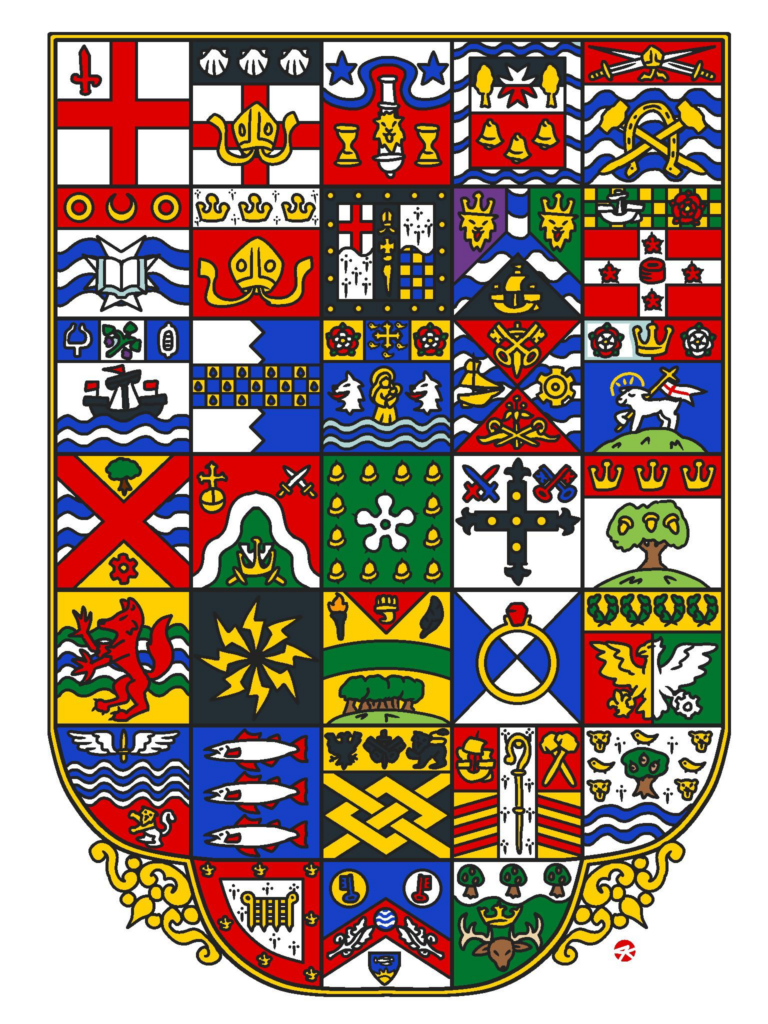
The Greater London Council coat of arms, a splendid emblem with deep historical roots, has recently been revived for use by the Greater London Authority (GLA). This significant heraldic symbol, featuring six waves entwined in blue and white, pays homage to London’s unique geographical position along the River Thames, while a gold Saxon crown on a crimson backdrop evokes the city’s rich Saxon heritage. Originally granted to the GLC in 1966, this coat of arms represents not just a visual identity but also an era of devolved governance in London that had almost faded away. Sir Sadiq Khan’s successful petition to the King underscores the relevance of London’s coat of arms in the contemporary political landscape, marking a symbolic triumph in the history of London’s government. As the GLA celebrates its 25th anniversary, reviving the GLC coat of arms resonates with both nostalgic reverence and a revival of local governance pride.
The coat of arms representing the Greater London Council, also known as the GLA coat of arms, has been reintroduced, capturing the essence of London’s heritage and its complex governance evolution. This emblematic shield symbolizes the capital’s historical and cultural lineage, merging the characteristics of the River Thames with significant Saxon imagery. As the Greater London Authority embraces this unique legacy, it reflects a modern acknowledgment of the past, emphasizing the interweaving of history and contemporary leadership under Mayor Sadiq Khan. The resurgence of this iconic symbol serves as a reminder of London’s municipal journey and the ongoing narrative of its local government. With the revival of the GLC coat of arms, aspects of London’s rich history are not only celebrated but also reinvigorated for future generations.
The Historical Significance of the Greater London Council Coat of Arms
The Greater London Council (GLC) coat of arms holds a unique place in the history of London’s governance, representing both a political entity and the rich heritage of the capital. Initially granted to the GLC in 1966, this emblem encapsulates the identity of London with its six blue and white waves, symbolizing its deep connection to the River Thames, the lifeblood of the city. The coat of arms has been dormant since the GLC’s dissolution in 1986, making its revival a significant nod to London’s historical governance framework, particularly as the Greater London Authority (GLA) celebrates its 25th anniversary.
With the authorization granted by the King for the GLA to use this historic coat of arms, it marks a crucial step in recognizing the legacy of devolved governance in London. This decision not only revives the GLC’s coat of arms but also embraces the aspirations for modern London under the leadership of Mayor Sadiq Khan. The unique heraldry reflects the historical pride of Londoners and presents an opportunity to cultivate a renewed sense of identity as the city navigates contemporary challenges.
Reviving the GLC Coat of Arms: A Gift for Modern London
The revival of the GLC coat of arms is portrayed by many as a fitting 25th anniversary gift for the Greater London Authority, especially under the leadership of Mayor Sadiq Khan. This revitalization not only acknowledges London’s past but also embodies the spirit of its future. Former London Assembly member Tom Copley played a pivotal role in this revival, advocating for the coat of arms and fostering collaboration between various political factions, showcasing how heritage can bridge divides in modern governance.
The GLA’s decision to embrace the coat of arms is a powerful statement, signifying unity and a fresh perspective towards London’s civic pride. The coat’s elements, including the symbolic Saxon crown which references the historic county of Middlesex, echo a commitment to remembering the past while actively engaging in London’s evolving narrative. This melding of history and progress underlines London’s role as a global city, bravely facing the future while honoring its historical roots.
The Importance of Heraldry in London’s Government
Heraldry has always played a significant role in the representation and identity of municipalities, with coats of arms serving as powerful symbols of authority and cultural heritage. In London, while most local authorities have their coat of arms, the absence of one for the GLA until now has been a notable oddity. By adopting the GLC coat of arms, the GLA is reinforcing its legitimacy and commemorating the deep-seated traditions of governance that have shaped London. The process of creating or reviving a coat of arms involves intricate rules overseen by the College of Arms, ensuring that these emblems carry historical significance and relevance.
Incorporating heraldic symbols into modern governance can also enhance civic engagement, as residents often take pride in their local emblems. The GLA’s revival of the GLC coat of arms serves not only as a reminder of London’s rich history but also fosters a sense of belonging among citizens. As Sadiq Khan and other leaders position themselves within this historical context, it draws public interest to the importance of civic heritage and the role it plays in contemporary society.
The Role of the King in Granting Heraldic Authority
The role of the reigning monarch in granting the use of coats of arms underlines the connection between historical authority and modern governance in England. The King’s warrant is a necessary step for any organization seeking to adopt a coat of arms, as it confirms the relevance and significance of the emblem in contemporary society. The recent warrant issued for the GLA to utilize the GLC’s coat of arms illustrates how traditional hierarchies still function in modern governance, linking present-day leadership with the historical framework of British authority.
This formalized process also serves as a reminder of the historical weight that coats of arms carry. They symbolize not just institutional authority but also the cultural heritage of the communities they represent. The GLA’s acquisition of the GLC coat of arms is a testament to the enduring importance of heraldry, signaling that the past still holds value in the shaping of London’s future under Mayor Sadiq Khan’s vision.
Impact on Community Identity and Civic Pride
The revival of the Greater London Council coat of arms is poised to positively impact community identity and reinforce civic pride in the capital. By restoring this historical emblem, the GLA is making a statement that honors the rich heritage of London while aligning itself with the aspirations of its citizens today. As the city continues to evolve, this return to its roots encourages residents to celebrate their shared identity and history.
Civic symbols such as coats of arms foster a sense of belonging and contribute to the overall cultural fabric of a city. The GLC coat of arms provides Londoners with a tangible connection to their local government, inspiring engagement and participation in civic activities. Through the leadership of figures like Mayor Sadiq Khan, this initiative is paving the way for a reinvigorated appreciation of London’s history and an investment in its future.
Reactions to the Revival of the GLC Coat of Arms
Public reaction to the revival of the Greater London Council coat of arms has been largely positive, with many viewing it as a timely move that enhances community pride. Former London Assembly member Tom Copley, who was instrumental in the push for this revival, expressed that it aligns beautifully with the GLA’s 25th anniversary celebrations. This enthusiasm reflects a broader recognition of how important historical symbols can be in fostering unity and shared cultural heritage.
Moreover, the coat of arms has sparked discussions about the role of identity in modern governance. Many Londoners see the use of such historic symbols as a reminder of their city’s strength and resilience throughout its tumultuous political history. By embracing the GLC coat of arms, the GLA not only honors its own legacy but also invites citizens to engage more deeply with their city’s story.
Connecting Past and Present in London’s Governance
The entwining of the past with the present within London’s governance framework is exemplified by the revival of the GLC coat of arms. This action provides a visual connection to an important period in the city’s political history, reminding both citizens and leaders of the lessons learned from past governance. The coat of arms symbolizes the struggles and triumphs of London’s administration and reflects a collective desire to address modern challenges with a historical perspective.
As the GLA embraces this historical emblem under Mayor Sadiq Khan’s administration, it signifies a commitment to learning from London’s rich history of governance while pushing for contemporary reforms. By respecting and engaging with the traditions of the past, the GLA sets a precedent for future leadership, creating a coherent narrative that both honors history and encourages progressive thought in the ever-changing political landscape of London.
The Evolution of Devolved Government in London
The evolution of devolved government in London since the establishment of the GLA in 2000 reflects a unique trajectory shaped by political and social changes. The GLC coat of arms, revived after decades, embodies the historical narrative of governance that London has experienced. The decision to allow its use not only signifies respect for this legacy but also a renewed commitment to effective governance that acknowledges the complex history of political authority in the capital.
Mayor Sadiq Khan’s administration is encouraging a renewed focus on the principles of devolved governance as reflected in the GLC coat of arms. This symbol serves as a reminder of the ongoing need for connection between London’s citizens and their elected officials. By understanding the history of London’s government, the GLA fosters an environment where civic engagement can thrive, ultimately reinforcing the foundations of democratic participation.
Heraldry: A Reflection of London’s Civic Values
Heraldry, particularly in the context of the Greater London Council coat of arms, serves as a mirror reflecting the civic values that define London’s identity. The design elements, such as the waves representing the River Thames and the Saxon crown, provide insight into London’s cultural heritage and aspirations. The adoption of this coat of arms by the GLA under Mayor Sadiq Khan signifies a commitment to upholding these values and promoting them within the community.
As London moves forward, the revival of heraldic symbols will continue to play a pivotal role in shaping civic identity. Embracing such historical emblems fosters a shared understanding of what it means to be part of a diverse city with a rich tapestry of history. This connection to civic values through the lens of heraldry not only honors the past but inspires future generations to engage with their community actively and meaningfully.
Frequently Asked Questions
What is the history behind the Greater London Council coat of arms?
The Greater London Council coat of arms was first granted in October 1966 and features six blue and white waves symbolizing the River Thames, along with a gold Saxon crown on a red background representing London’s Saxon heritage. Following the GLC’s dissolution in 1986, the coat of arms remained unused until its revival by the Greater London Authority (GLA) in 2023.
Who granted permission for the use of the Greater London Council coat of arms?
Permission to use the Greater London Council coat of arms was granted by the King, in response to a petition submitted by Sir Sadiq Khan, the Mayor of London. This decision marked a significant moment as it coincided with the 25th anniversary of the GLA.
Why was the coat of arms not used by the Greater London Authority when it was established?
When the Greater London Authority (GLA) was established in 2000, it did not apply for a coat of arms. To obtain one, authorities must apply to the College of Arms, which oversees heraldic matters. The GLA was focused on its governance responsibilities at that time, and the coat of arms went unrequested.
What does the Greater London Council coat of arms symbolize?
The Greater London Council coat of arms symbolizes London’s identity. The six blue and white waves represent its location along the River Thames, while the gold Saxon crown signifies the city’s Saxon roots and its historical connection to the county of Middlesex.
How did the idea to revive the GLC coat of arms come about?
The revival of the Greater London Council coat of arms was first proposed by former London Assembly member Tom Copley in 2020, with support from Conservative Assembly member Tony Arbour. This initiative reflects a desire to reconnect with London’s governance heritage and was realized following a petition led by the current mayor, Sadiq Khan.
What major events led to the dissolution of the Greater London Council?
The Greater London Council was dissolved by the Local Government Act 1985 due to ongoing conflicts between its leader, Ken Livingstone, and Prime Minister Margaret Thatcher. The dissolution marked a significant change in London’s local government structure.
What is the significance of the GLA using the GLC coat of arms today?
The Greater London Authority’s use of the GLC coat of arms is significant as it commemorates the 25th anniversary of the GLA and acknowledges the rich history of devolved government in London. It also represents a connection to the city’s past governance.
What steps does an authority need to take to obtain a coat of arms?
To obtain a coat of arms, an authority must submit an application to the College of Arms, which oversees heraldry in England, Wales, and Northern Ireland. This process involves a review and requires any major decision made by the college to be announced by the King.
| Key Point | Details |
|---|---|
| Usage of Coat of Arms | The coat of arms belonging to the Greater London Council (GLC) can now be used by the mayor of London following a royal warrant. |
| Historical Significance | The coat of arms features waves representing the River Thames and a Saxon crown symbolizing London’s heritage. |
| Grant Date | First granted to the GLC in October 1966 but not in use since the GLC was abolished in 1986. |
| GA’s Statement | This marks an important moment to commemorate the GLA’s 25th anniversary and acknowledges the history of devolved government. |
| GLC History | Dissolved in 1985 due to conflicts between its leader Ken Livingstone and Prime Minister Margaret Thatcher. |
| Application Process | Authorities apply to the College of Arms to obtain a coat of arms, which must be approved by the King. |
| Revival Proposal | The idea to revive the coat of arms was proposed by Tom Copley in 2020 and supported by Tony Arbour. |
Summary
The Greater London Council coat of arms has recently been revived for use by the mayor of London, a significant milestone recognizing the rich history of the GLC and its importance to London’s governance. This coat of arms not only symbolizes London’s deep-rooted heritage along the River Thames but also a celebration of the devolution of power within the capital city. As the Greater London Authority approaches its 25th anniversary, the revival of this coat of arms underscores the enduring legacy of municipal governance in the heart of the city.