Listen to this article
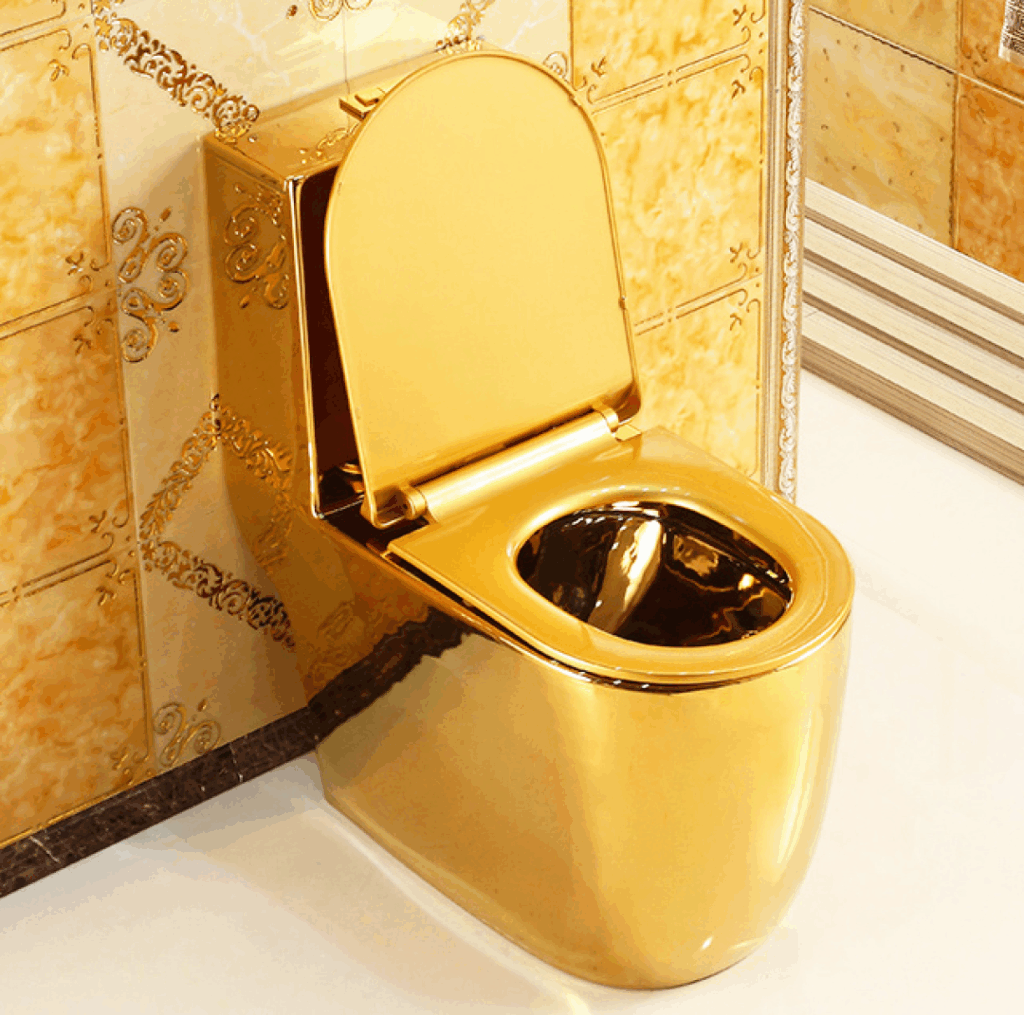
The eye-catching gold toilet, a stunning creation by Maurizio Cattelan, has become an emblem of modern art and luxury, selling for a whopping $12.1 million at auction. Initially installed at the Guggenheim Museum in New York, this unique artwork made headlines not only for its price but also for its audacious theft from Blenheim Palace in 2019. After its recovery, the gold toilet was auctioned at Sotheby’s, where one solitary bid secured its fate, further intertwining its legacy with the bizarre world of collectibles. Ripley’s Believe It or Not! ultimately won the auction, eager to add this outrageous piece to their portfolio, which celebrates the extraordinary and the unusual. Cattelan’s installation serves as an incisive commentary on both artistic value and the absurdities of luxury culture, cementing its place in the art community and popular discussions alike.
This extravagant lavatory, often referred to as a golden toilet, represents not just artistry but also a culture of excess that permeates our contemporary society. Dubbed “America,” the piece challenges viewers by transforming something as mundane as a toilet into a coveted masterpiece, which sold at a Sotheby’s auction after a notorious theft from a historical estate. Celebrated Italian artist Maurizio Cattelan has intrigued audiences worldwide with this audacious work, whose escapades have pulled the spotlight from the art world to the realm of unusual desires. Following its dramatic recovery, this lavish bathroom fixture found its new home with Ripley’s Believe It or Not!, a company renowned for its collection of the extraordinary and bizarre. The allure surrounding the auction, especially considering the original artwork’s theft, serves as a testament to how art can blur the lines between artistic endeavor and audacious spectacle.
The Infamous Gold Toilet Auction at Sotheby’s
The auction of the gold toilet, titled ‘America’, was an unprecedented event held at Sotheby’s New York. This 18-karat gold toilet, created by Italian artist Maurizio Cattelan, sold for a staggering $12.1 million. Remarkably, the starting bid was set according to the value of its gold weight, approximately $10 million, which highlighted the intersection of art and commodity. Auctions such as this demonstrate how even the most unconventional artworks can garner serious financial interest, stirring conversations around the value of unique art pieces and their cultural significance.
The auction drew significant attention not only due to the extravagant nature of the item but also because of its notorious history. Following the theft of the original gold toilet from Blenheim Palace in 2019, which made headlines worldwide, Sotheby’s was able to captivate an audience curious about the fate of such a priceless work of art. The curiosity surrounding the auction was compounded when it was revealed that Ripley’s Believe It or Not! was the buyer, marking yet another chapter in the tale of this unusual artwork.
The Theft of the Original Gold Toilet
In a high-profile heist that captivated the art world, the original gold toilet was stolen from Blenheim Palace in 2019. Five men broke into the estate and successfully absconded with the installation worth £4.8 million. This audacious burglary not only reflected a curious intersection between art and crime but also raised discussions about security measures in museums and galleries handling high-value installations. The theft garnered international media coverage, emphasizing the growing tension between public display of art and its security.
The aftermath of the heist led to a significant investigation, culminating in the arrests and convictions of various individuals involved. Public reaction ranged from disbelief to fascination with the lengths some would go to acquire high-value pieces of art. The episode has become a part of art lore, illustrating how works by controversial artists like Maurizio Cattelan can become symbols of both artistic innovation and social commentary.
Maurizio Cattelan: A Controversial Art Figure
Italian artist Maurizio Cattelan is renowned for his controversial and provocative works that challenge societal norms and artistic conventions. His creations, including the infamous gold toilet, serve as incisive critiques of contemporary culture, illuminating the intricate dynamic between art and its monetary value. Cattelan’s approach prompts viewers to reflect on their perceptions of wealth, fame, and the role of art in society. Art critics praise him for his ability to blur the lines between art and satire, making his work not only visually striking but intellectually engaging.
Cattelan’s artistic legacy is characterized by provocative installations, with the gold toilet being one of his most audacious works. His penchant for challenging established notions of taste extends beyond luxury; it invites discourse around the commodification of art. By presenting functional items as art, Cattelan makes the audience question what constitutes value and meaning in the realm of artistic expression.
Ripley’s Believe It or Not! and the Gold Toilet
Ripley’s Believe It or Not!, known for showcasing unique and bizarre exhibitions, has added the gold toilet to its collection, underlining its commitment to curating extraordinary experiences. Following the auction, the organization announced its plans to potentially allow visitors to experience ‘the ultimate golden seat.’ This intriguing concept not only draws attention to the peculiar nature of the artwork but also enhances Ripley’s brand identity as a purveyor of oddities and unique attractions.
The acquisition of the gold toilet showcases Ripley’s ability to blend entertainment with a rich art history, attracting a diverse audience. By featuring such an unusual piece, Ripley’s hopes to engage visitors in discussions about artistic value and cultural commentary. In an era where immersive experiences are highly sought after, the gold toilet represents an opportunity for Ripley’s to innovate engagement strategies and promote dialogue around modern art.
Cultural Impact of the Gold Toilet
The cultural impact of the gold toilet extends far beyond its physical presence; it serves as a touchpoint for conversations around wealth, privilege, and the art market. As an artwork that balances absurdity and functionality, it challenges traditional artistic boundaries and incites dialogue about what people are willing to invest in terms of art. The gold toilet’s auction price reflects not merely the material value of gold but also a societal willingness to pay for notoriety and uniqueness in art, pushing the conversation of commodification further.
Moreover, this artwork has sparked discussions within art communities about the intersection of pop culture and fine art. The gold toilet is not just a piece of art; it’s a cultural commentary that resonates with widespread societal themes of excess and luxury. It emphasizes the role of contemporary art in mirroring societal values, leading many to question what art represents in today’s cultural landscape and how it reflects various facets of human experience.
The Auction Process and Strategies
The auction process at Sotheby’s for the gold toilet was meticulously planned, taking into consideration its unique status and the public’s fascination with the item. Auction houses employ a variety of strategies to maximize bidding interest, especially for items as controversial and high-profile as this. Setting the starting bid based on the gold weight not only ensured a fair market valuation but also captured the attention of potential buyers, creating an air of exclusivity around the event.
In addition to pricing strategies, Sotheby’s leveraged media interest and online exposure to generate buzz leading up to the auction. By promoting the auction as a blend of high art and sensational curiosity, the auction house was able to ensure strong visibility. This not only attracted collectors but also casual observers fascinated by the artwork’s backstory, making the auction a pivotal moment in contemporary art discussions.
Art and Commodity: A Modern Conflict
The juxtaposition of art and commodity is a recurring theme in contemporary discussions about the value of artworks. Cattelan’s gold toilet exemplifies this conflict; it raises questions about whether art should be accessible to the public or reserved for the elite. The auction aimed to highlight this very dichotomy, drawing attention to how art’s monetary value can overshadow its cultural significance. Many critics argue that such commodification poses a threat to the intrinsic value of artistic expression.
As artists increasingly engage with the market dynamics, the distinction between art as a cultural artifact and as a profitable asset becomes blurred. This phenomenon has implications for both artists and collectors, as they navigate the fine line of creating meaningful work while remaining cognizant of market expectations. The gold toilet has incited broader discussions regarding authenticity in art and the societal implications of viewing art as a mere commodity.
The Legacy of Remarkable Art Heists
The theft of the original gold toilet from Blenheim Palace is part of a long legacy of remarkable art heists that have captured public imagination. Such incidents evoke a mix of intrigue and disbelief, highlighting the vulnerabilities of art institutions, even when housing high-value pieces. This particular heist not only emphasized the need for improved security measures in museums but also sparked public curiosity about the lengths individuals will go to acquire such prized possessions.
In analyzing this case alongside other notable art thefts, it’s evident that the narrative surrounding stolen art often becomes as fascinating as the artworks themselves. These tales blend elements of crime, art culture, and societal commentary, galvanizing public interest and debate. As the art world continues to evolve, the gold toilet heist remains a cautionary tale about the intersections of art, culture, and criminality.
Conclusion: The Gold Toilet’s Place in Art History
The gold toilet, an emblem of both innovation and spectacle within the contemporary art scene, undoubtedly holds a unique place in art history. Its appealing narrative intertwines themes of wealth, power, and artistic expression, ensuring it will be remembered as a significant cultural artifact. By merging functionality with the absurd, Cattelan’s work challenges our perceptions of art and pushes boundaries, establishing a benchmark for future provocative creations.
As discussions surrounding the gold toilet continue, it will likely inspire future generations of artists to explore the provocative interplay between art and societal values. Its legacy will serve as a reminder of how even the most unconventional pieces can spark meaningful dialogues about the role of art in shaping cultural narratives, raising essential questions about creativity, value, and the human experience.
Frequently Asked Questions
What is the significance of the gold toilet artwork by Maurizio Cattelan?
The gold toilet, titled ‘America,’ created by Italian conceptual artist Maurizio Cattelan, is significant as it represents a blend of art and commodity. Made from 101.2 kg of solid 18-carat gold, the toilet was first installed in the Guggenheim museum in New York and later became notorious after being stolen from Blenheim Palace in 2019. Its auction at Sotheby’s for $12.1 million illustrates its cultural and financial impact.
How did Ripley’s Believe It or Not! acquire the gold toilet?
Ripley’s Believe It or Not! acquired the gold toilet after it was auctioned at Sotheby’s for $12.1 million. Following the theft of the original gold toilet from Blenheim Palace, the second version was sold in a historic auction where the starting bid was based on its gold weight, reflecting its unique status in the art world.
What are the details surrounding the theft of the gold toilet from Blenheim Palace?
The original gold toilet, valued at £4.8 million, was stolen from Blenheim Palace on September 14, 2019, by a group of five men. They broke in during the night and fled in a stolen Volkswagen Golf. The robbery made international headlines, highlighting the interplay between valuable art and crime.
What makes the auction of the gold toilet at Sotheby’s notable?
The auction of the gold toilet at Sotheby’s is notable because it included a unique starting bid based on the toilet’s weight in gold, approximately $10 million. It was a landmark event as it represented the first time such a commodity-based bid approach was employed for an artwork, emphasizing the fusion of art and market value.
What plans does Ripley’s Believe It or Not! have for the gold toilet?
Ripley’s Believe It or Not! is exploring possibilities to allow guests to experience the gold toilet up close. They mentioned the need for careful planning to ensure a unique, engaging experience, sparking interest over the potential opportunity for visitors to ‘take the ultimate golden seat.’
What is the history of the gold toilet artwork by Maurizio Cattelan?
Maurizio Cattelan’s gold toilet artwork, known as ‘America,’ debuted in a public restroom at the Guggenheim museum in 2016. After its successful display and heavy usage by about 100,000 visitors, it was stolen from Blenheim Palace in 2019. The second version was auctioned at Sotheby’s, where it emphasized Cattelan’s commentary on art and value.
How does Maurizio Cattelan’s gold toilet comment on societal values?
Cattelan’s gold toilet serves as an incisive commentary on the collision between art and commodity value. By transforming a functional object into a work of art, it challenges audiences to reconsider their perceptions of value, luxury, and the art market, highlighting the absurdity of equating artistic merit with monetary worth.
| Key Points |
|---|
| The gold toilet sold for $12.1 million at auction. |
| It was purchased by Ripley’s Believe It or Not! |
| The toilet is made of 18-carat gold, weighing 101.2 kg. |
| The original toilet was stolen from Blenheim Palace in 2019. |
| It was first installed at the Guggenheim Museum in New York in 2016. |
| The auction featured only one bid, starting at $10 million. |
| Ripley’s plans to explore public access to the toilet. |
| The artwork is recognized as a commentary on commodification in art. |
| It achieved the second highest auction price for a Cattelan piece. |
Summary
The gold toilet, a remarkable piece of art, has made headlines for its extravagant sale price of $12.1 million. As a functional work by Maurizio Cattelan, it not only reflects the intrinsic value of gold but also serves as a critique of the art market. The theft of its predecessor in 2019 and the subsequent auction of a second version illustrate the intertwining narratives of art, value, and criminality. Ripley’s Believe It or Not! has taken an interest in this iconic piece, hinting at making it accessible to the public, which would be a first in its controversial history.