Listen to this article
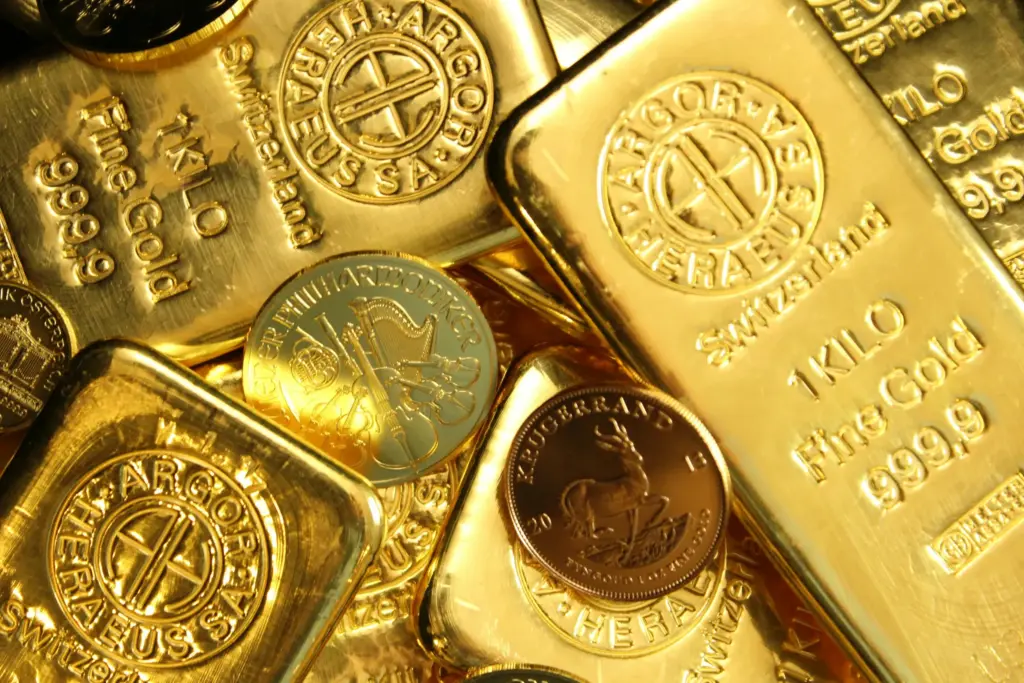
The recent gold price surge has captured the attention of investors and analysts alike, marking a significant milestone as it surpasses $5,000 (£3,659) per ounce for the first time. This remarkable increase, part of a historic rally that has sent prices soaring by over 60% in 2025, is driven by escalating geopolitical tensions involving the US and NATO. Amid fears of economic instability, gold has once again proven its status as a safe haven asset, drawing investors looking for security against inflation and currency fluctuations. Recent trade threats from US leaders have only added fuel to the fire, leading to a heightened demand for gold as an inflation hedge. With external conflicts impacting financial markets, both gold and silver prices are on an upward trajectory, ushering in a new era for precious metals investment amidst uncertainty.
The surge in gold values reflects a broader trend in precious metal investing, where historical highs encourage cautious optimism among market participants. As individuals seek refuge in alternative assets, many are turning to gold as a reliable safeguard against inflation and economic decline. The dynamics surrounding current events, including international conflicts and shifting trade policies, have renewed interest in metals like gold and silver. Investors are increasingly aware of the impacts of geopolitical developments, recognizing how these factors can drive the demand for gold in times of uncertainty. As a result, the continuing rise in precious metal prices could signal a pivotal shift in investment strategies worldwide.
Historic Gold Prices Reach New Heights
The recent surge in gold prices has marked a historic milestone for the precious metal, breaking the $5,000 per ounce barrier for the first time. This significant increase, driven by a staggering rise of over 60% in 2025 alone, highlights the growing economic uncertainty and investors’ flight towards secure assets. Factors contributing to this rally include escalating geopolitical tensions and financial instability, which have historically spurred interest in gold as a reliable store of value.
As we witness these historic gold prices, it’s essential to understand the broader economic context, including the fluctuating conditions that have influenced market behaviors. Geopolitical conflicts and trade wars have created an uncertain environment, prompting investors to reassess their portfolios in favor of gold. The combination of these factors demonstrates that we may be entering a new era for gold prices, with ongoing volatility likely to establish a trend of increased value.
Gold’s Role as a Safe Haven Investment
During times of economic turmoil and instability, gold has consistently proven to be a safe haven for investors. The current geopolitical landscape, marked by tensions between the US and NATO and trade disputes, supports this narrative as investors seek refuge from volatile stock markets. Gold’s intrinsic value shines brightly when traditional assets falter, making it an ideal choice for those looking to protect their wealth.
Furthermore, the demand for gold as a safe haven is amplified during periods of high inflation and a declining dollar. As central banks across the globe pivot towards accommodative monetary policies, the allure of gold as a hedge against inflation grows stronger. Investors are increasingly positioning themselves in the gold market, resulting in a more refined understanding of its significance as a stabilizing force amidst potential financial disruptions.
The Impact of Inflation on Gold Prices
Inflation plays a pivotal role in driving gold prices upward, especially as recent rates have exceeded expectations globally. As the cost of living continues to rise, many turn to gold not only as an investment but also as an inflation hedge. The historical relationship between inflationary periods and rising gold prices underscores its value, making it a preferred asset for those aiming to preserve purchasing power.
In light of the current economic climate, characterized by heightened inflation and changing fiscal policies, gold maintains its reputation as a robust financial safeguard. The correlation between rising inflation and escalating gold prices is backed by historical data, reinforcing the appeal for investors seeking stability and security amidst financial unpredictability.
Geopolitical Impacts on Gold Prices
Geopolitical events have an undeniable impact on commodity markets, particularly gold. Current tensions in regions like Eastern Europe and the Middle East have spurred fears of economic instability, contributing to rising gold prices. When individuals and institutions feel the heat of political unrest, they often flock to perceived safe havens, thus propelling gold prices higher.
Additionally, sanctions and trade policies enacted by countries can influence market projections. The ongoing conflict in Ukraine and tensions surrounding Venezuela’s government showcase how political factors directly correlate with increases in gold prices. Investors are keenly aware of how these global events can lead to unprecedented spikes in demand for precious metals, further solidifying gold’s status as a safe haven.
The Outlook for Gold and Silver Prices
With gold prices breaching new heights, the prospects for silver also appear promising. Silver recently surged past the $100 mark for the first time, reflecting a nearly 150% increase over the past year. The dynamics of gold and silver prices often interact, with silver frequently viewed as a more volatile but lucrative investment compared to its golden counterpart. This interplay suggests a robust future for both metals amidst ongoing market fluctuations.
As investors reassess their strategies, monitoring the trends between gold and silver prices will be crucial. The rise in precious metals typically indicates market sentiment regarding uncertainty and inflation. With both gold and silver attracting more attention, the relationship between these two will likely shape investment choices as we navigate through 2025.
Central Banks and Gold Accumulation Trends
In recent years, central banks around the world have significantly increased their purchases of gold, further driving up its price. This behavior indicates a strategic shift as these institutions attempt to hedge against volatile economic conditions and potential currency depreciation. The proactive accumulation of gold by central banks signals broader confidence in its long-term stability as a reserve asset.
Moreover, the trend of central banks buying gold reinforces the notion of gold as a protective measure against inflationary pressures. As governments grapple with economic uncertainty, their increased interest in gold emphasizes its vital role in ensuring financial security and stability. For individual investors, understanding central banks’ strategies can provide valuable insights into market trends and future gold performance.
Long-term Trends in Gold Investment
Long-term trends in gold investment reveal a growing interest as more individuals seek to include precious metals in their portfolios. Historically, gold has been seen as a protective asset during economic downturns, and this trend continues as market conditions fluctuate. The long-term growth in value, coupled with the metal’s resilience in volatile times, draws both seasoned investors and newcomers alike.
In light of recent events and ongoing global challenges, the sentiment around gold is shifting towards a more diversified investment belief that accounts for economic uncertainty. The understanding that gold works as an inflation hedge and a safe haven strengthens its allure, making the case for long-term investment in this precious metal more compelling than ever.
Increased Demand for Gold as a Financial Hedge
As market uncertainties rise, the demand for gold as an effective financial hedge has surged. Investors recognize gold’s inherent value during adverse economic times, often turning to it as a source of stability. With the escalating tensions on a global scale, the notion that gold provides a protective layer against financial crises is becoming increasingly prevalent.
This heightened demand also reflects a growing awareness of gold’s unique attributes as a hedge against inflation. Investors are actively seeking ways to secure their wealth amidst fears of devaluation, leading to an uptick in gold purchases. As the market becomes more sensitive to geopolitical developments, the relationship between growing demand for gold and its utility as a hedge will likely remain a focal point for both investors and analysts.
Navigating the Gold Market Amidst Global Disruption
Navigating the gold market during times of global disruption requires careful planning and strategy. Investors need to stay informed about geopolitical events and economic indicators that can impact gold prices dramatically. By understanding these influences, they can make informed decisions about their investments in gold.
The current global landscape, with its myriad of challenges, serves as a reminder of the importance of diversification. For many, including gold in their investment portfolio is not just a precaution but a strategic move to mitigate risks associated with market volatility. As trends continue to evolve, the ability to adapt to changes in the gold market will be crucial for investors aiming to safeguard their financial future.
Frequently Asked Questions
What factors are driving the current gold price surge?
The recent gold price surge is primarily driven by escalating geopolitical tensions, particularly between the US and NATO, as well as trade uncertainties linked to President Trump’s policies. Additional factors include higher inflation rates, a weakening US dollar, and increased central bank purchases of gold. These elements contribute to gold’s reputation as a safe haven during financial instability.
How does the gold price surge relate to historic gold prices?
The current gold price surge, exceeding $5,000 per ounce, marks a significant moment in historic gold prices. This rise by more than 60% in 2025 highlights an unprecedented rally, drawing comparisons with historical trends during times of economic crisis and uncertainty.
Is gold still considered a reliable inflation hedge during price surges?
Yes, gold is widely regarded as a reliable inflation hedge, particularly evidenced by the ongoing gold price surge. As inflation rates rise, investors historically flock to gold to preserve their wealth, further driving up demand and prices.
What are the implications of a gold price surge for silver prices?
Typically, gold price surges influence silver prices, as seen with the recent spike where silver exceeded $100 an ounce. Investors often view gold and silver prices as correlated, with rising gold values usually boosting silver demand and prices due to their shared status as precious metals.
How do geopolitical impacts affect the gold price surge?
Geopolitical impacts significantly contribute to the gold price surge as tensions—such as conflicts in regions like Ukraine and Gaza—prompt investors to seek safety in gold. These uncertainties heighten the appeal of gold as a sanctuary asset amidst fears of instability in global markets.
What can we expect from gold prices in light of the current economic conditions?
Given the current economic conditions, including ongoing trade tensions, the likelihood of reduced interest rates by the US Federal Reserve, and persistent geopolitical unrest, we can expect that gold prices may continue to rise. Investors often turn to gold as a safe haven, further driving its value.
| Key Points |
|---|
| Gold price has surpassed $5,000 per ounce for the first time in history. This marks a remarkable rally of over 60% in 2025. |
| Escalating tensions between the US and NATO over Greenland have heightened fears about financial and geopolitical instability. |
| President Trump’s trade policies, particularly threats of tariffs on Canada, have unsettled markets. |
| The demand for gold is driven by higher inflation, a weakening US dollar, and increased central bank purchases. |
| Geopolitical conflicts, including issues in Ukraine, Gaza, and actions against Venezuela, are contributing factors for the surge. |
| Silver prices have also surged, exceeding $100 an ounce for the first time, reflecting a similar trend in precious metals. |
Summary
The recent gold price surge signifies a pivotal moment in the precious metals market, with prices hitting over $5,000 per ounce. This significant increase is largely attributed to geopolitical tensions, trade policy uncertainties, and a combination of economic factors fueling demand for safe-haven assets like gold. As investors increasingly seek stability amidst financial insecurity, the surge in gold prices underscores the current climate of uncertainty and volatility in global markets.