
Listen to this article
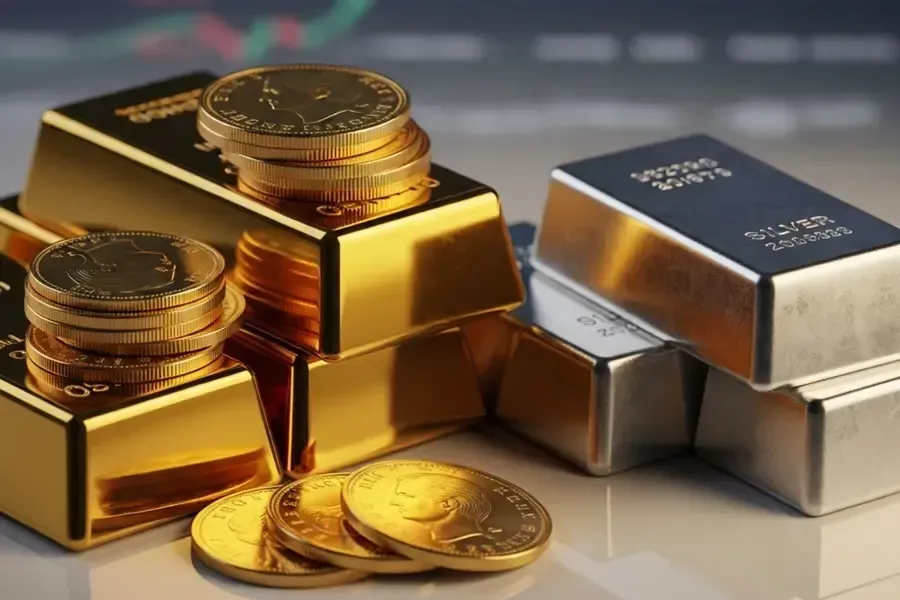
Gold and silver prices are undergoing significant fluctuations, marking a historic year for these precious metals as they aim for their largest annual gains since 1979. With gold’s price soaring to unprecedented heights, reaching over $4,549 per ounce and then settling at around $4,330, investors are keenly observing the implications of these changes. Silver has also seen notable gains, trading at approximately $71 after hitting a peak of $83.62. The surge is largely attributed to factors such as expected interest rate cuts, rising inflation concerns, and shifts in investor sentiment towards safer assets. As we look ahead, market analysts are urging caution, providing insights into what the gold price forecast for 2026 could mean for silver market trends and the broader precious metals investment landscape.
Recent movements in the valuations of these valuable metals highlight a complex interplay of market pressures and economic indicators. The fluctuations in the worth of gold, often viewed as a safe harbor during turbulent times, and silver, with its growing industrial applications, are creating enticing opportunities for investors. As strong buyer interest pushes gold value analysis to the forefront, the rising silver demand increase driven by both supply constraints and industrial uses cannot be ignored. Experts are noting that the outlook for these commodities, especially as we approach critical financial milestones like 2026, is critical for understanding future trends. It’s evident that the dynamics of the precious metals market will continue to captivate investors and analysts alike.
Understanding the Surge in Gold Prices
The remarkable surge in gold prices can be attributed to a complex interplay of economic and geopolitical factors that have shaped the financial landscape. In 2023, we witnessed gold reach unprecedented heights, peaking at over $4,549 per ounce due to heightened demand stemming from fears of inflation and uncertainty in equity markets. The anticipation of potential interest rate cuts by the US Federal Reserve further fueled these soaring numbers, as many investors were seeking refuge in safe-haven assets. This situation has led to a broader conversation about the long-term value of gold as an investment, especially as analysts turn their attention to the gold price forecast for 2026.
As investors seek stability amidst market volatility, the demand for gold continues to rise, positioning it as a crucial asset in diversified portfolios. Investors’ increased purchasing power, alongside robust central bank purchases, underscores a growing belief in gold’s enduring value. Thus, while short-term fluctuations are expected, the long-term outlook for gold remains cautiously optimistic, particularly in light of substantial predicted price increases leading up to and potentially during 2026.
The Role of Silver in the Current Market
Silver’s position in the current market is equally fascinating, showcasing dynamic trends that are reflective of broader economic conditions. In recent months, silver prices have climbed significantly, driven not only by traditional monetary factors but also by increased industrial demand. With prices jumping as high as $83.62 per ounce, the crucial role silver plays in emerging technologies, coupled with restrictions on exports from major producers like China, has created a tight supply scenario. This confluence of factors has led to a bullish sentiment towards silver, suggesting that silver demand will continue to increase.
Moreover, investors have expressed a growing interest in silver as a viable alternative to gold, recognizing its potential for substantial returns given its lower price point. Market analysts suggest that while silver prices may experience volatility, the ongoing industrial demand across sectors, as highlighted by investment experts, indicates that silver will not only maintain its value but could also see significant price growth in the coming years. Considering these trends, silver emerges as an intriguing option for those looking to invest in precious metals.
Predictions for Gold and Silver Prices in 2026
The outlook for gold and silver prices in 2026 remains a topic of significant interest and debate among investors and analysts alike. With predictions suggesting continued growth for gold, experts believe that while the momentum may stabilize, the underlying fundamentals such as inflation fears and geopolitical tensions will continue to support a robust demand for precious metals. The gold value analysis points towards a more sustainable price trajectory as opposed to the volatile spikes seen in 2025, making gold an attractive hedge against future economic uncertainties.
On the flip side, the silver market trends are also indicative of potential price increases, heavily influenced by global economic policies and manufacturing demands. As countries like China impose restrictions on silver exports, the supply chain could experience tightness, further driving up prices. Investment channels, including exchange-traded funds (ETFs), are becoming increasingly popular, allowing investors to tap into the silver market without the need for physical ownership. Overall, the interplay between supply, demand, and macroeconomic factors will heavily influence the predictions for gold and silver prices as we approach 2026.
The Impact of Central Bank Purchases on Gold and Silver
Central banks play a pivotal role in the dynamics of precious metals markets, particularly for gold and silver. In 2023, numerous central banks globally significantly increased their gold reserves, purchasing hundreds of tons to bolster their financial safety nets. This strategy, driven by underlying economic uncertainties and inflationary pressures, has substantially impacted gold prices. As central banks continue to stockpile gold, analysts argue that this trend not only reflects a belief in gold’s long-term value but also results in reinforcing its status as a secure asset amidst economic turbulence.
Similarly, while silver might not receive the same attention as gold in central bank purchases, the industrial demand for this metal cannot be overlooked. With ongoing technological advancements and increasing applications in renewable energy designs, the silver market stands to benefit from both central bank strategies and broader industrial trends. This dual demand for both gold and silver reinforces their importance as key components of an effective investment strategy, particularly in uncertain economic climates.
Factors Influencing Precious Metals Investment Trends
Understanding the factors influencing precious metals investment trends is critical for savvy investors. Demand for gold and silver fluctuates based on a myriad of elements, from macroeconomic indicators such as inflation rates and employment statistics to political events and international trade tensions. As investors look toward 2026, the predictable shifts in interest rates and global unrest will keep precious metals at the forefront of investment strategies. The analysis of gold and silver prices highlights how they often react inversely to economic strength, making them a reliable hedge against market downturns.
Moreover, technological innovations in mining and processing methods have also impacted the supply of these metals, making them more accessible to investors. The increasing complexity of the financial landscape requires investors to adapt and reassess their portfolios regularly. By keeping a close eye on global economic indicators, political developments, and advancements in technology, investors can make informed decisions about how to navigate the precious metals market. Ultimately, understanding these influences helps frame a successful investment strategy for both gold and silver.
Investor Sentiment Towards Precious Metals
Investor sentiment plays a crucial role in the demand for precious metals like gold and silver, often acting as a barometer for market stability. As news related to economic vulnerabilities surfaces, investors naturally gravitate towards gold and silver as safer investment options. This sentiment was significantly apparent throughout 2023 as economic uncertainty loomed due to geopolitical tensions and fluctuating stock markets. Understanding the emotional and psychological aspects driving investors can help in comprehending the unpredictable swings in metal prices, as collective fear or optimism can manifest vividly in trading volumes.
Furthermore, social media’s role in shaping investor sentiment should not be dismissed. Influential figures, like Elon Musk, making public comments on platforms about market conditions can sway potential investors’ decisions. As highlighted by recent interactions regarding silver exports from China, these remarks can amplify the perceived value of certain metals or spark interest in the market. Thus, gauging investor sentiment not only assists in predicting future price movements but also highlights the relationship between external perceptions and commodity investments.
Analyzing Gold’s Long-Term Value
The long-term value of gold is often analyzed through various lenses, including its historical performance as a hedge against inflation and currency fluctuations. As economies evolve and continue to face financial crises, gold has consistently maintained its allure as a reliable store of value. With predictions indicating that gold will hold its ground and even rise in value by 2026, it prompts investors to consider allocating a portion of their assets to gold as part of a diversified investment strategy. Moreover, gold’s attributes as a finite resource heighten its appeal amidst increasing global uncertainties.
In addition, understanding the factors impacting gold value analysis is essential for identifying potential price triggers. Elements such as central bank policies, global supply constraints, and increased investor demand reveal crucial insights into gold’s market behavior. As we move towards 2026, tracking these variables will enable both individual and institutional investors to strategize effectively and optimize their positions within the precious metals spectrum.
The Future of the Silver Market
The future of the silver market appears to be promising, driven by a unique combination of factors impacting both supply and demand. As industries increasingly rely on silver for various applications, particularly in technology and renewable energy, the ongoing increase in silver demand highlights its essential role in modern economies. The potential for silver prices to rise further will depend largely on its industrial usage and the relative supply from major producing countries. Economic policies regarding export restrictions, like those recently implemented by China, can significantly shape the silver market landscape.
Additionally, as more investors recognize the value of silver, its role in portfolios alongside gold is likely to evolve. The rise of financial products such as ETFs focused on silver investment allows for easier access and trading, further enhancing the metal’s attractiveness. Overall, while market corrections may occur, the trends suggest a resilient and growing demand for silver, establishing it as a significant player in the precious metals market as we approach 2026.
Frequently Asked Questions
What is the gold price forecast for 2026 based on current market trends?
The gold price forecast for 2026 suggests that gold will continue to rise, albeit at a more stable pace compared to the record highs of 2025. Factors such as potential interest rate cuts and increased demand from central banks and investors looking for safe haven assets are likely to support its value.
How are silver market trends influenced by industrial demand and supply constraints?
Silver market trends are currently influenced by tightened supplies and growing industrial demand. China, which plays a key role in the silver market, has imposed restrictions on silver exports, leading to a potential increase in prices as industrial utilization remains strong. Analysts predict this trend will persist into 2026.
Why are investors considering precious metals investment as a strategy?
Investors are increasingly considering precious metals investment due to rising economic uncertainties and inflation concerns. Gold and silver are perceived as safe haven assets, making them attractive for those looking to hedge against market volatility. This trend is expected to continue in the lead-up to 2026.
What factors are driving gold value analysis in the current market?
The analysis of gold value is being driven by several key factors including expectations of US Federal Reserve interest rate cuts, geopolitical tensions, and high levels of government debt. These elements contribute to natural investor behavior towards gold, especially as a safe haven asset amidst market fluctuations.
Will the increase in silver demand lead to higher prices in the coming years?
Yes, the increase in silver demand, particularly from industrial sectors and the impact of China’s export restrictions, is likely to push prices higher. Despite potential for short-term corrections, a sustained rise in demand suggests a bullish outlook for silver prices into 2026.
| Key Points |
|---|
| Gold prices surged over 60% this year, reaching record highs before declining slightly by New Year’s Eve. |
| Silver reached an all-time high of $83.62 but traded at about $71 an ounce thereafter. |
| The rises in gold and silver prices have been influenced by expectations of interest rate cuts and geopolitical tensions. |
| Central banks increased gold reserves, enhancing demand for gold amid economic uncertainties. |
| China is limiting silver exports, affecting supply and contributing to rising prices. |
| Investment in precious metals, particularly through ETFs, has increased significantly this year. |
| Experts predict a possible decline in gold and silver prices by 2026 but also anticipate continued interest due to economic conditions. |
Summary
Gold and silver prices have seen notable fluctuations recently, culminating in significant increases that some experts believe could continue into 2026. The combination of rising global tensions, economic uncertainty, interest rate cuts, and limited supply, particularly for silver due to China’s export restrictions, underpin the current market conditions. Nevertheless, caution is advised as historical performance suggests that significant gains may precede substantial corrections. Investors should remain vigilant as they navigate these volatile markets.

