Listen to this article
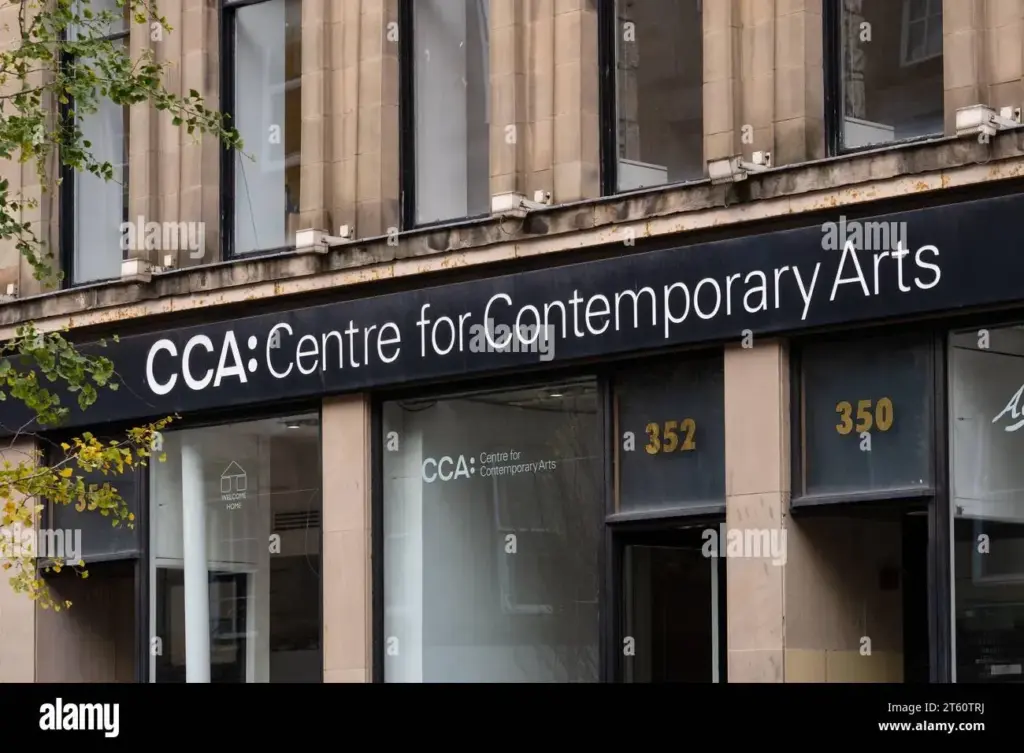
The Glasgow Centre for Contemporary Arts (CCA) has long stood as a vibrant hub of creativity and cultural exchange in the heart of Scotland’s largest city. Yet, the recent announcement regarding its imminent closure, prompted by severe financial struggles CCA has faced, marks a heartbreaking chapter in the venue’s history. Following years of operational challenges and controversies, including protests at CCA advocating for social justice, the venue has become a focal point for discussions surrounding Glasgow’s artistic landscape. This news has sparked widespread concern among the community, reflecting on the cultural impact Glasgow stands to lose as a result of the CCA’s closure. As funding and support options dwindle, the arts venue’s inability to maintain its status raises critical questions about the future of creative spaces in the city.
Renowned as a cornerstone of Glasgow’s arts scene, the CCA has captivated audiences and artists alike for decades, providing a platform for innovative expressions and diverse voices. However, its persistent struggles with financial sustainability have led to this unfortunate closure, overwhelming the cultural discourse in Glasgow. The uproar following recent closure news underscores the venue’s pivotal role in the community, where engagement and activism intersect. Additionally, the fallout from the financial turmoil and associated protests reflects a broader narrative about the challenges facing arts venues in urban environments today. The closure of such an influential institution highlights the urgent need to address the financial viability of cultural spaces and their ongoing significance in fostering societal dialogue.
The Impact of Glasgow Centre for Contemporary Arts’ Closure
The permanent closure of the Glasgow Centre for Contemporary Arts (CCA) marks a significant cultural loss for the city and its vibrant art scene. Established in 1992, the CCA has been a pillar of contemporary creativity, housing various artistic expressions, from visual arts to live performances. Its sudden closure, attributed to chronic financial struggles and management issues, raises critical questions about the future of contemporary arts venues in Glasgow. This decision, compounded by the recent protests and calls for an ethical stance on controversial political issues, signals not only a local but a wider cultural impact, reverberating through communities that rely on such spaces for artistic engagement.
The cultural ramifications of the CCA’s shutdown extend beyond its physical space. Artists who have found refuge and inspiration within its walls now face uncertainty about where to showcase their work. The venue’s closure can lead to decreased opportunities for local talent, affecting artistry programs that foster innovation and expression. Furthermore, this loss goes against the grain of Glasgow’s identity as a city known for its rich artistic heritage, prompting concerns regarding how the city will maintain its status as a cultural hub moving forward.
Frequently Asked Questions
What led to the closure of the Glasgow Centre for Contemporary Arts?
The closure of the Glasgow Centre for Contemporary Arts was driven by severe financial struggles, making it unable to achieve a sustainable financial position and resulting in all staff being made redundant. The venue faced multiple controversies and leadership changes, significantly impacting its viability as a Glasgow arts venue.
How have protests affected the Glasgow Centre for Contemporary Arts?
Protests at the Glasgow Centre for Contemporary Arts, particularly those demanding a boycott regarding Israel, have contributed to ongoing instability and financial concerns. These protests led to significant disruptions, including temporary closures and criticisms regarding the board’s leadership and ethical stance.
What is the cultural impact of the Glasgow Centre for Contemporary Arts closure?
The closure of the Glasgow Centre for Contemporary Arts represents a considerable cultural impact on the city of Glasgow, as it served as a hub for contemporary art and creative expression. The loss of this venue will be felt by local artists, cultural tenants, and the broader community, significantly affecting the vibrant arts scene in Glasgow.
What are the financial struggles faced by the Glasgow Centre for Contemporary Arts?
The financial struggles of the Glasgow Centre for Contemporary Arts included an inability to secure ongoing funding, manage unexplained expenses, and respond to operational challenges after several closures and leadership issues. These struggles ultimately led to the decision to enter liquidation.
What does the future hold for the Glasgow Centre for Contemporary Arts?
While the Glasgow Centre for Contemporary Arts is currently closed, Creative Scotland expressed intentions to explore options for reopening the centre as a cultural resource in the future. However, the timeline for any potential reopening remains uncertain due to the financial challenges the venue faces.
What was the reaction of the staff regarding the Glasgow Centre for Contemporary Arts closure?
Staff at the Glasgow Centre for Contemporary Arts expressed devastation and concern regarding their unexpected job losses and the management of the situation. They highlighted their commitment to the venue and the cultural community, despite sustained pressure and ongoing uncertainty.
How has the Glasgow Centre for Contemporary Arts evolved since its inception?
Since opening in 1992, the Glasgow Centre for Contemporary Arts has evolved from its roots as the Third Eye Centre to become a flagship Glasgow arts venue. However, it has faced numerous challenges, including financial struggles and fluctuating public support that have shaped its journey over the years.
What kind of events did the Glasgow Centre for Contemporary Arts host before its closure?
Before its closure, the Glasgow Centre for Contemporary Arts hosted a diverse range of events, including art exhibitions, film screenings, performances, and community programs, aiming to enrich Glasgow’s cultural landscape and support local and international artists.
| Key Point | Details |
|---|---|
| Permanent Closure | The Glasgow Centre for Contemporary Arts announced its permanent closure amidst financial difficulties. |
| Staff Redundancies | All employees were made redundant with only one day’s notice via an online meeting. |
| Financial Concerns | Creative Scotland stated the CCA could not demonstrate financial viability, leading to canceled events. |
| Leadership Changes | Several directors resigned over the past year amidst ongoing fundraising and ethical concerns. |
| Protests and Controversies | The CCA faced protests related to its position on the Israeli-Palestinian conflict, leading to police intervention. |
| Historical Significance | The building originally housed the Third Eye Centre, a notable venue for artists in Glasgow’s cultural history. |
| Impact of Closure | The closure affects not just staff but also artists, partners, and the local community, leaving a significant cultural void. |
Summary
The Glasgow Centre for Contemporary Arts has officially closed its doors permanently, marking a significant loss to the cultural landscape of the city. As the area’s flagship contemporary art venue, its closure signifies not only the end of an institution founded in 1992, but also the culmination of persistent financial struggles and community controversies. The loss of the CCA is a poignant reminder of the challenges faced by cultural organizations amidst shifting political climates and funding uncertainties, leaving behind a legacy intertwined with Glasgow’s rich artistic heritage.