
Listen to this article
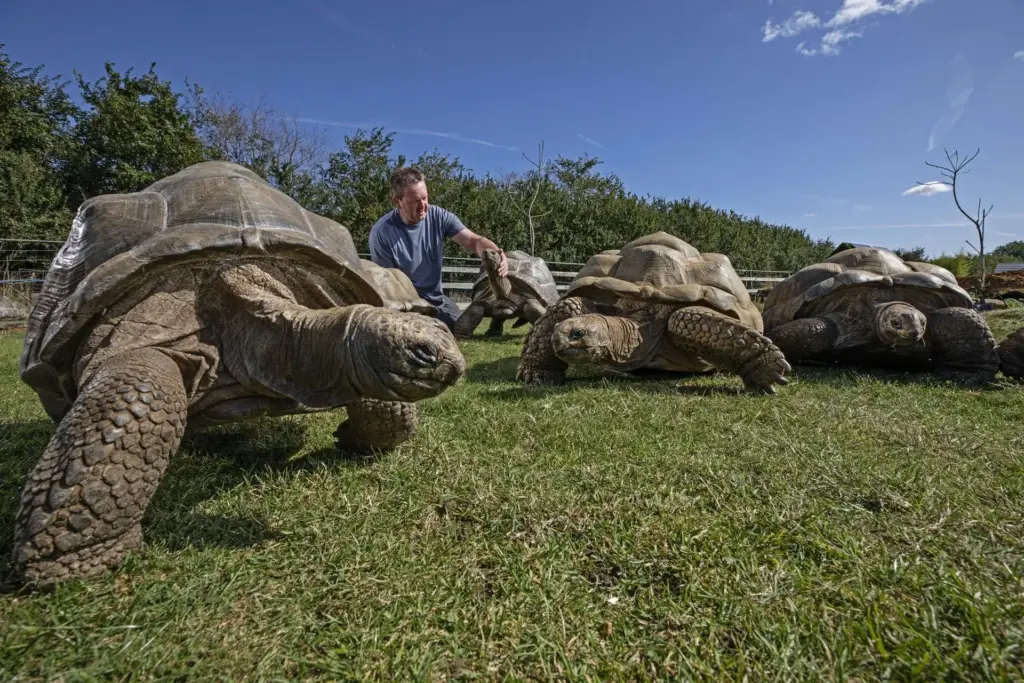
Giant tortoises, once prominent on the Galápagos island of Floreana, have made a momentous return after an absence of over 180 years. This restoration is celebrated by conservationists as a “hugely significant milestone” for the native species conservation movement, emphasizing the importance of ecological integrity. The recent release of 158 captive-bred juvenile tortoises is a key component of the Floreana Ecological Restoration Project led by the Galápagos National Park Directorate and supported by the Galápagos Conservation Trust. This initiative reflects a successful tortoise reintroduction program, which stemmed from groundbreaking discoveries regarding ancestral tortoises on nearby Isabela island. As these magnificent creatures reintegrate into their habitat, they embody a beacon of hope for the restoration of not only Floreana but for island ecosystems globally.
The majestic giant tortoise, an emblematic creature of the Galápagos archipelago, represents a significant aspect of the region’s biodiversity. Efforts to revive the Floreana giant tortoise have sparked widespread engagement in ecological projects, marking a pivotal phase in conserving native species. The undertaking, which involves carefully breeding hybrids with ancestral ties to the extinct tortoise, highlights the critical role that organizations like the Galápagos Conservation Trust play in this revival. Each step toward tortoise reintroduction not only aims to restore ecological balance but also serves as a poignant reminder of the impact humans can have on wildlife. As these fascinating reptiles embark on their journey back to the wild, they pave the way for future conservation initiatives that seek to preserve unique island flora and fauna.
Giant Tortoises: A Symbol of Conservation Success
The recent release of giant tortoises back into the wild on Floreana Island marks a landmark achievement in conservation efforts. For the first time in over 180 years, these majestic creatures are roaming their native habitat, a development hailed as a significant milestone by conservationists globally. This successful reintroduction comes as part of the Floreana Ecological Restoration Project, a visionary initiative led by the Galápagos National Park Directorate. With 158 captive-bred juvenile tortoises now exploring Floreana, we witness not only the revival of a species but the renewal of the island’s ecosystems that rely on these incredible reptiles.
The efforts to bring back the Floreana giant tortoise, _Chelonoidis niger niger_, reflect decades of dedicated work by the Galápagos Conservation Trust (GCT). This moment signifies hope and sustainability, showcasing how science, community engagement, and conservation strategies can converge to reverse historical damage. The GCT highlights the ecological importance of giant tortoises, as they serve as “ecosystem engineers” that help to shape their environment, promoting biodiversity and aiding in the recovery of other native species in the Galápagos archipelago.
The Role of the Galápagos Conservation Trust in Tortoise Reintroduction
The Galápagos Conservation Trust (GCT) has been instrumental in the reintroduction of the giant tortoises to Floreana Island. Since the inception of the back-breeding program in 2017, the GCT has collaborated with scientists, charities, and the local community to facilitate this ambitious project. Harnessing the genetic insights gained from tortoises found on nearby Isabela Island, the GCT carefully selected hybrid tortoises with ancestry linked to the Floreana species. This meticulous selection process ensured the highest chances of successful breeding and survival in the wild.
Dr. Jen Jones, GCT’s chief executive, emphasized the collaborative success of this conservation project. She noted that the restoration aspiring to repair the ecological damage inflicted on Floreana over the years could serve as a model for similar efforts worldwide. By showcasing the synergy of community collaboration and scientific research, the GCT not only resurrects the Floreana giant tortoise population but also inspires conservation practitioners globally to pursue ambitious ecological restoration initiatives in their respective regions.
Ecological Restoration: Reviving Floreana’s Natural Heritage
Ecological restoration in the Galápagos is crucial not only for the reintroduction of giant tortoises but also for the overall revitalization of Floreana Island’s biodiversity. The Floreana Ecological Restoration Project is focused on correcting centuries of ecological degradation caused by human activities and invasive species. By reintroducing native species, including the long-extinct giant tortoises, conservationists aim to restore complex ecosystems that support a multitude of flora and fauna that have been lost over time.
Efforts in ecological restoration such as this emphasize the importance of a more holistic approach to conservation. The arrival of giant tortoises back on Floreana means increased genetic diversity and a chance for ecosystem rejuvenation. As these tortoises roam the island, they facilitate landscape changes that encourage the growth of native plants and create habitats beneficial for other species. This interdependent relationship highlights the intricate balance necessary for healthy ecosystems and the resilience of nature when supported by dedicated conservation efforts.
The Genetic Journey of the Floreana Tortoise
The genetic journey of the Floreana giant tortoise underscores an exciting chapter in the history of conservation genetics. The back-breeding program that has garnered so much attention began when scientists discovered tortoises with ancestral ties to Floreana in 2008. By analyzing DNA and breeding the hybrid tortoises closely aligned with the extinct species’ lineage, researchers initiated a critical process to restore the genetic legacy of the Floreana tortoise. This pioneering method demonstrates how modern science can be employed to rectify past ecological injustices.
Through this genetic restoration, the surviving hybrid tortoises have been bred to generate a new population that resembles the native Floreana species closely. This cautious yet hopeful approach has brought hundreds of hatchlings to breeding age, ready to confront the challenges of living in the wild. Such carefully calculated interventions serve as a testament to the power of genetic research and the potential it holds for reviving endangered species. The Floreana giant tortoise project is an example of how innovative solutions can help combat the biodiversity crisis facing our planet.
Invasive Species and Their Impact on Native Tortoise Populations
Invasive species present a significant threat to the fragile ecosystems of the Galápagos Islands, particularly to populations of native species like the Floreana giant tortoise. Historically, including feral goats, rats, and other non-native animals, invasive creatures have disrupted the natural balance, leading to the decline and eventual extinction of local species. Addressing the issue of invasive species is a critical component of projects aimed at ecological restoration on Floreana Island.
By successfully reintroducing the giant tortoise, part of the Floreana Ecological Restoration Project addresses not only the revival of the tortoise population but also the broader implications for the ecosystem as a whole. As tortoises help restore the landscapes by their natural behaviors, efforts to control and eliminate invasive species must go hand in hand to ensure that these native tortoises can thrive without the threat from introduced competitors or predators. This holistic conservation approach is vital for the sustainable future of Floreana and its unique biodiversity.
Future Prospects for Giant Tortoise Restoration in the Galápagos
The future of giant tortoise restoration in the Galápagos looks promising, particularly with initiatives like the Floreana Ecological Restoration Project paving the way. As more successful breeding and reintroduction programs are implemented, the potential for restoring additional native tortoise populations across different islands grows. By maintaining rigorous genetic and ecological guidelines, conservationists can ensure the survival of the Galápagos’ unique tortoise species while enhancing overall ecosystem health.
Looking beyond Floreana, the insights gained from this project can inform future restoration efforts in other parts of the world facing similar biodiversity challenges. The approach taken by the Galápagos Conservation Trust serves as a model for integrating scientific research, community involvement, and practical conservation strategies. With continued support and investment, the future holds the promise of not just reviving Floreana’s giant tortoise population, but also strengthening the resilience of ecosystems worldwide against the pressures of climate change and human activity.
Conservation Collaborations: The Power of Community Engagement
Community engagement plays a pivotal role in the success of conservation initiatives, as evidenced by the collaborative efforts in Floreana’s restoration project. Local involvement ensures that the people living in harmony with their environment understand the importance of protecting native species like the giant tortoise. By fostering connections between community members and conservationists, programs can harness local knowledge and support for long-term sustainability.
Educational outreach and participation initiatives encourage the community to become stewards of their unique ecosystems, fostering a sense of pride and responsibility. Such collaborations not only enhance the conservation project but also empower local voices, ensuring that the benefits of restoration are felt widely. As the giant tortoises begin to thrive, the community’s support and commitment will be essential for the ongoing success of this significant ecological undertaking.
The Educational Impact of Tortoise Reintroduction
The reintroduction of the giant tortoise to Floreana offers a unique educational opportunity for schools, conservation organizations, and visitors to the Galápagos. Sharing the story of how these tortoises were saved from extinction can instill a greater appreciation for wildlife and biodiversity while emphasizing the importance of conservation efforts. Through educational programs centered around this milestone, people can learn valuable lessons about genetic diversity, ecosystem dynamics, and the significance of species conservation.
As schools incorporate lessons about the Floreana giant tortoise into their curricula, students can engage in hands-on activities and visit the restoration sites, creating a powerful connection between youth and nature. These educational efforts not only enhance the understanding of ecological principles but also inspire future generations to take action in safeguarding their environment and protecting biodiversity. By promoting awareness and understanding, the Galápagos is setting a precedent for conservation education that can resonate beyond its shores.
Understanding the Legacy of Floreana’s Tortoises
The legacy of Floreana’s giant tortoises extends far beyond their physical existence; it encapsulates a broader narrative about extinction and the impact of human activity on native species. The story of these tortoises is a critical reminder of the fragility of ecosystems and the irrevocable changes that can occur when humanity exceeds its bounds. Understanding this legacy encourages a reflective approach towards conservation, urging society to learn from past mistakes and advocate for practices that preserve biodiversity.
As conservationists focus on restoring the Floreana giant tortoise population, they honor the legacy of those lost to extinction while paving the way for a better future. Each successful breeding and every tortoise that thrives in its natural habitat contributes to a growing narrative of resilience, hope, and revitalization. It serves as a testament that, with concerted effort and dedication, we can mend the wounds of the past and work towards sustainable coexistence with nature.
Frequently Asked Questions
What is the significance of the Floreana giant tortoise reintroduction project?
The Floreana giant tortoise reintroduction project is a significant milestone for conservation, marking the first time in over 180 years that giant tortoises are roaming the Galápagos island of Floreana. This initiative, led by the Galápagos Conservation Trust and the Galápagos National Park Directorate, aims to restore the native species, _Chelonoidis niger niger_, which went extinct in the 1840s due to human activities.
How did the Galápagos Conservation Trust contribute to the giant tortoise ecological restoration project?
The Galápagos Conservation Trust (GCT) played a critical role in the ecological restoration project by leading efforts to identify and breed giant tortoises with Floreana ancestry. Their work facilitated the release of 158 captive-bred juvenile tortoises onto the island, a key step in restoring the island’s native species and ecosystems.
What methods were used to breed Floreana giant tortoises?
The breeding of Floreana giant tortoises utilized a ‘back-breeding’ method initiated in 2017. Scientists discovered hybrids with ancestry linked to the extinct Floreana tortoise on Isabela island. They selected 23 hybrid tortoises and bred them in captivity on Santa Cruz island, eventually producing over 600 hatchlings by 2025.
Why are giant tortoises considered ecosystem engineers in the Floreana restoration project?
Giant tortoises are labeled as ‘ecosystem engineers’ because their activities significantly shape and restore degraded landscapes. By helping to maintain vegetation and create habitats conducive to other native species, the Floreana giant tortoises are vital to the ecological restoration efforts on the island.
What led to the extinction of the Floreana giant tortoise?
The Floreana giant tortoise was driven to extinction in the 1840s primarily due to human activities. Sailors took thousands of these tortoises from the island for food during long voyages, leading to the dramatic decline and eventual extinction of this native species.
How does the reintroduction of giant tortoises on Floreana impact native species conservation?
The reintroduction of giant tortoises to Floreana has a positive impact on native species conservation by restoring ecological balance, improving habitat conditions, and allowing for the potential recovery of other species that depend on a healthy ecosystem. This project represents a hopeful step towards broader conservation goals in the Galápagos Islands.
What are the future goals for the Floreana giant tortoise population?
Future goals for the Floreana giant tortoise population include monitoring their adaptation and survival in the wild, increasing their numbers through further breeding efforts, and reinforcing ecological restoration initiatives on the island. This approach aims to ensure the long-term success of not only the giant tortoise population but also the overall health of Floreana’s ecosystems.
| Key Point | Details |
|---|---|
| Introduction of Giant Tortoises | 158 captive-bred juvenile giant tortoises released on Floreana island. |
| Significance of the Milestone | First time in over 180 years that Floreana has seen giant tortoises roaming. |
| Conservation Efforts | Efforts initiated in 2017 as part of the Floreana Ecological Restoration Project led by Galápagos National Park Directorate. |
| Genetic Back-Breeding Program | Based on tortoises found with ancestry connected to Floreana on Isabela island; breeding began in captivity on Santa Cruz island. |
| Tortoise Ancestors | Native species _Chelonoidis niger niger_ became extinct in the 1840s due to human activities. |
| Impact on Ecosystems | Giant tortoises are described as ‘ecosystem engineers’ vital for restoring degraded landscapes. |
Summary
Giant tortoises have made a groundbreaking return to Floreana Island after more than a century, marking a significant achievement in conservation efforts. The release of 158 juvenile tortoises symbolizes hope for the ecological restoration of the island and serves as an important example for future conservation initiatives worldwide. These magnificent creatures not only enrich their environments, but their revival also highlights the dedication of scientists and communities working together towards a sustainable future.