
Listen to this article
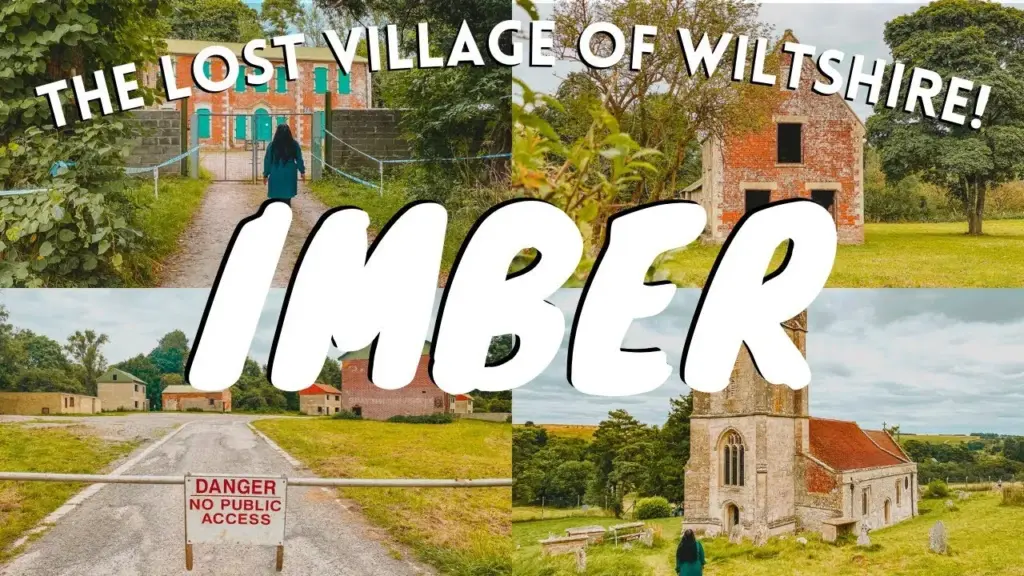
Nestled in the picturesque Wiltshire countryside, the ghost village of Imber offers a haunting glimpse into a past deeply intertwined with history. This abandoned village is not just another of the many Wiltshire abandoned villages; it has its own unique narrative, particularly concerning the impact of World War II on rural England. In 1943, Imber was completely evacuated as military personnel converted it into a training ground, leaving its 150 residents with only 47 days’ notice. The village’s captivating past and its current status as a significant WWII site in the UK continue to draw history enthusiasts eager to explore its eerie charm. Today, only a few open days each year allow visitors to experience the remnants of the former Imber village, further solidifying its reputation as one of the most intriguing historical sites in the UK and a remarkable ghost town in England.
Located in the heart of Wiltshire, Imber stands out as a striking example of an abandoned settlement, where time seems to have paused. This forsaken hamlet, once bustling with life, was desolated during the tumult of World War II, transforming it into a poignant reminder of the era’s sacrifices. Known as a ghost settlement, Imber invites intrigue from those fascinated by the remnants of human habitation juxtaposed against nature’s reclamation. With its dilapidated cottages and somber landscape, this forgotten village provides a unique narrative that intertwines military history with the story of ordinary people. Imber serves as a captivating case study in the exploration of historical sites in Wales, showcasing the interplay of history, ecology, and local memory.
Exploring the History of Imber Village
Imber village, located in the picturesque Wiltshire countryside, holds a haunting yet fascinating history. Once a thriving community, it was abandoned in 1943 when the British government decided to repurpose the area for military training during World War II. This drastic measure affected around 150 residents, who were given a mere 47 days to evacuate their homes, a decision most historians agree was made out of necessity given the global context of the war. The village’s evacuation marked the beginning of a new chapter where the life of the village was halted in time, and its buildings became part of a military exercise area.
With its roots deeply embedded in English history, the story of Imber village is symbolic of the many abandoned villages scattered across the UK. Historical events have a way of shaping towns and communities, and Imber is a striking example of how wartime decisions can lead to long-lasting changes in a village’s fate. While many historical sites in the UK are preserved for their architectural and cultural significance, Imber’s unique status as a ghost village tells a different story—one of resilience and memory amidst the remnants of war.
Visiting Abandoned Villages in Wiltshire
For those interested in exploring England’s rich tapestry of historical narratives, visiting abandoned villages such as Imber offers a unique experience. The breathtaking Wiltshire countryside serves as an ideal backdrop for contemplating the stories behind these ghost towns. Imber is not only a remnant of World War II but also a location that symbolizes the numerous sacrifices made by its former inhabitants. Despite its abandoned status, the village draws visitors keen on understanding the broader implications of England’s wartime history.
Visitors to Imber can take part in the open days limited to a few times a year, allowing them to step into a place where time appears to stand still. During these days, explorers can wander around the ruins, including the Grade I-listed St Giles Church that has survived the test of time. These encounters with Wiltshire’s ghost villages give visitors insight into both the architectural heritage and the personal stories of those who once called these places home.
Exploring nearby abandoned villages in Wiltshire can enhance this experience, as many share similar histories shaped by agricultural decline and wartime policies. The collective experience of these ghost towns in England offers a somber yet enriching journey into the past.
The Significance of Historical Sites in the UK
Historical sites across the UK, such as Imber village, contribute deeply to understanding the country’s past. They offer invaluable context to significant historical events, providing a tangible connection to the lives of previous generations. As societies evolve and technology advances, these sites serve as important reminders of historical realities, often highlighting the struggles and changes faced by communities over time.
Moreover, sites like Imber foster educational opportunities for visitors and researchers alike. As we explore these locations, we uncover layers of history that tell the story not just of the buildings, but of diverse individuals and their experiences. The narrative of Imber village, from its lively community to its silent abandonment, embodies the evolving identity of England and its resilience in the face of change. Each visit is a chance to reflect on how collective memory is preserved through these haunting yet beautiful remnants.
Ghost Towns in England and Their Stories
The concept of ghost towns in England encompasses more than just abandoned buildings; it represents a deep-rooted narrative of lost communities and histories waiting to be discovered. Imber village is a prime example, symbolizing a forgotten way of life that was irrevocably altered by the demands of wartime Britain. The deserted streets and crumbling structures speak volumes about the lives lived there, holding stories of resilience, loss, and adaptation to change.
Throughout England, numerous ghost towns, similar to Imber, have fascinating stories tied to the nation’s development. Whether it’s through the lens of agricultural shifts, industrial transitions, or wartime exigencies, these sites reveal the complex relationship between land and community. Exploring ghost towns calls for a reflection on the cyclical nature of history and the narratives that linger on as we build new lives over old foundations.
WWII Sites and Their Lasting Impact
WWII sites around the UK are countless, with each one narrating tales of bravery, sacrifice, and, at times, abandonment. Imber stands out among these locations not just for its ghostly atmosphere but also for the crucial role it played during the war. The decision to convert this village into a military training ground says much about the strategic necessities of the time, illustrating how places became pawns in a much larger game.
Today, visiting such WWII sites allows individuals to grasp the realities of the era. Imber village offers a unique blend of military history and personal stories, as it was once a home to real families. The continued preservation efforts and limited access during open days help maintain public interest and underscore the importance of remembering the past, allowing new generations to learn from the lessons etched into these historical landscapes.
Community Engagement in Historical Preservation
The preservation of historical sites like Imber village relies heavily on community engagement and support. Local volunteers, such as Neil Skelton, play a vital role in maintaining the integrity of these important landmarks, ensuring that the stories they tell continue to resonate with visitors. Such involvement fosters a sense of stewardship and connection to local history, encouraging more individuals to explore and understand their heritage.
Moreover, the significant interest shown by visitors during open days highlights the importance of community-driven initiatives. The ability to physically experience Imber and its historical context provides a deeper emotional connection—which in turn generates support for conservation efforts. Engaging the community in initiatives related to historical preservation fosters a dialogue about the importance of maintaining such sites and ensures that future generations will appreciate the beauty and lessons they offer.
Wildlife and Natural Heritage in Imber
Beyond its poignant history, Imber village is also recognized for its rich wildlife and natural significance. The village lies in a designated area of special scientific interest, which protects the diverse range of flora and fauna that thrive in its untouched environment. The village’s abandonment has allowed nature to reclaim its space, offering a unique opportunity for biodiversity to flourish.
Visitors to Imber can enjoy not only the historical elements but also the serene beauty of the natural landscape that surrounds the ruins. Bird watchers and nature enthusiasts may find themselves captivated by the variety of species that inhabit the area, demonstrating how history and ecology can intersect harmoniously. This blend of history and natural heritage highlights the multifaceted importance of sites like Imber, encouraging a broad appreciation for both cultural and environmental preservation.
Imber’s Architectural Gems and Their Stories
One of the striking features of Imber village is its architectural gems, notably the Grade I-listed St Giles Church, which stands testament to the village’s once-thriving community. While many structures have fallen into disrepair, the church remains a focal point of both historical significance and community memory. Its enduring presence invites contemplation of the past while offering a glimpse into the village’s architectural story.
The ruins of the former pub and remaining cottages, although damaged, reflect the character of Imber as a community hub. As visitors explore these architectural relics, they are reminded of the lives that once flourished in these spaces. The stories imbued within these walls connect the present to the past, honoring the heritage that has all but vanished but remains alive in memory.
The Evolving Narrative of Imber Village
Imber village’s story continues to evolve as new generations discover its history. The narrative transformed from a lively community to a military training ground, and now to a site of historical reflection and preservation. This evolution reminds us that places are not static; they represent the multifaceted experiences of society, shaped by historical trajectories and collective memory.
While the physical structures of Imber may crumble, the stories they house remain vibrant through the voices of visitors and custodians who share their significance. As long as people are willing to pursue the tales of places like Imber, they will continue to live on, creating a legacy that connects the past with the present, enriching our understanding of history and the ever-changing landscape of community.
Frequently Asked Questions
What is the history of the ghost village Imber in Wiltshire?
The ghost village Imber has a fascinating history. It was evacuated in 1943 during World War II to serve as a military training ground, affecting around 150 residents. They were given just 47 days to leave, with the assurance that they could return after the war. However, Imber remains abandoned, over 80 years later, and is controlled by the Ministry of Defence.
Why is Imber considered one of the notable abandoned villages in Wiltshire?
Imber is considered one of the notable abandoned villages in Wiltshire due to its unique history tied to World War II. The village was entirely deserted to facilitate military training, making it a significant historical site in the UK that highlights wartime impacts on civilian life.
How often can the public visit historical sites like Imber village?
The public can visit the ghost village Imber only 12 days a year, including special occasions like Easter, a summer day, and Christmas carol services. This limited access allows visitors to experience the history and atmosphere of this unique WWII site in the UK.
What can visitors expect to see in the ghost village Imber?
Visitors to the ghost village Imber can expect to see several historical structures, including the Grade I-listed St Giles Church and remnants of the former pub. While many original cottages have deteriorated, the site offers a glimpse into the past and its significance during WWII.
What unique wildlife can be found around Imber village?
The area around Imber village is recognized as a site of special scientific interest, hosting a rich variety of wildlife. The lack of human habitation for 82 years has allowed nature to thrive, providing a serene backdrop to the ghost town’s historical essence.
How does the history of Imber relate to other ghost towns in England?
Imber shares similarities with other ghost towns in England, as it represents communities that were abandoned due to external pressures, such as military needs. Like other historical sites, it offers insights into the impact of war on civilian life and the evolution of English landscapes.
What is the significance of Imber village to local history?
Imber village holds great significance for local history as a representation of the consequences of World War II on civilian communities. Its story reflects the broader narrative of abandoned villages in Wiltshire and the UK’s complex wartime history.
Can visitors contribute to the maintenance of Imber village?
Yes, visitors can contribute to the maintenance of Imber village by making donations during open days, which are used for the upkeep of sites like the St Giles Church. This support helps preserve the historical integrity of this unique WWII site in the UK.
| Key Point | Details |
|---|---|
| Location | Imber, Wiltshire, UK, approximately two hours from London. |
| Historical Context | Deserted village evacuated in 1943 during World War II to allow military training. |
| Original Residents | About 150 residents were forced to leave with 47 days’ notice. |
| Public Access | Access allowed for only 12 days a year, including Easter and summer days. |
| Structures | Grade I-listed St Giles Church and the former pub still remain; most original cottages are now ruins. |
| Visitor Interest | Thousands visit each year to see the church and learn about the village’s history. |
| Wildlife | Imber is designated a special scientific interest area with rich wildlife. |
| Neil Skelton | Custodian of the church, emphasizing the tranquil and charming nature of the site. |
Summary
Ghost village Imber has become a fascinating historical site that tells the story of a once-thriving community now frozen in time. Evacuated during World War II to serve as a military training ground, its original residents were promised the chance to return after the war, yet they never did. Today, despite the passage of 82 years, Imber remains largely untouched, with only limited public access to its remnants, including the notable St Giles Church. The village attracts thousands of visitors each year, drawn by its haunting beauty, rich wildlife, and the stories left behind. This captivating yet eerie site serves as a poignant reminder of the effects of war on communities and the enduring human connection to history.