Listen to this article
In the evolving landscape of job hunting, the term “ghost jobs” has emerged as a pressing concern for many job seekers. These phantom listings refer to job advertisements that either don’t exist or have already been filled, leaving hopeful applicants disheartened and frustrated. A staggering study revealed that nearly 22% of job postings in major markets are actually ghost job listings, which raises significant employment issues as candidates invest time and energy into applying for these non-existent roles. As job market trends shift and online recruitment practices come under scrutiny, understanding the prevalence of ghost jobs becomes crucial. Addressing the rise of fake job postings is not just about transparency; it’s about ensuring the integrity of the recruitment process, which can have far-reaching effects on both individuals and the economy.
The challenge of illusory employment opportunities, often termed as “phantom jobs” or “nonexistent job advertisements,” has cast a shadow over the job market. Job seekers now find themselves navigating a frustrating landscape filled with these misleading postings, which often do not correspond to any genuine hiring efforts. Alternative phrases like “employment illusions” highlight how these listings misrepresent the reality of job openings, raising critical recruitment regulations that need to be addressed. With an increasing emphasis on authentic and trustworthy job listings, both candidates and employers must work in tandem to reclaim confidence in the hiring process. Discussing the implications of these tactics underscores the need for a reevaluation of hiring practices in today’s competitive environment.
Understanding Ghost Jobs: Causes and Impact
The term ‘ghost jobs’ encapsulates a troubling phenomenon in the modern job market, where employers advertise positions that either do not exist or have already been filled. A study by Greenhouse has indicated that up to 34% of job listings in the UK are ghost postings, casting shadows on the credibility of job boards. This deceit affects not only job seekers who invest time and resources in applications but also distorts the understanding of the job market, leading to misconceptions regarding employment trends.
Job seekers like Eric Thompson have famously highlighted how ghost jobs contribute to frustration and despair in the job search process, often leaving applicants questioning their qualifications. As companies engage in this misleading practice, they risk alienating talented individuals, which ultimately harms their reputation. Additionally, the prevalence of ghost job listings means that genuine roles can become buried under a mound of fake opportunities, complicating the search for both candidates and employers.
Legislative Efforts Against Ghost Job Listings
In response to the alarming rise of ghost job postings, several legislative efforts have emerged across North America. For instance, Eric Thompson’s advocacy for The Truth in Job Advertising & Accountability Act aims to bring transparency to job listings by implementing expiration dates and holding companies accountable for misleading advertisements. Such regulations are essential to restore sanity in the employment landscape and provide job seekers with clearer indications of which positions are genuinely available.
Additionally, Ontario’s initiative to require companies to disclose the status of job vacancies represents a significant step forward. This initiative not only addresses ghost job listings but also tackles the recruitment issue known as “ghosting,” where applicants receive no feedback post-interview. These proactive measures could pave the way for further regulations aimed at protecting job seekers and ensuring a more honest job market.
The Role of Technology in Job Market Transparency
As the job market evolves, technology plays a crucial role in enhancing transparency and fostering genuine connections between employers and job seekers. Job platforms can implement advanced algorithms to identify and filter out ghost job listings by monitoring the activity of job postings. By utilizing data analytics extensively, they could provide job seekers with real-time status updates on listings and hiring processes, thus minimizing the occurrences of ghost jobs.
Moreover, the integration of AI-powered tools can help recruiters assess the intent behind job advertisements and ensure that roles are posted with the genuine aim of filling them. Such technological advancements could create a healthier job market where applicants can trust the validity of postings and feel secure in their job search efforts.
Job Market Trends: The Rise of Ghost Jobs
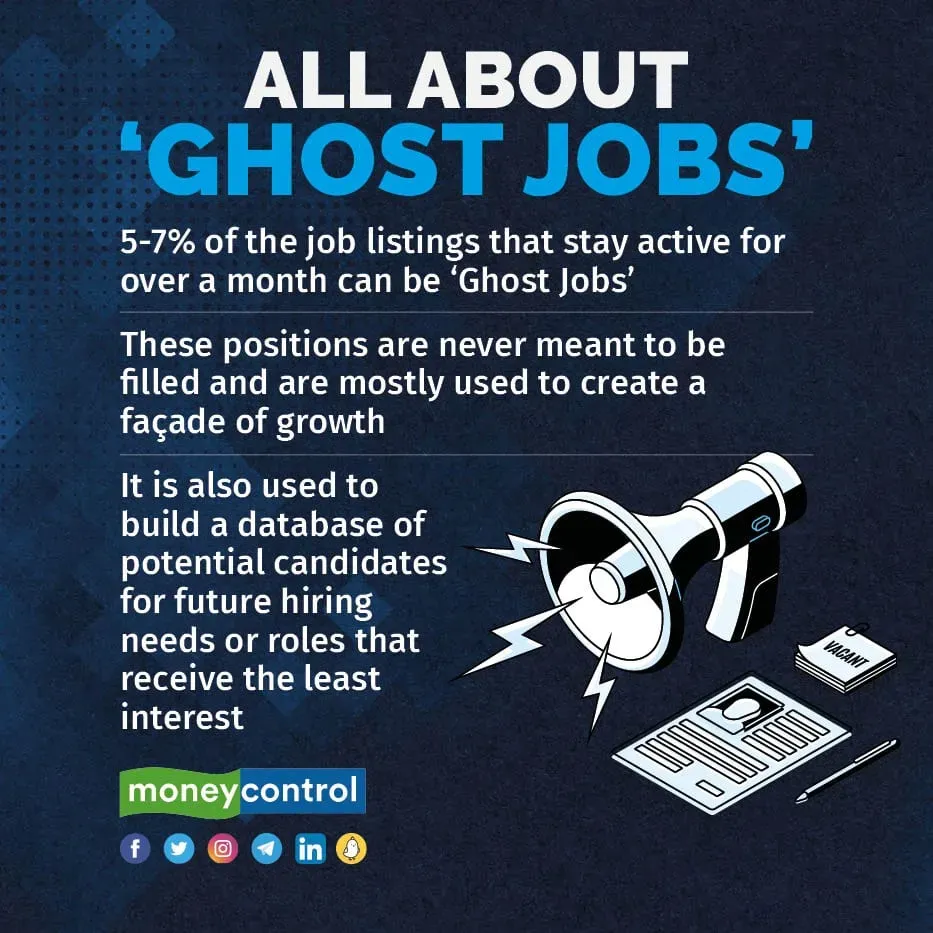
In recent years, the job market has witnessed fluctuating trends, and the rise of ghost jobs stands out as particularly concerning. With significant statistics indicating that numerous job seekers are left in the lurch, discussions around employment issues have intensified. Hiring managers may post multiple vacancies to project an image of growth, even while actual hiring lags, creating a facade that misleads prospective employees.
This strategic misrepresentation can mask underlying economic challenges and impact overall job market health. It thus becomes imperative for job hunters to stay informed about prevailing market trends and to approach each job opportunity with a critical mindset, seeking signs of authenticity before investing time in applications.
Impact of Fake Job Postings on Job Seekers
The consequences of ghost job listings extend far beyond mere frustration for job seekers; they can profoundly affect mental health and self-esteem. As illustrated by Ailish Davies’s experiences of being ghosted by employers, candidates often find themselves disheartened after dedicating significant effort to applications, only to receive silence in return. This emotional toll compounds as individuals face repeated disappointments during an already challenging job search process.
Furthermore, ghost jobs lead to a distorted perception of competition within the job market. When the number of available roles is inflated by non-existent positions, it becomes increasingly difficult for job seekers to gauge their prospects realistically. This gap in transparency can discourage even the most qualified candidates from pursuing new opportunities, perpetuating a cycle of disengagement and hopelessness.
Addressing Recruitment Regulations and Standards
To combat the issues surrounding ghost jobs, pressing reforms and consistent enforcement of recruitment regulations are essential. Current measures, or lack thereof, across regions like the UK and the US fall short in protecting job seekers, leaving room for unethical practices to thrive. Proposals such as mandated timelines for job postings and clear definitions of compliant recruitment practices can help place accountability back in the hands of corporations.
Moreover, clear guidelines around the posting and management of job listings could foster an environment where transparency is paramount. Involving industry stakeholders in creating these standards will not only enhance compliance but also build trust within the job-seeking community. Effective oversight by labor authorities will ensure that companies adhere to these improved regulations, making ghost jobs a rarity rather than the norm.
Supporting Job Seekers Against Ghosting and Ghost Jobs
As ghost jobs continue to plague the employment landscape, supporting job seekers through education and resources becomes pivotal. Career coaches like Jasmine Escalera emphasize the importance of networking, asserting that establishing connections with hiring managers can significantly improve a candidate’s chances of identifying legitimate opportunities. By engaging in direct conversations, job seekers can often discern whether a position is actively being pursued or merely a ghost listing awaiting closure.
Additionally, providing tools and resources that educate job hunters about red flags—such as repetitive job postings or prolonged vacancy durations—can empower individuals to be more discerning in their applications. Organizations and recruitment agencies have a role to play in equipping candidates with the knowledge necessary to navigate this tricky landscape.
Mental Health Implications of Job Hunting
The toll of grappling with ghost jobs and recruitment ghosting cannot be overstated, as many candidates report significant stress and anxiety during their job search. As Megan Lawton points out, the lack of feedback and closure after numerous applications can lead to feelings of inadequacy and despair. This emphasizes the urgent need to recognize job search fatigue as a legitimate mental health concern and to open conversations about mental wellness in relation to employment searches.
Creating platforms for job seekers to share their experiences can help foster community and solidarity, offering support to those who feel isolated by their struggles. Additionally, mental health resources specifically tailored for job seekers can aid individuals in managing their emotions throughout the often tumultuous process of searching for employment.
Fostering a Culture of Transparency in Hiring
The future of hiring hinges on cultivating a culture of transparency, where both employers and job seekers can interact with clarity and integrity. Companies must recognize the value of honest communication and commit to providing meaningful updates to candidates throughout the hiring process. Whether through regular status updates or clear timelines, such practices can foster goodwill and nurture positive relationships in the employment space.
Additionally, as organizations look to enhance their hiring practices, embracing feedback from applicants can yield invaluable insights into their experience. By involving former job seekers in the development of recruitment strategies, employers can prioritize transparency and responsiveness, creating an environment in which ghost jobs become an historical anomaly rather than a prevalent practice.
Frequently Asked Questions
What are ghost jobs and how do they impact the job market?
Ghost jobs refer to job postings that either do not exist or have been filled, misleading job seekers and creating confusion in the job market. They can inflate hiring statistics, skew perceptions of job availability, and discourage genuine candidates from applying.
How can job seekers identify fake job postings or ghost jobs?
To avoid ghost jobs, job seekers should research companies and network with hiring managers. Red flags include listings that are posted repeatedly, those that have been open for extended periods, and a lack of responses during the application process.
What steps are being taken to regulate ghost job listings?
Various legislative efforts are underway to tackle ghost jobs, such as The Truth in Job Advertising & Accountability Act in the US and new regulations in Ontario, Canada, that require companies to disclose whether a position is actively being filled.
Why do companies post ghost job listings?
Companies may post ghost jobs to build a talent pool for future hiring, inflate hiring metrics, or collect data without a real intention to hire. This practice misleads job seekers and distorts job market trends.
What are the psychological effects of ghost jobs on job seekers?
Ghost jobs can have detrimental effects on job seekers’ mental health, leading to feelings of frustration and hopelessness as candidates invest time and effort into applications that lead nowhere.
Are there any legal protections for job seekers against ghost job postings?
Currently, there are limited legal protections specifically addressing ghost jobs in most countries, although some regions like Ontario are introducing regulations that require transparency in job postings.
How do fake job postings affect overall employment issues?
Fake job postings contribute to broader employment issues by providing inaccurate data on job availability, which can mislead policymakers and hinder efforts to address unemployment effectively.
What legislative measures are being proposed to tackle fake job postings?
Legislation such as The Truth in Job Advertising & Accountability Act in the US aims to create greater accountability for job listings by requiring transparency and imposing penalties for misleading postings.
What can governments do to combat the rise of ghost jobs?
Governments can enforce regulations requiring accurate and timely job postings, implement penalties for non-compliance, and promote awareness and education about the phenomenon of ghost jobs.
How does the problem of ghost jobs vary between regions like the US, UK, and Canada?
The prevalence of ghost jobs varies across regions, with studies showing 22% to 34% of job listings in countries like the US and UK lacking genuine hiring intent, while Ontario is taking proactive legal steps against this practice.
| Key Points | Details |
|---|---|
| Definition of Ghost Jobs | Employers advertise jobs that do not exist or have already been filled. |
| Statistics | 22% of US, UK, and Germany job listings were ghost jobs; in the UK, it was even higher at 34%. |
| Legislative Action in the US | Eric Thompson is advocating for the Truth in Job Advertising & Accountability Act to address ghost jobs. |
| Current Measures in Canada | Ontario requires companies to disclose if a job is being actively filled starting January 1. |
| Impact on Job Seekers | Ghost jobs undermine confidence and can negatively affect mental health. |
| Reasons for Ghost Jobs | Companies may post to build talent pools or inflate growth metrics. |
Summary
Ghost jobs are a significant issue in today’s job market, as they create confusion and frustration for job seekers. With a large percentage of listings being misleading—22% in some countries—it’s essential for legislation like the Truth in Job Advertising & Accountability Act to be enacted and for companies to be held accountable. Improving transparency in job advertising can help restore confidence in the job market.