
Listen to this article
Getting around London can be a thrilling adventure as you explore the city’s rich tapestry of history and culture. With an extensive network of transport options, including the iconic London Underground, London’s renowned bus services, and even cycling routes, navigating this sprawling metropolis is more accessible than ever. For both locals and tourists alike, the London travel guide will help you understand how to make the most of your journey. Whether you prefer the convenience of taxis or the leisurely pace of walking along the Thames, there is a mode of transport to suit every travel style. So buckle up as we delve deeper into the various ways of getting around London, ensuring you never miss a moment of what this vibrant city has to offer!
Exploring the capital city of England necessitates an understanding of its various transportation methods, crucial for making the most of your time. From the world-famous Tube system, which swiftly connects you to key destinations, to the bustling bus network that crisscrosses the city, options abound for efficient travel. There’s also the chance to cycle through scenic routes or opt for the traditional charm of black cabs for a direct route. This comprehensive overview of London transit options will illuminate how to navigate and enjoy your journey, ensuring you have access to all the best that London has to offer, whether through rapid rail systems or tranquil riverside travel.
Navigating London Underground: Tips and Tricks
The London Underground, affectionately known as the Tube, is a crucial artery for transport in the city. With its extensive network of 11 lines operating across central and outer London, it provides an efficient way to traverse the city. One of the most effective tips for getting used to using the Tube is to familiarize yourself with the map. Each line is color-coded, making it easier to understand at a glance. Additionally, the city offers an array of apps that provide real-time updates on train schedules and potential disruptions, ensuring you stay informed during your travel.
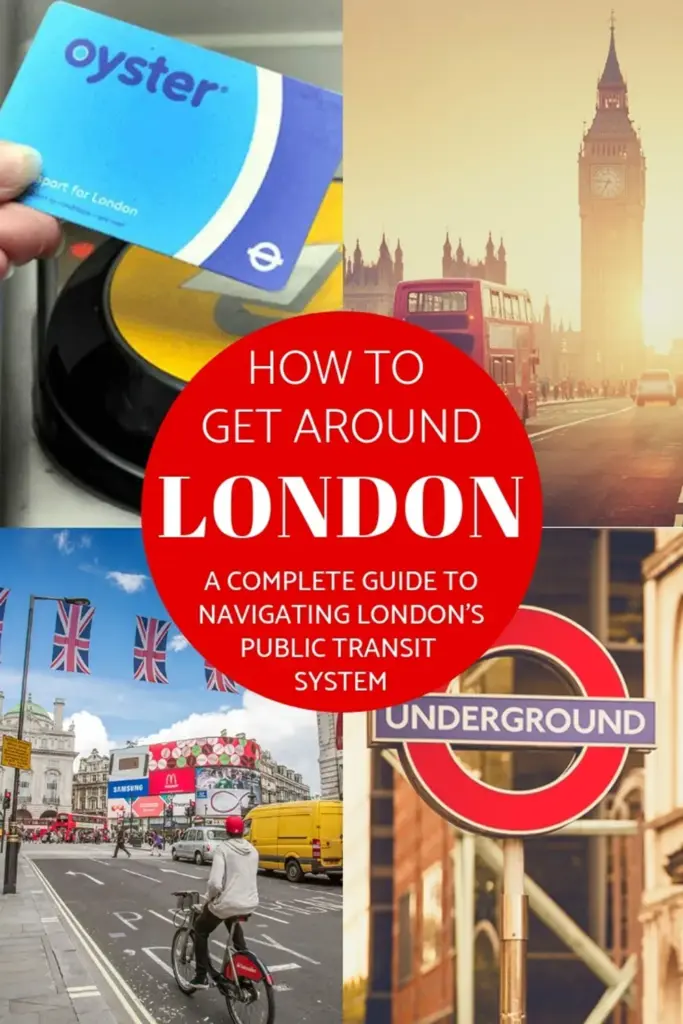
Understanding the fare system can significantly enhance your experience while using the Underground. Opting for an Oyster card instead of single tickets will not only save you money but also time spent queuing at ticket machines. Moreover, keep an eye out for off-peak travel times, as fares are significantly lower, which can lead to substantial savings for daily commuters. If you find yourself needing assistance, don’t hesitate to ask staff members about your journey options, as they are trained to help!
Getting Around London: A Comprehensive Overview
When it comes to accessing London’s sights and neighborhoods, understanding your getting around options is paramount. Public transport in London varies widely—from the historic red buses to the bustling Tube and scenic river services. Each mode provides a different perspective of the city, and it’s advisable to mix and match them based on your itinerary. For example, taking the bus can allow for leisurely sightseeing, while the Tube is excellent for quickly crossing long distances.
Moreover, if you prefer a more active approach to navigating the city, consider cycling or walking as viable alternatives. London has made significant strides to improve cycling infrastructure, with designated cycle lanes popping up throughout the city. Walking remains a popular way to explore nearby landmarks, allowing an intimate glimpse into the city’s rich history and culture. Overall, being aware of these transport options will ensure a memorable London experience.
{
London Bus Services: An Alternative to the Tube
London’s iconic red bus service is not only a reliable alternative to the Underground but also an integral part of the city’s heritage. The bus network covers vast distances, making it easy to travel between neighborhoods and tourist attractions. One of the major advantages of using the bus is the ability to enjoy the scenery while you travel. Many famous landmarks are visible right from the upper deck, providing a unique viewpoint that you might miss on the Tube.
Payment is simple and user-friendly; all you need is an Oyster card or a contactless payment card. Since buses operate on a flat fare system, no matter how far you travel, you will be charged the same fare, making it easy to plan your budget. Additionally, all buses in London are well equipped to accommodate wheelchair users, ensuring inclusivity for all riders.
The Importance of Cycling in London
Cycling is becoming increasingly popular among Londoners, thanks to the city’s initiatives to promote sustainable transport. The introduction of bike lanes and the Santander Cycles scheme has made cycling accessible to many. You can rent a bike from numerous docking stations scattered across London. This cost-effective option allows for greater flexibility and spontaneity as you explore hidden gems and scenic routes that would otherwise go unnoticed.
Safety, however, should always be a priority when cycling in the city. Cyclists should stay alert and stick to designated cycle lanes, especially in areas with heavy traffic. Wearing a helmet and being cautious at intersections are crucial for ensuring your safety on the roads. Moreover, understanding the rules of the road tailored to cyclists can make your rides smoother and more enjoyable.
Exploring London on Foot: Walk Your Way Through History
Walking is undeniably one of the most rewarding ways to explore London. Many of the city’s iconic sites, such as Buckingham Palace, the Houses of Parliament, and the Tower of London, are within walking distance of each other. By embarking on foot, you can soak up the bustling atmosphere, notice intriguing architectural details, and discover charming squares and parks that may not be highlighted in typical tourist guides.
If you prefer structure in your exploration, consider joining a guided walking tour. These tours can provide fascinating historical insights and stories, enriching your understanding of the areas you traverse. Walking also encourages spontaneous detours, leading you to hidden treasures like local cafes, galleries, and shops that might be overlooked when traveling by bus or Tube.
Understanding Taxis and Ride-Sharing Options
While public transport is the backbone of London’s transport system, taxis and ride-sharing apps offer a more direct and personalized travel experience. London’s traditional black cabs are instantly recognizable and can be hailed on the street with ease. They are not only iconic but are also driven by licensed professionals who possess an extensive knowledge of London’s streets, thanks to rigorous training and examinations.
In contrast, ride-sharing services like Uber provide a different level of convenience and flexibility. With just a few taps on your smartphone, you can summon a ride to your exact location. These services often have competitive fares compared to traditional taxis. However, it is wise to consider surge pricing during peak hours, as rates can rise significantly. Depending on your travel requirements, both options can complement your overall experience in navigating across the bustling city.
Maximizing the Use of Trains and Overground in London
In addition to the Tube, the train network in London plays a crucial role in connecting the city to its suburbs and other regions across the UK. National Rail Services offer the opportunity to venture beyond London’s immediate boundaries, allowing travelers to reach picturesque locations such as Brighton or Oxford for day trips. Most stations connect seamlessly with the Underground and bus services, providing a smooth transit experience for those looking to explore.
The London Overground, another significant transport component, serves areas that are not accessible via the Tube. Running above ground, it connects with various lines and enhances mobility across the capital. For travelers, it is essential to check maps and train schedules to maximize this service. Always remember to validate your tickets before boarding or at the exit to avoid fines.
Experience the Thames: River Transport in London
One of the more unique experiences of getting around London is using the River Thames for transportation. Several companies offer regular river services that can whisk you away from one point to another, often at a leisurely pace and with stunning views of the city skyline. Traveling by boat can reduce the stress of crowded public transport and provide a refreshing perspective on some of London’s most famous landmarks, such as the Houses of Parliament and the London Eye.
River transport is not only about aesthetics; it can also be practical. For example, using the Thames Clippers service offers a direct quick route between key locations while you relax and enjoy the scenery. Many of the riverboat services also run at night, extending your options for late travel. This means you can enjoy a romantic sunset cruise while simultaneously commuting. Utilizing river services can truly elevate your exploration of London.
Key Takeaways: Choosing the Right Transport Option
As you navigate the vibrant streets of London, consider your transport options carefully. Each mode of travel—from the fast-paced Underground to the iconic red buses and serene riverboats—offers a unique method of exploring the city. Depending on your schedule, budget, and preferences, mixing various forms of transport can lead to an enriching experience. Always keep an eye on fare structures and the best times to travel to optimize your journeys and avoid frustration.
Furthermore, the importance of planning is paramount. Using available resources such as the Transport for London website or mobile apps can help you stay updated on transit times, potential delays, and ticket prices. As you become more familiar with getting around London, you’ll find a rhythm that suits your travel style, allowing you to embrace everything this magnificent city has to offer.
Frequently Asked Questions
What is the best way to navigate London using public transport?
Navigating London using public transport is best accomplished through the London Underground (Tube) and buses, which cover extensive areas across the city. Using an Oyster card or contactless payments optimizes fare costs. For detailed routes and times, refer to the Transport for London (TfL) website.
How does the London Underground commuter system work?
The London Underground is a crucial part of getting around London, consisting of 11 lines connecting over 270 stations. It operates from around 5 AM to midnight, offering a rapid and efficient means of transport. An Oyster card is recommended for lower fare prices.
Are London bus services reliable for city travel?
Yes, London bus services are highly reliable for city travel, operating frequently across central and outer London. They accept contactless payments and also provide night services when the Tube is closed.
What are the advantages of using taxis in London?
Using taxis in London, particularly traditional black cabs, offers a convenient and direct means of transport. Drivers are knowledgeable about the city, and you can hail them on the street or book via an app for added ease.
What should I know about cycling in London?
Cycling in London is becoming increasingly popular due to improved bike lanes and the Santander Cycles rental scheme. Always use designated cycle lanes, wear a helmet, and be cautious around traffic.
How can I explore London on foot?
Exploring London on foot is a fantastic way to see its attractions. Many landmarks are within walking distance, and you can pick up a tourist map or utilize Google Maps to discover hidden gems along your journey.
What types of rail services are available in London?
London offers several rail services, including the London Overground and National Rail services, which connect various areas within the city and to nearby towns. Always check specific ticketing requirements for these services.
How do river services enhance travel in London?
River services on the Thames provide a unique perspective of London from the water, allowing for scenic and relaxing travel between various piers. Thames Clippers offer fast transport options along the river.
What are the operational hours of the London Underground?
The London Underground typically operates from 5 AM to midnight, with extended hours on Fridays and Saturdays. It’s advisable to check for exact times on specific lines before planning your journey.
How can I effectively plan my journey in London?
To effectively plan your journey in London, make use of the Transport for London (TfL) website or app to check routes, times, and fares for the Underground, buses, and other transport options. Also, consider avoiding rush hours for a more comfortable experience.
| Transport Option | Key Features |
|---|---|
| The London Underground (Tube) | Over 270 stations, operates from 5 AM to midnight, tickets available via Oyster cards. |
| Buses | Extensive network, contactless payments accepted, reliable night buses available. |
| Cycling | Santander Cycles for bike rentals, designated cycle lanes, safety is a priority. |
| Walking | Explore on foot, use maps for navigation, guided tours available. |
| Taxis and Ride-Sharing | Black cabs and apps like Uber provide door-to-door service, higher fare costs. |
| Trains and Overground | Connects to suburbs and other UK cities, check for specific ticket needs. |
| River Services | Unique boat services on the Thames, scenic view of the city. |
Summary
Getting around London can be straightforward and enjoyable when travelers understand their transport options. With extensive networks such as the London Underground, iconic red buses, and additional modes like cycling and river services, navigating the city becomes a breeze. Furthermore, experiencing London on foot can unveil hidden gems and allow for deeper exploration. For an efficient journey, planning in advance and understanding the schedules and ticket types for each transport option can enhance your visit, ensuring that you fully enjoy the vibrant atmosphere that London has to offer.