Listen to this article
Geothermal energy is making waves in the UK as it prepares to harness the Earth’s natural heat to provide clean and sustainable electricity. The country’s first geothermal power plant, located at United Downs in Cornwall, is set to deliver renewable energy to around 10,000 homes by utilizing hot subterranean water. This innovative venture not only contributes to the growing demand for renewable energy in the UK but also marks a significant milestone with the extraction of lithium, essential for various green technologies. With the ability to generate continuous power, geothermal heat stands out among other renewable sources, promising a reliable and environmentally friendly energy alternative. As we embrace this clean energy revolution, geothermal energy is positioned to play a pivotal role in the transition toward a greener future.
Renewable thermal energy, specifically sourced from the Earth’s internal heat, has immense potential, especially within the UK context. The newly developed geothermal power facility in Cornwall is setting a robust foundation for sustainable energy solutions by tapping into deep underground reservoirs. This pioneering initiative not only addresses the UK’s increasing need for reliable energy sources but also introduces the practice of extracting lithium, a crucial resource in the advancements of electric mobility technologies. Moving beyond the conventional renewables like solar or wind, this geothermal system ensures a consistent supply of clean power, echoing the movement towards sustainable energy practices. With the UK government’s newfound focus on this innovative energy sector, the possibilities appear vast and promising.
The Rise of Geothermal Energy in the UK
Geothermal energy is rapidly gaining recognition within the UK’s renewable energy landscape. The recent operationalization of the United Downs geothermal power plant near Truro signifies a major breakthrough that highlights the vast potential of harnessing Earth’s internal heat. This geothermal power plant will not only contribute to sustainable electricity production but also mark a shift in how we explore alternative energy sources within the UK. With the capability to power 10,000 homes, this initiative showcases a promising step towards a more sustainable future.
The advancement of geothermal energy is particularly significant amid the UK’s growing commitment to renewable energy. As the world leans towards cleaner energy options, geothermal energy emerges as a stable and reliable choice, capable of providing a consistent energy supply—unlike intermittent sources such as wind and solar. This makes geothermal energy essential for a balanced energy mix, thus contributing to the UK’s broader energy strategy and sustainability goals.
Understanding Geothermal Power Plants
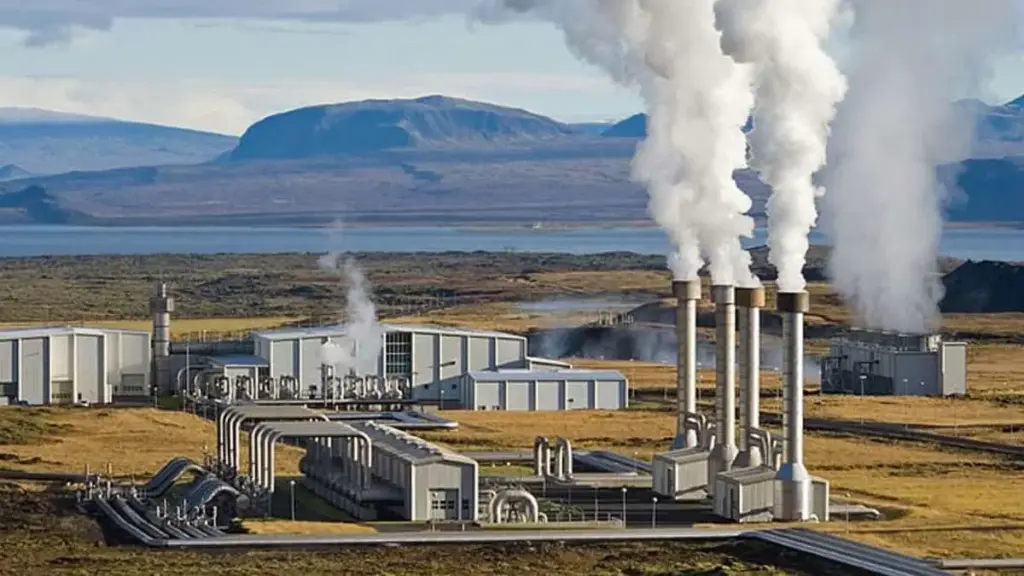
Geothermal power plants operate on the principle of utilizing the Earth’s natural heat to generate electricity. In the case of the United Downs facility, the project has achieved remarkable depths of three miles, where extreme temperatures can effectively power turbines. This drilling technique, which reaches deep fractures in granite rock, allows the system to circulate water that absorbs heat and converts it into sustainable electricity, showcasing advanced technological applications in energy production.
The development of geothermal power plants requires substantial investment and innovation, making it a challenging pursuit. However, the United Downs project, with its 50 million pounds investment and involvement from private investors and the EU, demonstrates that it is indeed feasible. Additionally, with the government’s recent appointment of a geothermal minister, there is a growing recognition of the importance of geothermal energy in the UK’s renewable energy agenda.
The Impact of Lithium Extraction on Green Technology
The integration of lithium extraction within geothermal projects introduces a unique opportunity for advancing green technology in the UK. With the United Downs power plant set to be the first commercial source of lithium in the country, its impact cannot be understated. Lithium is a pivotal mineral in the production of electric vehicle batteries and energy storage solutions, essential to the growth of clean energy technologies. By producing approximately 100 tonnes of lithium annually, this initiative positions the UK as a key player in the green tech supply chain.
Furthermore, the demand for lithium is anticipated to surge dramatically in the coming years as the global shift towards electric vehicles accelerates. Experts project that the UK could experience a 12 to 45-fold increase in lithium requirements throughout the 2020s. This growing demand, combined with the UK’s capabilities in geothermal energy and lithium extraction, may facilitate the country’s transition towards a more sustainable energy future.
Challenges in Developing Geothermal Energy
Despite its potential, the development of geothermal energy in the UK faces several challenges, primarily related to high drilling costs and the need for substantial initial investments. The United Downs geothermal power plant’s development underscores these financial hurdles, with a significant part of its funding coming from private investors and EU support. Such challenges often deter investment in geothermal projects, hindering wider adoption and expansion across the UK.
Moreover, the complexity of drilling to substantial depths necessitates not only advanced technology but also a robust governmental framework that supports and incentivizes geothermal energy initiatives. As highlighted by industry experts, encouraging investor confidence through supportive policies and recognition of geothermal energy as critical to the national energy strategy will be essential for unlocking its full potential.
Geothermal Heating Technologies in the UK
In addition to electricity generation, geothermal energy is also being utilized for heating through innovative technologies such as ground source heat pumps. Approximately 30,000 of these systems are currently operational in UK homes, tapping into shallow geothermal resources for efficient heating solutions. Such technologies offer homeowners an effective way to reduce energy bills while contributing to the overall increase in renewable energy use in the UK.
Local authorities and businesses are exploring further possibilities for geothermal heating, leveraging existing resources such as flooded mines for sustainable solutions. The application of geothermal heating expands the potential for reducing carbon emissions in residential and commercial settings alike, showcasing how geothermal technologies can contribute to achieving the UK’s sustainability targets.
The Future of Geothermal Energy in the UK
The future of geothermal energy in the UK looks promising, with advancements in technology and growing governmental interest driving the sector forward. As the United Downs power plant sets a precedent, further projects are likely to emerge, tapping into the UK’s untapped geothermal resources. The potential for geothermal electricity generation is significant, with areas like Scotland and Northeast England identified as suitable for similar initiatives.
However, realizing this potential will demand a concerted effort among stakeholders, including private investors, governmental bodies, and industry experts. By fostering an environment that promotes innovation and investment, the UK can position itself as a leader in geothermal energy, bolstering its commitment to renewable energy and addressing the urgent need for sustainable electricity solutions.
Geothermal Energy and the National Grid
The integration of geothermal energy into the national grid presents an exciting opportunity for reforming how the UK approaches renewable electricity distribution. The United Downs power plant has already contracted its output to Octopus Energy, illustrating how geothermal power can be efficiently aligned with existing energy infrastructure. Harnessing geothermal energy enables consistent, ‘always-on’ power generation, alleviating some of the challenges associated with intermittent energy sources like solar and wind.
As more geothermal projects seek to connect to the national grid, the energy landscape in the UK could transform significantly. Ensuring that geothermal energy is a core component of the UK’s energy mix will not only enhance the grid’s reliability but also contribute to fulfilling the nation’s ambitious climate goals and commitments to reducing carbon emissions.
Environmental Considerations in Geothermal Projects
The development of geothermal energy projects, while beneficial for renewable energy generation, must also account for environmental considerations. The United Downs geothermal power plant faced challenges regarding environmental assessments, highlighting the importance of balancing energy production with ecological impacts. Engaging in responsible drilling practices and conducting thorough environmental impact studies are essential for ensuring that geothermal energy remains a sustainable option.
Addressing environmental concerns associated with geothermal projects can also foster greater public acceptance and support for renewable initiatives. By demonstrating a commitment to sustainability and ecological stewardship, geothermal energy can solidify its role as a key player in the UK’s transition towards a cleaner energy future.
Innovative Technologies in Geothermal Energy
Advancements in technology are crucial for unlocking the full potential of geothermal energy in the UK. Innovations in drilling techniques, heat extraction methods, and resource management practices are increasingly improving efficiency and reducing costs. As seen with the United Downs project’s advanced drilling systems, leveraging cutting-edge technology can significantly enhance the viability of geothermal energy as a competitive renewable resource.
As the geothermal sector evolves, continued investment in research and development will be vital for propelling the industry forward. Collaborations between academia, government, and the private sector can drive innovations that improve geothermal systems’ performance, making them more accessible and affordable for widespread adoption across the UK.
Frequently Asked Questions
What is geothermal energy and how is it considered a renewable energy source in the UK?
Geothermal energy refers to the heat produced by the Earth, which can be harnessed for electricity and heating. In the UK, it is classified as a renewable energy source as it utilizes the underground heat continuously produced by the Earth’s core. The United Downs geothermal power plant in Cornwall, which is set to power 10,000 homes, exemplifies this sustainable approach to energy production.
How does a geothermal power plant generate electricity?
A geothermal power plant generates electricity by drilling deep into the Earth’s crust to access hot water. This heated water is then used to power turbines, converting thermal energy into electricity. The United Downs facility utilizes water heated to nearly 200°C to ensure efficient energy generation, thereby providing sustainable electricity for thousands of homes.
What are the environmental benefits of geothermal energy in the UK?
Geothermal energy offers significant environmental benefits as it provides clean energy with a low carbon footprint. It emits very few greenhouse gases compared to fossil fuels. Projects like the United Downs geothermal power plant demonstrate how geothermal heat can sustainably supply electricity while potentially providing resources like lithium for green technologies, supporting the UK’s commitment to carbon neutrality.
How does geothermal heat differ from solar and wind energy in terms of energy consistency?
Unlike solar and wind energy, which are dependent on weather conditions, geothermal heat provides a continuous energy supply, available 24/7. This reliability makes geothermal energy a valuable asset in the UK’s energy mix, especially as seen with the operational United Downs geothermal power plant, which can deliver a steady flow of renewable electricity.
What role does lithium extraction play in the United Downs geothermal project?
Lithium extraction is a key component of the United Downs geothermal project, marking it as the UK’s first domestic source of this critical mineral. Alongside generating geothermal heat and electricity, the project aims to produce 100 tonnes of lithium annually, which is essential for electric vehicle batteries, thus contributing to the green technology sector.
What challenges does geothermal energy face in the UK?
Geothermal energy in the UK faces several challenges, including high initial costs associated with deep drilling technologies and securing investment funding. Additionally, supportive government policies are crucial to fostering investor confidence and integrating geothermal energy into the national strategy for sustainable energy alongside other renewables.
How many geothermal heat pumps are currently operational in the UK?
As of now, there are approximately 30,000 ground source heat pumps operational in homes across the UK. These systems utilize shallow geothermal energy to heat spaces efficiently, and with government grants available, adoption rates are expected to rise as part of the transition to sustainable electricity.
What potential does the UK have for more geothermal energy projects?
The UK has significant potential for more geothermal energy projects, particularly in regions like Scotland and Northeast England, where deep geothermal electricity generation is feasible. However, developing such projects requires overcoming technical, financial, and regulatory hurdles to fully tap into this underutilized energy resource beneath the ground.
| Key Point | Details |
|---|---|
| Geothermal Energy Plant | The UK’s first operational geothermal power plant will generate electricity for 10,000 homes. |
| Location | The United Downs power plant is located near Truro, Cornwall. |
| Technology | Utilizes hot water from three miles below the earth’s surface to power turbines. |
| Investment | The project has cost £50 million, funded by private investors and EU support. |
| Environmental Benefits | Geothermal energy provides constant, renewable electricity without the price volatility of gas. |
| Expansion Plans | Plans for two additional geothermal power plants are underway, albeit facing challenges. |
| Lithium Extraction | The plant will extract lithium carbonate, crucial for electric vehicle batteries. |
| Market Impact | Demand for lithium could rise as much as 45 times in the coming decade due to green technology. |
Summary
Geothermal energy is proving to be a transformative force in the UK, as the first geothermal power plant is set to provide clean, reliable power for 10,000 homes. This renewable energy source utilizes subterranean heat and has the potential not only to reduce reliance on fossil fuels but also to support the growing demand for critical minerals such as lithium. With government backing and ongoing investments, the future of geothermal energy in the UK looks promising, signaling a significant shift towards sustainable energy practices.