Listen to this article
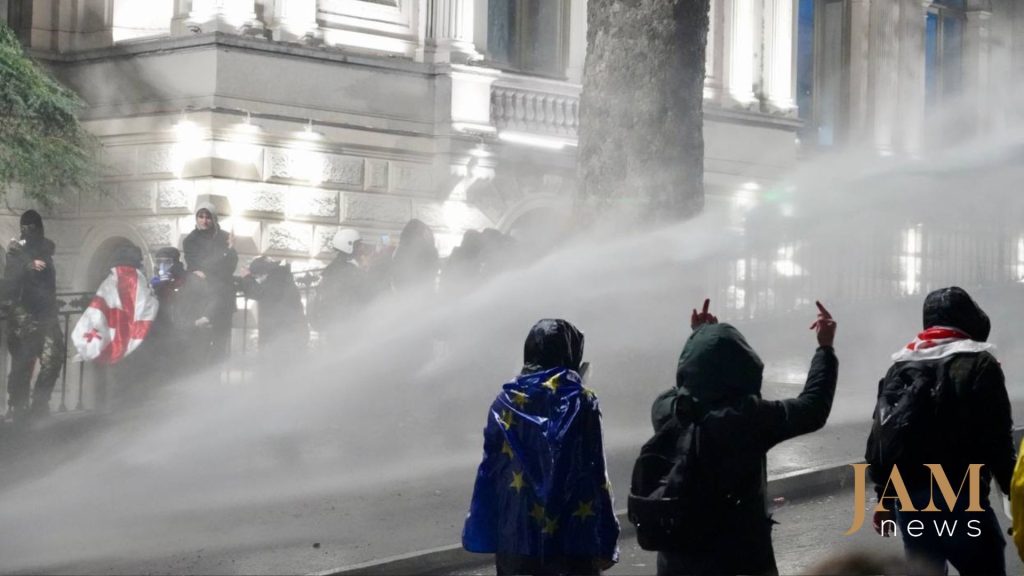
The Georgia chemical weapon protests marked a pivotal moment in the nation’s struggle for democratic accountability and human rights. Last year, demonstrations erupted against the government’s abrupt halt of its European Union accession process, leading to an alarming escalation where authorities employed a World War One-era chemical agent known as “camite” for crowd control. Protesters faced severe health consequences from this controversial tactic, which ignited outrage and condemnation globally. Reports of chemical agents causing burning sensations, coughing, and potential long-term health risks have raised serious concerns about human rights violations in Georgia. With the involvement of chemical weapons experts and whistleblowers from within the ranks of the riot police, the situation has drawn attention to the troubling implications of these actions on the fight for justice and accountability in the region.
In the midst of ongoing unrest, the protests in Georgia have brought to light the troubling use of toxic substances against its citizens, particularly through the deployment of a chemical agent referred to as “camite”. This controversial measure, branded as a method of crowd control, has been widely criticized for its harmful effects during public demonstrations advocating for EU membership and government reform. Allegations of police brutality and chemical weapon deployment have heightened tensions between citizens and state authorities, leading to a demand for thorough investigations. The efforts by protesters to seek justice highlight the urgent need for accountability and adherence to human rights standards amidst rising governmental crackdowns. As the situation unfolds, the implications for civil liberties and international law remain critical areas of concern for observers around the world.
The Controversial Use of Camite in Georgia’s Protests
The protests in Georgia have escalated over the government’s adoption of aggressive measures to suppress dissent, notably the notorious use of a chemical agent known as camite. This outdated chemical weapon, originally utilized during World War One, has surfaced as a major point of contention among human rights advocates and protest participants alike. The use of camite signifies not just a tactical choice but a troubling trend in the suppression of civil liberties, as many protesters reported distressing symptoms after exposure, ranging from respiratory issues to severe skin irritations.
Reports indicate significant health implications arising from camite exposure during these protests. Gela Khasaia’s account of unbearable pain from water cannons signals a grim reality for those caught in the struggle for democratic reform in Georgia. Authorities have dismissed phases of inhumane responses as necessary for maintaining order, thereby framing the protests through a lens of chaos rather than legitimate grievances. This narrative inadequately addresses the serious consequences faced by peaceful demonstrators who merely demand accountability and meaningful engagement in EU membership discussions.
Impact of Georgia Riot Police Actions on Civil Liberties
The actions of Georgia’s riot police have sparked widespread outrage both domestically and internationally, drawing attention to the broader implications regarding civil liberties in the country. Human rights organizations have condemned the crackdown on demonstrators, labeling police interventions, including the deployment of camite, as excessive and unwarranted. The heavy-handed tactics employed during protests not only fuel further unrest but also lead to concerns about the erosion of democratic principles within Georgia’s political framework.
Many activists argue that the government’s response to protests reflects a growing authoritarianism, undermining the values of freedom of assembly and expression. The use of chemical agents, particularly camite, to control crowds raises ethical concerns about the balance between law enforcement and the protection of human rights. This troubling trend towards violent suppression threatens to stifle political dissent and alienate the electorate, complicating efforts for European Union integration, which hinges on democratic norms and human rights commitment.
The Human Rights Violations in Georgia’s Protests
The ongoing protests in Georgia have brought to light significant human rights violations, particularly through the violent interactions between protesters and law enforcement. The chemical weapon camite, used against peaceful demonstrators, is emblematic of broader systemic issues within the government’s approach to dissent. The severe symptoms detailed by those affected underscore the need for thorough investigations into the actions of the police and the ethical implications of using toxic chemical agents against civilians, amplifying calls for accountability.
Human rights advocates argue that the Georgian government’s justifications for using such tactics are unacceptable in a democratic society. With allegations of symptoms lingering for prolonged periods among demonstrators, medical professionals and activists have commenced urgent dialogues on the health impacts of these actions, seeking support from international bodies. The combination of state repression and disregard for human rights creates a precarious environment, endangering the very fabric of Georgia’s aspirations for EU membership, which is predicated on strict adherence to fundamental human rights.
Protests in Support of EU Membership: A Struggle for Democracy
The protests in Georgia have been fundamentally rooted in a desire for closer ties with the European Union, as citizens seek a path towards democratic governance and transparency. The government’s apparent regression from these aspirations, compounded by the violent suppression of dissent via tactics like camite deployment, underscores a critical juncture for Georgia’s political landscape. Citizens are increasingly expressing their frustrations and desires for greater accountability, which the government seems keen to stifle.
As demonstrations continue, the call for EU membership has united diverse groups within the society who demand action for reform and justice. The resilience of protesters signals a prevailing spirit against governmental overreach while advocating for alignment with European principles, particularly concerning human rights. Each gathering serves not just as a protest against the government’s actions but also as a reaffirmation of democratic aspirations, drawing attention to the dire consequences of pushing back against civil liberties.
International Response to the Use of Chemical Agents in Protests
The international community has reacted with condemnation stemming from Georgia’s employment of camite against demonstrators, with many organizations viewing this as a violation of international humanitarian principles. Calls for organizations such as the UN and EU to launch formal inquiries have gained momentum, emphasizing the need for accountability regarding the use of chemical agents in crowd control. The ramifications of these actions could potentially affect Georgia’s standing on the global stage, particularly in terms of its aspirations for EU integration.
There is a significant push for established international norms around chemical weapons to be upheld, particularly in situations involving civilian populations. Advocacy groups insist that Georgia must align itself with global humanitarian laws to ensure the protection of its citizens against harmful state actions. Ongoing discussions surrounding Georgia’s future with the EU and the implications of human rights infringements reveal a pivotal moment in historic negotiations that could forever affect the region’s political dynamics.
The Role of Whistleblowers in Exposing Human Rights Violations
Whistleblowers, including former members of Georgia’s riot police, have played a crucial role in exposing the egregious use of camite during protests. Their testimonies provide invaluable insights into the inner workings of law enforcement strategies and the alarming decisions made by authorities that prioritize suppressing dissent over upholding fundamental rights. This shift from operational secrecy towards transparency is essential in fostering accountability and ensuring justice for those harmed by the excessive force.
The actions of these whistleblowers highlight the importance of courage in the face of systemic violations. Their revelations not only bolster calls for investigations but also signal a growing awareness within the police force about the ethical implications of their roles. By advocating for transparency and responsibility, these individuals contribute to a broader narrative of reform that challenges existing governance practices, ensuring that those in power will be held accountable for their actions against civilians.
Legislation Changes Following Protests and Chemical Weapon Use
In the wake of the protests and the documented use of camite against civilians, there have been increased calls for legislative reforms in Georgia. Advocates emphasize the necessity of updating laws governing crowd control and the use of chemical agents, aligning them with international standards regarding human rights. Given the alarming health impacts reported, such reform is essential for preventing future occurrences of similar state-sponsored violence.
Changes in legislation must prioritize civilian safety and establish strict guidelines that prevent the deployment of toxic agents like camite. The legal framework surrounding law enforcement actions must be scrutinized and revised to ensure that the fundamental rights of citizens are safeguarded. Without such measures, there remains a significant risk of ongoing violations, undermining the trust between the state and its citizens while fostering an environment open to further unrest.
The Psychological Impact of Chemical Agents on Protesters
The psychological ramifications of exposure to chemical agents like camite during protests have garnered attention from mental health professionals and activists. Many protesters report not only physical ailments but also long-standing mental health issues arising from their experiences, including anxiety and post-traumatic stress disorder. As public discourse increasingly acknowledges the breadth of consequences associated with such violence, there’s a growing recognition of the need for comprehensive support services for those affected.
Addressing the psychological effects of state repression is crucial in fostering healing and resilience within the community. Mental health professionals urge the government to acknowledge these issues and provide adequate resources for survivors of such violence. Further, the emphasis on psychological well-being alongside physical health reinforces the argument that chemical agents violate the rights of individuals not just physically but also mentally, invoking broader discussions on human dignity and the right to protest.
The Future of Civil Protest in Georgia
Looking ahead, the future of civil protest in Georgia sits precariously as citizens grapple with state repression and the psychological impact of violence. The determination seen among protesters suggests a willingness to endure hardship for the sake of democratic change and accountability. For many, the struggle for civil liberties takes priority over short-term safety, highlighting an urgent need for sustained international attention and support.
As Georgia navigates these challenges, the outcomes of ongoing public demonstrations will undoubtedly shape the nation’s political landscape. The use of chemical agents like camite may have sparked outrage, yet it has also galvanized a populace eager for reform. Strengthening civil rights will remain paramount in any future discourse surrounding Georgia’s journey toward EU membership, emphasizing that human dignity and rights must not be sacrificed in matters of governance.
Frequently Asked Questions
What led to the Georgia chemical weapon protests?
The Georgia chemical weapon protests erupted in response to the government’s suspension of its European Union accession bid. Protesters rallied against perceived government inaction and demanded accountability, leading to clashes with police who allegedly used harmful chemical agents like camite for crowd control.
What is camite and how was it used in the Georgia protests?
Camite is a World War One-era chemical compound reportedly used by Georgian authorities to suppress anti-government protests. During these protests, riot police allegedly deployed camite via water cannons, causing severe adverse effects among demonstrators, including burning sensations and respiratory distress.
What are the human rights implications of the Georgia chemical weapon protests?
The use of camite in the Georgia chemical weapon protests raises significant human rights concerns. Experts and the UN Special Rapporteur on Torture have criticized the actions of law enforcement, labeling the deployment of harmful chemicals against civilians a violation of international human rights regulations.
How did protesters in Georgia react to the use of chemical agents during the protests?
Protesters in Georgia expressed outrage at the use of chemical agents like camite, with many reporting debilitating symptoms including coughing and vomiting. Witness accounts highlighted the physical pain inflicted by police tactics, further fueling the protests against the government.
What evidence exists regarding the use of camite by Georgia’s riot police?
Evidence regarding the use of camite during the protests includes testimonies from whistleblowers in Georgia’s riot police, studies conducted by medical professionals like Dr. Konstantine Chakhunashvili, and investigative reports outlining the health impacts on nearly half of the surveyed protesters who experienced prolonged symptoms.
What actions have been taken in response to the Georgia chemical weapon protests?
In response to the Georgia chemical weapon protests, there have been increasing calls for investigations into the actions of law enforcement. The international community has condemned the use of chemical agents against peaceful protesters, demanding accountability from the Georgian government.
How do the Georgia protests relate to the country’s EU membership aspirations?
The Georgia chemical weapon protests are intrinsically linked to the country’s aspirations for EU membership. Demonstrators oppose the government’s halt in the process of EU accession, viewing it as a step backward in their quest for democratic governance and alignment with European standards.
What were the reported health impacts of camite on protesters in Georgia?
Protesters exposed to camite during the protests in Georgia reported significant health impacts, including enduring symptoms such as shortness of breath, chest pain, and cardiac abnormalities. A study surveying protesters revealed that a sizable portion experienced these symptoms for over 30 days after exposure.
What has the international response been to the chemical weapon allegations in Georgia?
The international response to the allegations of chemical weapon use in Georgia has included condemnation from human rights organizations and calls for investigations into police actions. Experts have warned that the use of toxic agents violates international treaties designed to protect civilians during conflicts.
Could the use of camite in Georgia lead to legal consequences for the government?
The deployment of camite against protesters in Georgia could potentially lead to legal consequences for the government, particularly if international human rights laws and treaties against the use of chemical weapons are deemed violated. Ongoing investigations and public pressure may impact accountability measures.
| Key Points |
|---|
| Georgia’s authorities used ‘camite’, a World War One chemical weapon, during protests against the government, as reported by the BBC. |
| Protesters showed severe symptoms like burning sensations, shortness of breath, coughing, and vomiting. |
| Gela Khasaia described the pain from water cannons as unbearable. |
| Evidence from experts, whistleblowers, and journalists confirmed the use of camite despite government denials. |
| Dr. Konstantine Chakhunashvili’s study found about half of protesters reported lingering symptoms. |
| Concerns were raised by experts about camite’s use as it violates international chemical weapon prohibitions. |
| UN Special Rapporteur Alice Edwards condemned the use of camite, highlighting human rights violations. |
| The protests for accountability and EU membership persisted despite heavy government crackdowns and international condemnation. |
Summary
The Georgia chemical weapon protests illustrate a significant violation of human rights as authorities allegedly used a toxic agent, ‘camite’, during civil unrest. These protests were primarily driven by demands for government accountability and a call for European Union membership. The severe health effects reported by participants, alongside the condemnation from international bodies, underline the urgency for thorough investigations and accountability regarding the actions of law enforcement in Georgia.